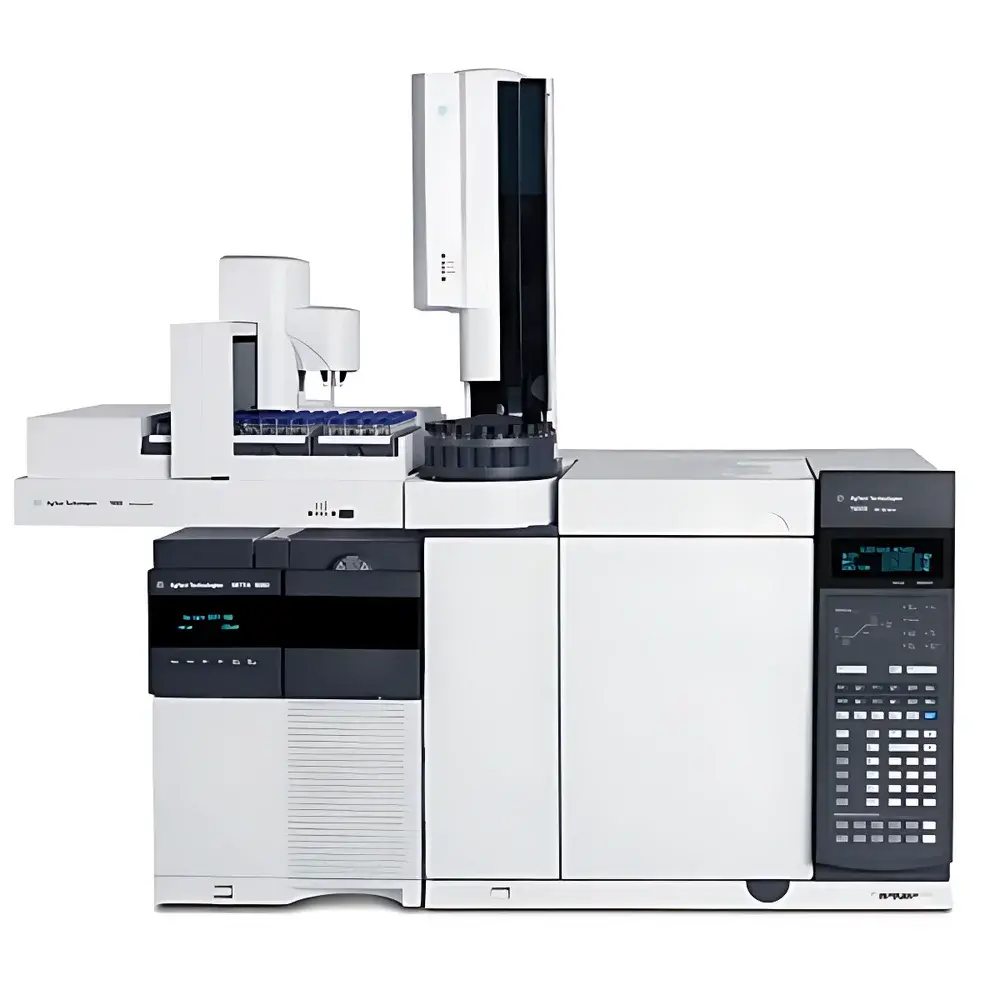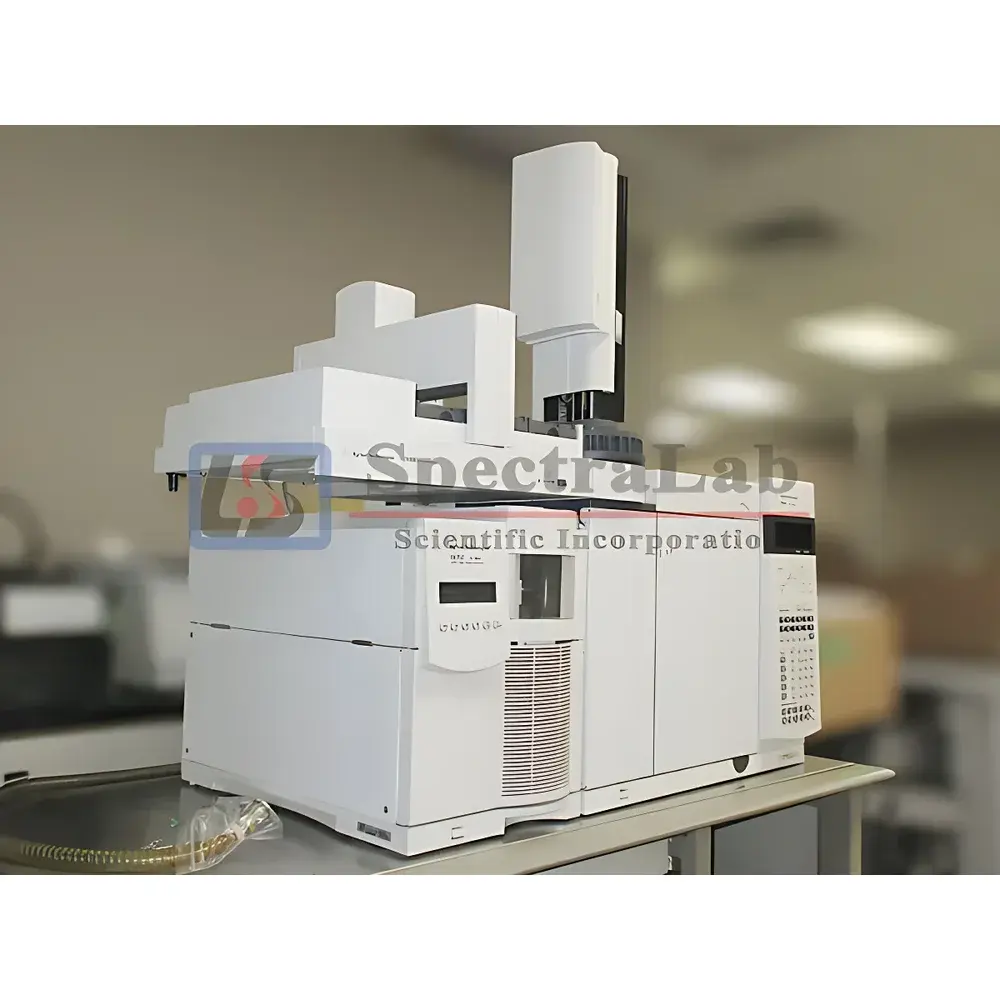
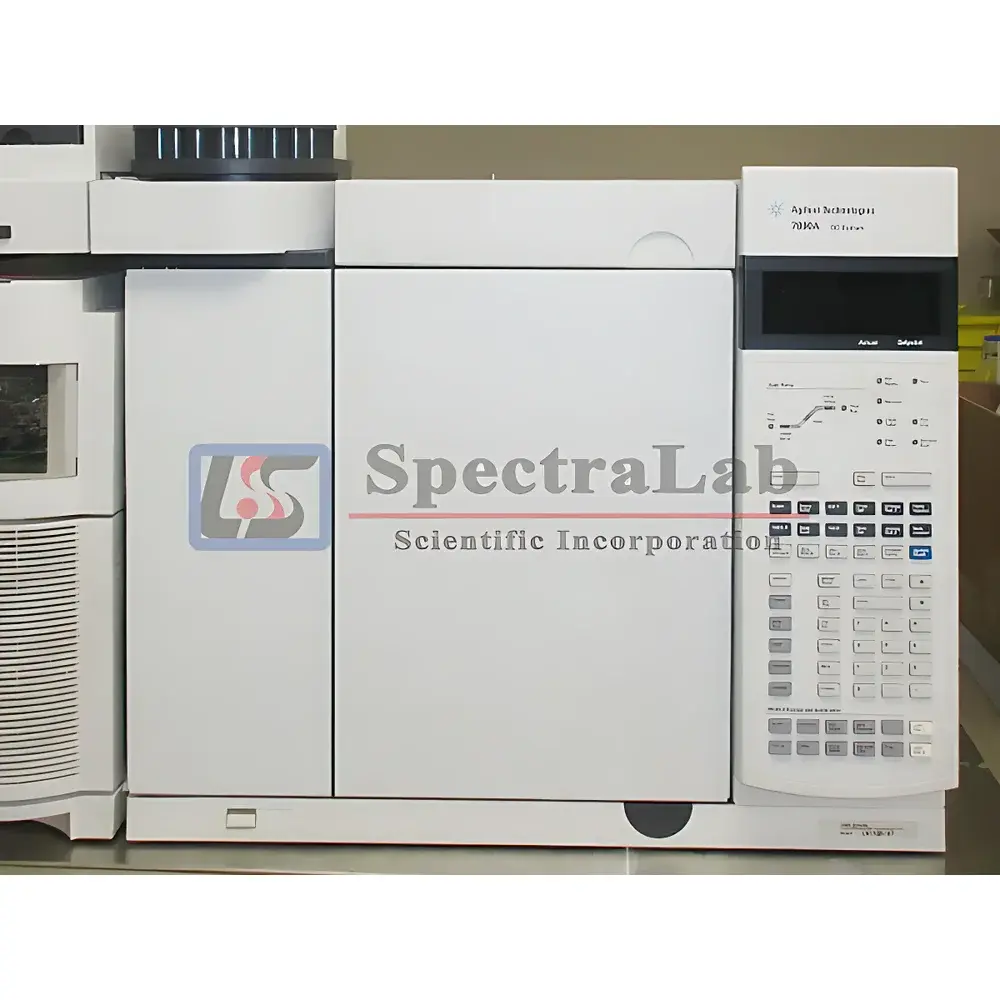
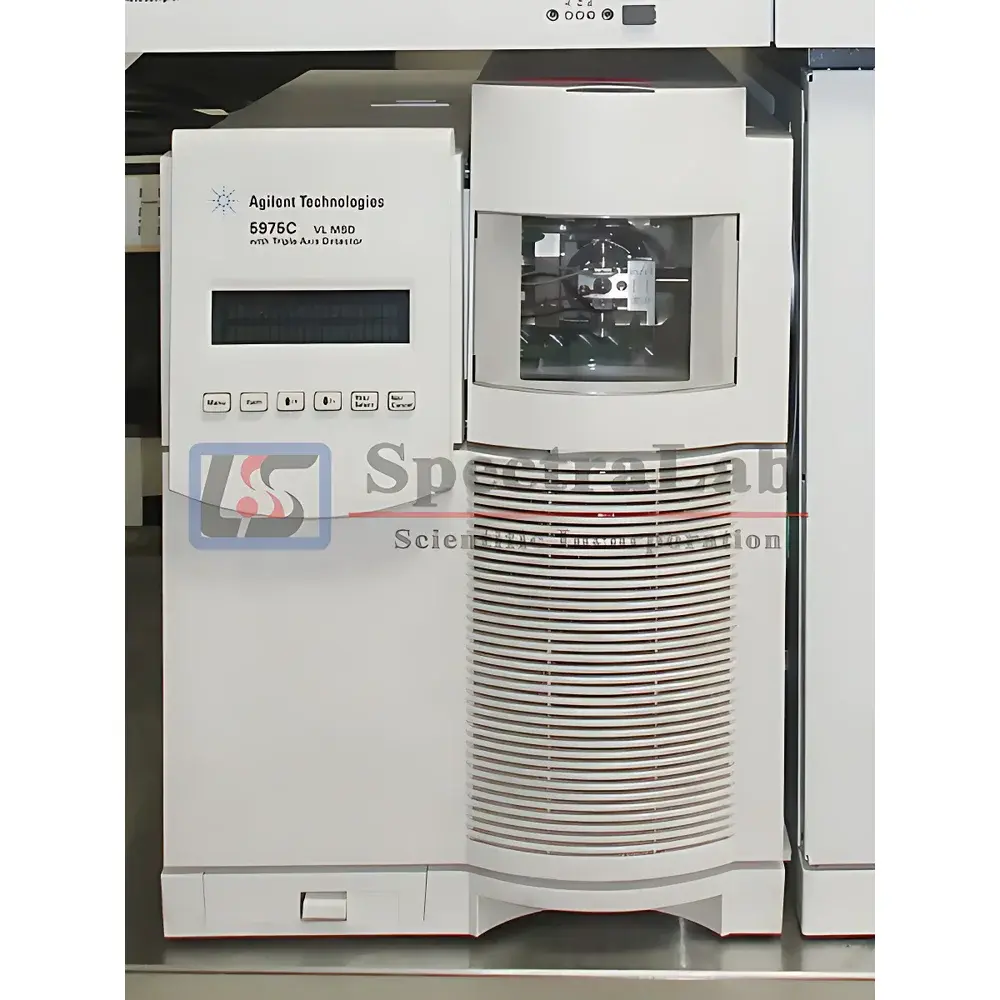
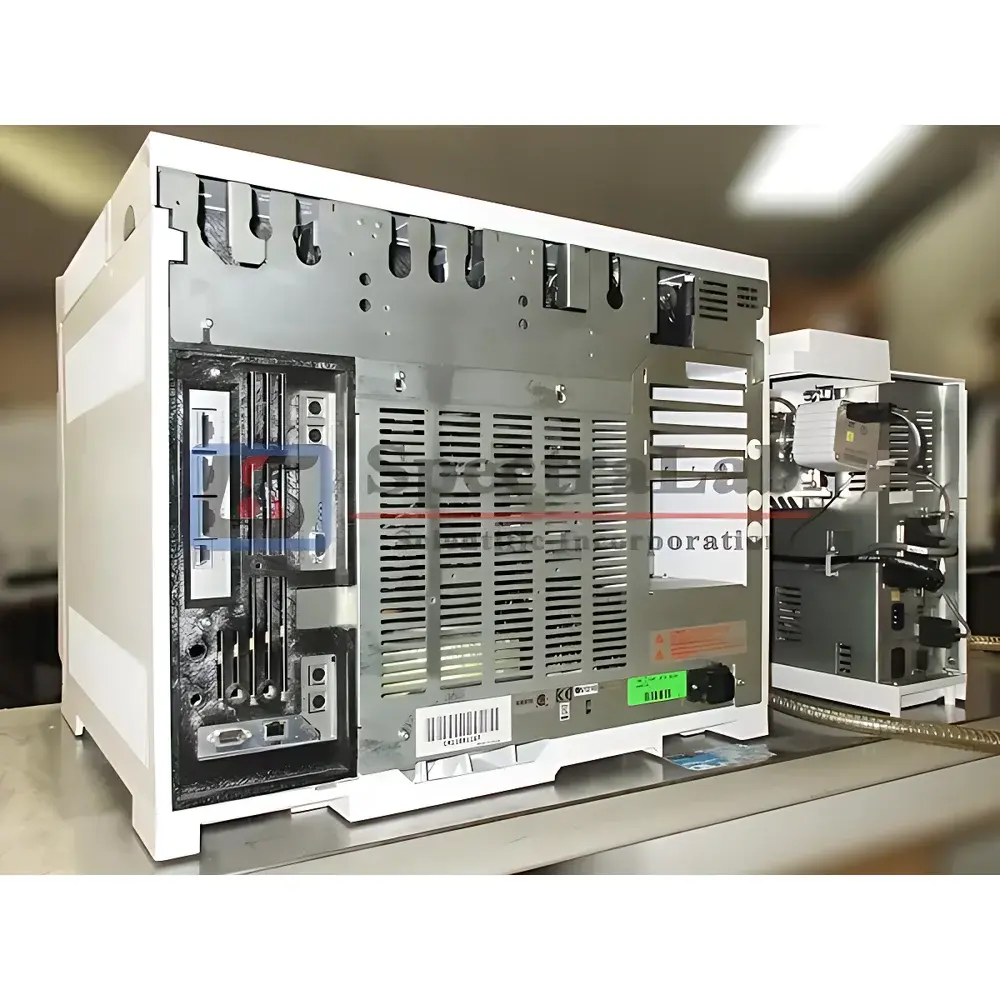
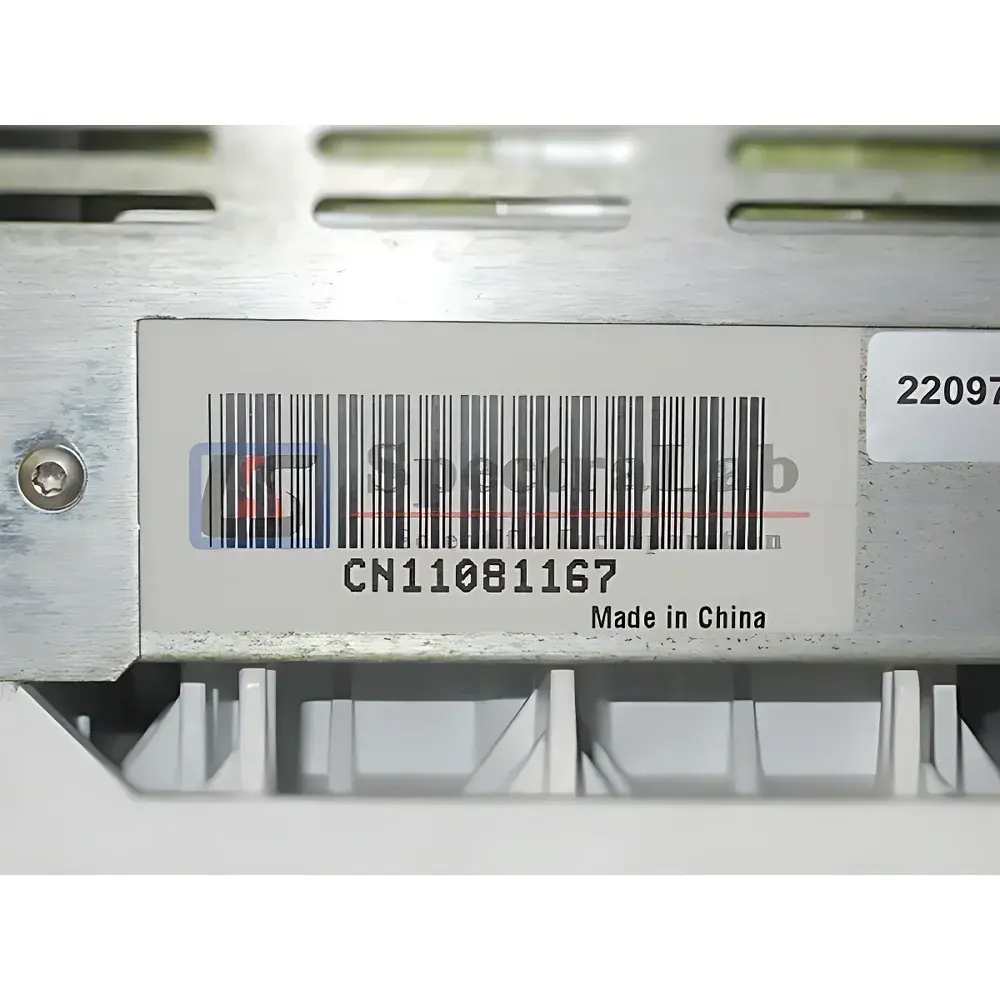
Agilent 7890A-5975C Gas Chromatography Mass Spectrometry (GC-MS) System
| Brand | Agilent Technologies |
|---|---|
| Origin | USA |
| Model | 7890A-5975C |
| Mass Range | 1–1050 u |
| Scan Rate | 12,500 u/s |
| Sensitivity | 20 pg/μL octafluoronaphthalene (OFN), S/N ≥ 10:1 at m/z 272 |
| Ion Source Temperature | Up to 300 °C |
| Quadrupole | Heated dual-curved rod assembly |
| Carrier Gas Compatibility | Helium, Hydrogen, Nitrogen |
| Software | MSD ChemStation with Deconvolution Reporting Software (DRS), Retention Time Locking (RTL), Capillary Flow Technology support |
| Warranty | 90-day parts and labor |
Overview
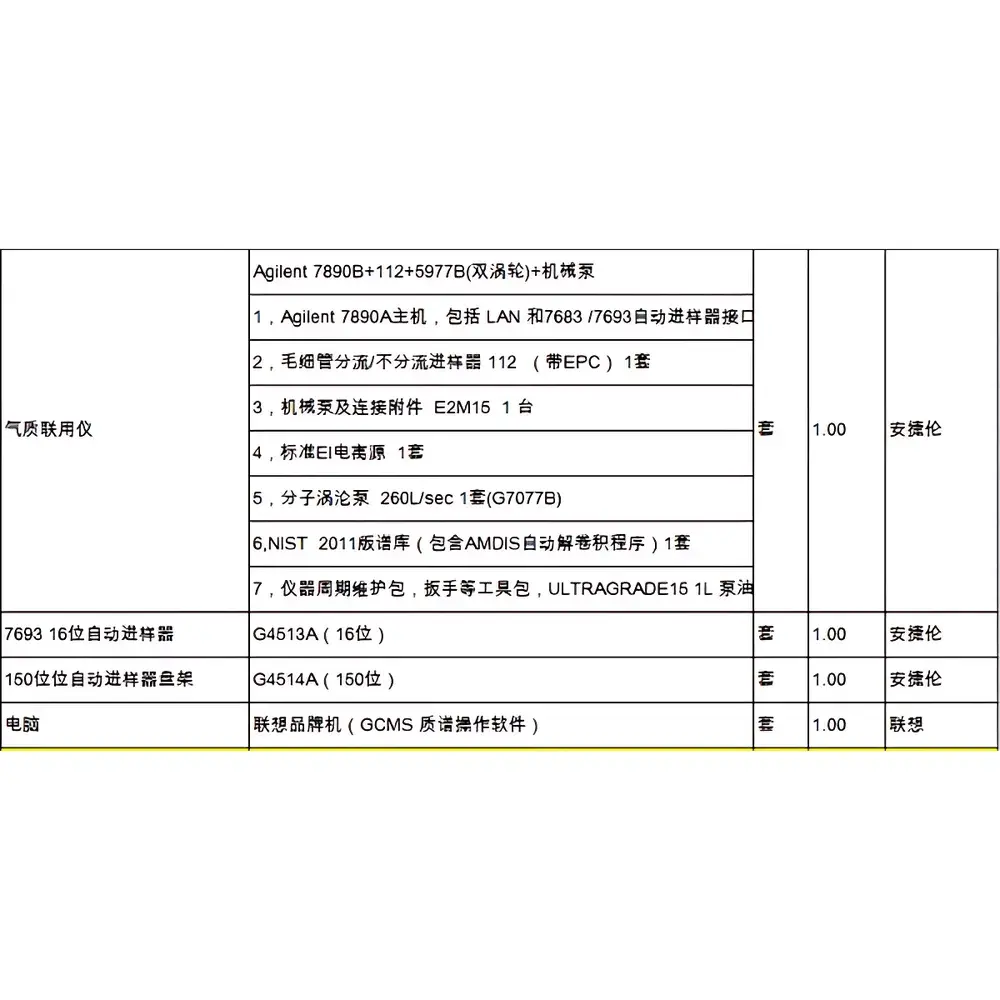
The Agilent 7890A-5975C GC-MS system is a high-performance, benchtop gas chromatography mass spectrometry platform engineered for precise qualitative and quantitative analysis of volatile and semi-volatile organic compounds (boiling point < 300 °C). It integrates the robust, temperature-stable 7890A gas chromatograph—featuring advanced electronic pressure control (EPC), split/splitless injection, and optional microplate flow technology—with the 5975C Mass Selective Detector (MSD), which employs a true heated dual-curved quadrupole mass analyzer and an inert, high-temperature ion source. This architecture enables high ion transmission efficiency, low chemical noise, and exceptional reproducibility across extended operational cycles. Designed for routine laboratory environments—including environmental testing labs, pharmaceutical QC facilities, forensic chemistry units, and academic research groups—the system delivers reliable performance under GLP-compliant workflows and supports audit-ready data handling when configured with appropriate software licensing.
Key Features
- High-sensitivity detection enabled by the 5975C’s Trace Ion Detection (TID) mode, optimized for trace-level analytes in complex matrices such as soil extracts, wastewater, or biological fluids.
- Inert, high-temperature ion source operating up to 300 °C, minimizing adsorption and degradation of thermally labile or high-boiling compounds (e.g., PAHs, PCBs, pesticides).
- Heated dual-curved quadrupole mass filter with sealed, maintenance-free design—eliminates routine cleaning or realignment while sustaining mass resolution and peak shape integrity over time.
- Gain normalization tuning algorithm ensures consistent response factors across instrument recalibrations and multi-day acquisition sessions, enhancing inter-batch data comparability.
- Retention Time Locking (RTL) functionality enables method transfer between instruments and laboratories without re-optimization, supporting method validation and regulatory compliance (e.g., EPA Method 8270, ASTM D7622).
- Deconvolution Reporting Software (DRS) with embedded library of 926 DRS-verified compounds facilitates automated component identification in co-eluting peaks, reducing manual interpretation burden.
- Capillary Flow Technology (CFT) compatibility allows simultaneous acquisition from multiple detectors or column configurations—including backflush, heart-cutting, or parallel column setups—without hardware modification.
Sample Compatibility & Compliance
The 7890A-5975C accommodates a broad range of sample introduction methods via standard GC interfaces, including split/splitless injectors, programmable temperature vaporizers (PTV), headspace samplers (e.g., Agilent 7697A), and purge-and-trap concentrators (e.g., Agilent 4560 or Tekmar Atomx). Its mass spectral fidelity meets requirements for regulatory submissions under US EPA, ISO 17025-accredited testing, and pharmaceutical impurity profiling per ICH Q2(R2). When operated with ChemStation software configured for audit trail and electronic signature support, the system satisfies FDA 21 CFR Part 11 requirements for data integrity in GMP environments.
Software & Data Management
Controlled exclusively via Agilent MSD ChemStation (Rev. E.02.02 or later), the system provides full acquisition, processing, reporting, and library search capabilities. The software includes built-in tools for spectral deconvolution, compound quantitation using internal/external standards, and customizable report templates compliant with LIMS integration protocols. Raw data files (.D format) are stored in vendor-neutral structures compatible with third-party review platforms. Optional upgrades include MassHunter Quantitative Analysis and OpenLab CDS for enhanced workflow automation and cross-platform instrument management.
Applications
This GC-MS configuration is routinely deployed for targeted and non-targeted analysis across multiple domains: environmental monitoring (e.g., VOCs in air/water per EPA TO-17, SVOCs in sediment per Method 8270); food safety screening (pesticide residues, flavor volatiles, packaging migrants); clinical toxicology (drugs of abuse, metabolites in urine/blood); polymer additive profiling (plasticizers, antioxidants, flame retardants); and petrochemical fingerprinting (hydrocarbon distribution, biomarker analysis). Its sensitivity, dynamic range, and spectral reliability make it suitable for both routine QA/QC and exploratory research applications.
FAQ
Is this unit refurbished or used?
This is a pre-owned Agilent 7890A-5975C system that has undergone full functional verification, leak testing, and performance qualification at SpectraLab Scientific’s ISO 9001-certified facility. All critical components—including inlet seals, column ferrules, ion source parts, and detector electronics—have been inspected and replaced where necessary.
What warranty is included?
A comprehensive 90-day limited warranty covering parts and labor is provided, effective from the date of shipment. Extended service plans and annual maintenance contracts are available upon request.
Can this system be validated for regulated use?
Yes—when equipped with appropriate software licenses (e.g., ChemStation with 21 CFR Part 11 option), documented IQ/OQ protocols, and calibrated reference standards, the system supports installation and operational qualification per GxP guidelines.
Are consumables and spare parts available?
All original Agilent consumables—including columns, septa, liners, filaments, and ion source components—are readily available through authorized distributors and remain supported under Agilent’s global parts lifecycle policy.
Does it support hydrogen carrier gas?
Yes—the 7890A GC module supports helium, hydrogen, and nitrogen as carrier gases. Hydrogen operation enables faster analysis times and improved resolution for many compound classes, subject to proper method revalidation.