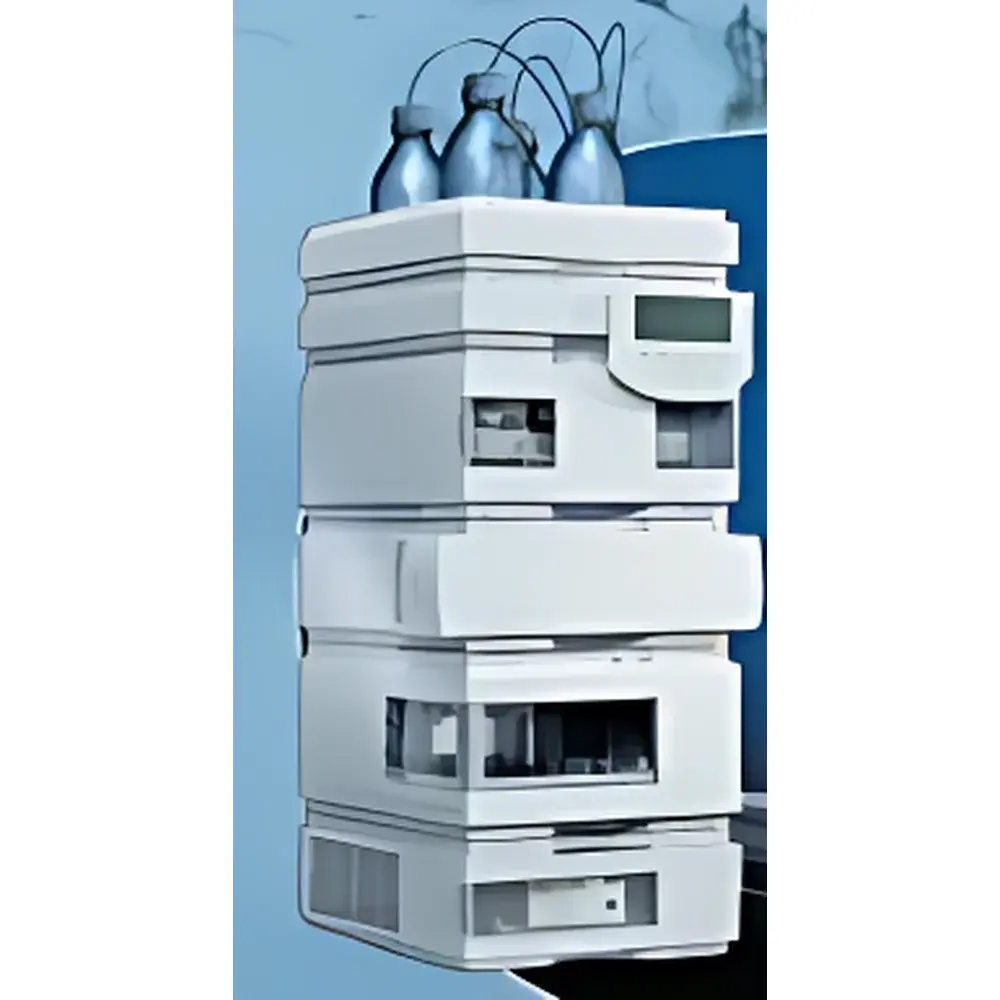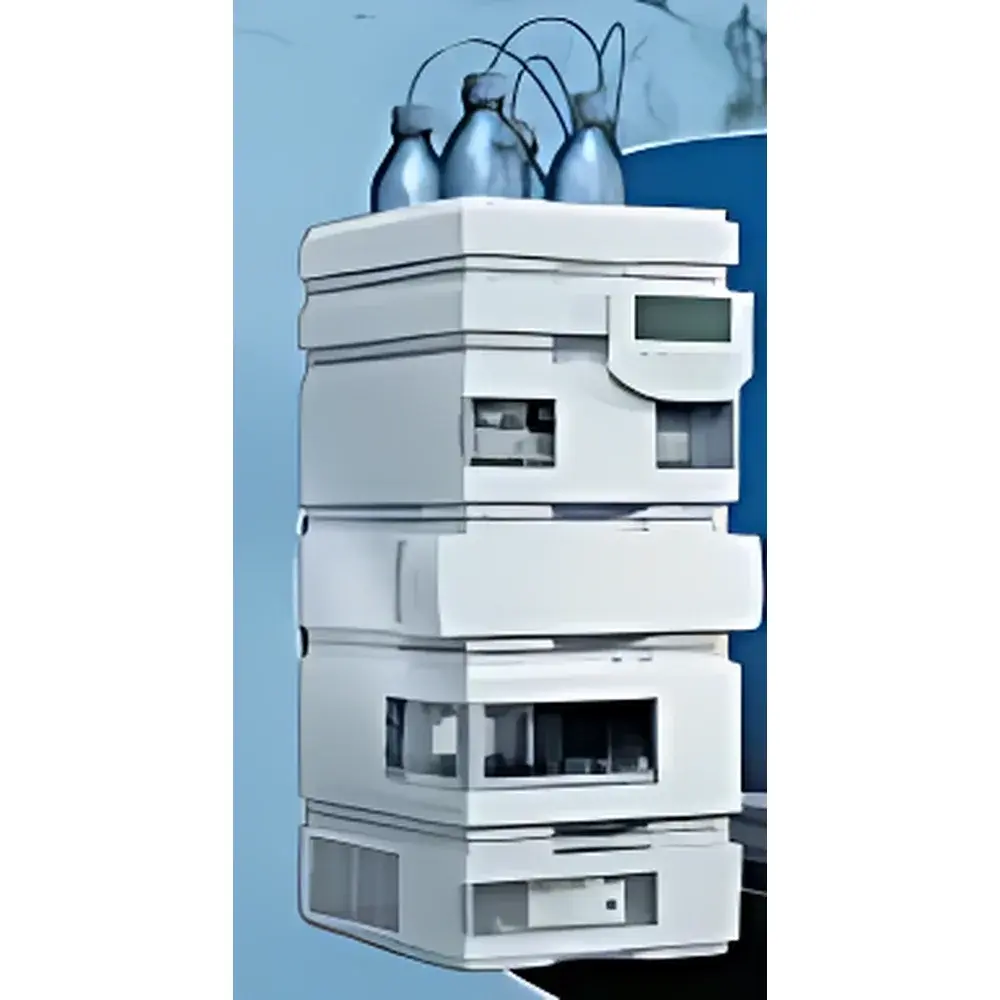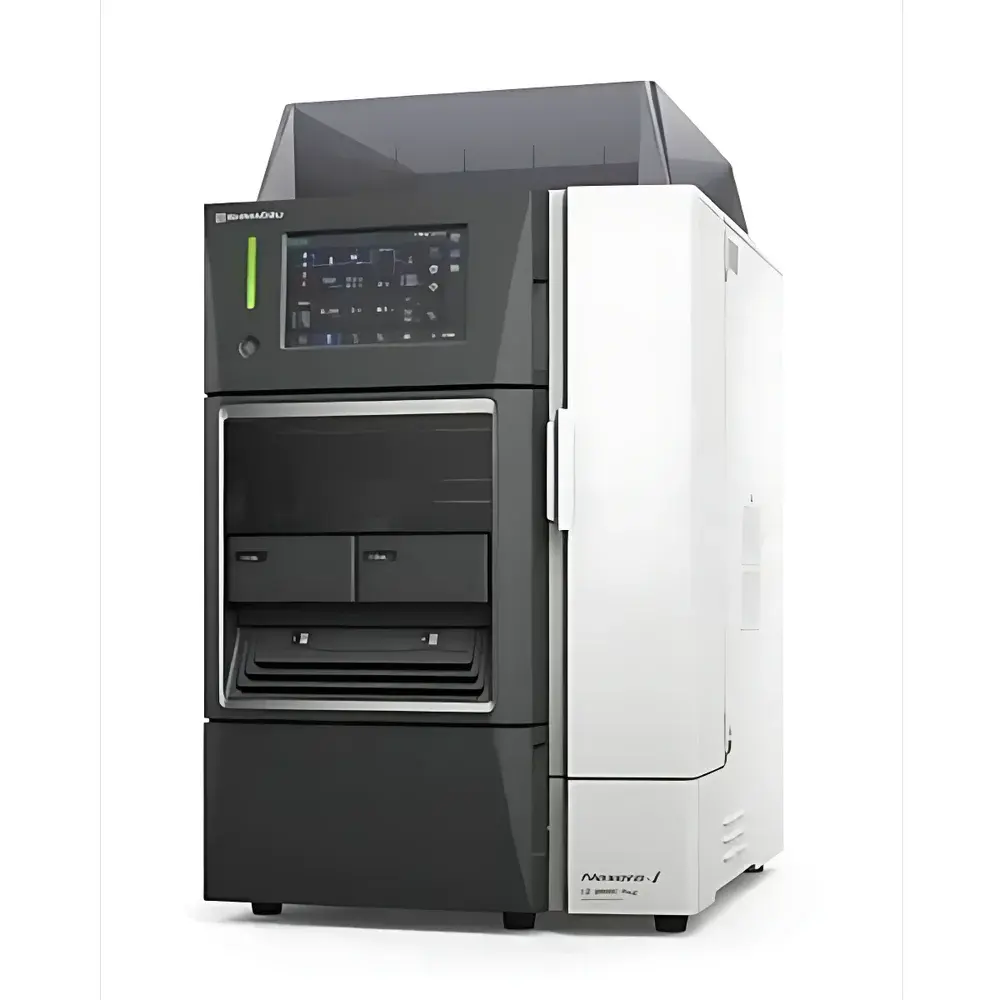
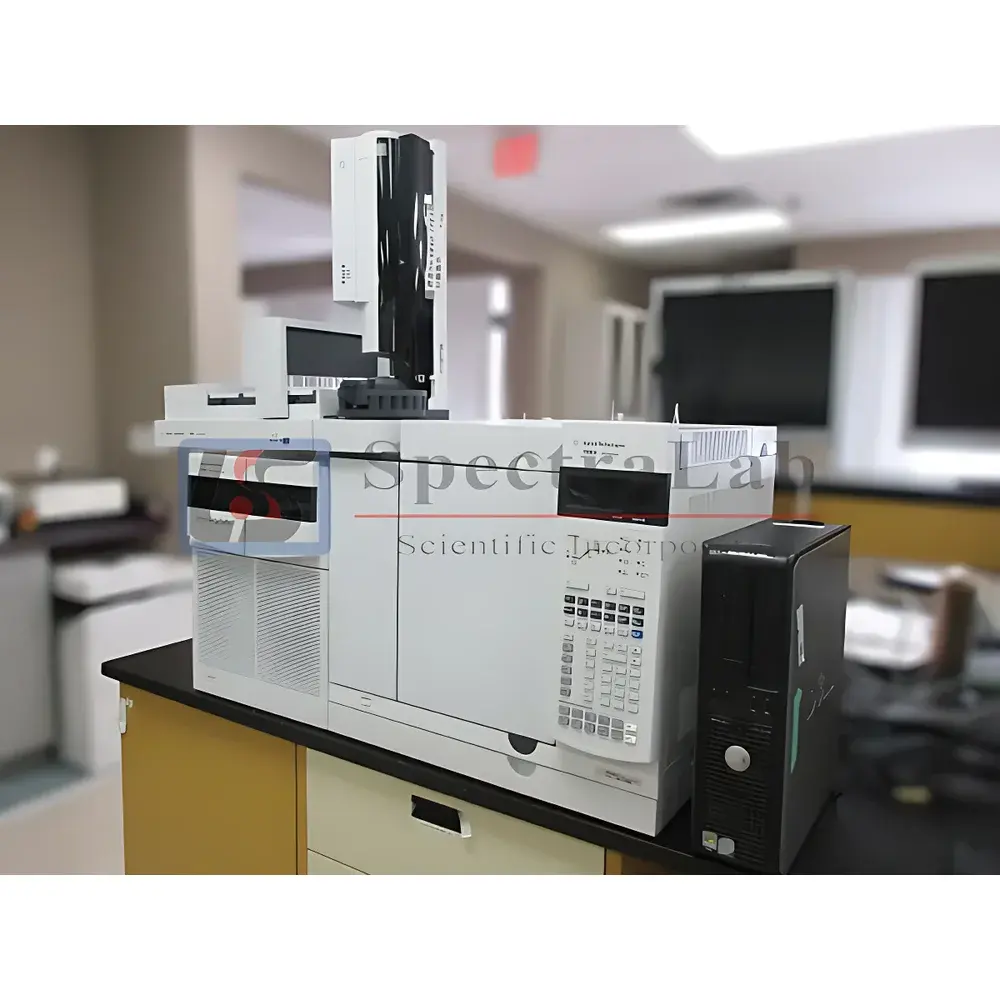
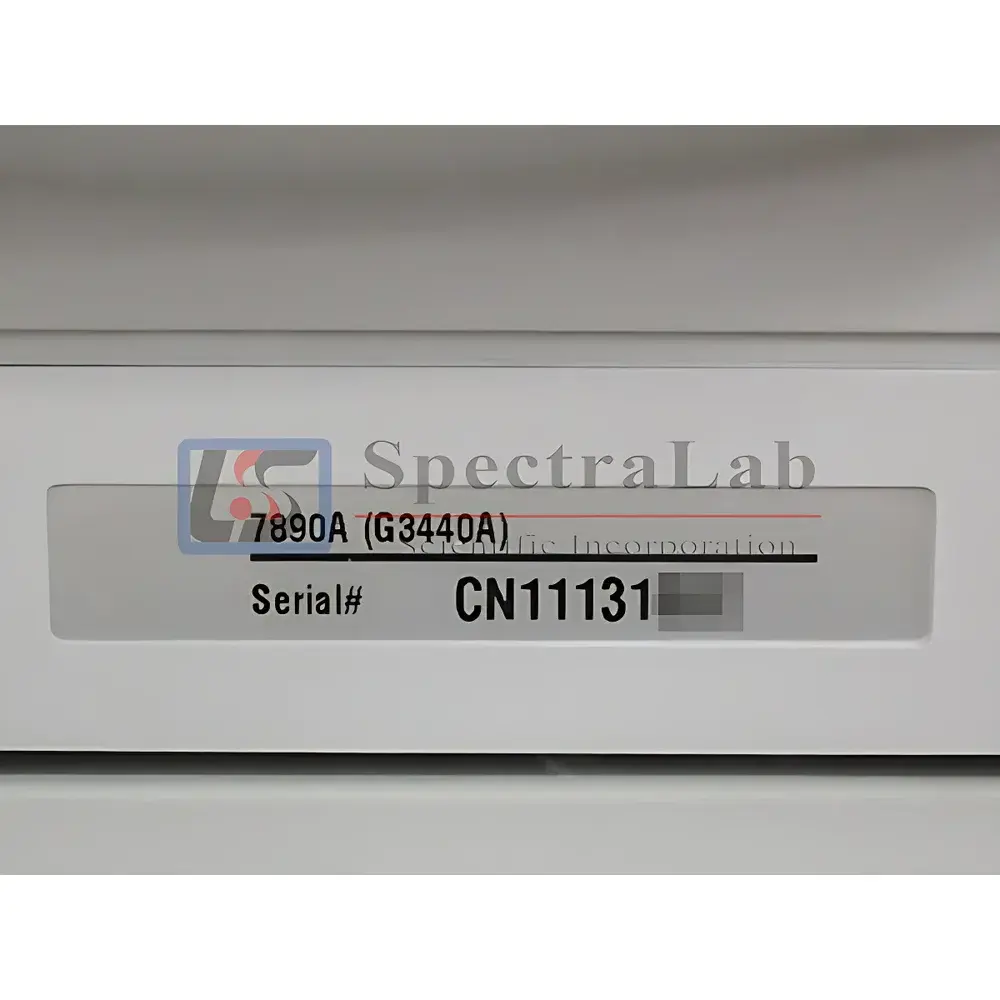
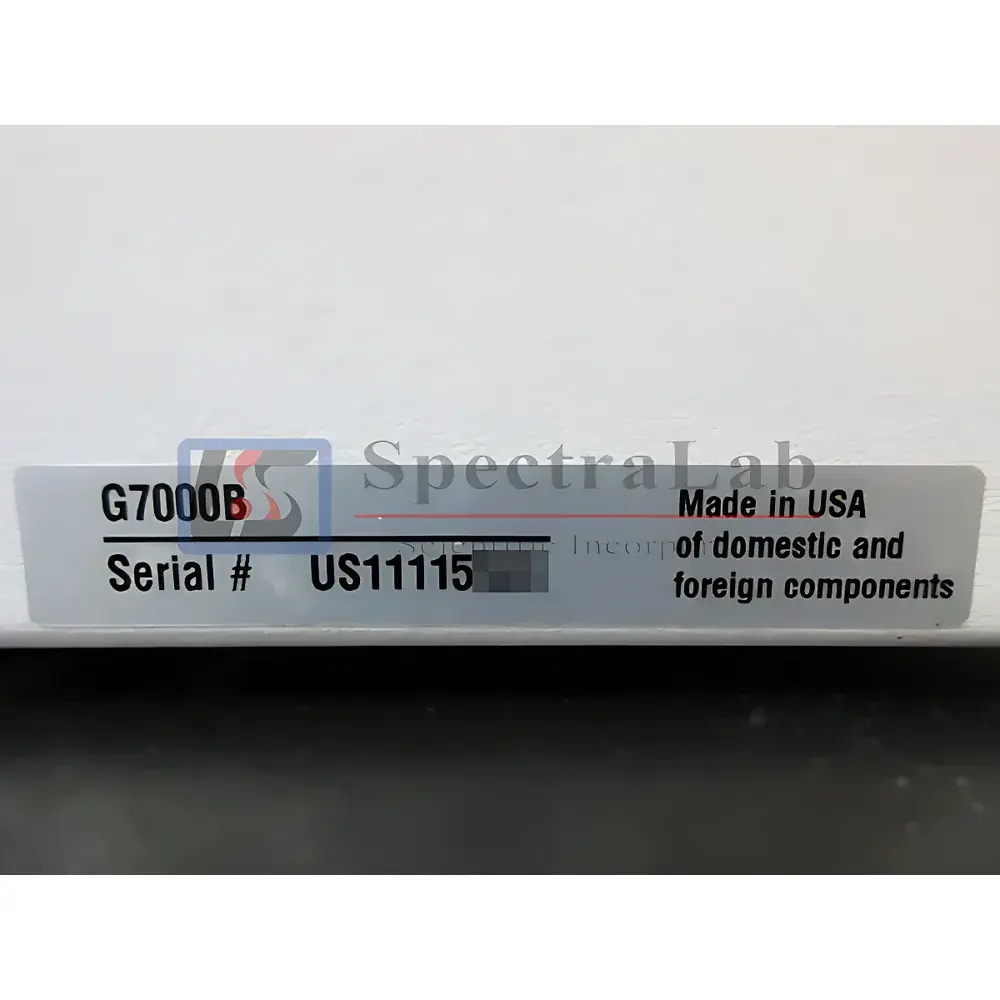
Agilent 7890A-7000B Triple Quadrupole GC/MS System
| Brand | Agilent Technologies |
|---|---|
| Origin | USA |
| Manufacturer Type | Authorized Distributor |
| Origin Category | Imported |
| Model | 7890A-7000B |
| Product Category | Mass Spectrometer |
| Operational Age | 4 years |
| Warranty | None |
| Price Range | USD $38,000–$64,000 (FOB) |
| Software Platform | MassHunter Workstation v10.x or later |
Overview
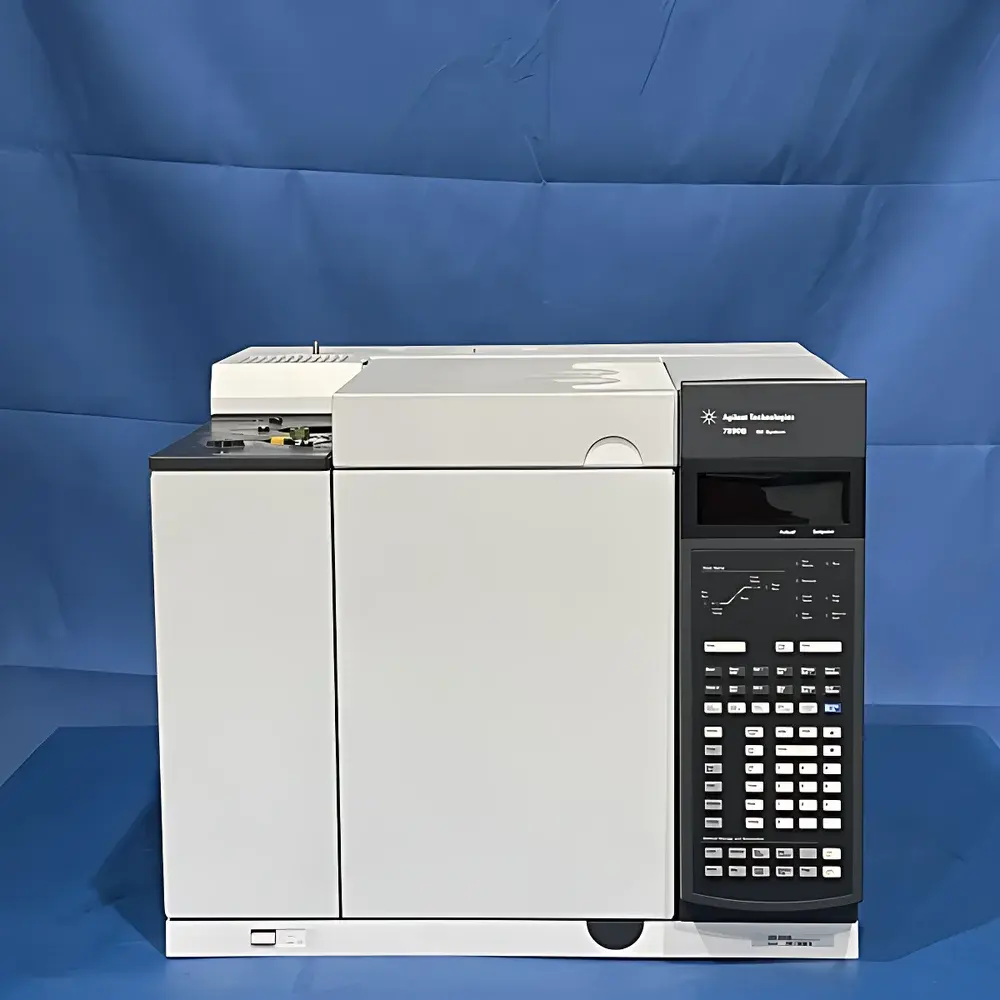
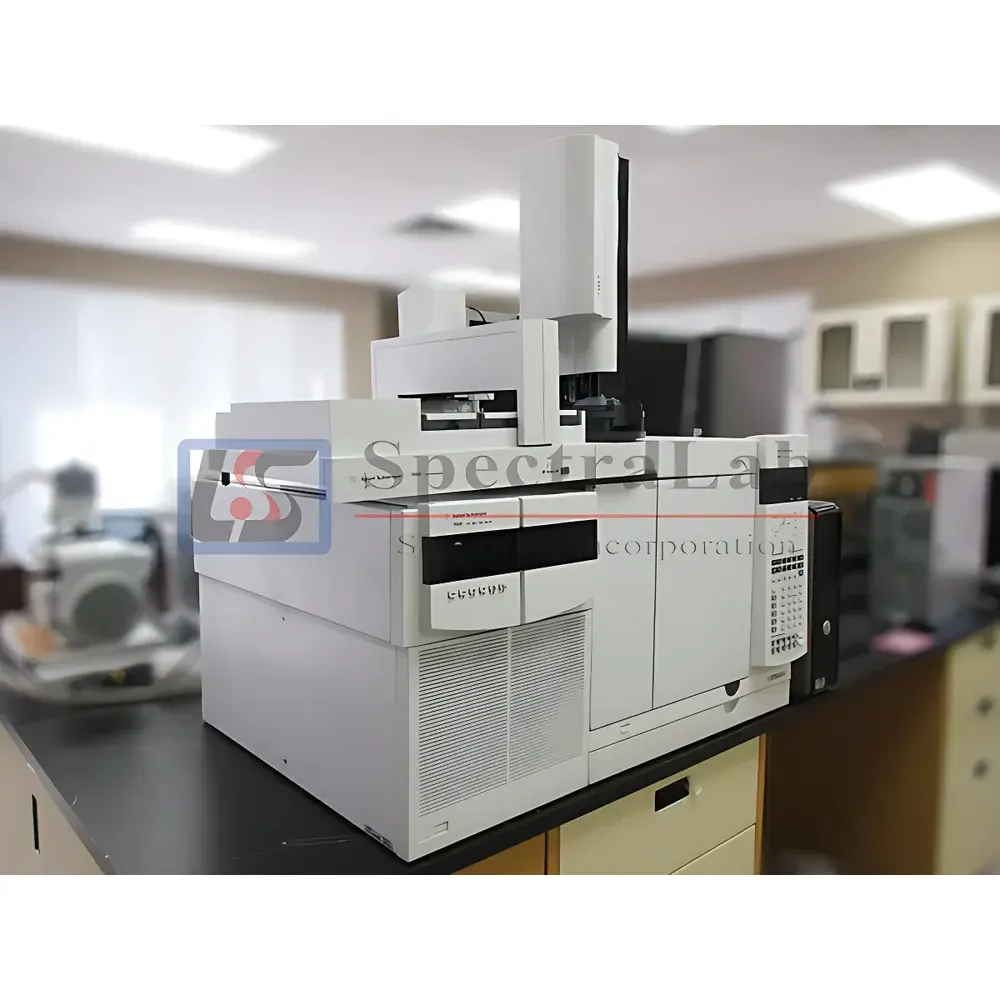
The Agilent 7890A-7000B Triple Quadrupole GC/MS System is a pre-owned, rigorously validated benchtop analytical platform engineered for quantitative trace analysis in regulated and research environments. It integrates the Agilent 7890A Gas Chromatograph—a robust, temperature- and pressure-programmable GC with electronic pneumatic control (EPC)—with the Agilent 7000B Triple Quadrupole Mass Spectrometer, which employs collision-induced dissociation (CID) in a QqQ configuration to deliver selective reaction monitoring (SRM) and multiple reaction monitoring (MRM) capabilities. This architecture enables high-specificity detection of target analytes in complex matrices—such as environmental extracts, food residues, clinical biofluids, and pharmaceutical impurities—by isolating precursor ions in Q1, fragmenting them in the collision cell (q2), and detecting characteristic product ions in Q3. The system operates under vacuum conditions maintained by a dual-stage turbomolecular pump and is calibrated for mass accuracy within ±0.1 u and intensity reproducibility <5% RSD across repeated injections.
Key Features
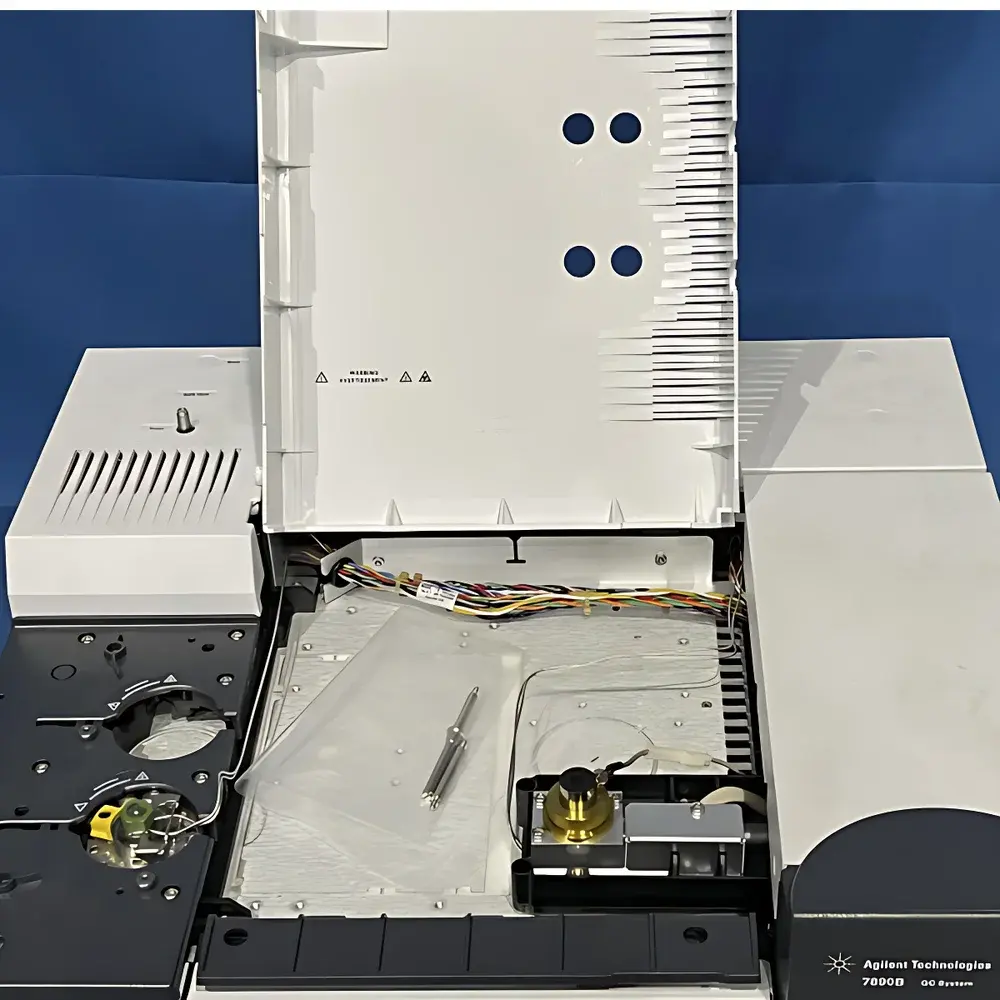
- GC front-end: Agilent 7890A featuring split/splitless injection, programmable temperature vaporizing (PTV) injector compatibility, and support for up to two independent detectors
- MS core: Agilent 7000B triple quadrupole mass spectrometer with high-transmission ion optics, low-noise electron multiplier detector, and fast polarity switching (≤500 ms)
- Dynamic range: >5 orders of magnitude for SRM transitions, enabling quantitation from sub-pg to ng levels on-column
- Scan speed: Up to 600 MRM transitions per second, supporting multi-analyte workflows without compromising dwell time or sensitivity
- Ion source: Removable, bakeable EI/CI source with auto-tune capability and filament current regulation for extended lifetime
- Hardware validation: Fully tested at SpectraLab Scientific per ASTM E1657-21 (Standard Practice for Validation of Analytical Methods) including retention time stability, peak area precision, and SRM signal-to-noise ratio verification
Sample Compatibility & Compliance
The 7890A-7000B accommodates volatile and semi-volatile organic compounds with boiling points up to ~350 °C and molecular weights typically below 650 Da. It supports standard 0.25–0.32 mm ID capillary columns (e.g., DB-5ms, HP-5MS, VF-17ms) and is compatible with derivatization protocols for polar analytes (e.g., silylation, acylation). The system meets essential regulatory requirements for GLP and GMP laboratories: MassHunter software supports 21 CFR Part 11-compliant audit trails, electronic signatures, and user-access controls when configured with appropriate IT infrastructure. Data files adhere to mzML 1.1 format for long-term archival and third-party reprocessing. Instrument performance qualifies for compliance with EPA Method 8270D (semivolatiles), 8260C (VOCs), and ISO 17025:2017 clause 5.9 (method validation).
Software & Data Management
Acquisition, processing, and reporting are unified under Agilent MassHunter Workstation software (v10.0 or later), installed and pre-configured on the included Windows 10 Pro workstation. Key modules include Quantitative Analysis (for MRM method building, calibration curve fitting using linear/log-linear regression, and batch processing), Qualitative Analysis (for deconvolution and library searching against NIST/EPA/Agilent MS libraries), and Method Editor (for instrument parameter optimization). Raw data (.d files) are stored in a structured directory hierarchy with embedded metadata (injection sequence, tuning date, operator ID). Backups are performed automatically to external NAS or network drives; all configuration files and method templates are provided on encrypted USB media. No cloud-based services or telemetry are enabled by default.
Applications
This system is routinely deployed in environmental testing labs for pesticide residue screening in soil and water per EU SANTE/11312/2021 guidelines; in food safety programs for mycotoxin and veterinary drug quantification (e.g., chloramphenicol, sulfonamides); in forensic toxicology for benzodiazepine and opioid metabolite profiling; and in pharmaceutical QC for genotoxic impurity verification per ICH M7(R2). Its MRM specificity minimizes matrix interference in biological samples, reducing reliance on extensive sample cleanup (e.g., SPE, QuEChERS) and accelerating turnaround time. Laboratories performing ISO/IEC 17025-accredited testing use this platform for method transfer validation and routine proficiency testing.
FAQ
Is this unit covered by Agilent’s original factory warranty?
No. As a pre-owned instrument, it carries no Agilent factory warranty. However, SpectraLab Scientific provides a 90-day limited hardware warranty covering defects in materials and workmanship.
Has the mass spectrometer undergone vacuum integrity testing?
Yes. Base pressure was verified at ≤5 × 10⁻⁶ Torr after 12-hour pump-down; leak rate confirmed <1 × 10⁻⁸ atm·cc/sec using helium sniffer probe.
Can MassHunter be upgraded to the latest version?
Yes. The included license permits upgrades to MassHunter v11.x and beyond, subject to Agilent’s current support policy and hardware compatibility requirements.
What documentation accompanies the system?
Full delivery package includes: Factory calibration report, SpectraLab validation certificate (including tuning report, retention time reproducibility, and SRM sensitivity test results), MassHunter installation media, user manuals (PDF and printed), and complete set of consumables (column nuts, ferrules, septa, filaments).
Is remote diagnostics supported?
Yes—via secure, customer-configured VPN connection. SpectraLab engineers can perform preliminary troubleshooting and firmware updates remotely, contingent upon client network policies and firewall permissions.