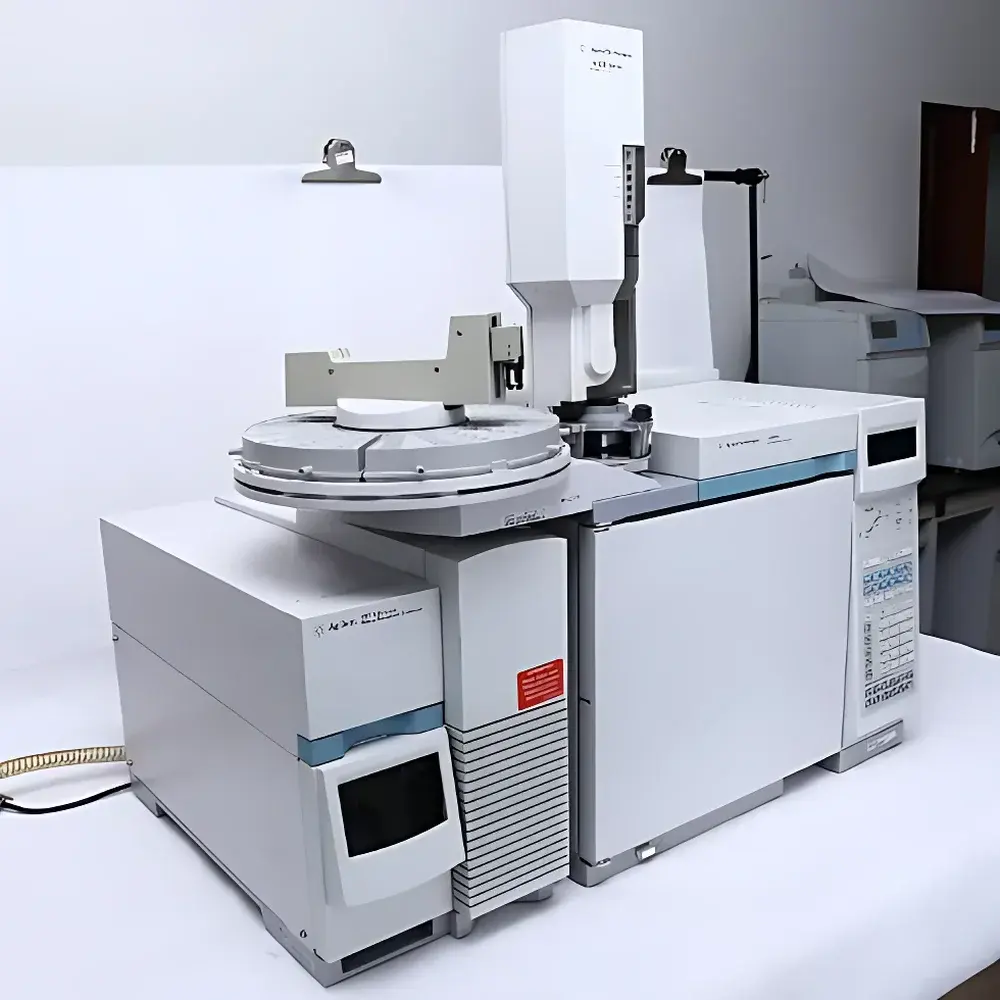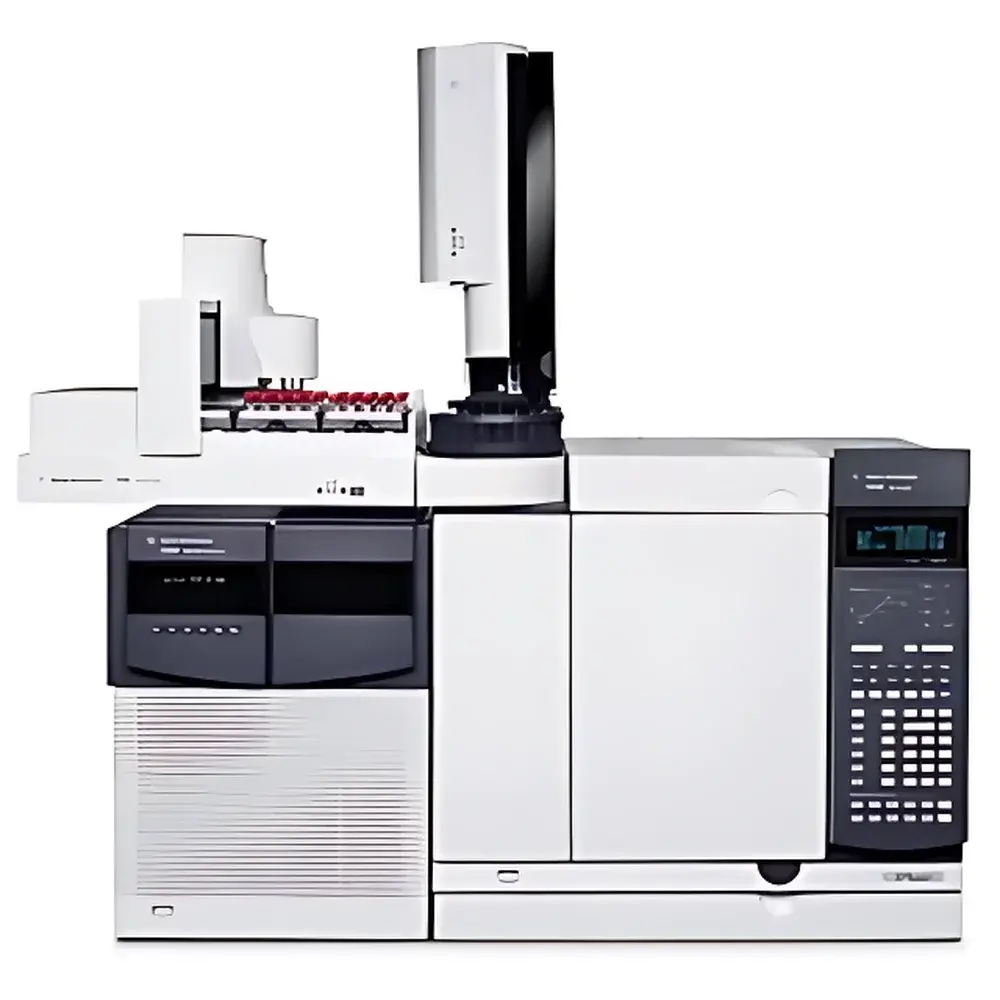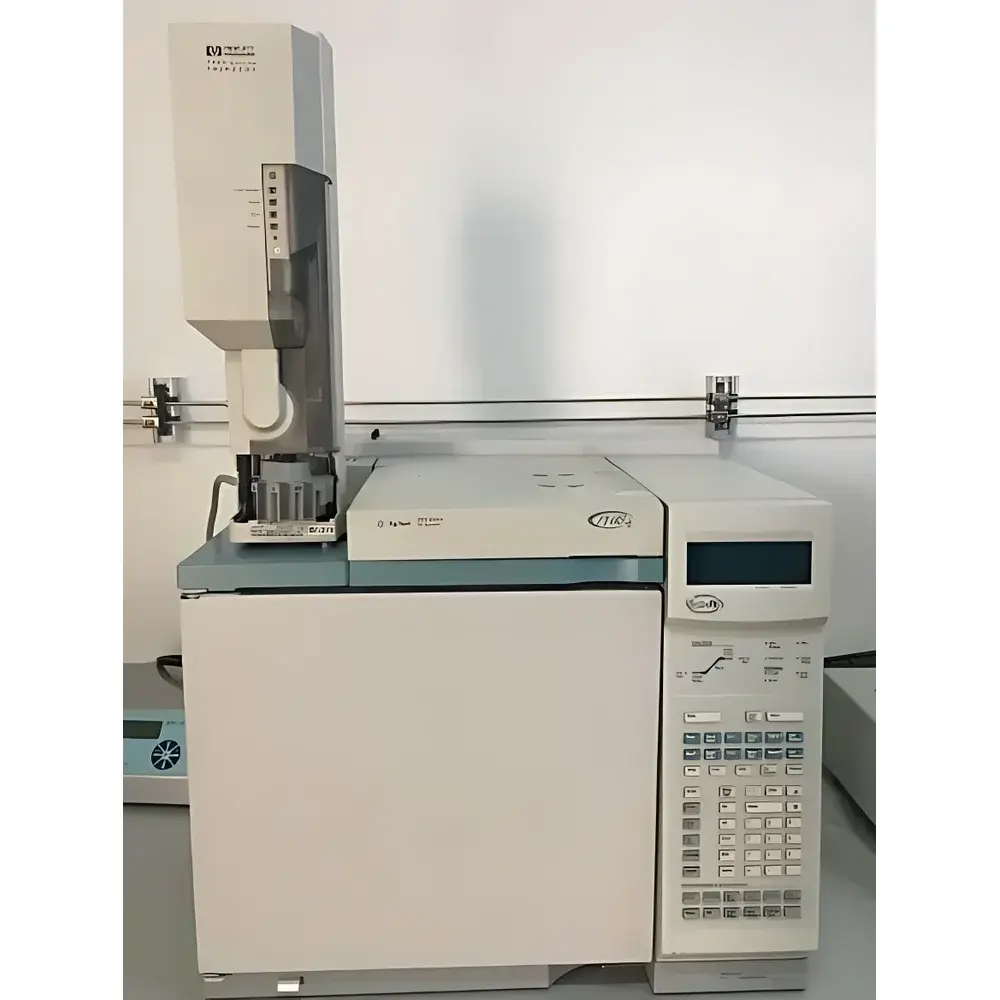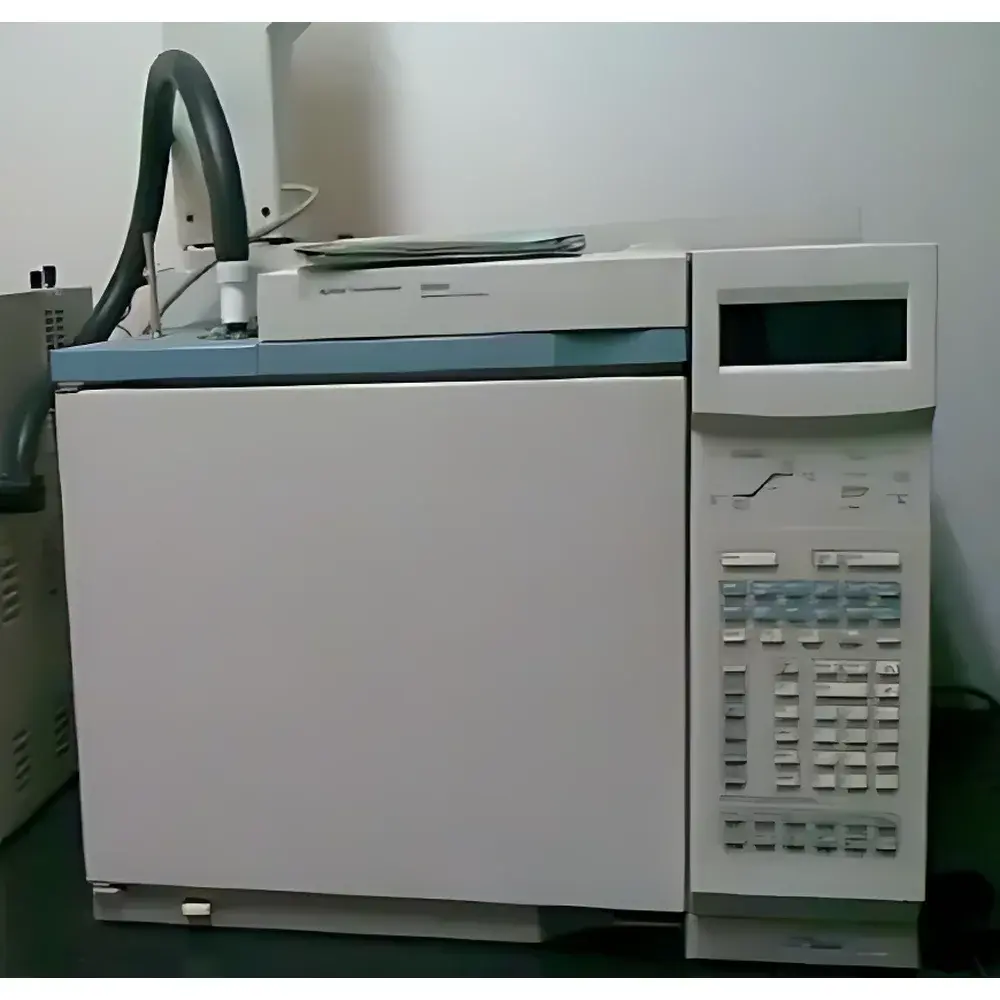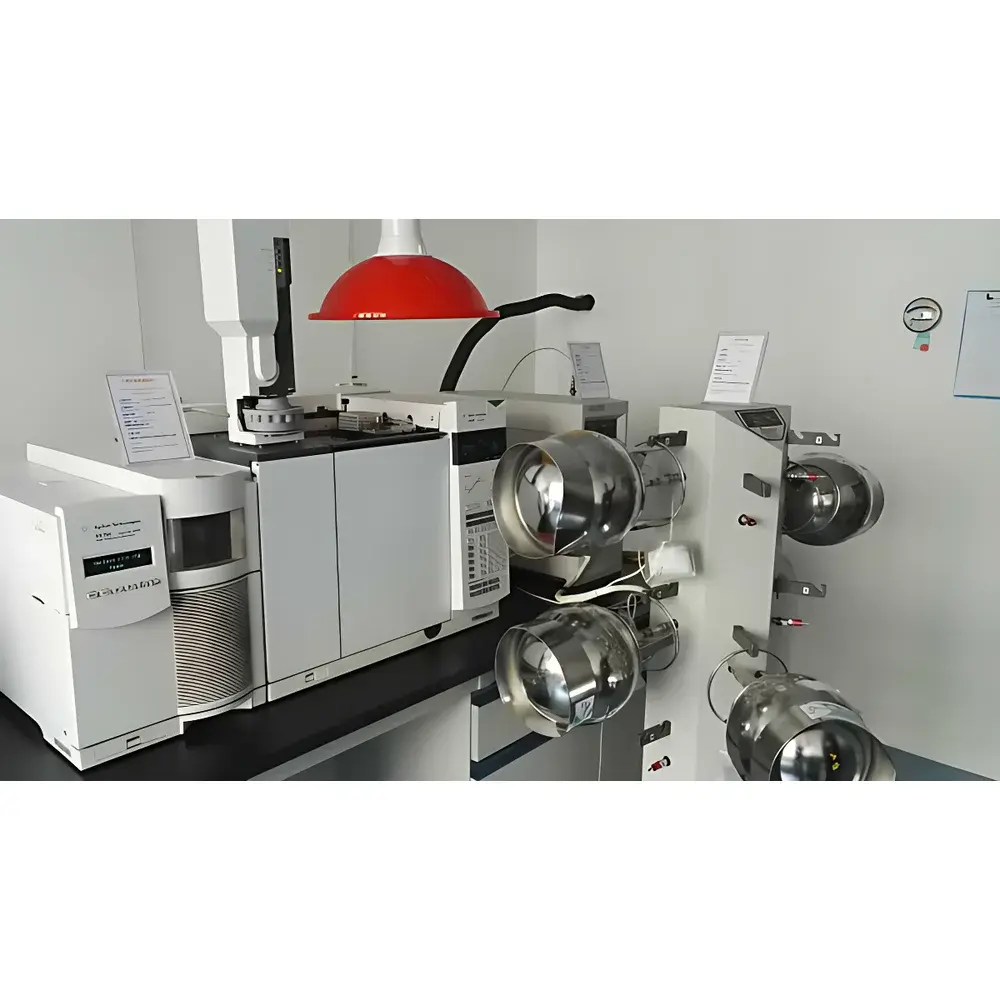
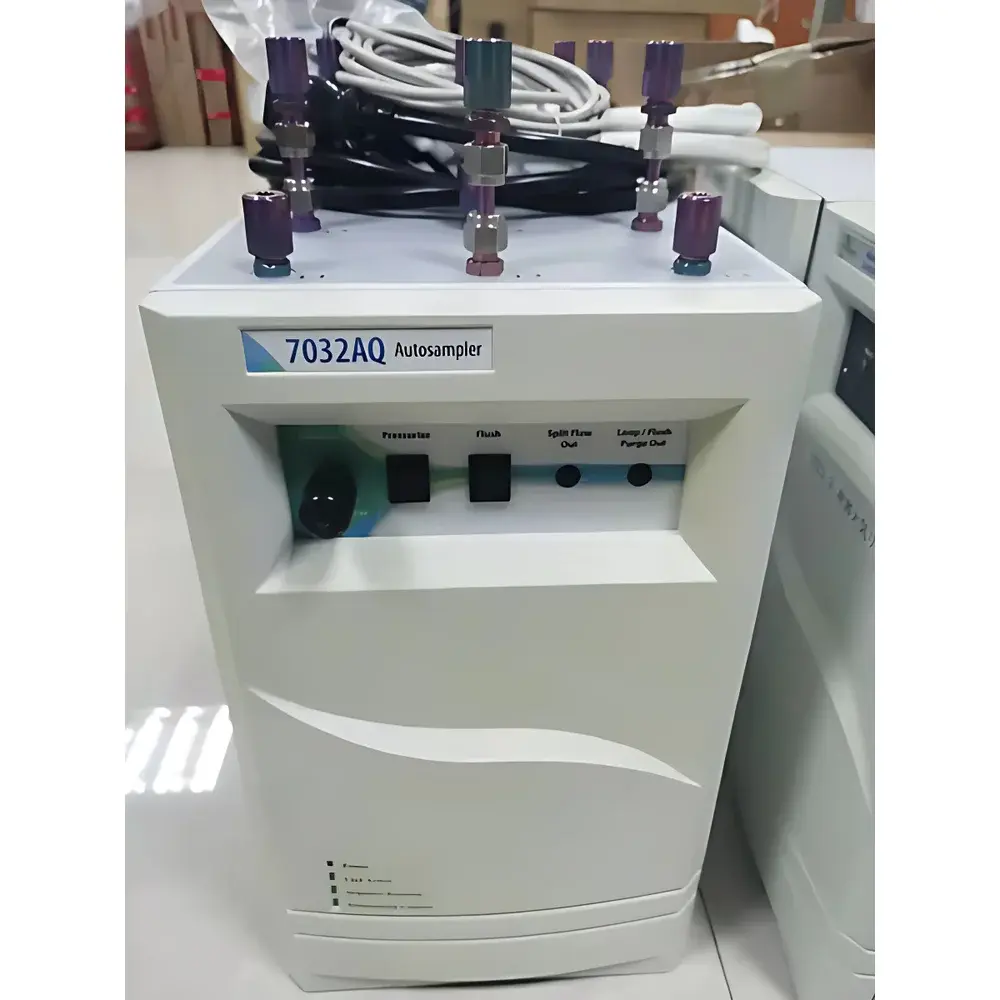
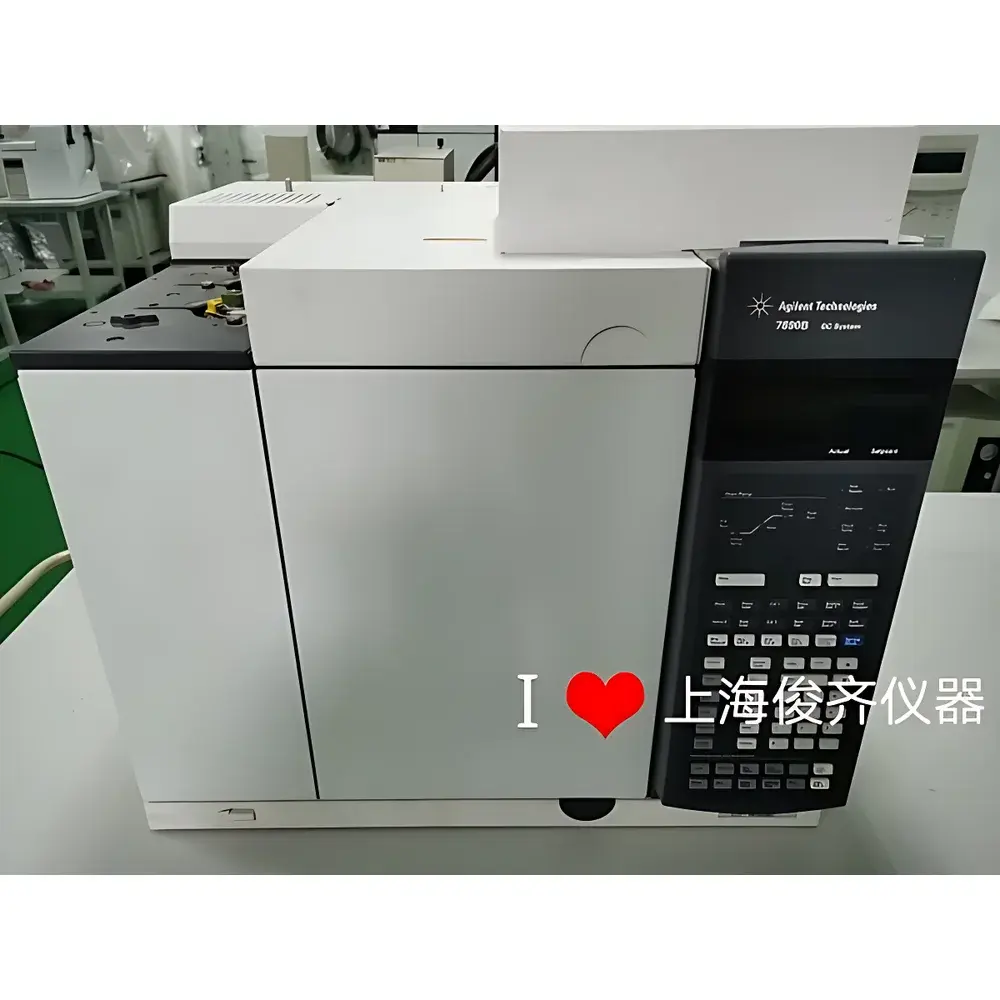
Agilent 7890B Gas Chromatograph with Entech 7100 Triple-Cold-Trap Preconcentrator for Odorants and Sulfur Compounds in Ambient Air
| Key | Brand: Agilent |
|---|---|
| Model | 7890B GC + Entech 7100 |
| Origin | Shanghai, China (Distributed by Junqi Instruments) |
| Detector | FPD (Sulfur-Selective) |
| Column | GS-GasPro, 30 m × 0.32 mm |
| Preconcentration System | Entech 7100 + 7032 Autosampler |
| Software | Agilent GC ChemStation + Entech Preconcentrator Control Suite |
| Warranty | 1 year |
| Operational Age | 3 years |
| Compliance | EPA TO-14, TO-15, ASTM D5504, USP <467> |
| Sample Matrix | Ambient air, canister/bag samples, humid up to 100% RH |
| Detection Range | Sub-ppbv for H₂S, CH₃SH, DMS, COS, CS₂ |
Overview
The Agilent 7890B Gas Chromatograph integrated with the Entech 7100 Triple-Cold-Trap Preconcentrator constitutes a validated, field-deployable analytical platform engineered for trace-level quantification of odor-causing volatile organic compounds (VOCs) and reactive sulfur species—including hydrogen sulfide (H₂S), methyl mercaptan (CH₃SH), dimethyl sulfide (DMS), carbonyl sulfide (COS), and carbon disulfide (CS₂)—in ambient air. This configuration leverages gas chromatography coupled with flame photometric detection (GC-FPD), where sulfur-containing analytes are combusted in a hydrogen-rich flame and emit characteristic 394 nm light, enabling selective, linear, and highly reproducible quantitation at sub-part-per-trillion (sub-pptv) levels. The system is purpose-built for compliance-driven environmental monitoring, meeting the stringent requirements of U.S. EPA Methods TO-14 and TO-15 for ambient air VOC analysis, as well as ASTM D5504 for reduced sulfur compounds in gaseous matrices.
Key Features
- Agilent 7890B GC platform with split/splitless SSL inlet and high-sensitivity FPD optimized for sulfur chemiluminescence detection
- Entech 7100 triple-stage cryogenic preconcentrator featuring inert SilcoNert®-coated flow paths, programmable cooling to –180 °C, and automated water/CO₂ removal via selective cold trapping
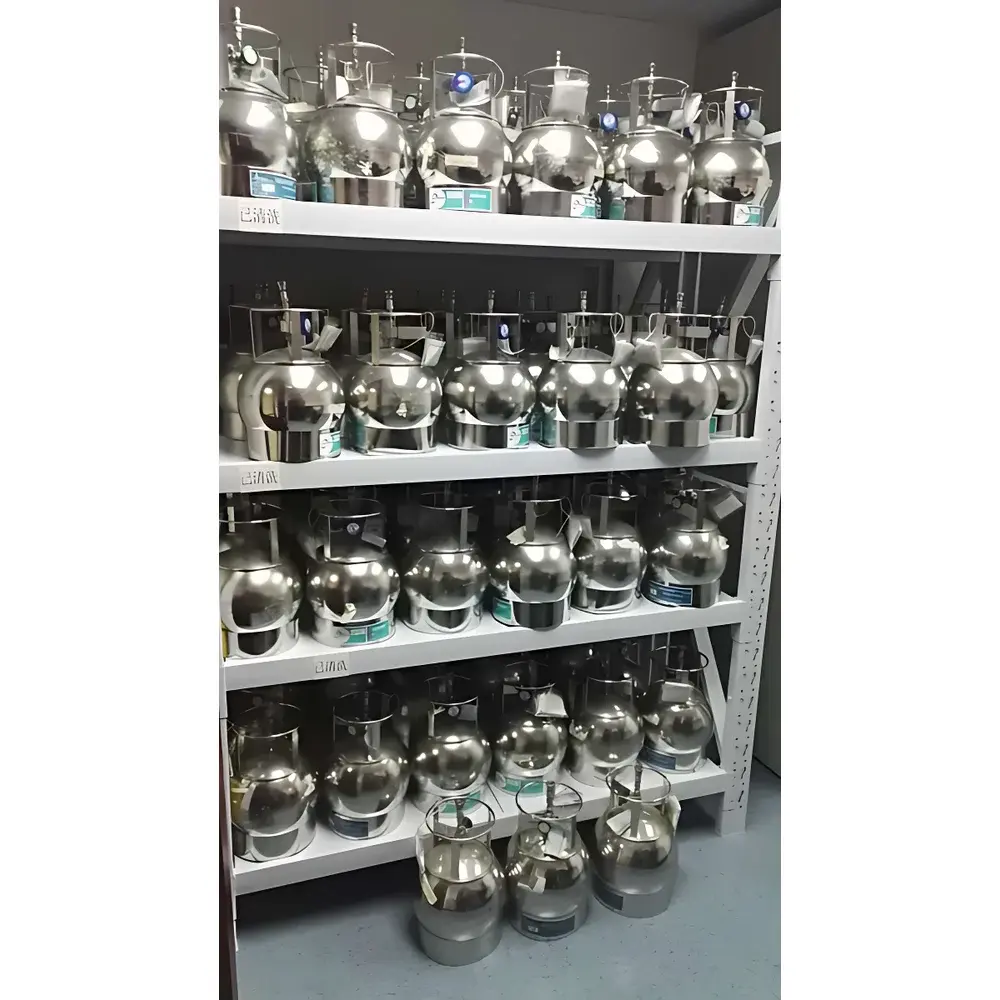
- Entech 7032 autosampler supporting dual 6-L SUMMA® canisters or Tedlar® bags; capable of multi-cycle sampling (10–2000 mL per analysis) with real-time pressure monitoring
- Integrated quantitative loop injection option enabling precise 0.25 mL sample introduction—critical for low-volume or high-humidity air samples
- Self-diagnostic architecture with automatic leak-check prior to analysis, QA/QC parameter logging (51 monitored parameters per run), and audit-ready event tracking
- Compact footprint (≤10-inch bench width) with modular expansion capability for simultaneous connection to two autosamplers or a purge-and-trap system
- Full Windows-based control environment (compatible with Windows 2000 through Windows 10 LTSB) with vendor-supported firmware and driver packages
Sample Compatibility & Compliance
This system accommodates diverse ambient air sampling media including electropolished stainless-steel SUMMA® canisters, fluorinated ethylene propylene (FEP) bags, and sorbent tubes. It maintains quantitative recovery across humidity ranges up to 100% relative humidity without chemical degradation or breakthrough, enabled by its patented water management algorithm and heated, inert transfer lines. Regulatory alignment includes full support for EPA Method TO-15 (determination of VOCs in ambient air by GC/MS or GC/FID/FPD), TO-14A (ambient air VOCs by GC/FID), and ASTM D5504 (determination of total reduced sulfur compounds). Data integrity meets GLP/GMP expectations through time-stamped method logs, electronic signatures (via optional 21 CFR Part 11-compliant software modules), and traceable calibration history.
Software & Data Management
Chromatographic acquisition and instrument control are managed through Agilent ChemStation Rev. C.01.07 or later, providing robust sequence scheduling, peak integration, and calibration curve generation. Entech’s proprietary preconcentrator software handles all cryofocusing parameters—including trap desorption ramp rates, valve timing, and thermal desorption profiles—with synchronized data export to ChemStation. All runs automatically archive QA/QC metrics (trap temperatures, flow rates, pressures, dwell times, and internal standard recoveries) into timestamped CSV files. Raw data files (.D directories) are structured for long-term archival and third-party reprocessing using OpenLab CDS or Chromeleon.
Applications
- Regulatory compliance monitoring near wastewater treatment plants, landfills, pulp and paper mills, and petrochemical facilities
- Odor impact assessment studies requiring speciated sulfur compound profiling at ambient background levels
- Method validation and reference laboratory intercomparisons under ISO/IEC 17025 frameworks
- Long-term trend analysis of atmospheric sulfur species linked to acid deposition modeling
- Source apportionment studies integrating GC-FPD data with meteorological and dispersion modeling outputs
FAQ
Is this system compliant with U.S. EPA Method TO-15?
Yes—the hardware configuration (7100 preconcentrator + 7890B GC + FPD) and operational protocols fully satisfy TO-15 requirements for sulfur compound analysis in ambient air, including mandatory QC checks, calibration verification, and reporting thresholds.
Can it analyze humid air samples without condensation artifacts?
Yes—its triple-cold-trap architecture actively removes water vapor prior to focusing, and the entire sample path is heated and passivated to prevent adsorption or hydrolysis of labile sulfur species.
What is the typical detection limit for hydrogen sulfide?
Under optimized conditions using 1 L ambient air and GS-GasPro column separation, the method detection limit (MDL) for H₂S is ≤0.08 ppbv (80 pptv), verified per 40 CFR Part 136 guidelines.
Does the system include full software licensing and updates?
The unit ships with perpetual licenses for Agilent ChemStation and Entech preconcentrator control software, including current maintenance releases available at time of delivery.
Is on-site installation and operator training included?
Yes—comprehensive commissioning, system verification (including retention time stability, detector linearity, and MDL confirmation), and hands-on user training are provided at no additional cost.
Related Products