
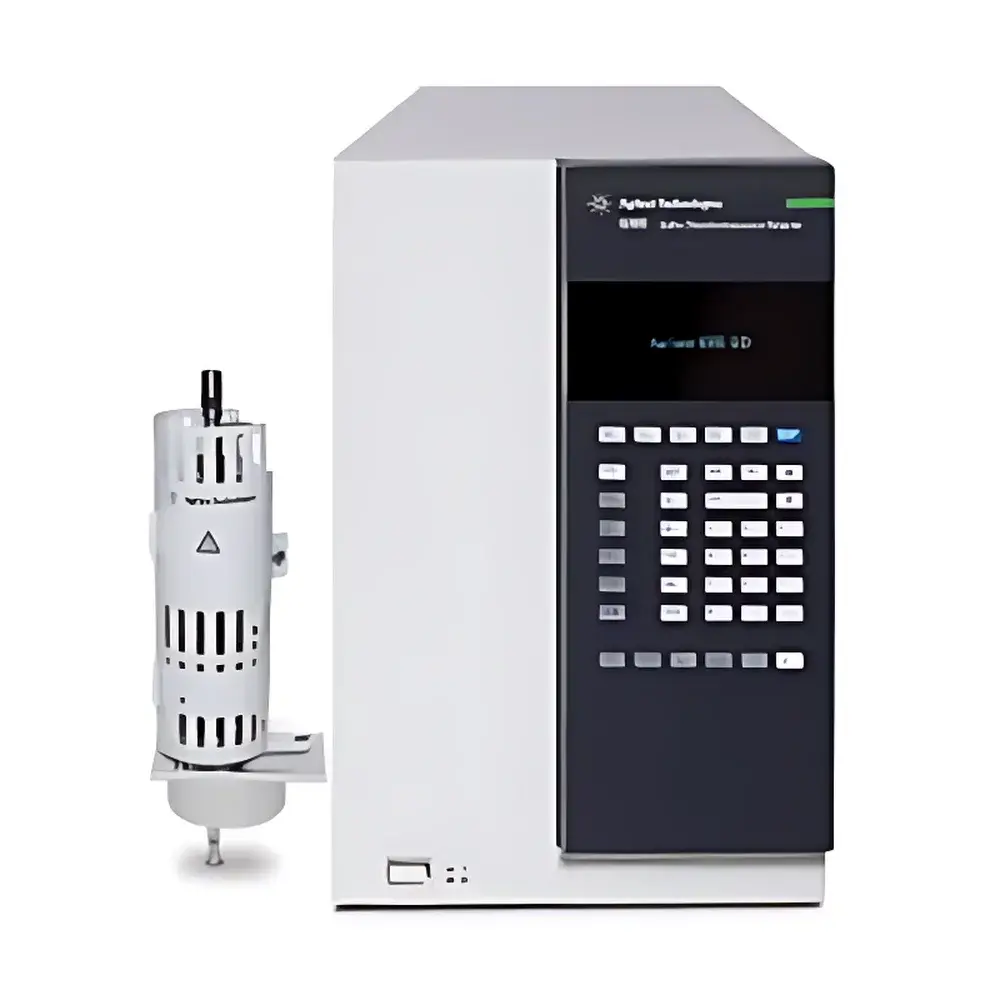
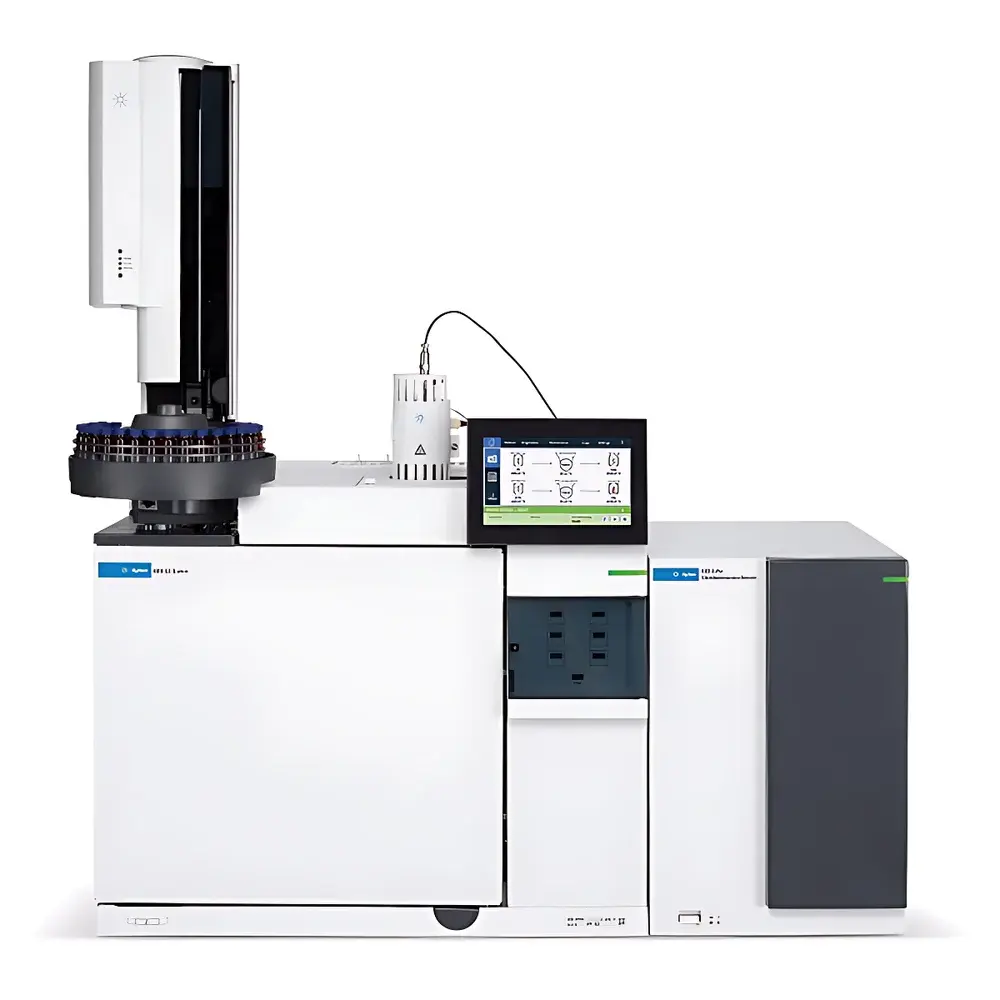
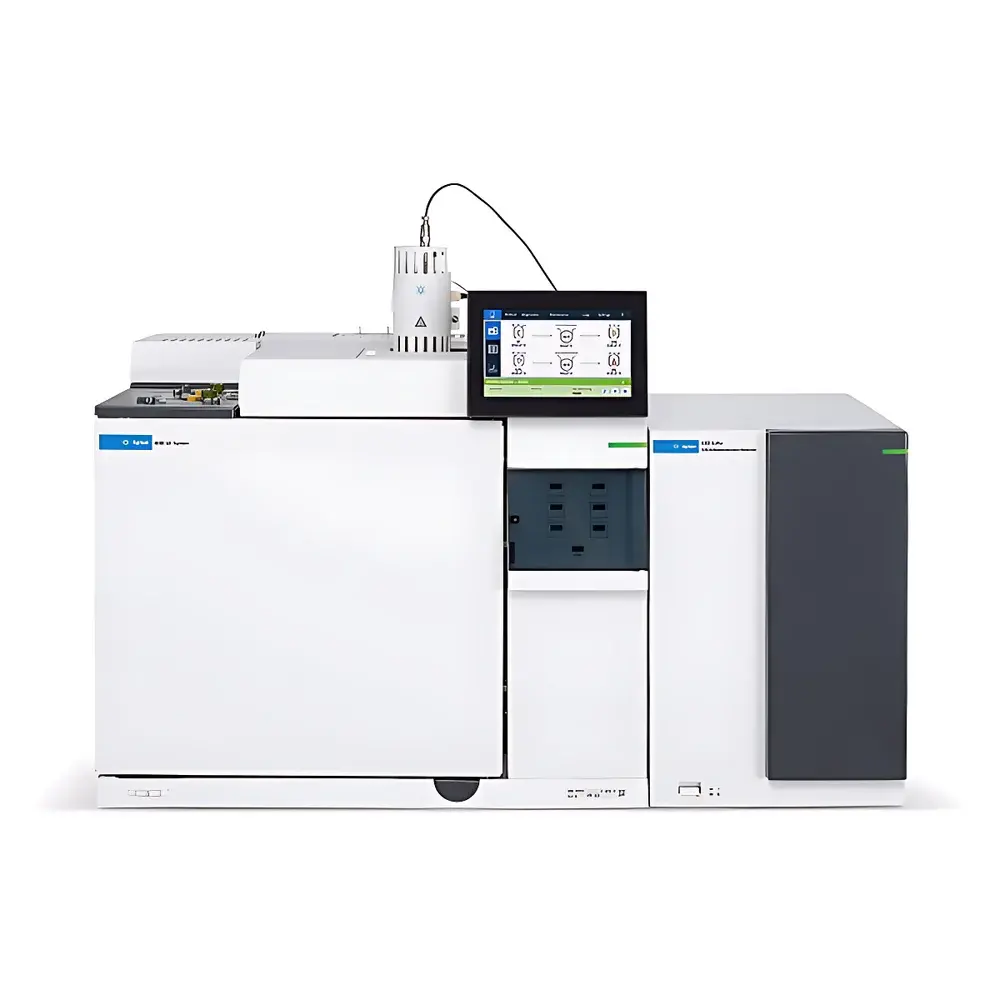
Agilent 8355 Sulfur Chemiluminescence Detector (SCD)
| Brand | Agilent Technologies |
|---|---|
| Origin | Shanghai, China |
| Manufacturer Type | Original Equipment Manufacturer (OEM) |
| Product Category | Domestic |
| Model | 8355 SCD |
| Pricing | Available Upon Request |
| Compatible Instrument | Gas Chromatograph (GC) |
| Detector Type | Elemental-Specific Chromatographic Detector |
Overview
The Agilent 8355 Sulfur Chemiluminescence Detector (SCD) is a dedicated elemental detection system engineered for high-sensitivity, selective quantification of sulfur-containing compounds in gas chromatography (GC) applications. It operates on the principle of sulfur-specific chemiluminescence: sulfur analytes eluting from the GC column are pyrolyzed in a dual-plasma combustion furnace at ~1050 °C, converting organic and inorganic sulfur species quantitatively to sulfur monoxide (SO). The SO effluent is then mixed with ozone (O₃) in a reaction chamber, generating excited-state SO₂* that emits photons at ~320–380 nm upon relaxation. These photons are detected by a low-noise photomultiplier tube (PMT), delivering a signal directly proportional to sulfur mass flow—regardless of molecular structure. This physical basis ensures stoichiometric, compound-independent response for all sulfur species, distinguishing the 8355 SCD from non-specific detectors such as flame photometric detectors (FPD) or mass spectrometers requiring compound-specific calibration.
Key Features
- Dual-plasma combustion design enhances thermal stability and sulfur conversion efficiency across volatile and refractory sulfur compounds—including mercaptans, sulfides, disulfides, thiophenes, and sulfoxides.
- Integrated ceramic combustion tube assembly reduces thermal mass and improves ignition reliability; field replacement requires only ~10 minutes without specialized tools or alignment procedures.
- Optimized burner geometry lowers total number of potential leak points by approximately 40% compared to legacy SCD platforms, improving long-term operational integrity and reducing maintenance frequency.
- Pico-gram-level sulfur detection limits (e.g., <5 pg S/sec for thiophene under standard GC-SCD conditions) support trace-level analysis in environmental, petrochemical, and pharmaceutical matrices.
- No hydrocarbon quenching effect: unlike FPD, the SCD’s ozone-based chemiluminescence mechanism eliminates signal suppression from co-eluting hydrocarbons, ensuring robustness in complex hydrocarbon-rich samples (e.g., gasoline, diesel, crude oil).
- Modular configuration supports both fully integrated GC-SCD operation (via Agilent GC control firmware) and standalone mode with analog/digital output interfaces for third-party GC systems.
Sample Compatibility & Compliance
The 8355 SCD demonstrates broad compatibility with standard GC capillary columns (e.g., DB-1, DB-624, Rtx-Sulfur) and common carrier gases (helium, hydrogen, nitrogen). It meets performance criteria outlined in ASTM D5453 (determination of total sulfur in light hydrocarbons, spark ignition engine fuels, and motor oils by ultraviolet fluorescence), ASTM D2622 (X-ray fluorescence), and ASTM D7183 (determination of sulfur in aromatic hydrocarbons by GC-SCD). Its linear dynamic range spans five orders of magnitude (0.1–1000 ng S/injection), validated per ICH Q2(R2) guidelines for analytical method validation. Data acquisition and instrument control comply with 21 CFR Part 11 requirements when used with Agilent OpenLab CDS software featuring audit trail, electronic signatures, and user access controls—supporting GLP and GMP-regulated laboratories.
Software & Data Management
The detector integrates natively with Agilent OpenLab CDS (ChemStation Edition and OpenLab ECM) for real-time signal acquisition, peak integration, and sulfur-specific calibration curve generation (e.g., external standard, internal standard, or standard addition modes). Raw data files (.D format) retain full metadata including detector temperature, ozone flow rate, PMT voltage, and combustion parameters—enabling retrospective reprocessing and compliance with ALCOA+ data integrity principles. Optional export modules support LIMS integration via ASTM E1384-compliant ASCII or .CSV formats. Firmware updates are delivered through Agilent’s secure update portal and include version-controlled release notes traceable to ISO/IEC 17025 calibration verification records.
Applications
- Ultra-trace sulfur speciation in transportation fuels per U.S. EPA Tier 3 and Euro 6/7 regulations (limit: ≤10 ppm S in gasoline, ≤1 ppm in diesel).
- Quantitative analysis of sulfur impurities in pharmaceutical excipients and active pharmaceutical ingredients (APIs), aligned with USP and ICH Q3D elemental impurities guidance.
- Monitoring sulfur breakthrough in catalyst beds during hydrotreating process development in refineries.
- Environmental analysis of sulfur gases (H₂S, COS, SO₂) in ambient air or stack emissions using cryo-trapping GC-SCD workflows.
- Research-scale characterization of sulfur-containing biomarkers (e.g., cysteine derivatives, glutathione metabolites) in biological fluids following derivatization and GC separation.
FAQ
Is the 8355 SCD compatible with non-Agilent gas chromatographs?
Yes—the detector provides analog voltage output (0–1 V full scale) and RS-232/USB digital interface options, enabling integration with third-party GC systems via configurable trigger and synchronization protocols.
Does the 8355 SCD require daily calibration?
No—its stoichiometric response eliminates the need for compound-specific calibration curves; a single sulfur standard (e.g., thiophene or dibutyl sulfide) establishes system sensitivity, with periodic verification recommended per ASTM D5453 Section 9.3.
What maintenance intervals are recommended for the combustion tube and ozone generator?
Ceramic combustion tubes are rated for ≥12 months of continuous operation under typical fuel analysis conditions; ozone generator service life exceeds 10,000 hours with scheduled filter replacement every 6 months.
Can the 8355 SCD be operated simultaneously with an FID on the same GC system?
Yes—Agilent GC platforms support true parallel detection via split-flow or heart-cutting configurations, allowing concurrent sulfur-specific (SCD) and universal (FID) detection without compromise to either channel’s performance.
Related Products






