
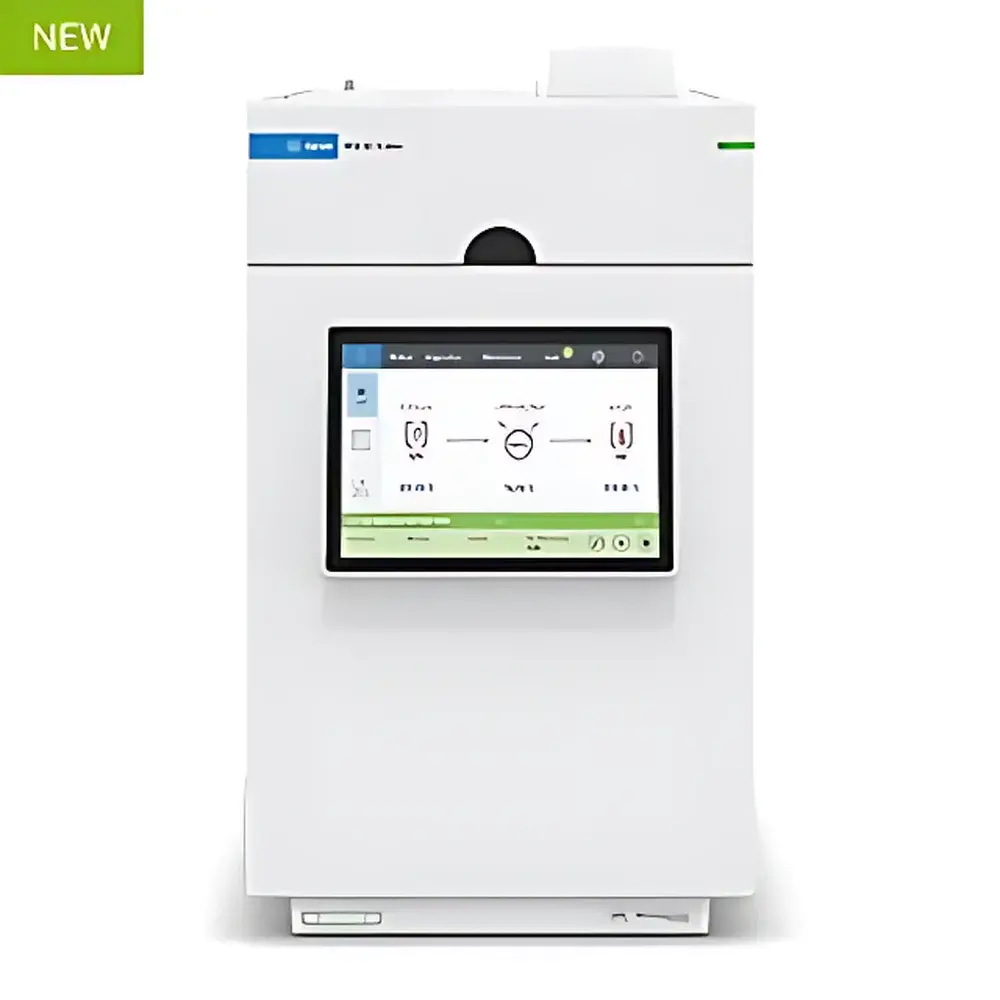
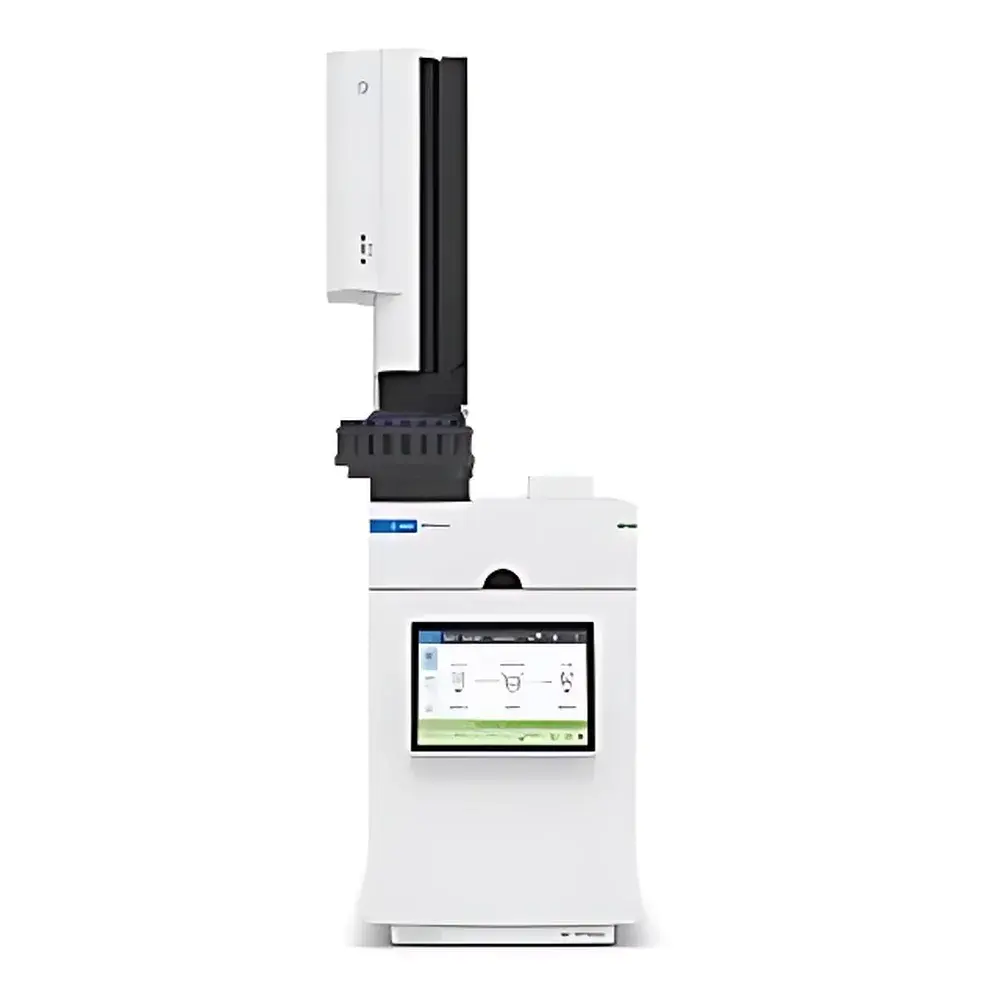
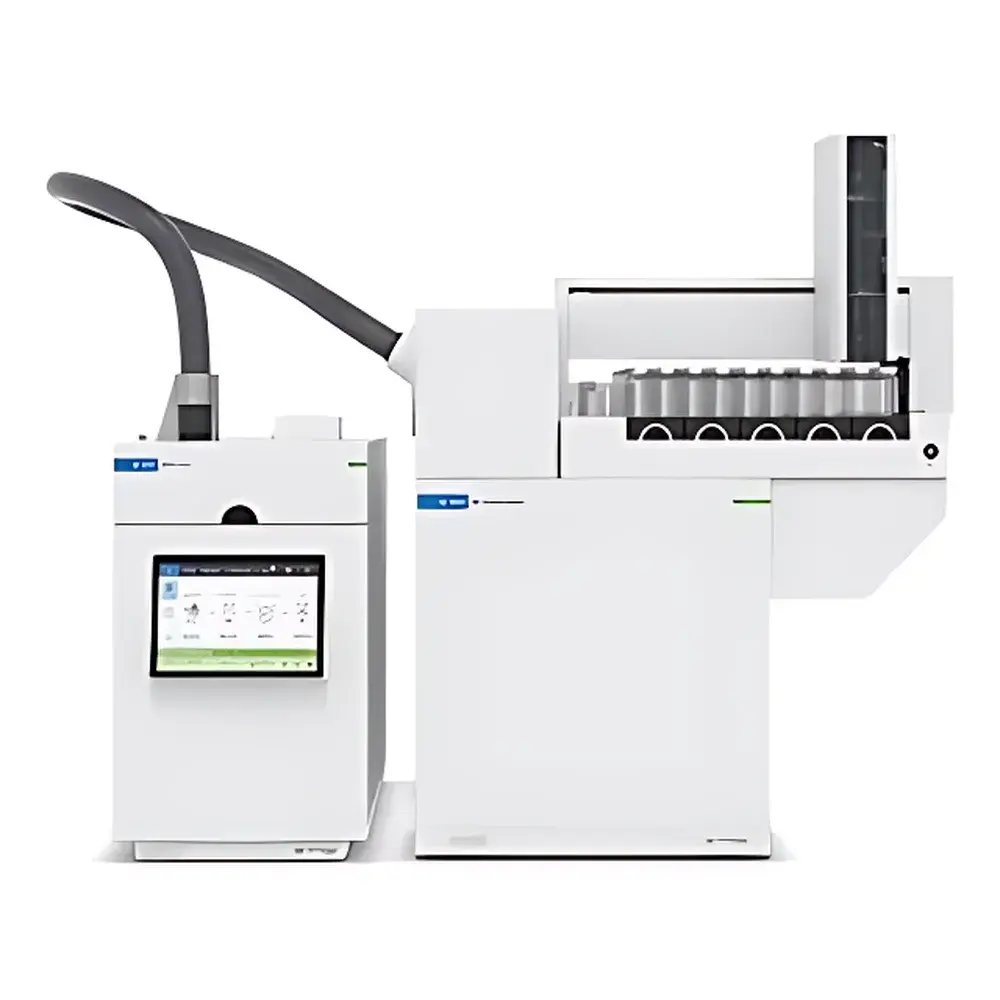
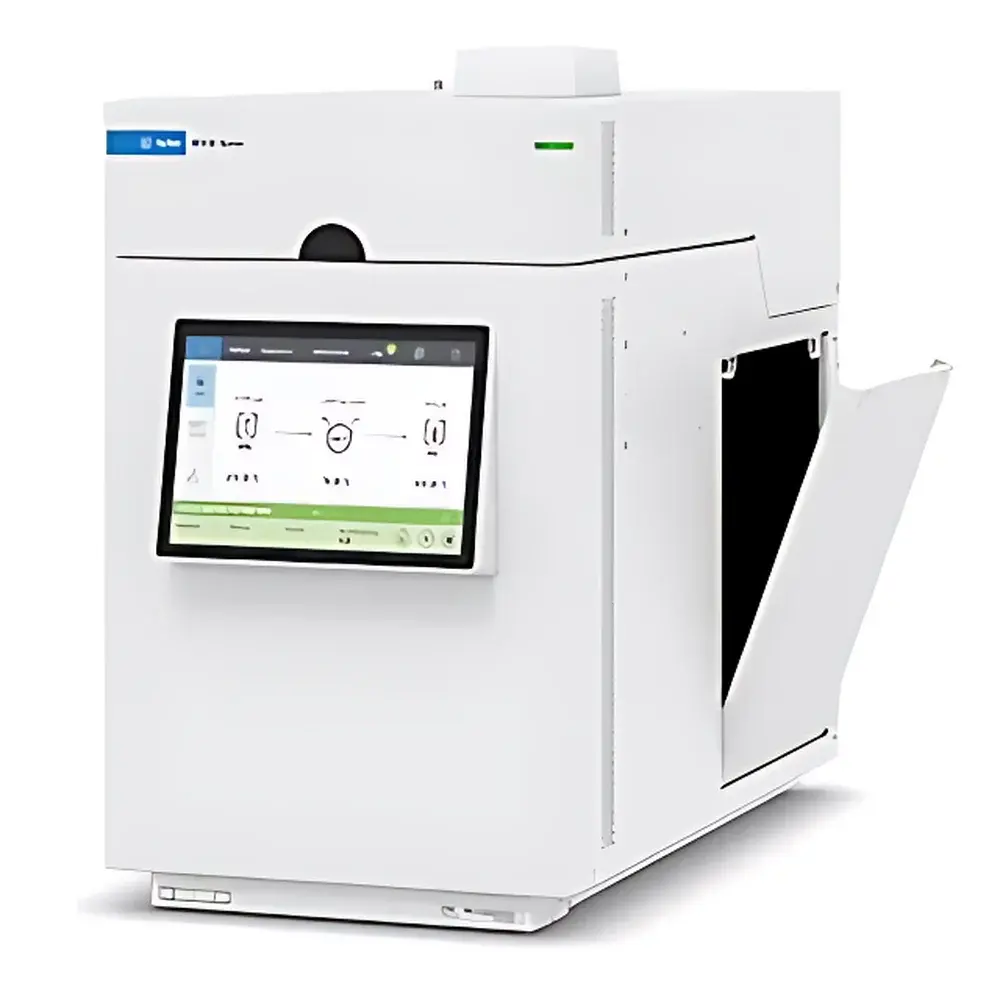
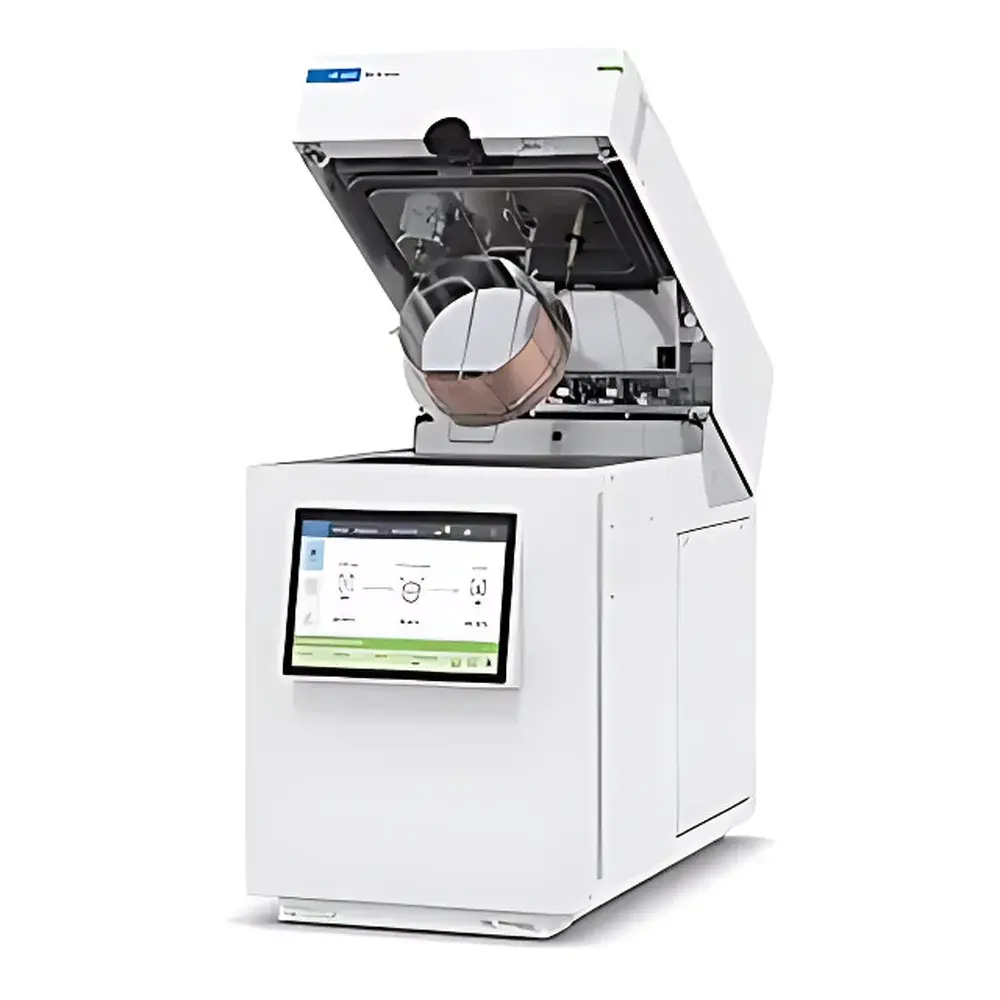
Agilent GC 8850 Gas Chromatograph System
| Brand | Agilent Technologies |
|---|---|
| Origin | Shanghai, China |
| Manufacturer Type | Original Equipment Manufacturer (OEM) |
| Country of Origin | China |
| Model | 8850 |
| Instrument Type | Benchtop Laboratory Gas Chromatograph |
| Application Scope | General-Purpose |
| Oven Temperature Range | +4 °C above ambient to 430 °C |
| Maximum Ramp Rate | 300 °C/min (120 V standard oven: ≤120 °C/min |
| 120 V fast oven | ≤200 °C/min) |
| Cooling Rate | 350 °C → 50 °C in ≤2.5 min (ambient 22 °C) |
| Carrier Gas Pressure Control Resolution | 0.001 psi |
Overview
The Agilent GC 8850 Gas Chromatograph System is a compact, high-throughput benchtop chromatographic platform engineered for precision, reproducibility, and operational efficiency in regulated and research laboratory environments. Based on Agilent’s proven 8890 architecture, the 8850 delivers identical performance—same inlet designs, detector interfaces, and Electronic Pressure Control (EPC) modules—while reducing footprint by approximately 50% versus conventional GC systems. Its thermally optimized air-bath oven enables rapid thermal cycling: heating rates up to 300 °C/min and cooling from 350 °C to 50 °C in under 2.5 minutes (at 22 °C ambient), significantly shortening cycle times and improving sample throughput. The system operates across a broad temperature range (+4 °C above ambient to 430 °C), supporting both volatile and semi-volatile compound analysis with high thermal stability and gradient fidelity. Designed for sustainability, the 8850 consumes 45% less energy than legacy GC platforms—reducing facility load and aligning with ISO 50001-aligned energy management initiatives.
Key Features
- Compact form factor (28.3 × 58.5 × 49.2 cm) enables dual-system deployment on standard lab benches without compromising accessibility or serviceability.
- Top-access oven lid and removable side panels provide unobstructed access to inlet, detector, and column connections—minimizing downtime during column changes or maintenance.
- Integrated Intelligent System Monitoring (ISM) continuously evaluates hardware status (e.g., pressure transducers, heater circuits, valve actuation) and delivers contextual, step-by-step troubleshooting guidance before failures impact data integrity.
- Supports multiple inlet configurations: split/splitless, multimode, packed-column, cold-on-column, and septum purge—ensuring method transfer compatibility across legacy Agilent platforms (e.g., 6850).
- Compatible with Agilent single-quadrupole (5977B/5975C) and triple-quadrupole (7010B/7000D) mass spectrometers, FID, TCD, and micro-ECD detectors via standardized electrical and pneumatic interfaces.
- Equipped with Microfluidic Flow Technology (CFT) for backflush capability—reducing column contamination, extending column lifetime, eliminating ghost peaks, and minimizing re-calibration frequency.
- Optional helium conservation module and hydrogen sensor kit enable safe, compliant use of alternative carrier gases—supporting regulatory alignment with USP , EP 2.2.46, and ASTM D3606/D5501.
Sample Compatibility & Compliance
The GC 8850 accommodates capillary columns (up to 5-inch standard column racks) and metal-packed columns, supporting routine QC testing, environmental screening (EPA 8260/8270), petrochemical profiling (ASTM D3606, D5501), and pharmaceutical residual solvent analysis (ICH Q2(R2), USP ). All EPC modules meet NIST-traceable pressure calibration standards and support audit-ready logging per FDA 21 CFR Part 11 requirements when paired with OpenLab CDS software. System diagnostics—including automated leak detection, baseline stability monitoring, and retention time validation—facilitate GLP/GMP compliance and internal quality audits.
Software & Data Management
Controlled via Agilent OpenLab CDS (ChemStation Edition or EZChrom Edition), the 8850 supports method development, sequence execution, real-time chromatogram review, and electronic signature workflows. Browser-based remote access allows instrument status monitoring, diagnostic initiation, and method updates from any network-connected device—enabling hybrid and distributed lab operations. All system events, pressure/temperature logs, and maintenance records are timestamped and stored with immutable audit trails. Optional integration with Agilent MassHunter enables seamless GC/MS data acquisition, processing, and reporting aligned with ISO/IEC 17025 documentation requirements.
Applications
- Environmental analysis: VOCs in water/soil (EPA Method 8260D), SVOCs (8270E), and pesticide residues (8081B).
- Petrochemical QA/QC: Hydrocarbon group-type analysis (ASTM D5186), gasoline oxygenates (D4815), and refinery gas composition (D1945).
- Pharmaceuticals: Residual solvents (USP Class 1–3), extractables/leachables (USP ), and impurity profiling.
- Food & flavor: Fatty acid methyl esters (FAMEs), terpenes, and off-flavor compounds (ISO 11021, AOAC 996.06).
- Forensics & toxicology: Blood alcohol quantitation (AOAC 986.18), drug metabolite screening, and accelerant identification.
FAQ
Is the GC 8850 compatible with existing Agilent GC methods and consumables?
Yes—the 8850 shares identical inlet geometries, detector signal conditioning, and EPC firmware with the 8890 and 6850 platforms, enabling direct method porting and full consumable interchangeability (e.g., liners, septa, ferrules).
Does the system support regulatory-compliant data handling?
When operated with OpenLab CDS and configured with electronic signatures, audit trails, and role-based access control, the 8850 meets FDA 21 CFR Part 11, EU Annex 11, and ISO/IEC 17025 data integrity requirements.
Can the 8850 be integrated into an automated workflow with autosamplers?
Yes—it natively supports Agilent PAL3 (2nd gen), 7693A ALS, 7650 ALS, and 8697 headspace samplers via standard RS-232/Ethernet interfaces and synchronized timing protocols.
What carrier gas options does the 8850 support?
Helium, hydrogen, and nitrogen are fully supported; optional hydrogen safety sensors and helium conservation modules ensure safe, efficient operation under IEC 61000-6-4 and OSHA 1910.103 regulations.
How does the backflush function improve analytical robustness?
Backflushing expels non-volatile matrix components prior to detector entry—reducing detector fouling, minimizing baseline drift, lowering maintenance intervals, and enhancing retention time stability over extended sequences.
Related Products






