
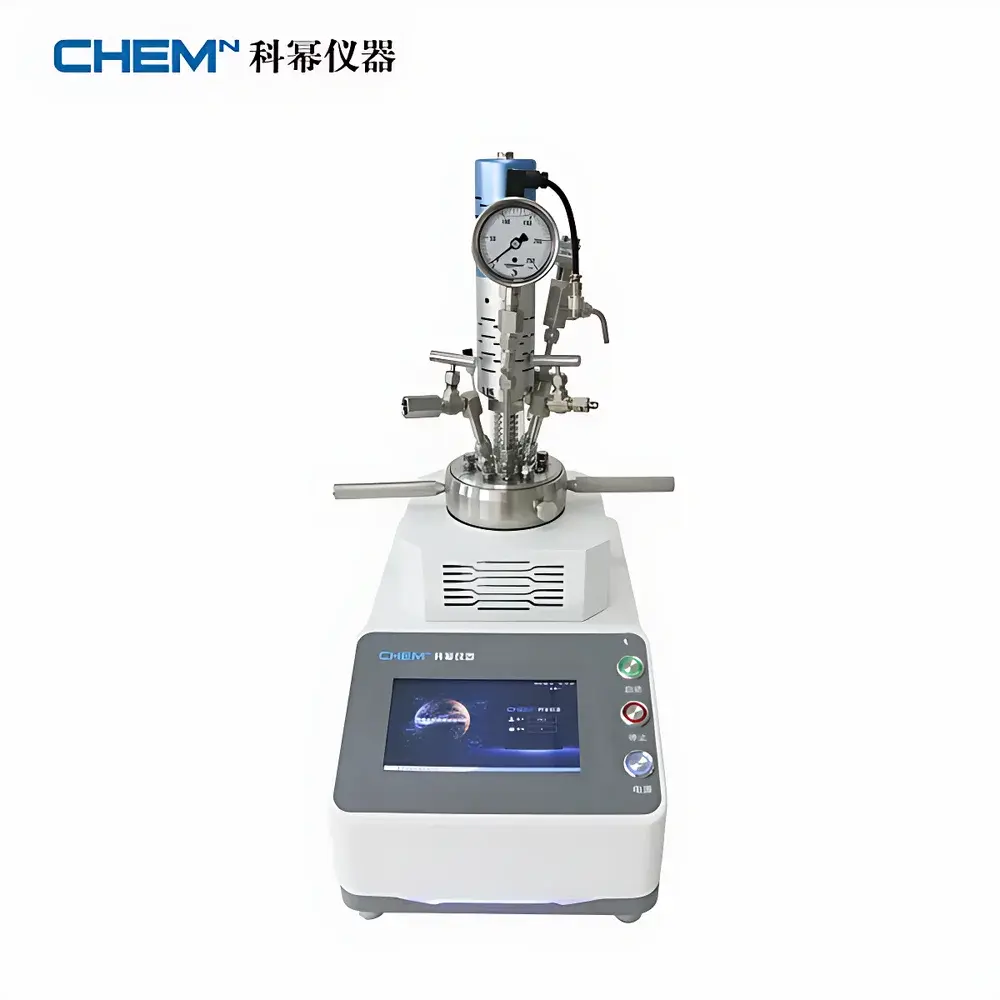
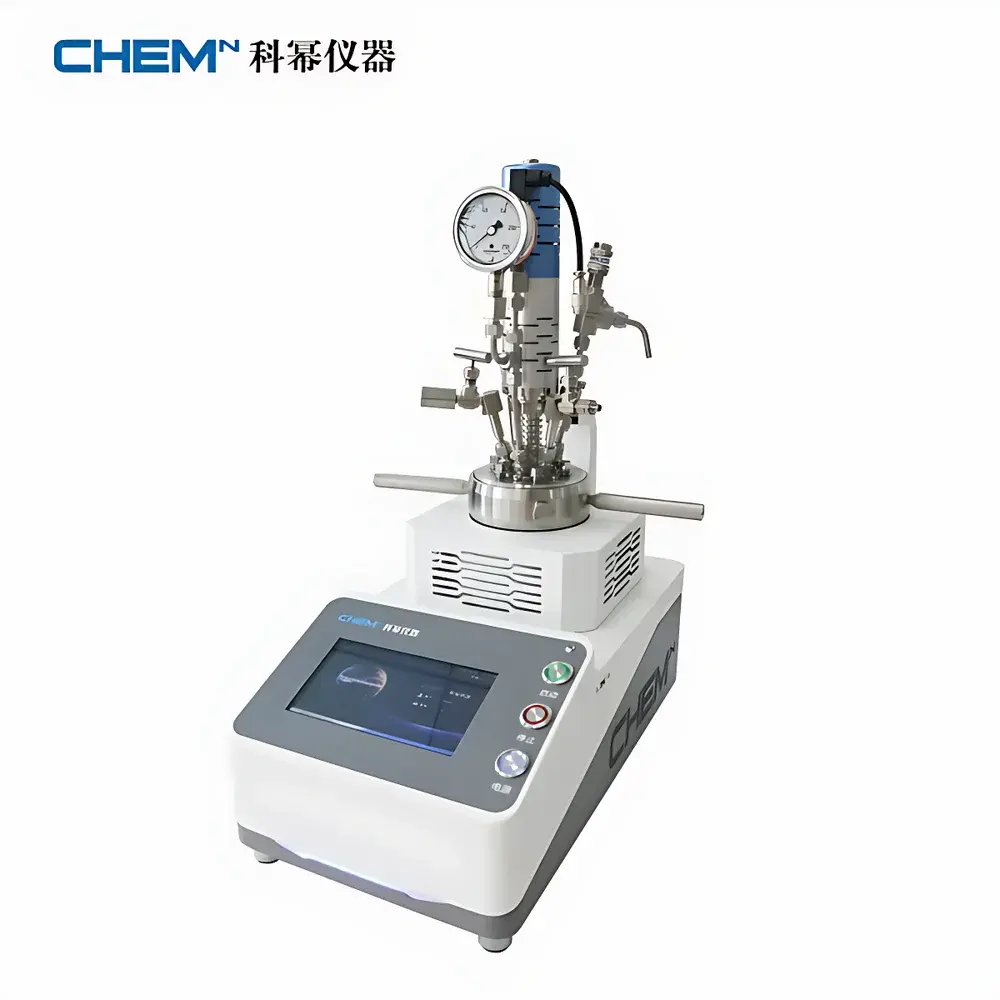
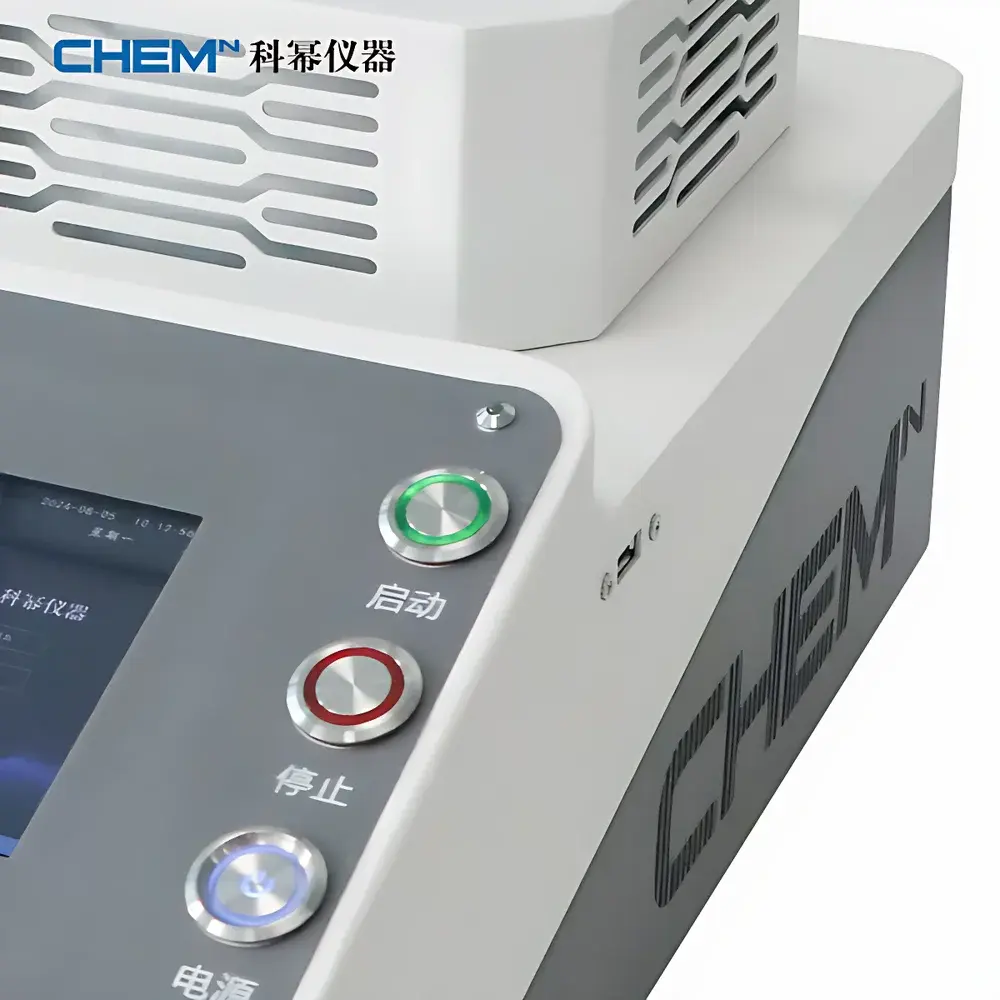
Ahkemi MSI Intelligent Quick-Release Mechanical Stirring High-Pressure Reactor
| Brand | Ahkemi |
|---|---|
| Origin | Anhui, China |
| Model | MSI |
| Vessel Capacity | 25–1000 mL |
| Design Pressure | 35 MPa (optional), Standard: 10–20 MPa |
| Design Temperature | 550 °C |
| Heating Method | Embedded Stainless Steel Heating Module (1 kW) |
| Stirring Speed | 100–1200 rpm (100–600 rpm above 350 °C) |
| Stirring Mechanism | High-Torque Magnetic Coupling Drive |
| Construction Material | 316L Stainless Steel or Hastelloy C-276 (optional) |
| Vacuum/Pressure Rating | Up to 35 MPa |
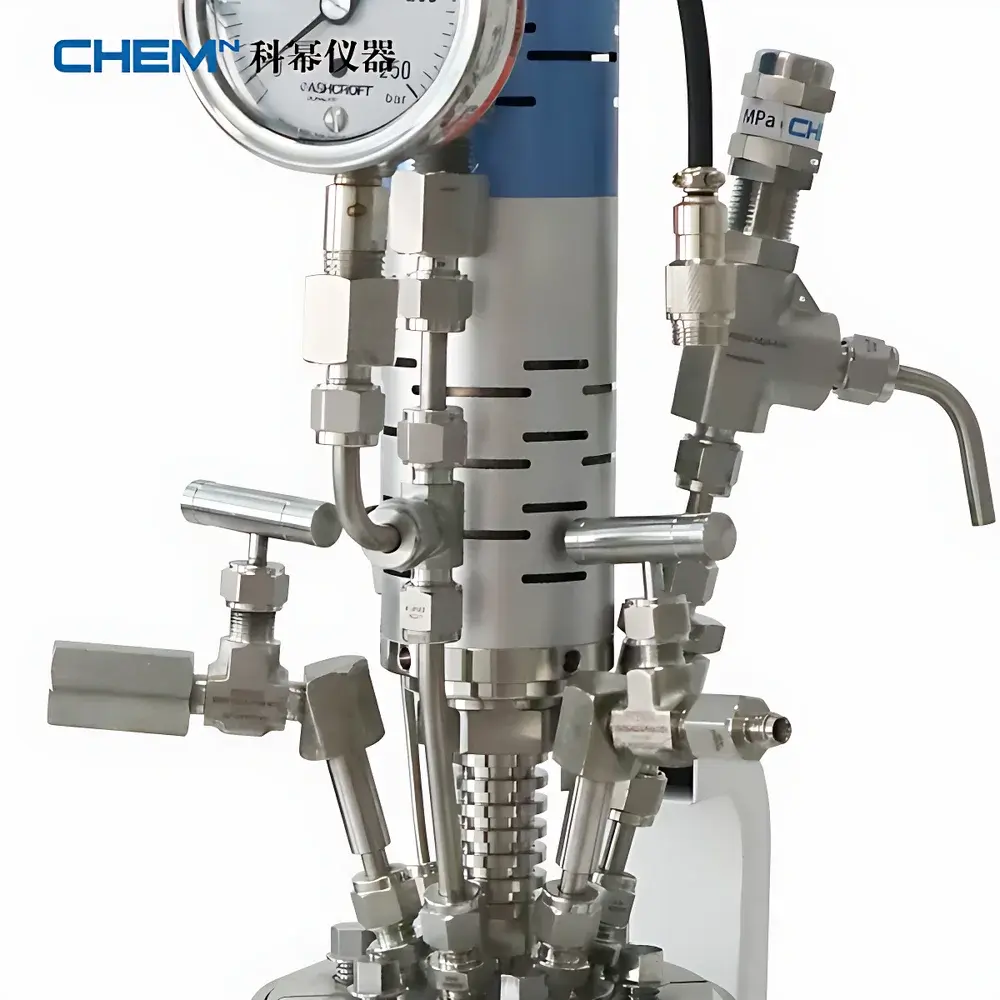
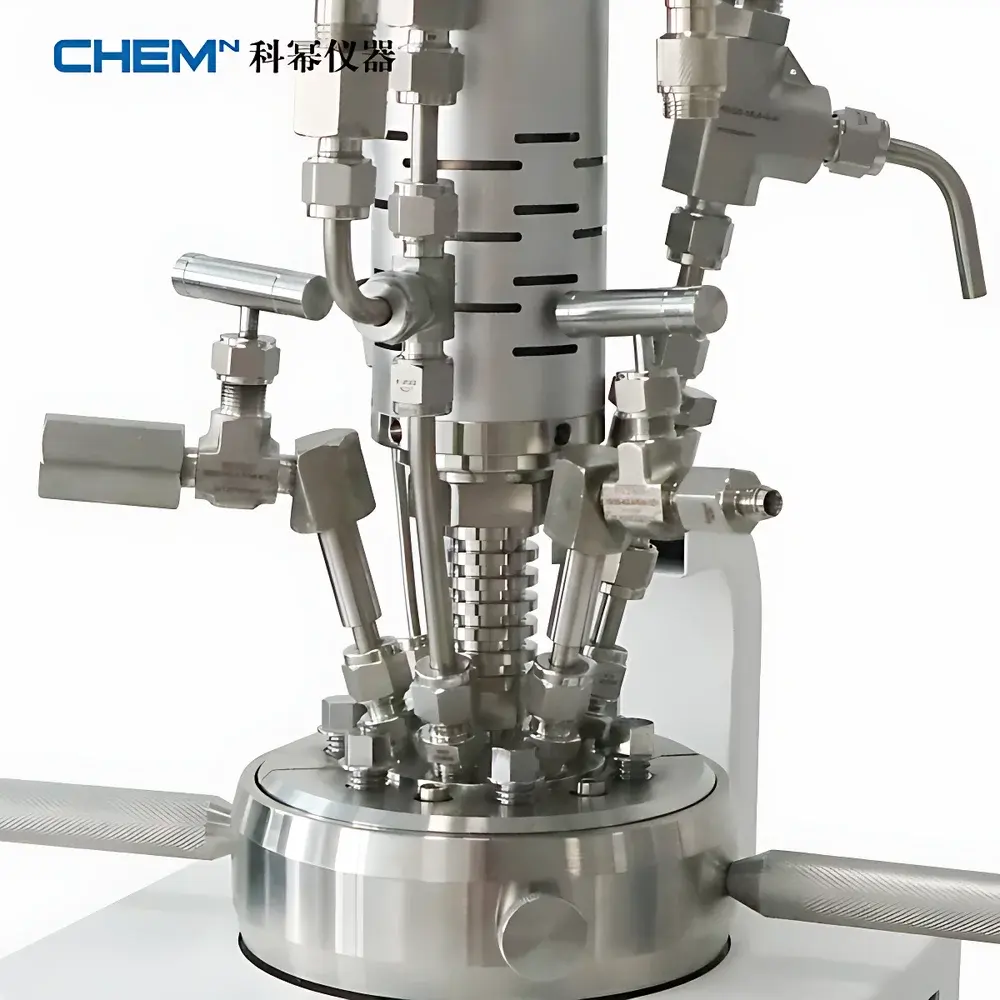
| Safety Systems | MEAS Pressure Transducer + Ashcroft Pressure Gauge + Swagelok Needle Valves + FITOK Safety Relief Valve + Custom Burst Disc |
| Control Interface | 7-inch Resistive Touchscreen Display |
| Data Export | USB 2.0 Interface |
| Power Supply | 200–240 V AC, 50–60 Hz |
| Dimensions (Reactor Body) | ~250 × 300 × 410 mm |
| Controller Dimensions (for 100 mL unit) | 260 × 470 × 260 mm |
Overview
The Ahkemi MSI Intelligent Quick-Release Mechanical Stirring High-Pressure Reactor is an engineered laboratory-scale reaction system designed for controlled synthesis, catalytic testing, hydrothermal reactions, and high-pressure kinetic studies under rigorously monitored thermal and mechanical conditions. It operates on the principle of sealed batch reaction with active mechanical agitation, enabling homogeneous mixing and efficient heat/mass transfer in viscous, heterogeneous, or gas–liquid systems. The reactor’s core architecture integrates a monolithic pressure vessel body with a torque-transmitting magnetic coupling drive, eliminating dynamic seals and minimizing leakage risk at elevated pressures up to 35 MPa. Its maximum design temperature of 550 °C—supported by an embedded stainless steel heating module and PID-controlled thermal regulation—ensures compatibility with demanding thermochemical processes including supercritical fluid reactions, polymerization under inert atmosphere, and high-temperature hydrogenation. The quick-release flange mechanism, based on a precision-machined tongue-and-groove sealing interface, reduces setup and cleaning time while maintaining ASME BPVC Section VIII Division 1-aligned integrity under cyclic pressurization.
Key Features
- Monolithic vessel construction from seamless 316L stainless steel or Hastelloy C-276, CNC-machined for dimensional stability and surface finish compliance with ISO 8502-3 (surface cleanliness) and ASTM B898 (corrosion resistance)
- Intelligent dual-sensor pressure monitoring: MEAS piezoresistive transducer (0–40 MPa, ±0.25% FS) paired with Ashcroft analog gauge (0–40 MPa) for redundant verification and real-time deviation logging
- Multi-tiered overpressure protection: Swagelok SS-4SHP needle valves (rated to 35 MPa), FITOK Type R safety relief valve (set at 90% of MAWP), and a calibrated rupture disc assembly with certified burst tolerance
- Thermal safety interlock: Independent thermocouple-based cutoff circuit interrupting power at 5°C above setpoint; audible alarm triggered at >95% of max rated pressure
- 7-inch industrial-grade resistive touchscreen HMI with intuitive icon-driven UI—displays simultaneous real-time plots of temperature (±1.0 °C), pressure (±0.1 MPa), stir speed (±5 rpm), and elapsed time
- USB 2.0 data export supporting CSV-formatted time-series logs compliant with GLP audit requirements, including timestamped operator ID, parameter setpoints, and event flags (e.g., “valve opened”, “overtemp event”)
Sample Compatibility & Compliance
The MSI reactor accommodates a broad range of sample types—including corrosive media (e.g., HF-containing hydrothermal solutions), pyrophoric organometallics, and supercritical CO₂ mixtures—when configured with appropriate alloy variants (Hastelloy C-276 for chloride-rich environments; Inconel 625 for sulfur-bearing feeds). All standard configurations meet CE Machinery Directive 2006/42/EC and PED 2014/68/EU Category IV requirements for pressure equipment. Optional configurations support FDA 21 CFR Part 11-compliant electronic recordkeeping when integrated with validated third-party LIMS platforms. Vessel geometry and impeller clearance conform to ISO 4775 (stirred tank reactors) and ASTM E2913 (high-pressure reaction safety protocols). Vacuum integrity is verified per ISO 10272 (leak rate ≤1×10⁻⁹ mbar·L/s He).
Software & Data Management
No proprietary software installation is required—the onboard controller firmware supports direct plug-and-play USB data retrieval without driver dependencies. Logged datasets include full metadata headers (vessel ID, calibration certificate numbers, sensor serials, operator login hash) and are structured to align with ASTM E2500-22 Annex A2 for raw data traceability. Time-stamped event logs capture all manual interventions (valve actuations, emergency stops) and automatic responses (power cutoff, alarm activation), satisfying internal QA documentation standards for ISO/IEC 17025-accredited laboratories. Optional RS-485 Modbus RTU output enables integration into centralized SCADA or DCS environments for multi-reactor process orchestration.
Applications
- Catalyst screening under industrially relevant P–T conditions (e.g., Fischer–Tropsch, ammonia synthesis precursors)
- Hydrothermal carbonization and biomass liquefaction kinetics
- High-pressure electrochemical synthesis (e.g., Li–S battery electrolyte stability testing)
- Supercritical water oxidation (SCWO) of persistent organic pollutants
- Material synthesis: MOFs, perovskites, and nanocrystalline metal oxides via solvothermal routes
- Pharmaceutical route scouting involving exothermic nitration or halogenation steps requiring precise thermal arrest
FAQ
What pressure ratings are standard versus optional?
Standard configurations are rated at 10 MPa (300–1000 mL vessels) or 20 MPa (25–100 mL vessels); 35 MPa operation requires full validation per ASME BPVC Section VIII Div. 1 and is supplied with enhanced wall thickness, upgraded rupture disc, and extended factory pressure cycling certification.
Is the magnetic coupling rated for continuous operation at 550 °C?
Yes—the coupling uses SmCo5 permanent magnets with Curie temperature >750 °C and ceramic-coated containment shells meeting ASTM F2519 thermal barrier specifications; torque transmission remains stable up to 550 °C ambient with derated maximum speed above 350 °C.
Can the reactor be used under vacuum prior to pressurization?
Yes—vacuum pre-purge capability is inherent; the system achieves ≤1×10⁻² mbar base pressure using integrated Swagelok isolation valves and optional external vacuum pump interface (KF-25 flange).
Are calibration certificates included for pressure and temperature sensors?
Each unit ships with NIST-traceable calibration reports for the MEAS transducer and K-type thermocouples, valid for 12 months from date of manufacture; recalibration intervals follow ISO/IEC 17025 guidelines.
What maintenance is required for long-term reliability?
Annual inspection of sealing surfaces (tongue-and-groove geometry per ISO 20861), torque verification of clamping bolts (using calibrated torque wrench per DIN EN ISO 6789), and functional test of all safety valves per API RP 520 Part I.



