
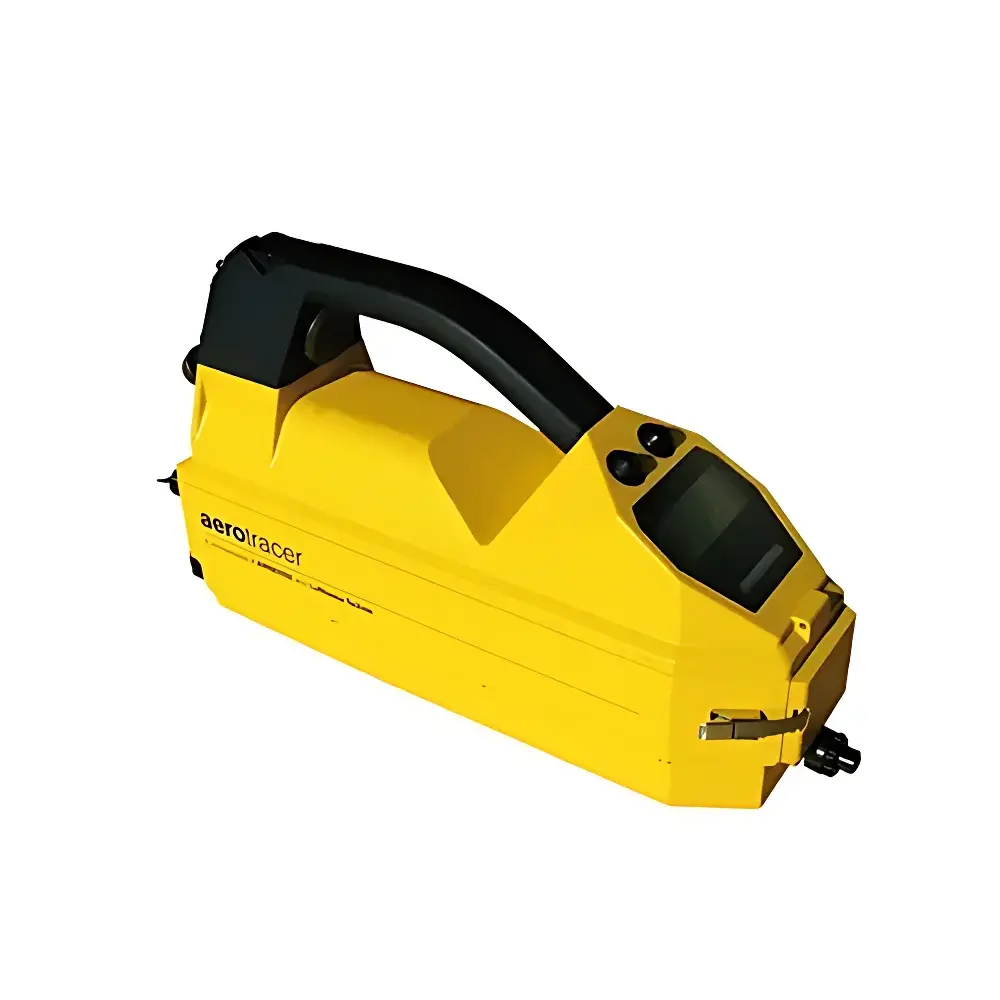
AIRSENSE aerotracer Aircraft Fluid Leak Detector
| Brand | AIRSENSE |
|---|---|
| Origin | Germany |
| Model | aerotracer |
| Detection Principle | Matrix-based Multi-Channel Mixed Sensor Array |
| Sample Flow Rate | 50–100 mL/min |
| Detection Time | < 60 seconds |
| Detectable Substances | Aviation Engine Lubricants, Hydraulic Fluids (e.g., MIL-PRF-83282/87257), De-icing Fluids (Type I/II/IV), Corrosion Inhibitors, Adhesives, Jet Fuel (Jet A/A-1) |
| Display | Graphical LCD Interface |
| Dimensions | 395 × 112 × 210 mm |
| Weight | 4.2 kg (without battery) |
| Operating Temperature | 0–45 °C |
| Relative Humidity | 5–95 % RH (non-condensing) |
| Power Supply | 110–240 VAC, 30 W or Rechargeable Battery (4 h standby) |
| Communication | RS232 Serial Interface |
| Data Storage | Removable 1 GB miniSD Card |
| Software | WinMuster AT (Offline & Real-Time Data Analysis) |
| OS Compatibility | Windows XP, Vista, 7 |
Overview
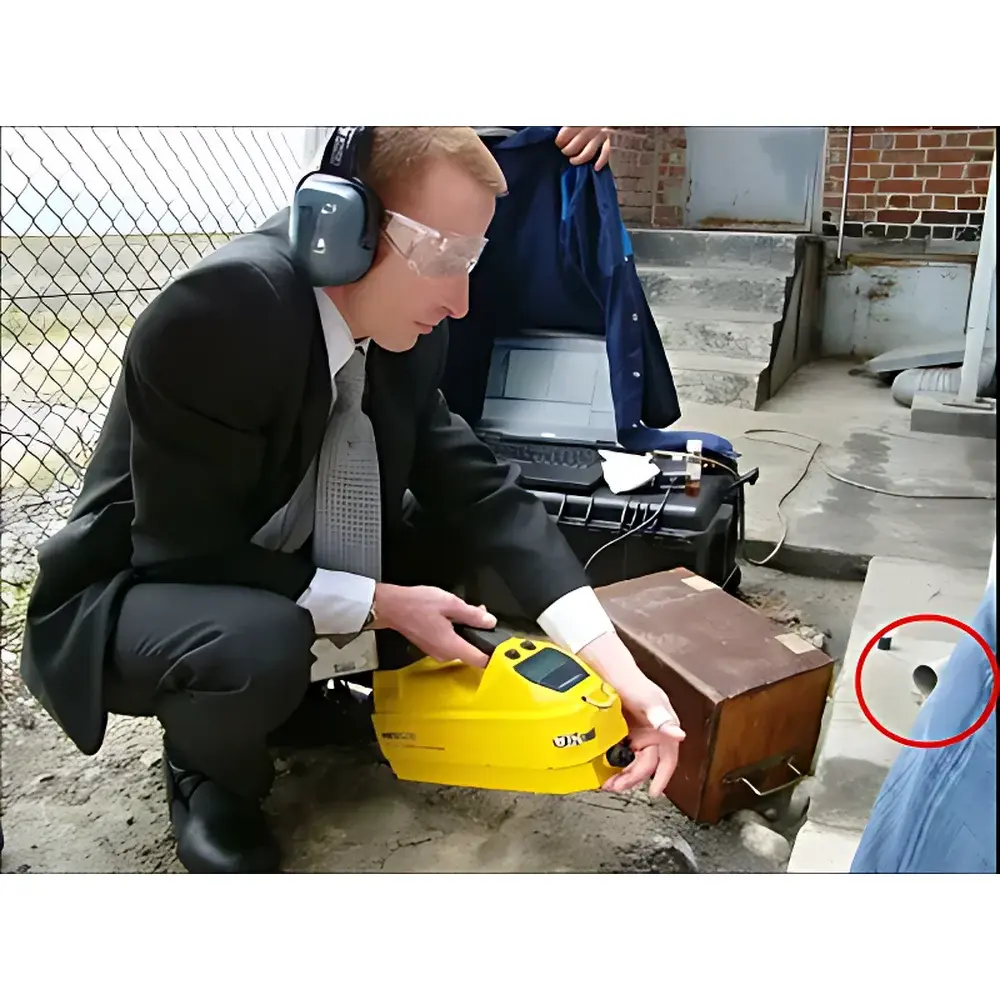
The AIRSENSE aerotracer Aircraft Fluid Leak Detector is a field-deployable, real-time chemical recognition instrument engineered for rapid identification and localization of trace-level aviation fluid emissions. It operates on the principle of matrix-based multi-channel mixed sensor array technology — a cross-reactive chemosensory platform that generates unique, reproducible response patterns for volatile organic compounds (VOCs) and semi-volatile fluids commonly found in aircraft systems. Unlike single-sensor gas detectors or generic PID devices, the aerotracer employs pattern recognition algorithms trained on reference spectra of aviation-grade lubricants, hydraulic fluids, de-icing agents, corrosion inhibitors, and jet fuels. This enables reliable discrimination between structurally similar compounds — for example, distinguishing MIL-PRF-83282 synthetic hydrocarbon hydraulic fluid from MIL-PRF-87257 phosphate ester fluid — without chromatographic separation. Designed in collaboration with Lufthansa Technik, the device meets operational requirements for line maintenance, hangar diagnostics, and cabin air quality assessment under EASA Part-145 and FAA AC 120-110 guidance.
Key Features
- Portable form factor (395 × 112 × 210 mm; 4.2 kg) optimized for use on ladders, wing surfaces, and confined engine bays
- Integrated sampling pump and programmable dilution module enabling controlled sample introduction across variable ambient concentrations
- Real-time detection with response latency under 60 seconds — sufficient for dynamic leak mapping during engine idle or bleed-air operation
- Graphical LCD interface with intuitive icon-driven navigation; no specialized operator training required
- Robust environmental rating: functional at 0–45 °C and 5–95 % RH (non-condensing), suitable for ramp, hangar, and mobile MRO environments
- Dual power configuration: AC mains (110–240 VAC, 30 W) or hot-swappable rechargeable battery (4-hour standby)
Sample Compatibility & Compliance
The aerotracer is validated for qualitative detection of aviation-specific fluids including but not limited to: turbine engine oils (MIL-PRF-23699, AMS 5750), phosphate-ester and synthetic hydrocarbon hydraulic fluids (MIL-PRF-83282, MIL-PRF-87257), Type I–IV aircraft de-icing fluids (propylene glycol/ethylene glycol blends), vapor-phase corrosion inhibitors (VpCI®), structural adhesives (e.g., FM 73, EA 9394), and Jet A/A-1 fuel vapors. It does not provide quantitative concentration values per ISO 14644 or ASTM D5197, nor is it certified as an explosion-proof device under ATEX or IECEx. However, its detection logic supports root-cause analysis aligned with MSG-3 logic trees and contributes to compliance with EASA AMC 20-23 and FAA Advisory Circular 120-110 on cabin air quality monitoring. Data logs generated via WinMuster AT include timestamped event records suitable for GLP-compliant maintenance documentation.
Software & Data Management
Data acquisition and post-processing are managed through WinMuster AT software, compatible with Windows XP through Windows 7 (32-bit). The application supports both offline analysis of stored miniSD card data and real-time streaming via RS232 serial interface. Each measurement session captures sensor array response vectors, ambient temperature/humidity metadata, and user-defined annotation fields (e.g., aircraft registration, system zone, inspection step). The software implements PCA-based clustering to visualize similarity between unknown samples and reference library entries. Export formats include CSV for integration into CMMS platforms (e.g., TRAX, AMOS) and PNG reports compliant with internal audit requirements. All data files retain immutable timestamps and operator ID tags — supporting traceability under FAA Part 121.379 and EASA Part-M subpart G recordkeeping mandates.
Applications
- Line maintenance: Rapid leak localization on pylon mounts, APU compartments, and nacelle access panels without disassembly
- Cabin air quality investigation: Identification of bleed-air contamination sources (e.g., seal degradation in compressor stages)
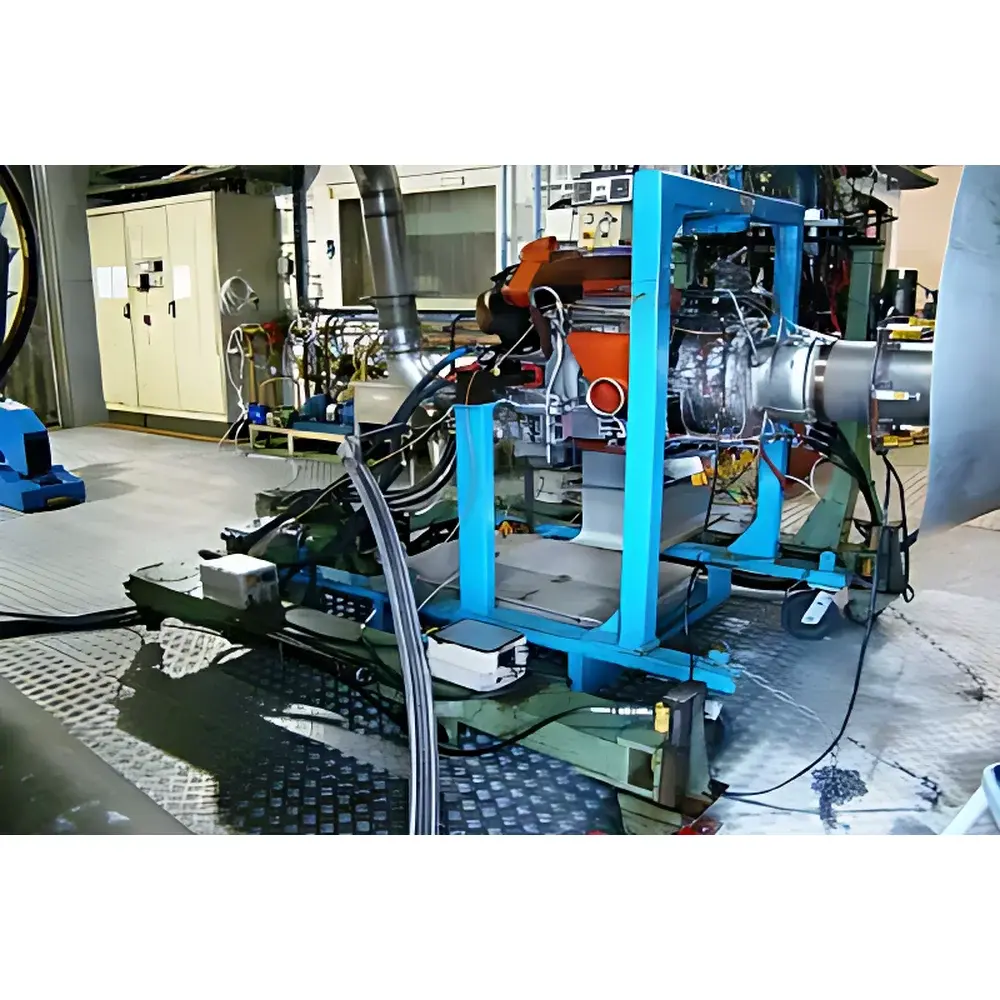
- Ground support equipment verification: Screening of hydraulic test rigs and fueling carts for residual cross-contamination
- MRO troubleshooting: Differentiation between oil mist ingress and hydraulic fluid seepage in avionics bay ventilation ducts
- Technical log correlation: Supporting defect classification in accordance with ATA Chapter 79 (Engine Oil System) and Chapter 29 (Hydraulic Power)
FAQ
Does the aerotracer quantify fluid concentration in ppm or mg/m³?
No. It performs qualitative pattern-matching against a factory-calibrated reference library. Quantitative analysis requires complementary techniques such as GC-MS or FTIR.
Can it detect leaks in pressurized systems while the aircraft is powered?
Yes — the built-in pump draws representative headspace samples from accessible vents, drain ports, or service panels during ground idle or APU operation.
Is WinMuster AT compatible with modern Windows OS versions (e.g., Windows 10/11)?
WinMuster AT was developed for legacy Windows environments. For Windows 10/11 compatibility, virtual machine deployment (e.g., Hyper-V with Windows 7 guest OS) is recommended per AIRSENSE technical bulletin AT-SW-2022-03.
What maintenance is required for the sensor array?
The multi-channel sensor module is sealed and non-user-serviceable. AIRSENSE recommends annual recalibration using certified reference standards at authorized service centers.
Does the device meet DO-160 environmental testing requirements?
The aerotracer is not DO-160 qualified. It is intended for ground-based maintenance use only and is not installed equipment per RTCA DO-160 Section 22 (Emissions) or Section 23 (Susceptibility).





