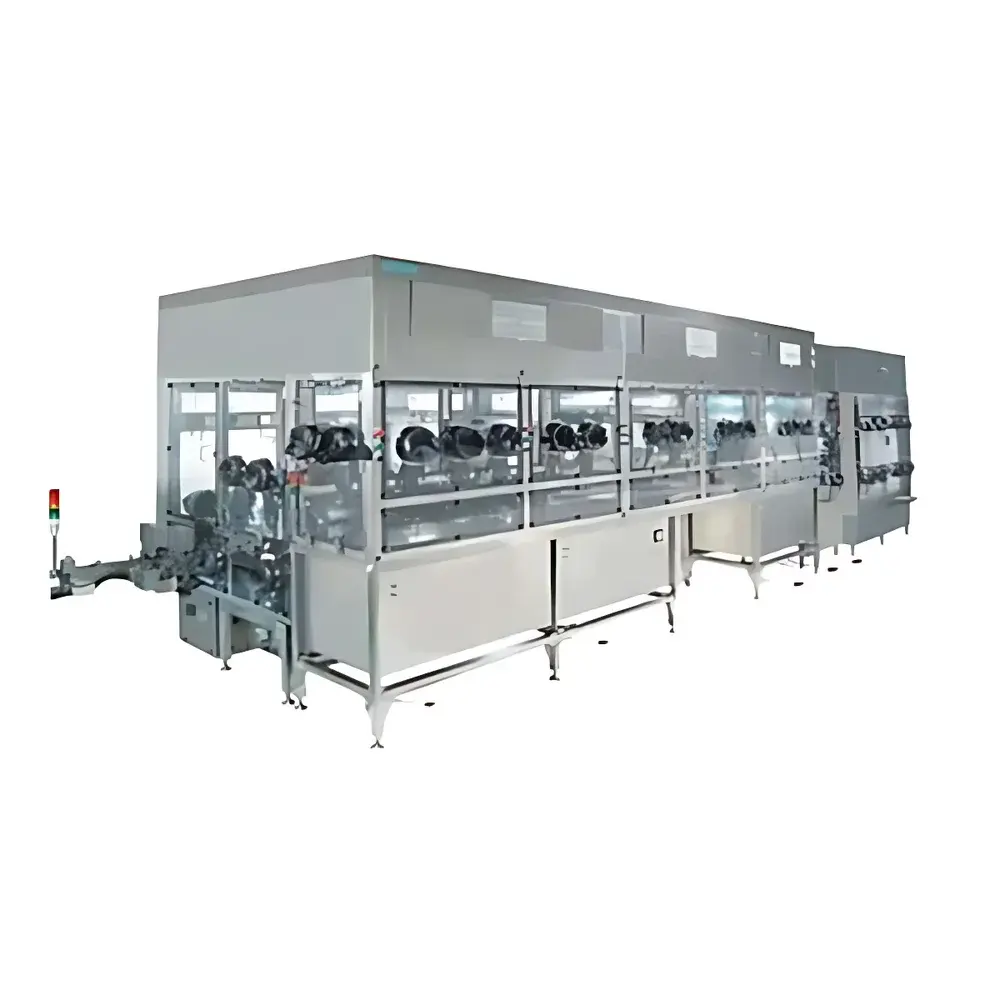
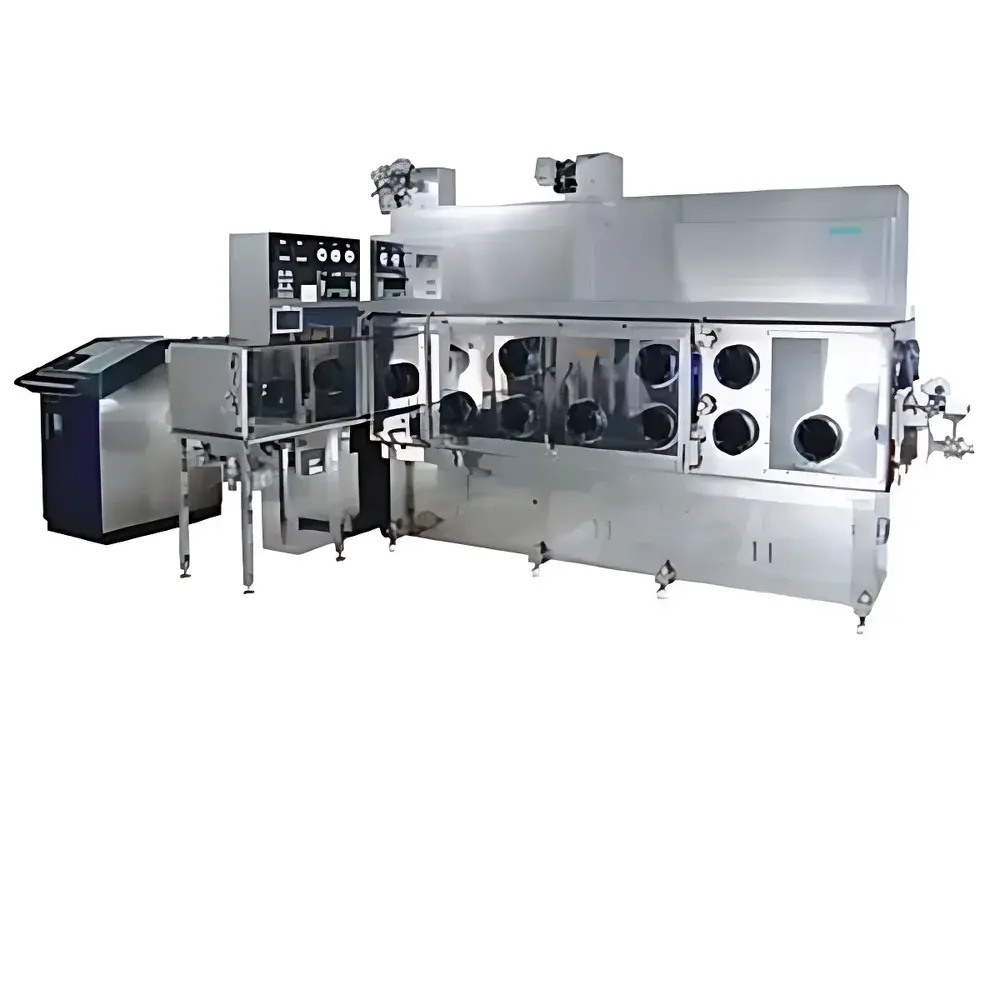
AIRTECH Sterile Isolation System
| Brand | AIRTECH |
|---|---|
| Origin | Jiangsu, China |
| Manufacturer Type | Authorized Distributor |
| Country of Origin | China |
| Model | IS-Series Sterile Isolation System |
| Air Cleanliness Class | ISO 5 (Class 100) |
| Filter Efficiency | ≥99.99% @ 0.3 µm |
| Average Air Velocity | 0.45 m/s |
| Power Supply | AC 220 V / 50 Hz |
| Configuration | Custom-engineered footprint (L × W × H, mm) |
| Pressure Control | Dual-mode (positive or negative differential pressure) |
| Transfer Mechanism | Interlocked dual-door pass-through |
| Sterilization Options | Integrated VHP (vaporized hydrogen peroxide) in-situ sterilization or offline autoclave-compatible modular assembly |
| Control System | Microprocessor-based PLC with audit-trail-capable data logging |
| Air Handling | Configurable open-loop or closed-loop recirculation mode |
Overview
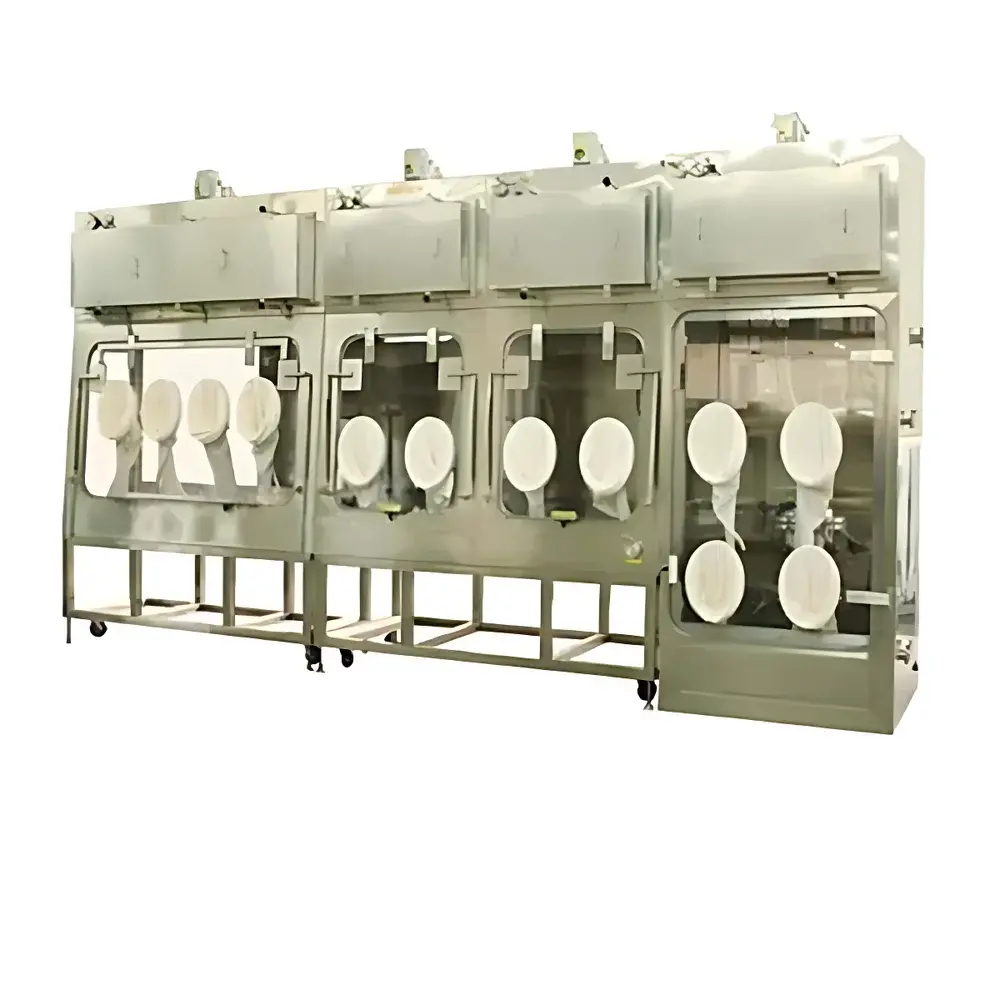
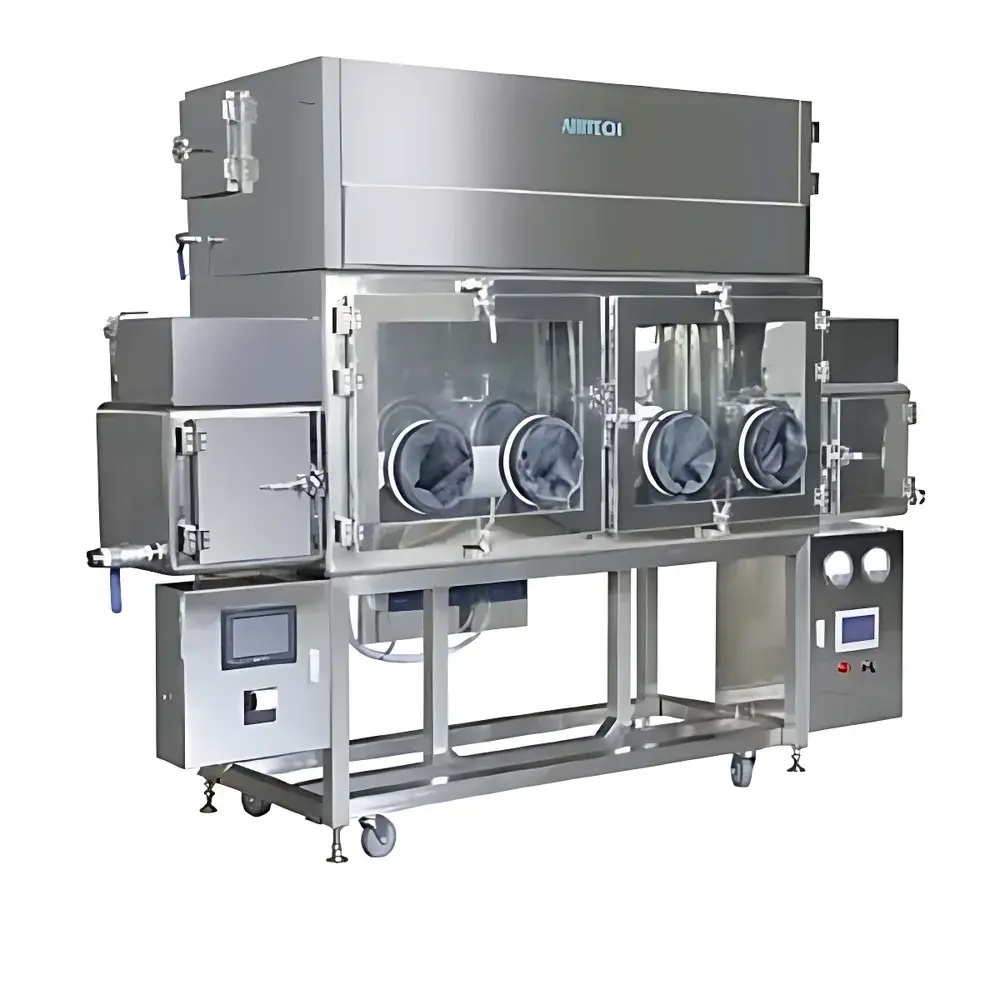
The AIRTECH IS-Series Sterile Isolation System is an engineered containment solution designed to meet the stringent environmental control requirements of aseptic pharmaceutical manufacturing, cell therapy processing, and high-potency compound handling. Built upon the principles of physical barrier isolation and unidirectional laminar airflow, the system establishes a validated ISO 5 (Class 100) clean environment within its working chamber—achieving ≥99.99% particle removal efficiency for airborne contaminants ≥0.3 µm via ULPA filtration. Its core architecture eliminates direct human intervention in critical process zones while enabling controlled material transfer through interlocked dual-door pass-throughs. The system operates under precisely regulated differential pressure conditions—either positive pressure (to protect product from ambient contamination) or negative pressure (to contain hazardous agents)—and supports both open-loop (fresh-air supplemented) and closed-loop (recirculated, energy-optimized) air handling configurations. All operational parameters—including chamber pressure, airflow velocity, temperature, humidity, and sterilization cycle status—are continuously monitored and recorded by an embedded microprocessor-based control system compliant with ALCOA+ data integrity principles.
Key Features
- ULPA-filtered laminar airflow delivering uniform 0.45 m/s vertical velocity across the work area, certified to ISO 14644-1 Class 5 performance standards
- Interlocked dual-door pass-through system with programmable delay logic and real-time door-status feedback to prevent simultaneous opening and maintain pressure integrity
- Dual-mode pressure control architecture supporting user-selectable positive or negative differential pressure setpoints (±25–50 Pa typical range), configurable per process validation protocol
- Integrated vaporized hydrogen peroxide (VHP®) in-situ sterilization module with cycle validation ports, residual catalyst neutralization, and integrated concentration monitoring (ppm-level detection)
- Modular construction enabling offline sterilization compatibility: removable gloveports, sleeves, and internal components designed for autoclave validation per ISO 17665
- PLC-based control interface with password-protected access levels, electronic signature support, and 21 CFR Part 11–compliant audit trail generation for all critical events and parameter changes
Sample Compatibility & Compliance
The IS-Series accommodates a broad spectrum of pharmaceutical unit operations—including aseptic filling, lyophilization loading/unloading, sterile filtration, and cytotoxic API handling—without compromising containment integrity. Chamber interior surfaces are electropolished 316L stainless steel (Ra ≤ 0.4 µm), fully weld-seam traceable and passivated per ASTM A967. All elastomeric components (gloves, cuffs, diaphragms) comply with USP Class VI biological reactivity testing and ISO 10993-5 cytotoxicity requirements. The system is designed and documented to support GMP compliance per EU Annex 1 (2022), PIC/S TR-13, and FDA Guidance for Industry: Sterile Drug Products Produced by Aseptic Processing (2004). Full qualification documentation (DQ/IQ/OQ/PQ) templates and risk assessments (per ISO 14971) are provided as part of commissioning support.
Software & Data Management
The embedded control software provides real-time visualization of all critical environmental parameters on a 10.1″ touchscreen HMI with multi-language capability (English, Simplified Chinese, German). Historical data—including pressure differentials, filter delta-P, VHP cycle logs, and alarm timestamps—is stored locally on encrypted industrial-grade SSD with ≥12-month retention capacity. Data export is supported via USB 2.0 or Ethernet (Modbus TCP/OPC UA) to external MES/LIMS systems. Audit trails record operator ID, timestamp, action type (e.g., “pressure setpoint modified”, “sterilization start initiated”), and pre-/post-value states—fully compliant with 21 CFR Part 11 Subpart B requirements for electronic records and signatures. Optional cloud-based remote monitoring (via TLS 1.2–secured MQTT) enables offsite supervision without compromising network security boundaries.
Applications
- Aseptic formulation and fill-finish operations for injectables, vaccines, and monoclonal antibodies
- Handling of potent compounds (OEB 3–5) requiring operator protection and environmental containment
- Cell and gene therapy manufacturing—particularly open-process steps involving primary human cells
- Pre-sterilization staging and post-lyophilization inspection under ISO 5 conditions
- QC microbiological testing of sterility test isolators and media fill simulation environments
- Supporting Annex 1-mandated “closed system” implementation where traditional RABS or open cleanrooms present contamination risks
FAQ
What ISO classification does the working chamber achieve?
The chamber maintains continuous ISO 14644-1 Class 5 (formerly Class 100) air cleanliness during operation, verified by certified particle counters per ISO 21501-4.
Can the system be qualified for GMP production use?
Yes—the IS-Series is supplied with full DQ/IQ/OQ documentation packages, FAT/SAT protocols, and vendor-supported PQ execution aligned with EU GMP Annex 1 and USP .
Is remote access to operational data permitted?
Remote monitoring is available via optional secure cloud gateway; however, direct remote control or configuration changes require local authenticated access per cybersecurity best practices (IEC 62443-3-3).
How is VHP residue managed after sterilization?
Integrated catalytic neutralizers decompose residual H₂O₂ to water vapor and oxygen, with post-cycle verification via electrochemical sensors confirming <1 ppm residual concentration prior to personnel re-entry.
Does the system support integration with facility BMS?
Yes—standard Modbus TCP and optional OPC UA interfaces enable bidirectional communication with building management systems for centralized alarm aggregation and HVAC coordination.