
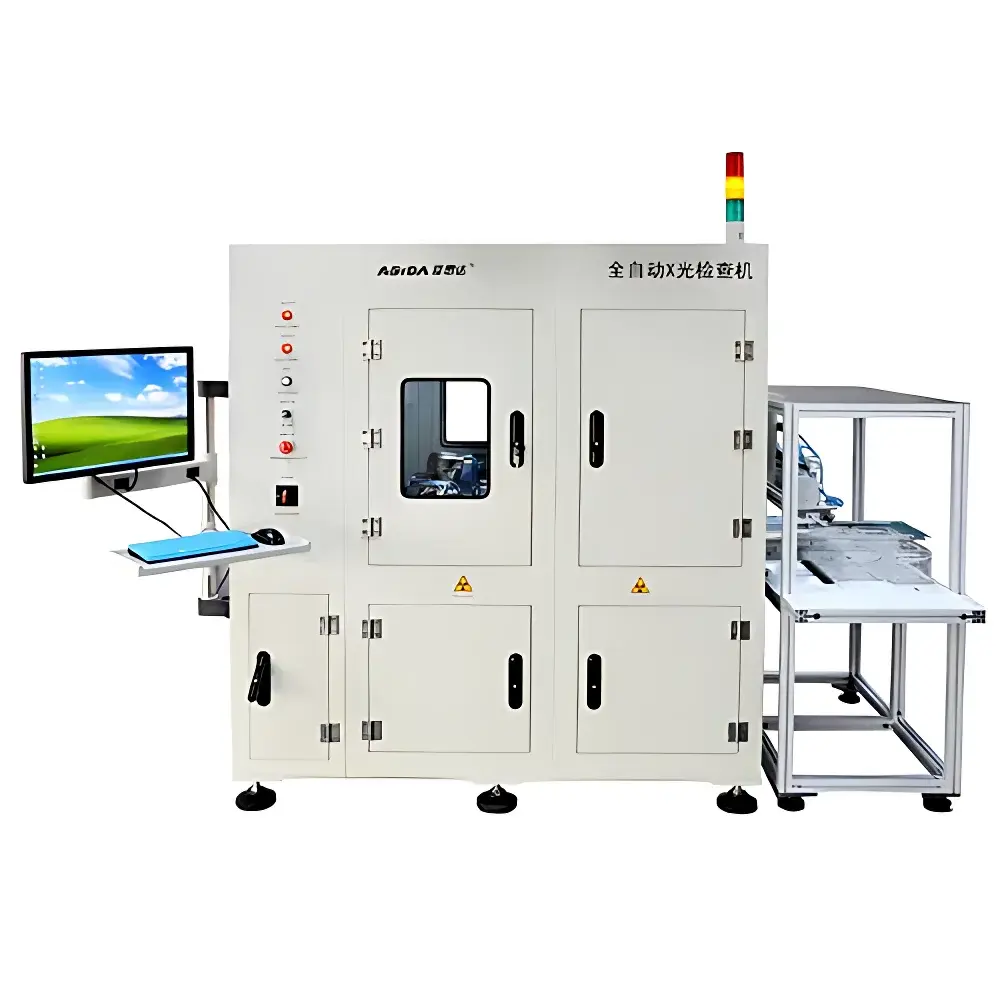
Aisida XG5120 Inline X-ray Inspection System for Cylindrical Lithium-ion Batteries
| Brand | Aisida |
|---|---|
| Origin | Guangdong, China |
| Manufacturer Type | Authorized Distributor |
| Country of Origin | China |
| Model | Zhengye XG5120 |
| Quotation | Available Upon Request |
| Detection Efficiency | ≥60 ppm |
| False Positive Rate | ≤2% |
| False Negative Rate | 0% |
| Yield Accuracy | 99.5% |
| Measurement Resolution | 40 µm |
| Radiation Dose Rate | ≤1 µSv/hr (per IEC 61000-4-2 & ISO 13783 compliance) |
Overview
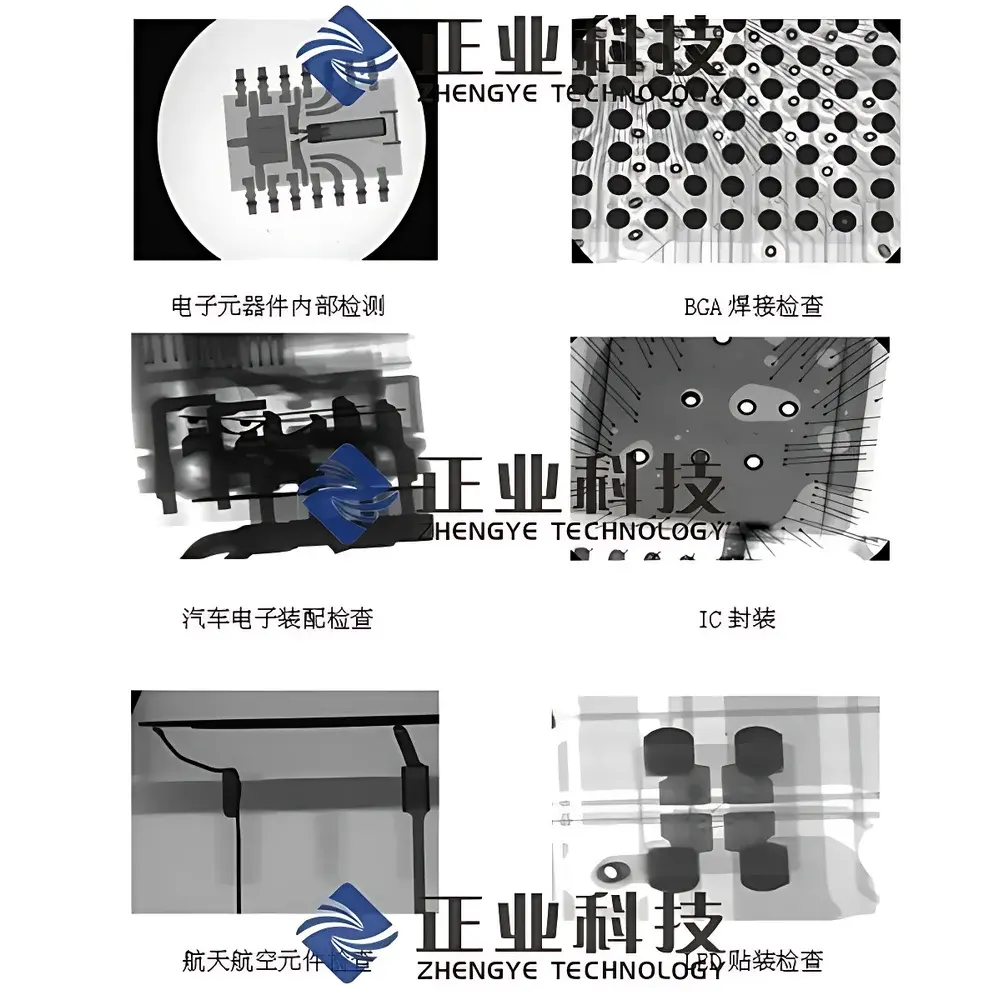
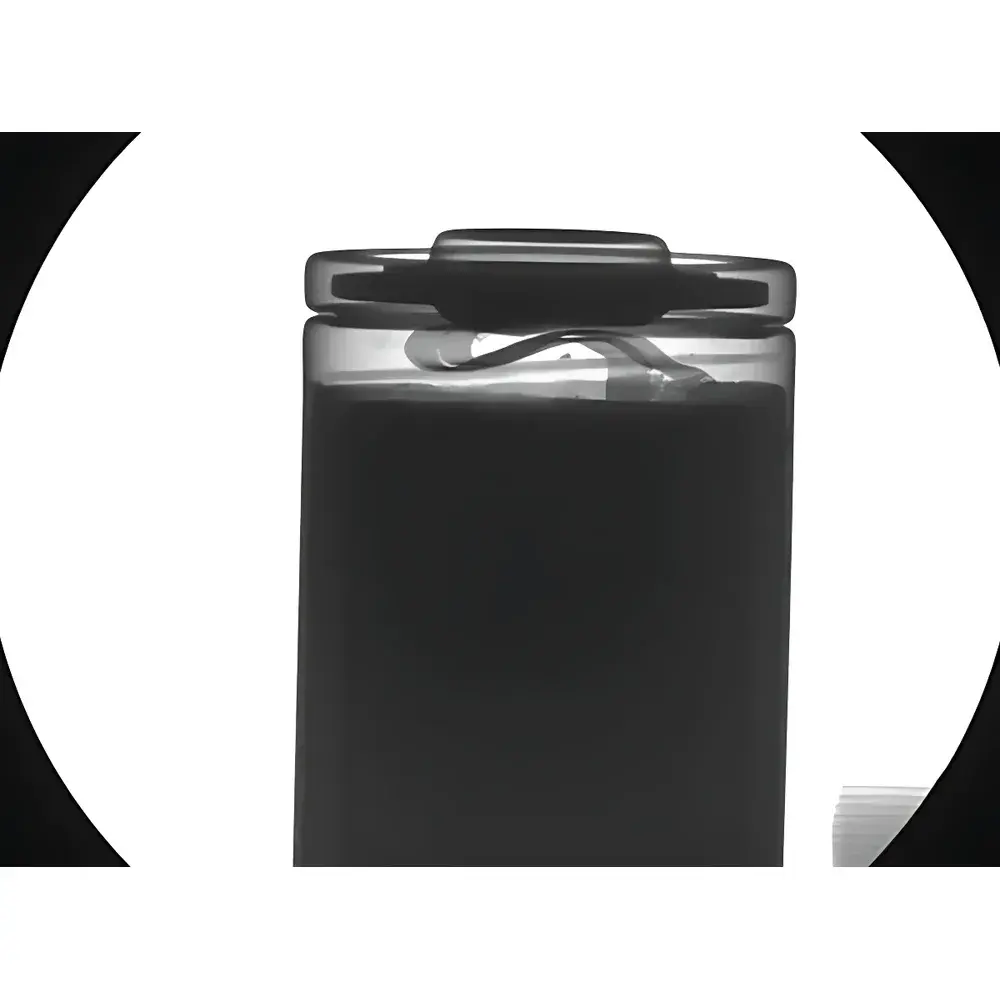
The Aisida XG5120 is an inline, fully automated X-ray inspection system engineered specifically for high-throughput quality assurance in lithium-ion battery manufacturing. It operates on the principle of transmission radiography—utilizing a sealed microfocus X-ray source and dual high-resolution digital imaging subsystems to generate real-time attenuation profiles of cylindrical, prismatic, and pouch-type cells. Unlike offline spot-checking systems, the XG5120 integrates directly into continuous production lines, enabling 100% in-process inspection without interrupting conveyor flow. Its core function is the non-destructive metrological assessment of internal structural features—including anode/cathode alignment, electrode stacking uniformity, tab positioning, weld integrity, and foreign object detection (FOD)—with quantitative analysis of inter-electrode height differentials down to 40 µm. Designed for Class 10,000 cleanroom environments and compliant with industrial safety standards for radiation containment, the system supports both GMP-aligned battery cell production and R&D validation workflows.
Key Features
- Fully integrated inline architecture: Seamless mechanical and signal-level interfacing with upstream feeding conveyors and downstream assembly stations via standard I/O (PROFINET, EtherCAT, or Modbus TCP).
- Dual independent imaging channels: Synchronized X-ray acquisition from orthogonal angles enables stereoscopic reconstruction and eliminates single-axis occlusion artifacts.
- Automated defect classification engine: Rule-based and threshold-driven algorithms classify deviations in electrode overlap, foil wrinkling, separator misalignment, and void formation per user-defined acceptance criteria (e.g., ISO 21867-2:2022 Annex B for Li-ion cell dimensional tolerances).
- Integrated robotic sorting: Pneumatic vacuum gripper arm with ±0.1 mm repeatability performs real-time segregation of NG units into designated reject trays while routing OK units through precision-guided belt transfer.
- Rapid changeover capability: Mechanical fixtures and software presets allow model-switching between 18650, 21700, 26650, and custom pouch formats within 30–120 minutes—verified via built-in calibration phantom validation.
- Shielded radiation enclosure: Lead-equivalent steel housing certified to IEC 61000-4-2 and ISO 13783; operational dose rate ≤1 µSv/hr at 5 cm from any external surface, validated annually by third-party accredited laboratories.
Sample Compatibility & Compliance
The XG5120 accommodates cylindrical cells ranging from 10 mm to 35 mm in diameter and up to 70 mm in length, as well as flexible-format pouch cells (up to 200 × 150 mm) and prismatic modules (max. 220 × 160 × 25 mm). All sample handling components—including indexing belts, centering guides, and vision-triggered positioning stages—are constructed from low-outgassing, non-magnetic stainless steel (AISI 316L) to prevent contamination in dry-room environments. The system meets CE marking requirements under the EU Machinery Directive 2006/42/EC and Electromagnetic Compatibility Directive 2014/30/EU. Radiation safety documentation includes full IAEA SSG-46 alignment reports and local regulatory filings per CNCA-C11-01:2020 (China) and 21 CFR Part 1020.40 (US FDA equivalency basis).
Software & Data Management
Control and analysis are managed via Aisida VisionSuite v4.2—a deterministic Windows-based platform supporting deterministic image capture at 30 fps per channel, real-time GPU-accelerated edge detection, and traceable measurement logging. Each inspected unit receives a timestamped, digitally signed inspection record containing raw projection images, processed feature maps, pass/fail verdicts, and metrology metadata (e.g., cathode-anode step height, foil thickness variance). Audit trails comply with FDA 21 CFR Part 11 requirements, including electronic signatures, role-based access control, and immutable log archiving. Data export supports CSV, HDF5, and OPC UA protocols for integration into MES (e.g., Siemens Opcenter, Rockwell FactoryTalk) and statistical process control (SPC) platforms.
Applications
- Final QA screening of cylindrical Li-ion cells prior to module assembly (e.g., Tesla-style 21700 packs).
- In-line verification of electrode stacking consistency during hot-press and winding processes.
- Root cause analysis of swelling-related field failures via retrospective image correlation with electrochemical test data.
- Process capability studies (Cpk/Ppk) for electrode alignment tolerance stacks across multiple production shifts.
- Supplier qualification audits where objective, repeatable NDT evidence replaces subjective manual visual checks.
FAQ
Does the XG5120 support custom defect templates beyond standard electrode misalignment?
Yes—VisionSuite allows users to define geometric ROIs, intensity thresholds, and multi-feature logical conditions using a script-free GUI; validated templates can be exported/imported across installations.
What radiation safety certifications does the system hold?
It complies with IEC 61000-4-2 (EMC), ISO 13783 (radiation shielding), and national regulations in China (CNCA-C11-01), Germany (RöV), and the USA (FDA 21 CFR 1020.40); full certification dossiers available under NDA.
Can the system interface with existing factory SCADA systems?
Yes—native drivers for Siemens SIMATIC S7, Allen-Bradley ControlLogix, and Mitsubishi MELSEC-Q series are included; OPC UA server mode enables bidirectional alarm/event publishing.
Is maintenance performed on-site or requiring return to service center?
Preventive maintenance (X-ray tube calibration, detector flat-field correction, mechanical alignment verification) is conducted on-site by certified Aisida Field Service Engineers; mean time between failures (MTBF) exceeds 12,000 hours.
How is measurement traceability ensured for the 40 µm resolution claim?
Traceability is established via NIST-traceable tungsten wire phantoms (diameters 25 µm, 50 µm, 100 µm) imaged daily; results logged and reviewed per ISO/IEC 17025 clause 7.7.



