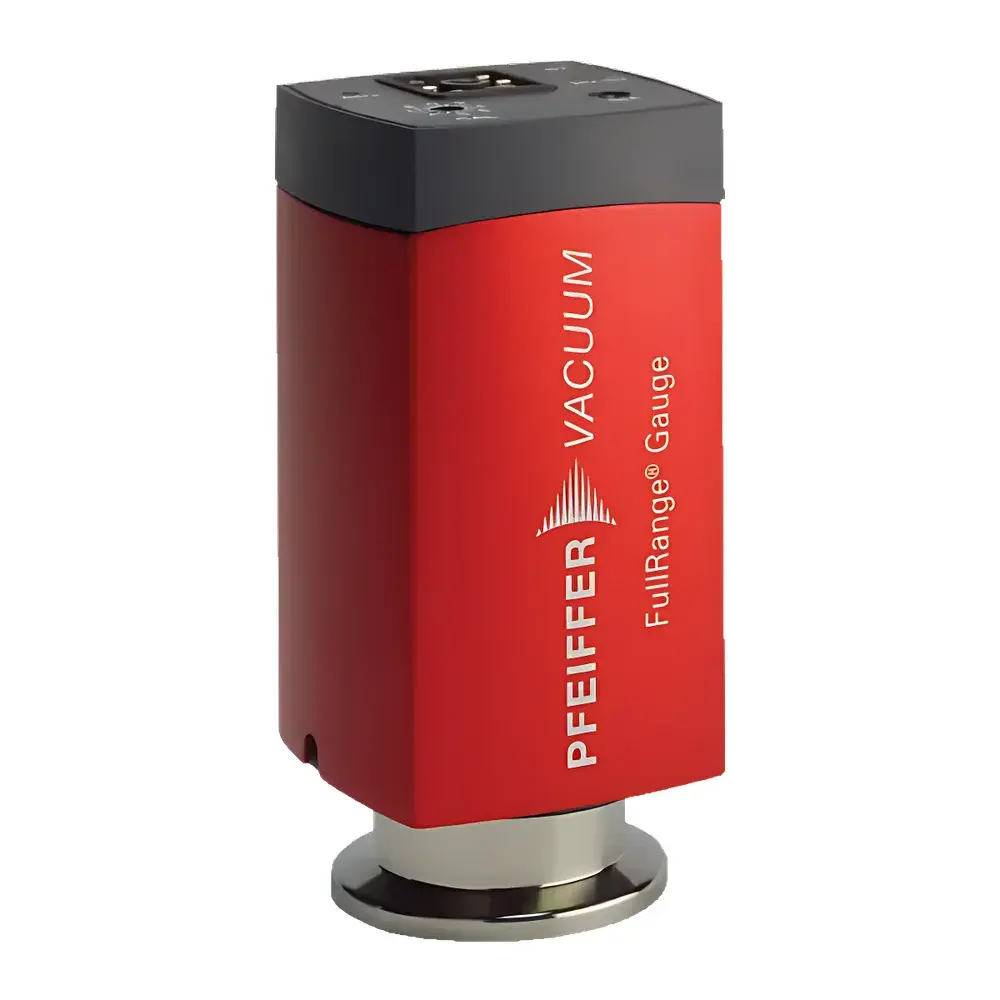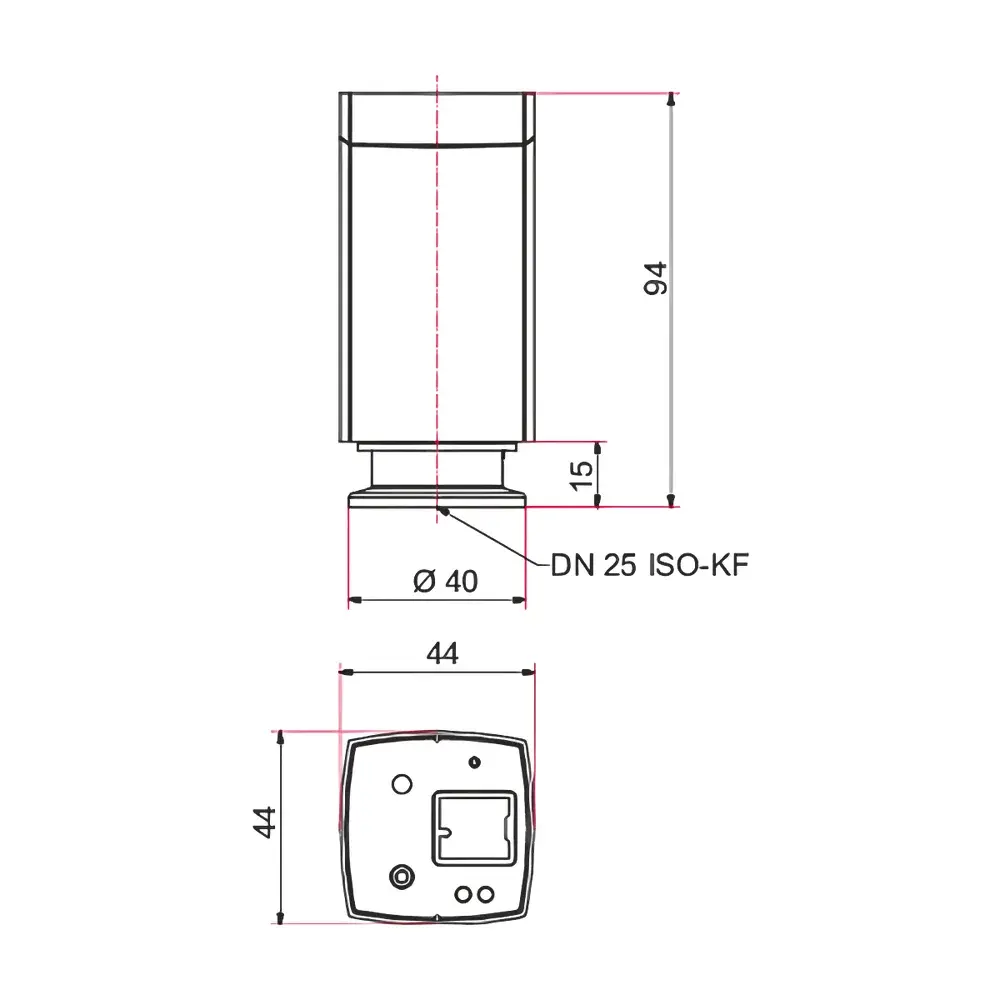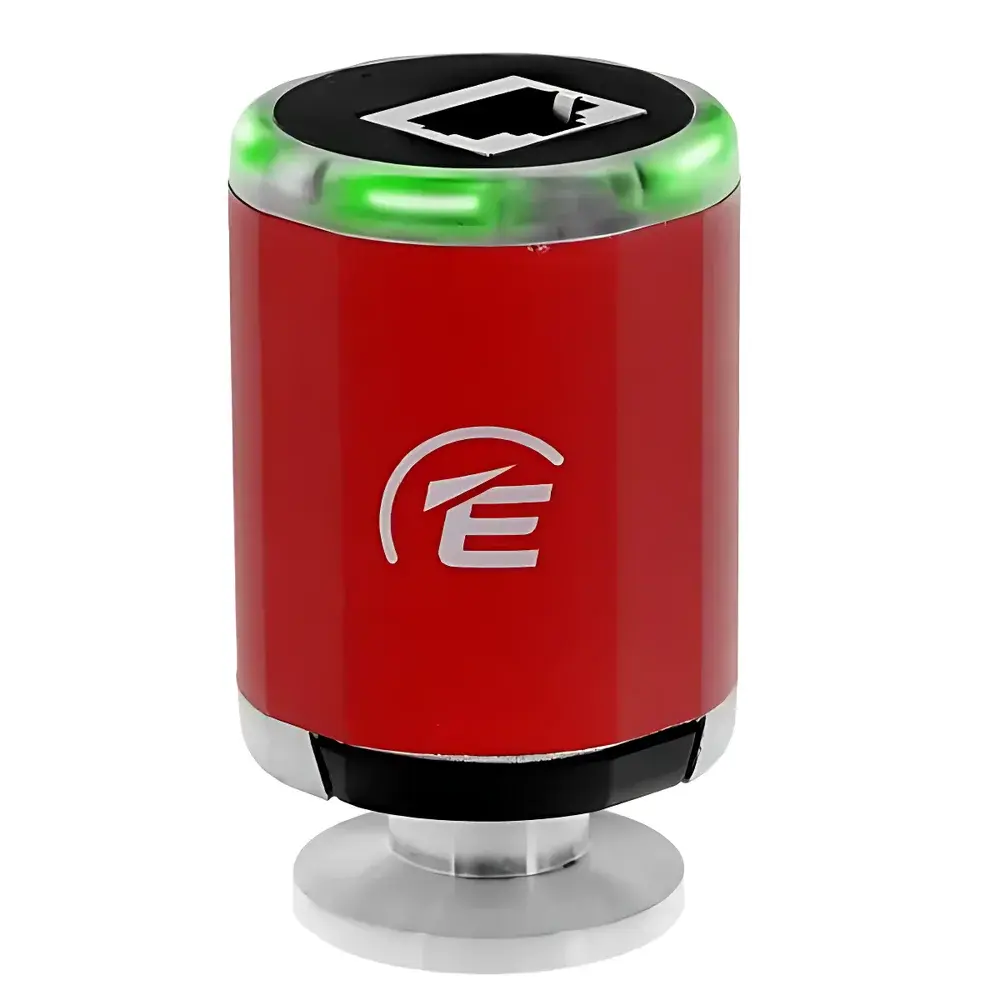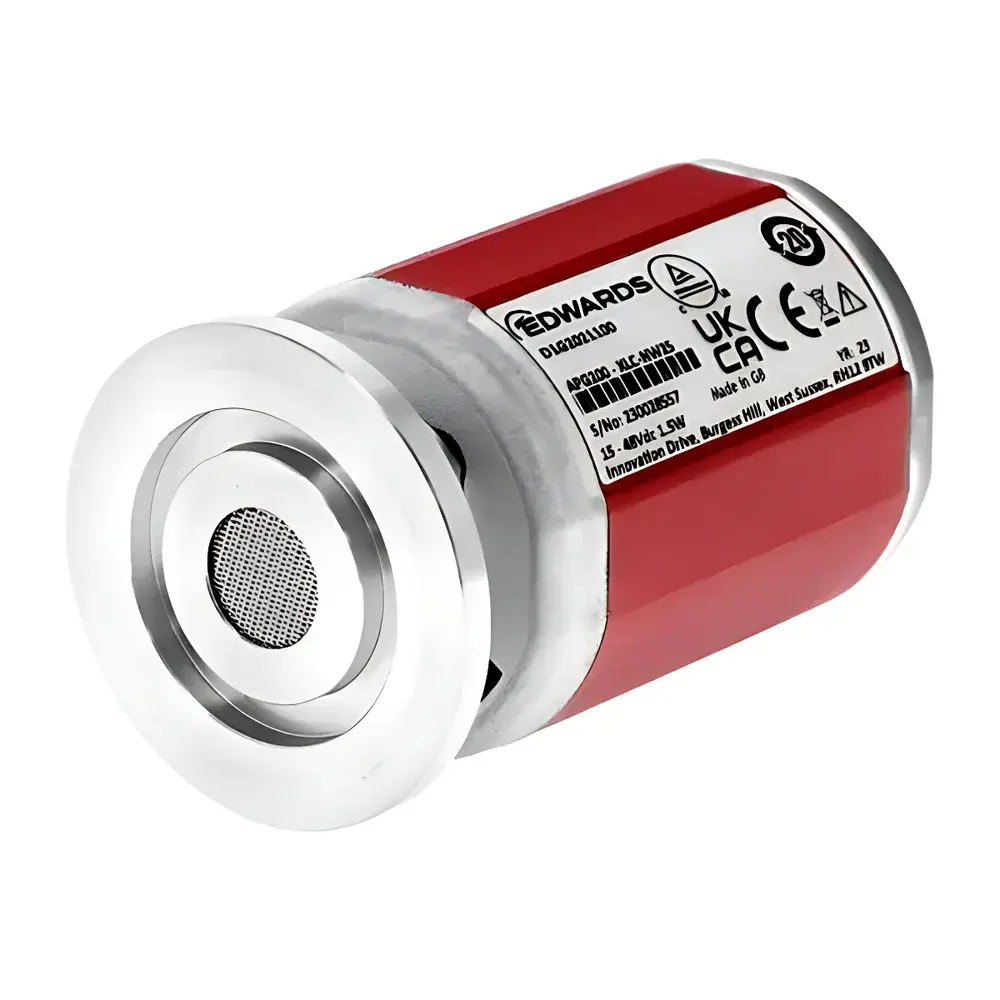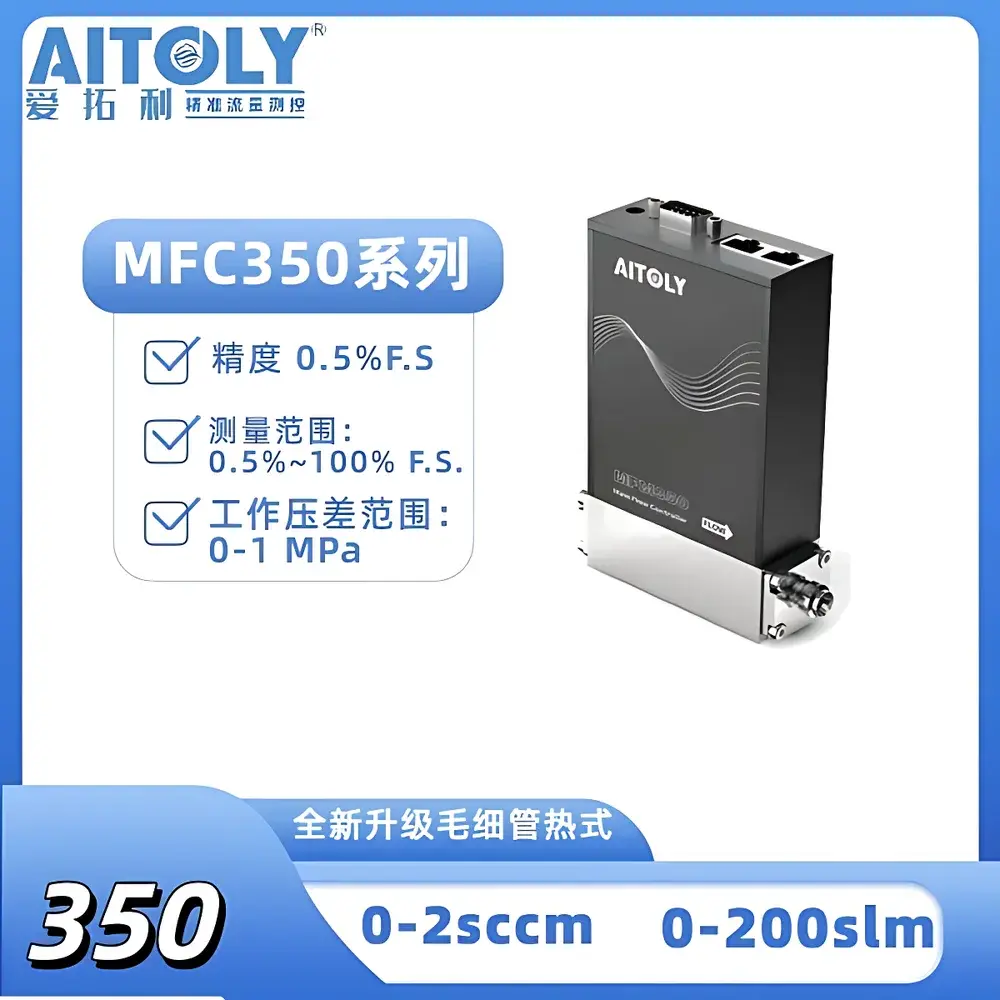
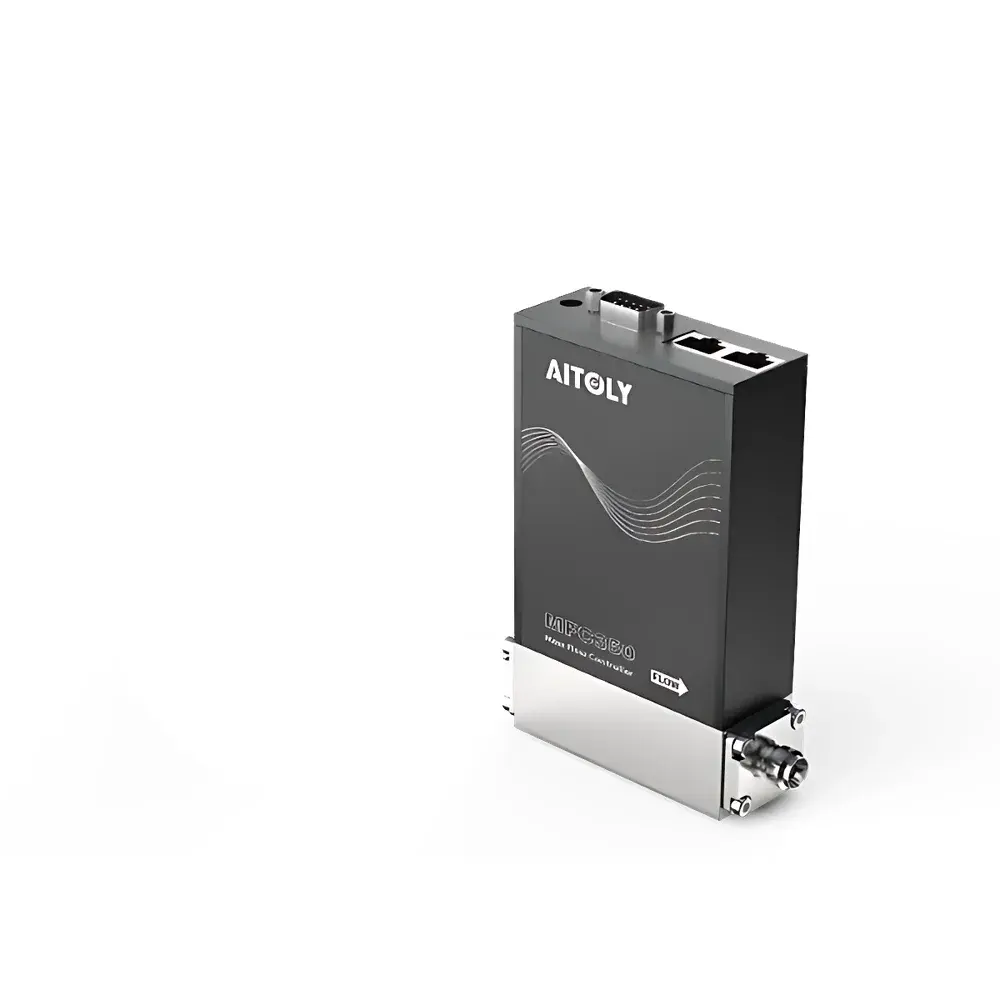
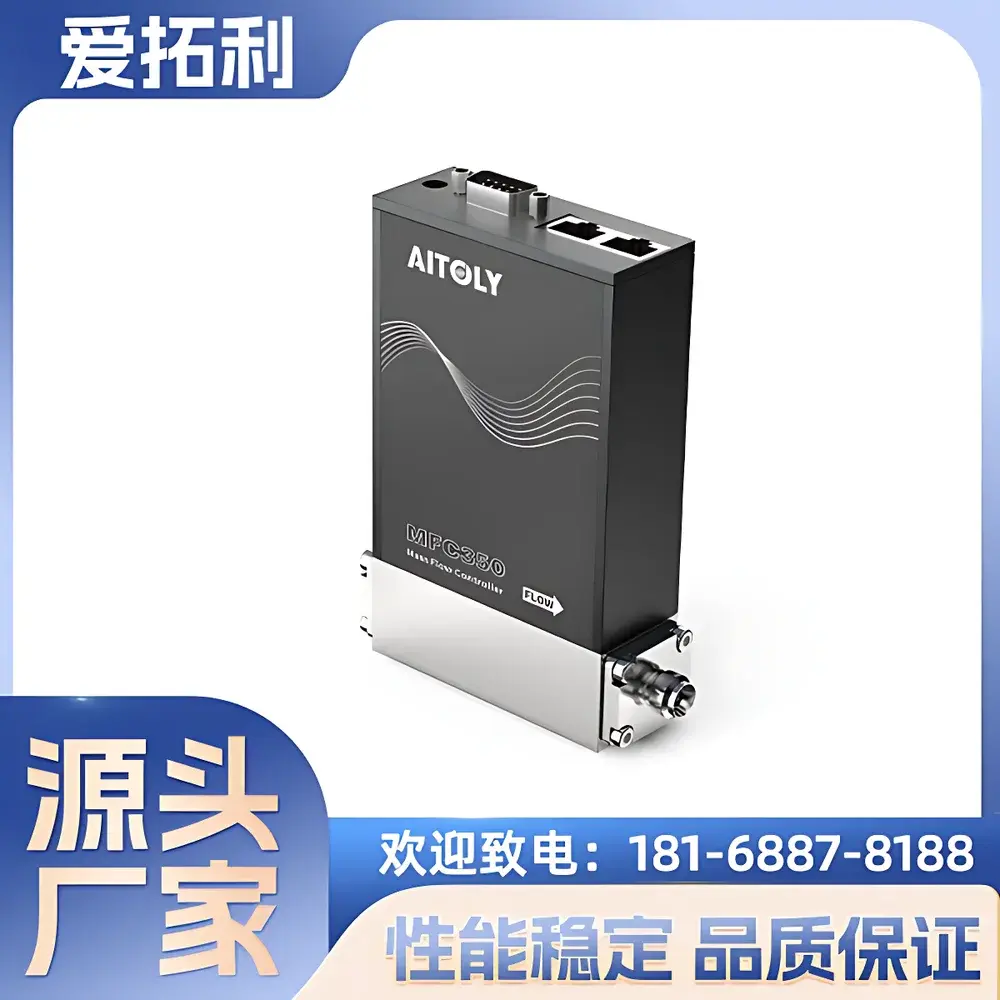
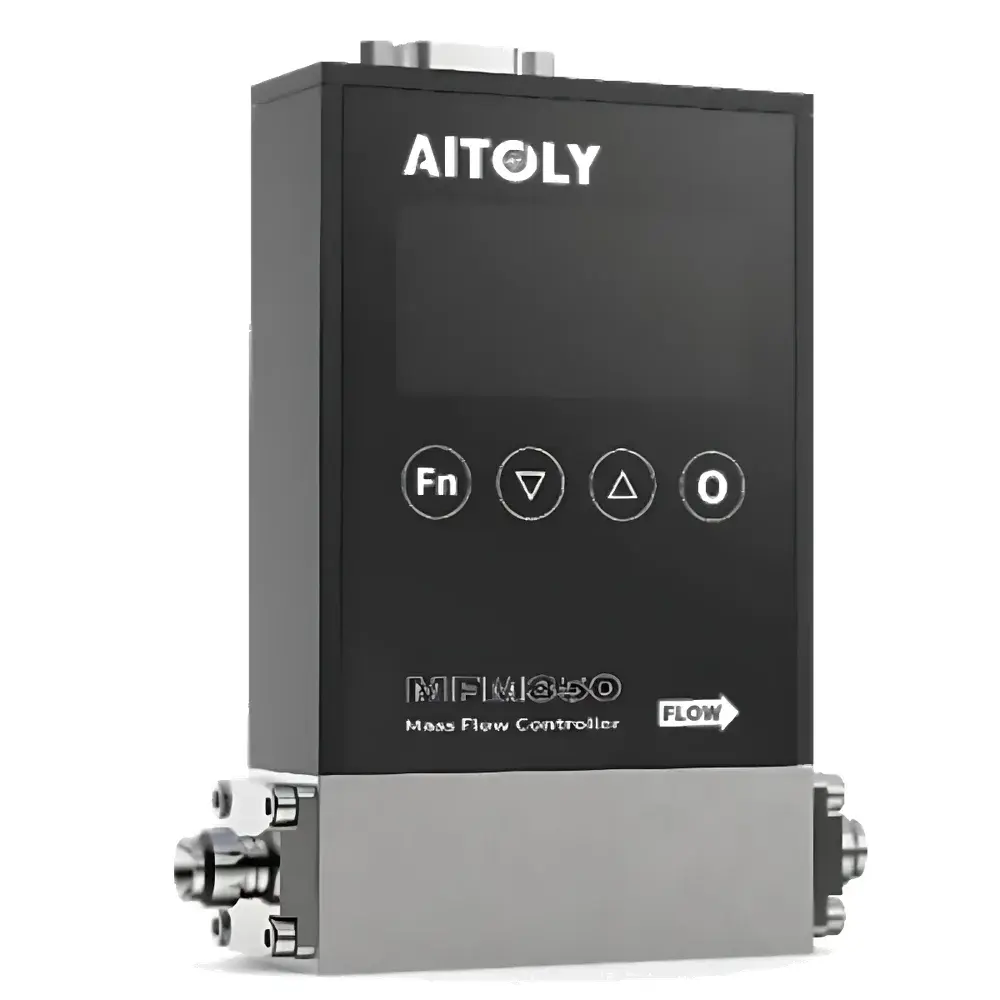
Aitoly MFC350 Thermal Mass Flow Controller (0–10 sccm)
| Brand | Aitoly |
|---|---|
| Model | MFC350 |
| Flow Range | 0–10 sccm |
| Measurement Principle | Thermal Mass Flow (Capillary-Based) |
| Accuracy | ±0.5% FS |
| Control Range | 1–100% FS (1:100) |
| Full-Scale Repeatability | ±0.2% FS |
| Response Time (t₉₀) | <1 s |
| Operating Pressure Drop | 0–1 MPa |
| Maximum Burst Pressure | 3 MPa |
| Valve Type | Normally Closed (NC) Solenoid Valve |
| Warm-up Time (T₉₅) | 5 min |
| Gas Compatibility | >90 Pre-Configured Gases (N₂, O₂, Ar, He, CO₂, H₂, CH₄, NH₃, etc.) |
| Standard Conditions | 20 °C, 101.325 kPa (user-adjustable) |
| Output Signals | 0–5 Vdc, 4–20 mA, RS232, RS485, CAN, EtherCAT |
| Display | Optional Integrated OLED or External PC/HMI Interface |
| Enclosure Rating | IP65 (industrial-grade housing) |
Overview
The Aitoly MFC350 Thermal Mass Flow Controller is a precision-engineered instrument designed for accurate, real-time measurement and closed-loop control of low-rate gas flows in laboratory, semiconductor process, analytical instrumentation, and microfluidic applications. Based on capillary-type thermal mass flow sensing technology, the MFC350 operates on the principle of convective heat transfer: a heated sensor element and reference sensor are placed in parallel within a laminar flow path; differential temperature change induced by gas flow is converted into a linear mass flow signal independent of pressure and temperature fluctuations—provided standard conditions (20 °C, 101.325 kPa) are defined and compensated. Unlike volumetric devices, this controller delivers true mass flow output in standardized cubic centimeters per minute (sccm), eliminating the need for external pressure/temperature correction in stable ambient environments. Its 0–10 sccm full-scale range targets ultra-low-flow regimes where laminar stability, minimal pressure drop, and high dynamic responsiveness are critical—such as carrier gas regulation in GC pre-concentrators, purge gas dosing in vacuum chambers, or calibration gas delivery in environmental monitoring systems.
Key Features
- Capillary-based thermal sensing architecture ensures high sensitivity and long-term stability at sub-10 sccm flow rates
- ±0.5% full-scale accuracy with repeatability better than ±0.2% FS across calibrated gas types
- Fast closed-loop control response: t₉₀ < 1 second enables integration into feedback-regulated gas delivery systems
- Multi-gas capability with factory-calibrated coefficients for over 90 gases—including reactive (NH₃, Cl₂), inert (Ar, He), and combustible (H₂, CH₄) species
- Robust mechanical design: stainless steel wetted parts, 3 MPa burst pressure rating, and IP65-rated enclosure for industrial deployment
- Flexible analog and digital I/O: simultaneous 0–5 Vdc and 4–20 mA outputs, plus configurable serial (RS232/RS485) and industrial fieldbus (CAN, EtherCAT) interfaces
- User-configurable STP reference (temperature and pressure) to align with ISO 8573-1, ASTM D3588, or internal lab standards
Sample Compatibility & Compliance
The MFC350 supports operation with non-corrosive, non-condensing, particle-free gases. For compatibility beyond air and nitrogen, users select from a built-in gas library during configuration—each entry applying empirically derived thermal conductivity and specific heat corrections. The device complies with CE marking requirements for electromagnetic compatibility (EN 61326-1) and low-voltage safety (EN 61010-1). While not intrinsically safe certified, its low-power solenoid valve and thermally isolated sensor path support use in Class 1 Div 2 environments when installed with appropriate barrier systems. Calibration traceability follows ISO/IEC 17025 guidelines via Aitoly’s accredited metrology lab, with optional NIST-traceable certificate available upon request.
Software & Data Management
Configuration, real-time monitoring, and batch logging are supported via Aitoly’s cross-platform MFC-Control Suite (Windows/macOS/Linux), which provides intuitive parameter setup, live trend plotting, and CSV export. All communication protocols implement command-response framing with checksum validation to ensure data integrity. For regulated environments, firmware version 2.3+ supports audit trail logging (user actions, setpoint changes, calibration events) and role-based access control—aligning with FDA 21 CFR Part 11 expectations for electronic records when deployed with validated system configurations. Raw flow data timestamps are synchronized to host system clock with microsecond resolution via PTP-compatible EtherCAT implementation.
Applications
- Gas chromatography (GC) carrier and make-up gas control in portable and benchtop analyzers
- Precise dopant gas injection in plasma-enhanced chemical vapor deposition (PECVD) and atomic layer deposition (ALD) tools
- Calibration gas blending systems for environmental emission analyzers (e.g., NOₓ, SO₂ monitors)
- Leak testing and decay rate quantification in hermeticity validation (MIL-STD-883, J-STD-033)
- Microreactor feed control in catalysis research and continuous-flow synthesis platforms
- Zero-air generation and dilution systems for particulate matter (PM₂.₅/PM₁₀) reference calibrators
FAQ
Is the MFC350 suitable for corrosive gases such as Cl₂ or HCl?
No—the standard wetted materials (316L SS, glass-fused quartz capillary, Kalrez® seals) are not rated for halogenated or strongly acidic gases. A custom variant with Hastelloy C-276 and fluorosilicone elastomers is available under OEM agreement.
Can multiple MFC350 units be daisy-chained via RS485?
Yes—Modbus RTU protocol supports up to 32 nodes on a single bus with configurable slave IDs and termination resistors.
Does the device require periodic recalibration?
Annual verification against a primary standard is recommended per ISO 9001 and GLP requirements; drift remains below ±0.3% FS/year under typical lab conditions.
What is the minimum detectable flow for the 0–10 sccm range?
The lower limit of reliable measurement is 0.05 sccm (0.5% FS), validated per ISO 4064-2 Annex B using gravimetric reference.
Is firmware update possible in-field?
Yes—via USB-C interface or networked EtherCAT master; updates preserve user calibration tables and configuration profiles.