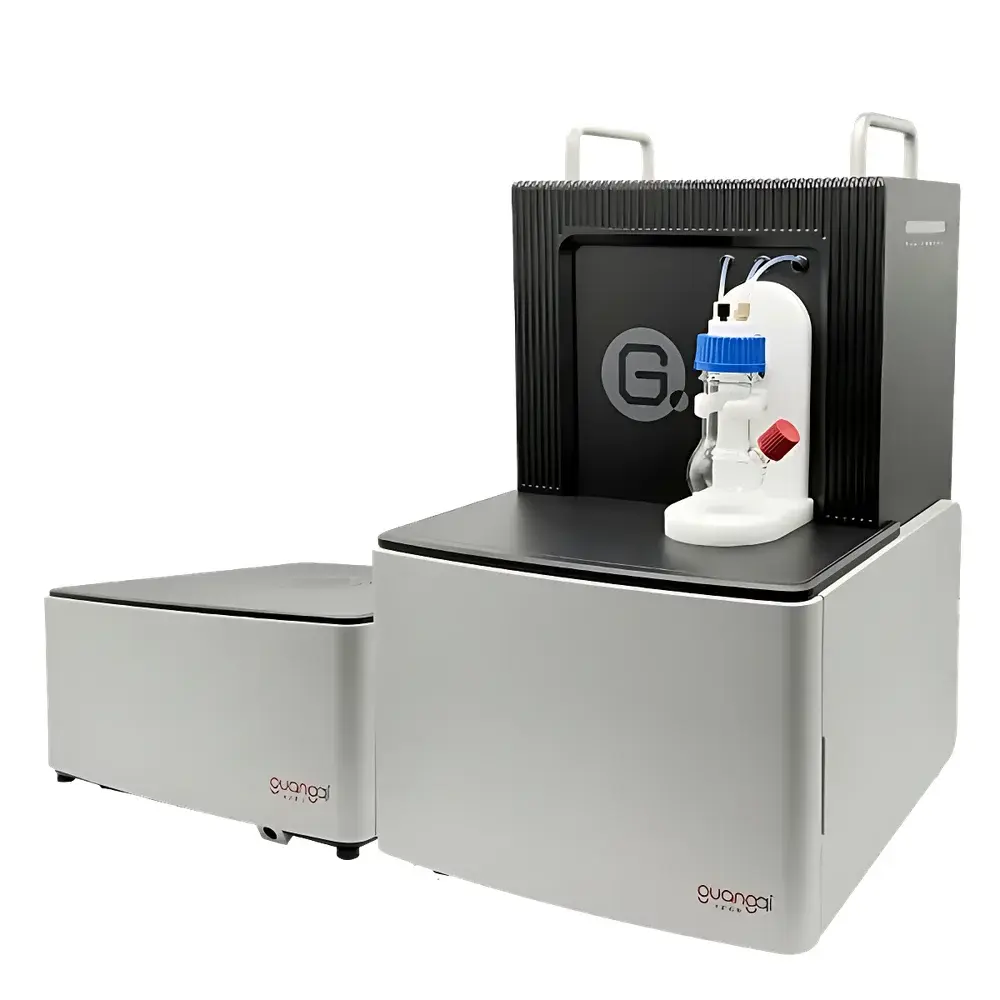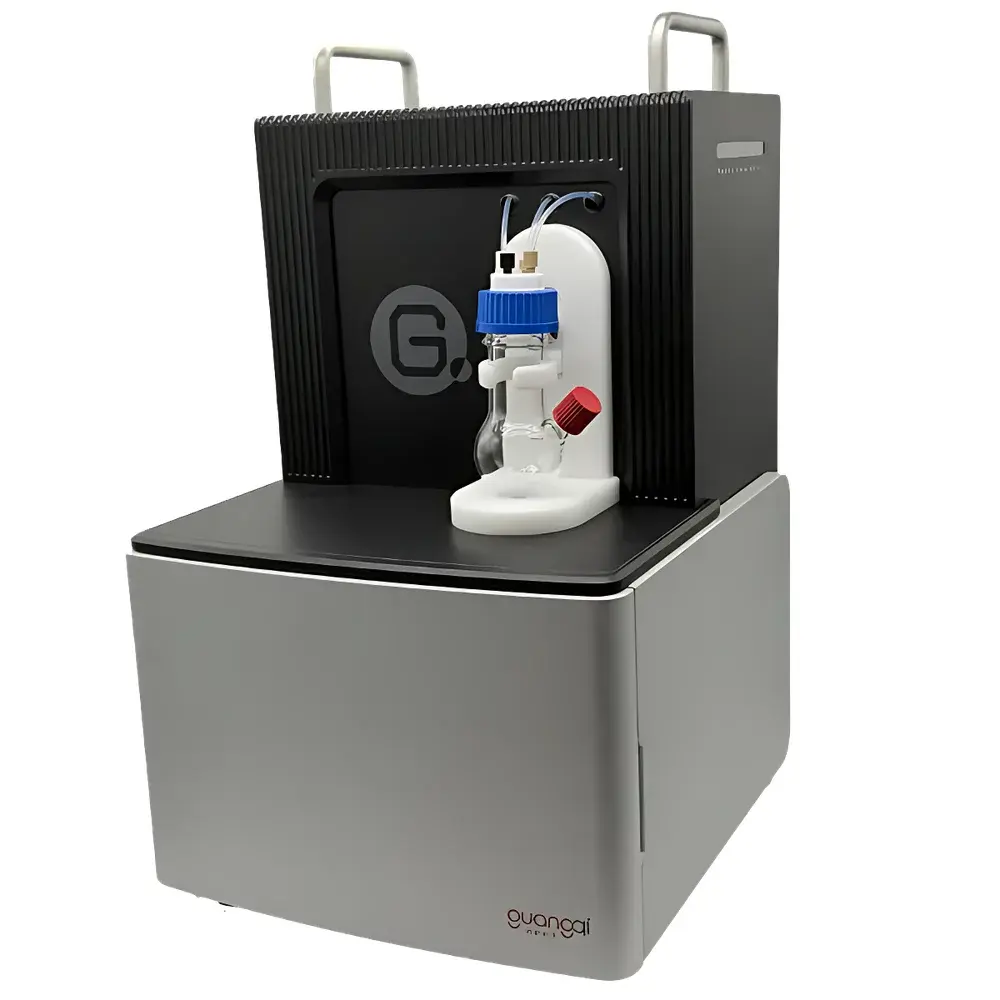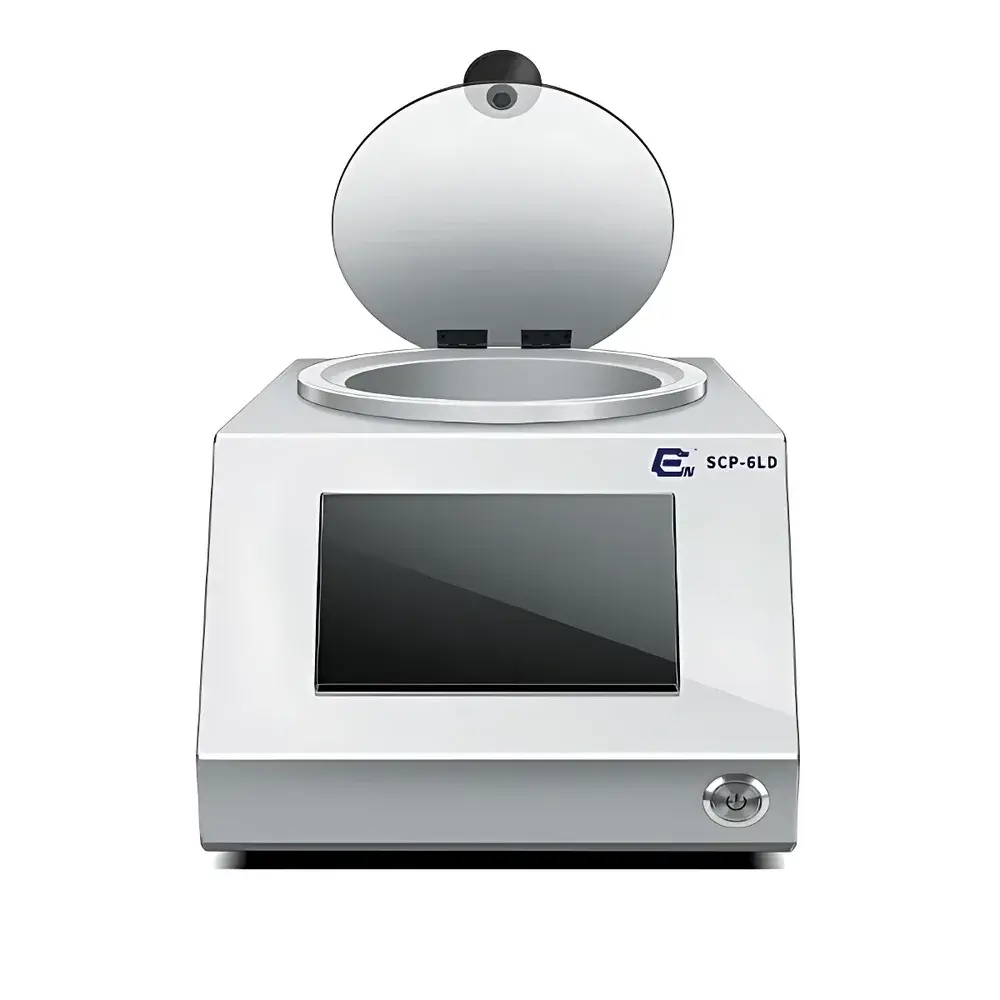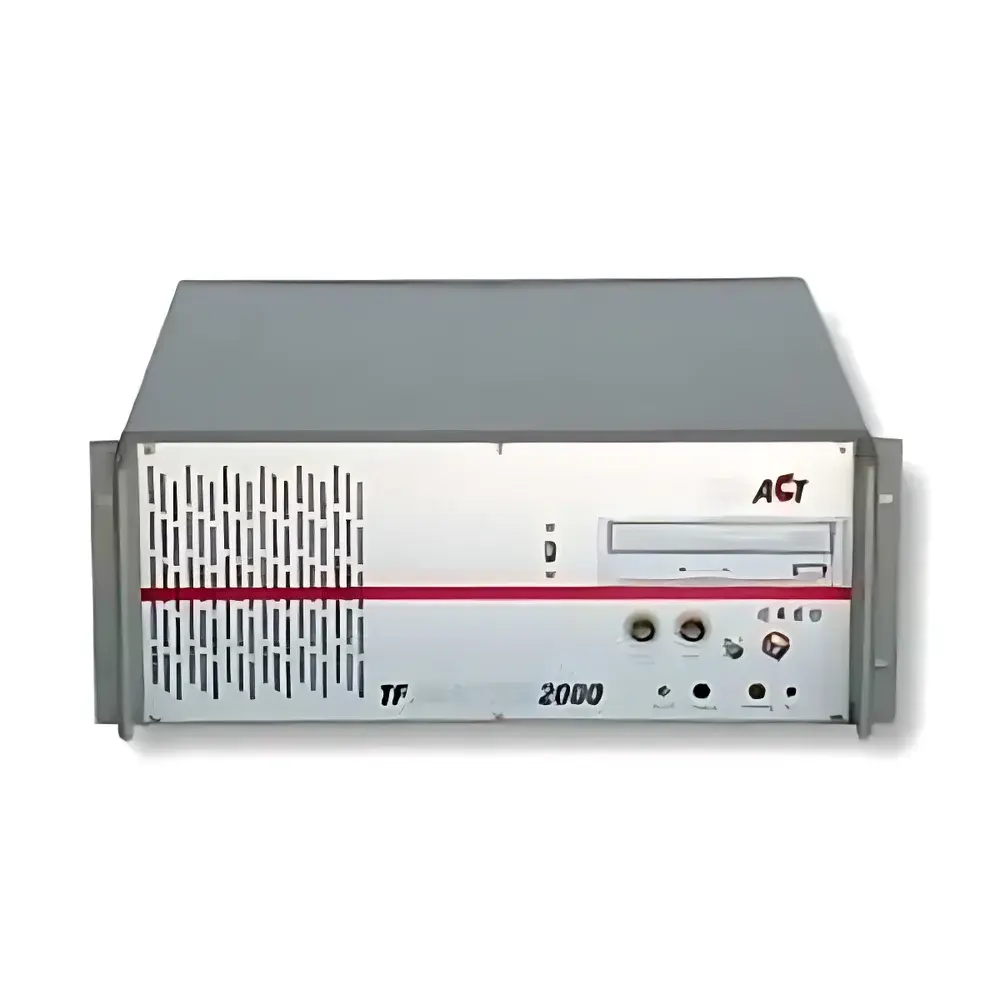
aixACCT TF Analyzer 3000E High-Speed Modular Ferroelectric Test System
| Brand | aixACCT |
|---|---|
| Origin | Germany |
| Model | TF Analyzer 3000E |
| Voltage Range | ±25 V (extendable to ±10 kV) |
| Hysteresis Frequency | up to 1 MHz (High-Speed FE Module) |
| Minimum Pulse Width | 50 ns |
| Minimum Rise Time | 10 ns |
| Maximum Fatigue Frequency | 16 MHz |
| Current Amplification Range | 1 pA to 1 A |
| Max Load Capacitance | 1 nF |
| Peak Output Current | ±1 A |
| Software Platform | aixPlorer v5.x (Windows 7/10 compatible) |
| Compliance | ASTM D991, IEC 62047-18, ISO/IEC 17025-ready architecture |
| Modularity | FE, MR, RX, DR modules |
Overview
The aixACCT TF Analyzer 3000E is a high-speed, modular ferroelectric test system engineered for precision characterization of ferroelectric, piezoelectric, and pyroelectric materials across research laboratories and semiconductor process development environments. Based on the fundamental principles of charge displacement measurement under controlled electric field excitation, the system quantifies polarization hysteresis, switching dynamics, domain nucleation kinetics, and dielectric relaxation behavior with sub-nanosecond temporal resolution. Its architecture implements a closed-loop voltage-current-force feedback topology, enabling accurate separation of displacement current from conduction current—critical for distinguishing intrinsic ferroelectric switching from parasitic leakage in thin-film capacitors and emerging memory devices (e.g., FeRAM, FeFET). Designed and manufactured in Aachen, Germany, the TF Analyzer 3000E complies with metrological traceability frameworks aligned with ISO/IEC 17025 requirements and supports audit-ready data integrity workflows compliant with FDA 21 CFR Part 11 when configured with electronic signature and audit trail options.
Key Features
- Ultra-high-speed ferroelectric testing: Dynamic hysteresis acquisition at up to 1 MHz (High-Speed FE module), enabling real-time observation of domain wall motion and nucleation-limited switching in nanoscale films.
- Sub-10 ns signal fidelity: 10 ns minimum rise time and 50 ns minimum pulse width support PUND (Positive-Up-Negative-Down) and double-pulse fatigue protocols essential for reliability assessment of next-generation nonvolatile memory cells.
- Multi-parameter current amplification: Programmable transimpedance gain spanning 12 decades (1 pA to 1 A), facilitating simultaneous detection of femtoampere-scale depolarization currents and ampere-level transient discharge events.
- Modular functional expansion: Interchangeable hardware modules—including FE (ferroelectric), MR (magnetoresistive), RX (relaxation current), and DR (dielectric self-discharge)—allow configuration tailored to specific material physics investigations.
- Industrial-grade automation: Integrated 256-channel multiplexer enables unattended batch testing of wafer-level device arrays, supporting statistical process control (SPC) and qualification of ferroelectric integration into CMOS-compatible fabrication flows.
- High-voltage compatibility: Optional ±10 kV high-voltage amplifier extension supports breakdown analysis and coercive field mapping of bulk ceramics and thick-film actuators without external instrumentation stacking.
Sample Compatibility & Compliance
The TF Analyzer 3000E accommodates diverse sample geometries including sputtered or sol-gel-derived thin films (5 nm–5 µm), screen-printed thick films (10–100 µm), bulk polycrystalline ceramics (up to 25 mm diameter), and packaged discrete components (e.g., multilayer capacitors, MEMS actuators). It interfaces seamlessly with environmental control accessories—such as cryogenic probe stations (4 K–473 K), vacuum chambers (<10⁻⁶ mbar), and magnetic field platforms (up to 9 T via PPMS integration)—enabling coupled electro-thermal-magnetic property mapping. All measurement routines adhere to internationally recognized standards: hysteresis loop acquisition follows ASTM D991 guidelines for ferroelectric ceramics; piezoelectric d₃₃ coefficient extraction conforms to IEC 62047-18; and thermal depolarization protocols align with IEEE Std 1788.1-2021 for pyroelectric sensor calibration. The system’s hardware design and firmware architecture are structured to support GLP/GMP-aligned validation documentation packages.
Software & Data Management
Controlled by the aixPlorer v5.x software suite, the TF Analyzer 3000E provides a deterministic, scriptable measurement environment built on a real-time Windows subsystem. The interface supports hierarchical experiment definition—allowing users to define multi-step sequences combining voltage sweeps, pulse trains, hold periods, and conditional branching based on real-time current thresholds. Raw time-domain waveforms (voltage, current, displacement) are acquired at up to 2 GS/s with 16-bit vertical resolution and stored in HDF5 format with embedded metadata (timestamp, calibration coefficients, environmental conditions). Data processing includes automated hysteresis loop fitting (Sawyer-Tower correction, linear leakage subtraction), C(V) curve derivation, fatigue degradation modeling (logarithmic or exponential decay fits), and impedance spectroscopy (via optional add-on module). Audit trail functionality records all user actions, parameter changes, and calibration events with digital signatures and immutable timestamps—fully satisfying 21 CFR Part 11 requirements for regulated environments.
Applications
- Ferroelectric memory development: Quantification of imprint stability, retention loss mechanisms, and wake-up/fatigue behavior in HfO₂-based FeFETs and PZT-based FeCAPs under accelerated stress conditions.
- Piezoelectric MEMS transduction: Extraction of effective d₃₃ coefficients, electromechanical coupling factors (kₜ), and loss tangent (tan δ) in AlN and Sc-doped AlN thin films used in RF filters and ultrasonic transducers.
- Pyroelectric detector qualification: Temperature-dependent polarization measurements across phase transitions (e.g., Curie point mapping in LiTaO₃ and PVDF-TrFE copolymers) for infrared sensing applications.
- Relaxor ferroelectric analysis: Separation of reversible (Maxwell-Wagner) and irreversible (dipolar/ionic) relaxation processes using RX module’s step-voltage current transients—critical for understanding energy storage efficiency in BST-based dielectrics.
- DRAM capacitor screening: DR module enables direct evaluation of self-discharge kinetics in high-κ stack dielectrics under bias-temperature stress, correlating with data retention failure modes.
- Materials reliability engineering: Multi-parameter fatigue testing (voltage amplitude, frequency, duty cycle, temperature ramp) to construct lifetime prediction models per JEDEC JEP184 guidelines.
FAQ
What distinguishes the TF Analyzer 3000E from the 2000E model?
The 3000E introduces a dedicated high-speed front-end with 1 MHz hysteresis bandwidth, 10 ns rise time, and 16 MHz fatigue cycling capability—enabling dynamic studies inaccessible to the 2000E’s 5 kHz limit.
Can the system perform in-situ compensation during high-frequency measurements?
Yes—the FE module supports real-time in-situ compensation algorithms that dynamically subtract parasitic capacitance and series resistance contributions, preserving signal integrity up to 250 kHz without external nulling.
Is thermal control integrated or requires external hardware?
Temperature regulation is implemented via optional plug-in modules: the FilmProbe CryoStage (−180 °C to +300 °C), BulkFurnace (RT to 1000 °C), and ThermoLink controller—all fully synchronized with electrical stimulus timing in aixPlorer.
How does the system ensure measurement reproducibility across labs?
Each unit ships with NIST-traceable calibration certificates for voltage, current, and timing channels; firmware enforces strict adherence to defined stimulus profiles and includes automated self-diagnostic routines prior to every test sequence.
Does the software support custom scripting for proprietary test protocols?
Yes—Python API access (via COM interface) allows full programmatic control of hardware resources, data acquisition triggers, and post-processing pipelines, enabling integration into automated lab workflows and CI/CD test environments.