
Akwa®Cyte Online Cell Sensor
| Brand | Bioaces |
|---|---|
| Origin | Shanghai, China |
| Manufacturer Type | Authorized Distributor |
| Origin Category | Domestic (China) |
| Model | Akwa®Cyte |
| Pricing | Upon Request |
Overview
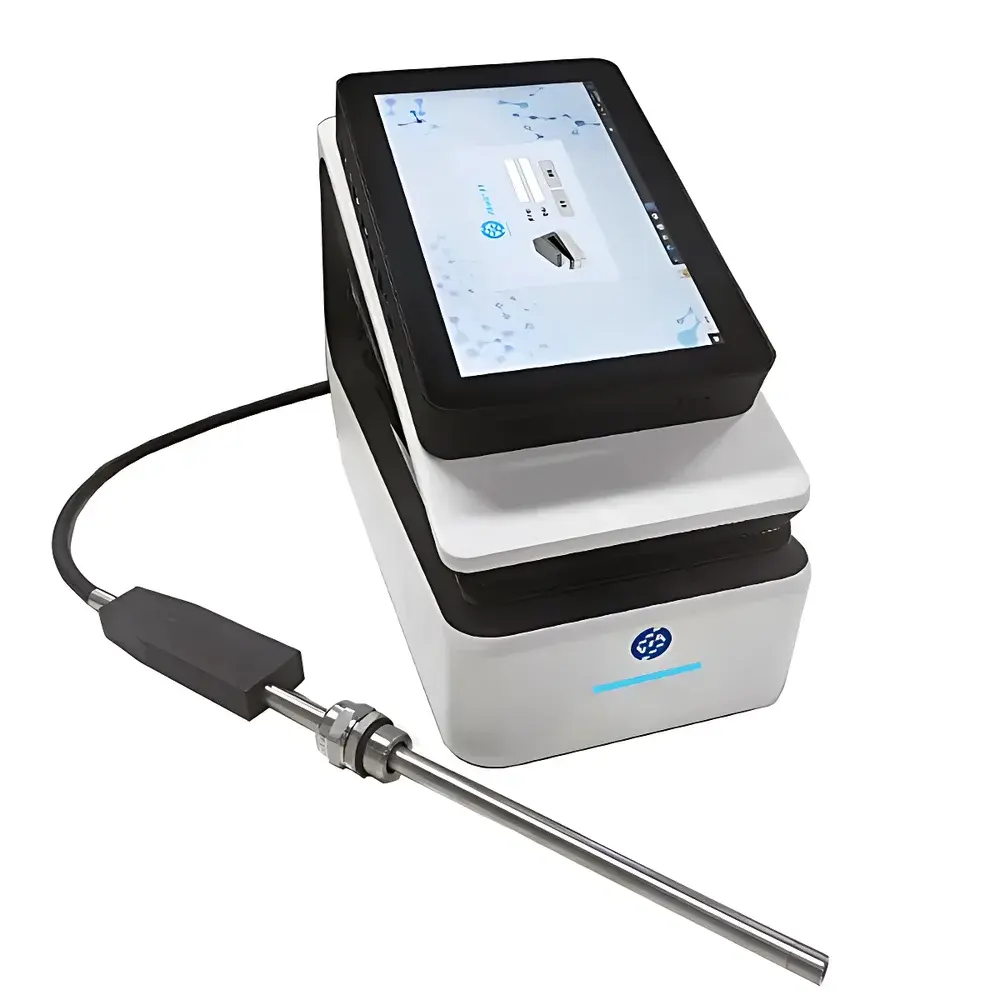
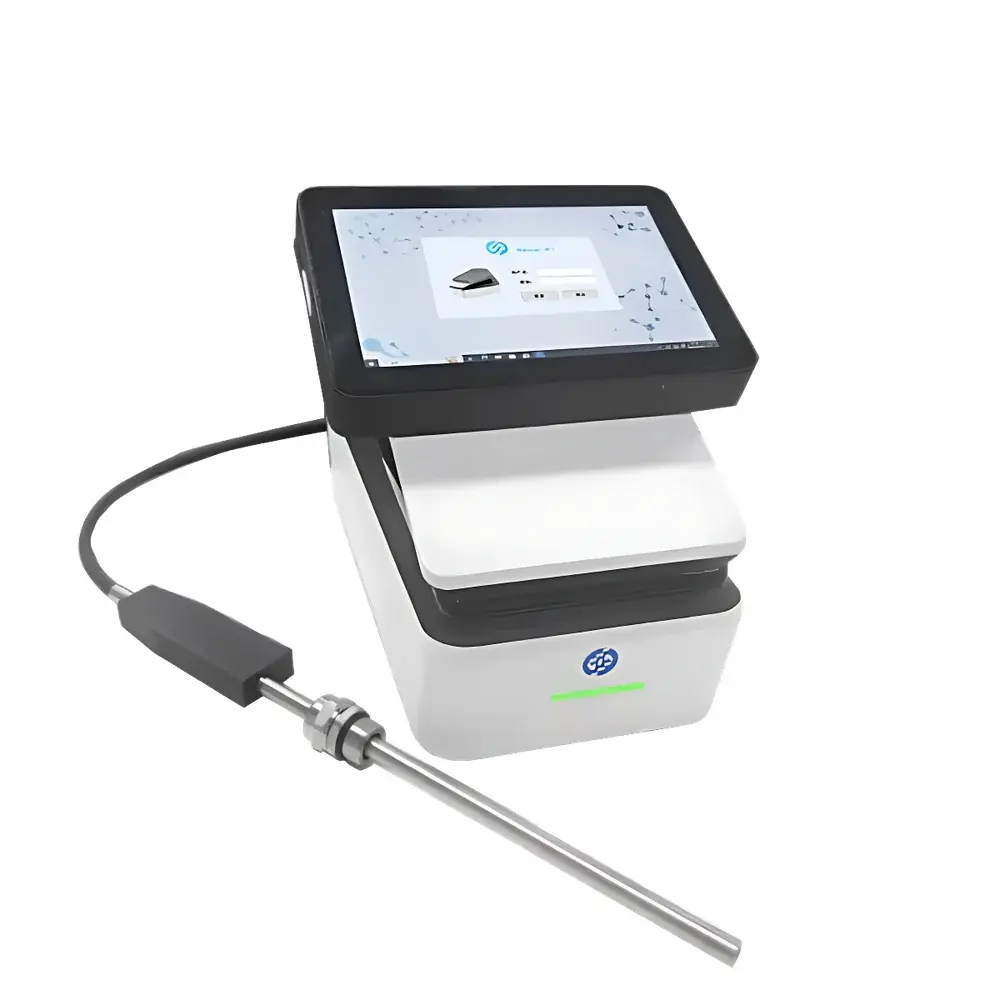
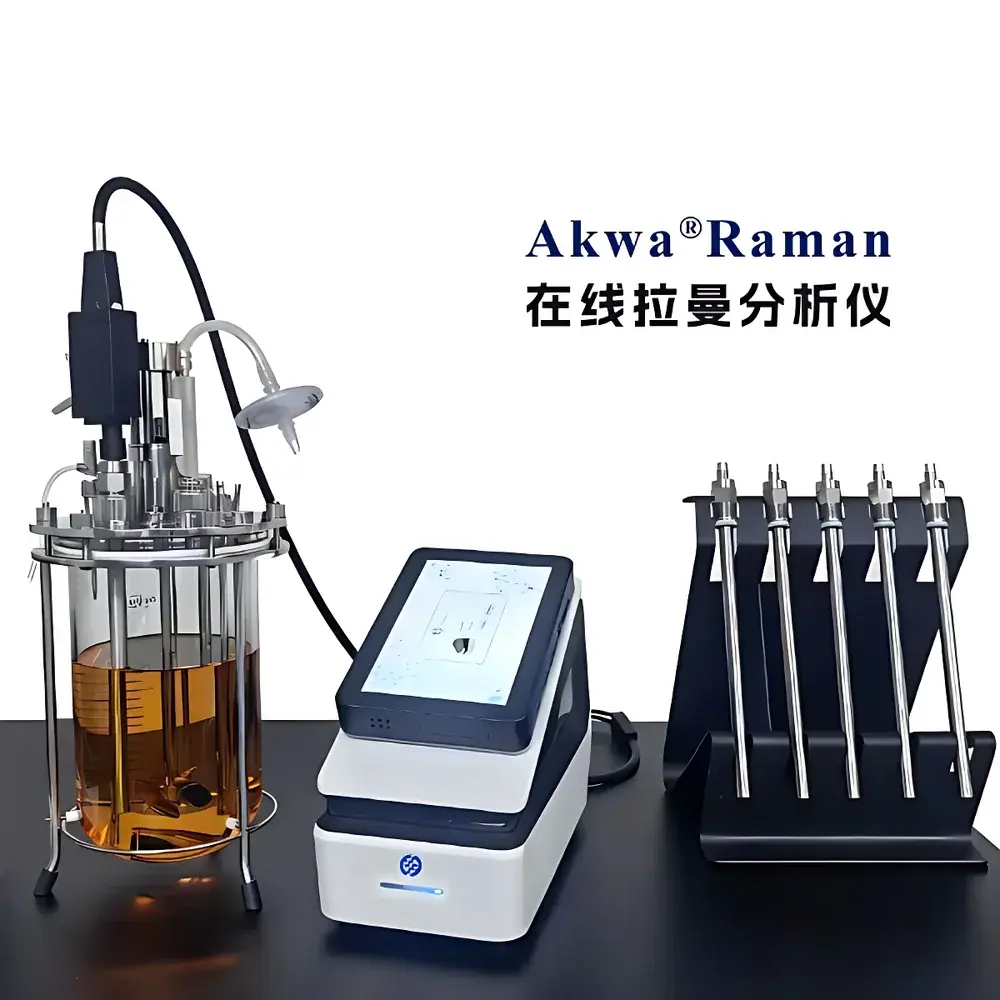
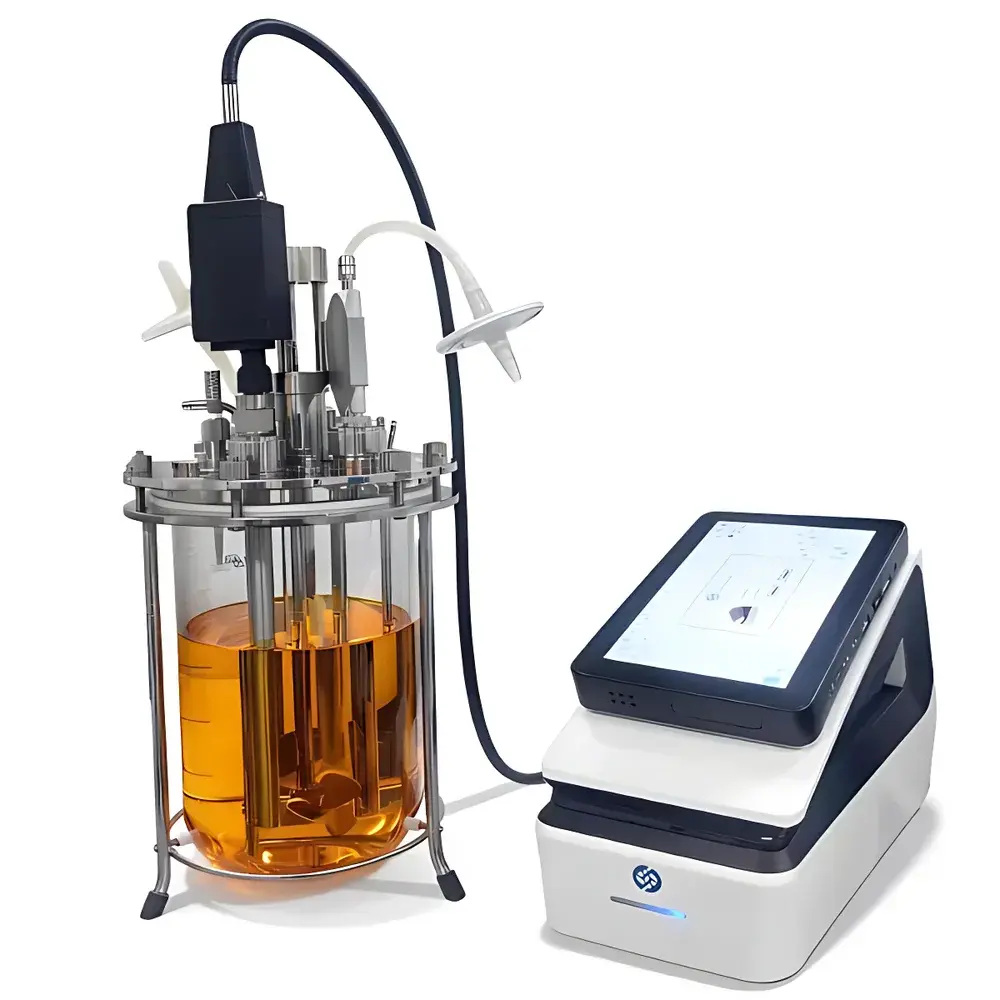
The Akwa®Cyte Online Cell Sensor is a non-invasive, label-free, in situ monitoring system engineered for real-time quantification of viable cell density, morphology, and physiological state during bioprocesses. Based on proprietary phase-enhancement optical imaging technology (Patent No. ZL 2020 1 1583924.0), the sensor operates inline within standard bioreactor ports or perfusion loops—without requiring sample extraction, dilution, staining, or process interruption. It leverages coherent phase contrast principles to generate high-contrast, high-fidelity images of suspended mammalian, insect, or microbial cells under dynamic culture conditions. As a core component of Process Analytical Technology (PAT) frameworks compliant with FDA Guidance for Industry (2004) and ICH Q5, Q8, and Q9, the Akwa®Cyte enables continuous measurement of Critical Process Parameters (CPPs) such as viable cell concentration (VCC), viability, aggregate formation, and apoptosis progression—directly supporting Quality-by-Design (QbD) implementation and real-time release testing (RTRT) strategies.
Key Features
- Label-free, non-destructive optical sensing—eliminates reliance on trypan blue, fluorescent dyes, or enzymatic assays
- Proprietary phase-enhancement imaging engine delivering robust contrast across heterogeneous cell populations and varying optical densities
- AI-powered image analysis pipeline trained on >120 cell lines—including CHO, HEK293, hybridoma, Vero, and iPSC-derived cultures—enabling adaptive segmentation and morphological classification
- Real-time detection and quantification of cell aggregates, clumps, and apoptotic bodies via multi-scale feature extraction and deep learning–based anomaly scoring
- Integrated temperature-, pH-, and DO-compensated calibration architecture ensuring measurement stability across fed-batch, perfusion, and continuous bioprocessing modes
- IP65-rated stainless-steel housing with 1/4″ NPT or SMS sanitary port interface; compatible with single-use and stainless-steel bioreactors (0.5–2000 L working volume)
Sample Compatibility & Compliance
The Akwa®Cyte supports continuous monitoring of suspension-adapted mammalian (e.g., CHO-K1, SP2/0), insect (Sf9, Sf21), yeast (Pichia pastoris), and bacterial (E. coli BL21) cultures under physiologically relevant conditions (pH 6.2–7.4, T = 30–37 °C, DO = 20–80% air saturation). All algorithms are validated per ASTM E2500-13 (Standard Guide for Specification, Design, and Verification of Pharmaceutical and Biopharmaceutical Manufacturing Systems) and support 21 CFR Part 11-compliant audit trails when deployed with optional secure software licensing. Data outputs comply with ISA-88/ISA-95 object models and are natively exportable in CSV, HDF5, and OPC UA formats for integration into MES, SCADA, or DCS environments.
Software & Data Management
The Akwa®Cyte Control Suite provides a validated Windows-based application with role-based access control (RBAC), electronic signatures, and full ALCOA+ data integrity compliance. It includes embedded multivariate statistical tools (PCA, PLS regression) for correlating morphological features with offline HPLC, qPCR, or metabolite assay results. Time-series data are automatically time-stamped and synchronized with external process historians (e.g., DeltaV, PI System) via OPC DA/UA. The system supports automated report generation aligned with ICH M4 regulatory submission templates and includes built-in trend analysis dashboards for batch comparison, deviation detection, and PAT method verification per USP <1058>.
Applications
- Upstream process development: Real-time optimization of inoculation density, feed strategy, and harvest timing in mAb and recombinant protein production
- Cell therapy manufacturing: Monitoring expansion kinetics and senescence markers in CAR-T and MSC bioprocesses without perturbing sterility
- Vaccine production: Quantifying infection efficiency and host cell lysis dynamics in viral vector and live-attenuated vaccine platforms
- Process characterization & validation: Defining design space boundaries for CPPs linked to CQAs including titer, glycosylation profile, and particle size distribution
- Technology transfer: Enabling consistent process performance across scales—from benchtop ambr® systems to clinical- and commercial-scale bioreactors
FAQ
Does the Akwa®Cyte require calibration against offline cell counts?
Yes—initial calibration is performed using a minimum of three independent offline reference measurements (e.g., Vi-CELL XR or Cedex HiRes) across the expected VCC range. Subsequent drift correction is handled automatically via internal reference channel stabilization.
Can it distinguish between viable and non-viable cells without dye staining?
Yes—the phase-enhancement algorithm detects subtle refractive index gradients associated with membrane integrity and cytoplasmic granularity, enabling viability estimation with ±8% RMSE versus trypan blue exclusion across validated cell lines.
Is the system compatible with single-use bioreactors?
Yes—optical probe variants are available with gamma-sterilizable polycarbonate housings and pre-validated aseptic connection kits for Sartorius BIOSTAT® STR, Thermo Fisher HyPerforma™, and GE Xcellerex™ platforms.
What cybersecurity standards does the software meet?
The Control Suite conforms to IEC 62443-3-3 SL2 requirements, including TLS 1.2+ encryption, secure boot, and periodic vulnerability scanning integrated into the vendor’s ISO/IEC 27001-certified development lifecycle.
How is analytical method verification documented?
Each installation includes a Site-Specific Validation Package containing IQ/OQ protocols, risk assessments (FMEA), and performance qualification data demonstrating accuracy, precision, linearity, and robustness per ICH Q2(R2).




