Albillia Tinopal CBS-X Fluorescent Tracer
| Brand | Albillia |
|---|---|
| Origin | Switzerland |
| Manufacturer Type | Authorized Distributor |
| Origin Category | Imported |
| Model | Tinopal CBS-X |
| Price Range | USD 70 – 280 |
Overview
Albillia Tinopal CBS-X is a high-purity, anionic fluorescent tracer based on the stilbene derivative 4,4′-bis[(4-anilino-6-morpholino-1,3,5-triazin-2-yl)amino]stilbene-2,2′-disulfonic acid disodium salt. Engineered for hydrological and environmental tracing applications, it operates via UV-excited fluorescence detection—absorbing light in the near-UV range (excitation maximum ~345–355 nm) and emitting intense blue fluorescence (emission maximum ~430–435 nm) in aqueous solution. Its low detection limit of 0.1 µg/L enables quantification at trace concentrations using standard fluorometers or portable UV lamps (365 nm), making it suitable for conservative tracer studies where minimal environmental impact and high signal-to-noise ratio are critical. Unlike dye tracers with visible coloration, Tinopal CBS-X remains optically transparent in daylight, eliminating visual interference during field deployment while retaining unambiguous detectability under UV illumination.
Key Features
- Ultra-low detection threshold: Quantifiable down to 0.1 µg/L in natural waters using calibrated fluorometry
- Chemical stability under neutral to mildly alkaline conditions (pH 7–9); degradation accelerates below pH 7, in presence of strong oxidants (e.g., chlorine, ozone), or prolonged UV exposure
- Controlled adsorption behavior: Exhibits moderate to strong sorption onto clay minerals, organic matter, and metal oxides—requires site-specific calibration for quantitative transport modeling
- Minimal spectral interference: Emission band avoids overlap with common humic fluorescence; however, co-presence of naphthalene sulfonates or acidic amino-G dyes may suppress signal intensity and necessitate spectral deconvolution
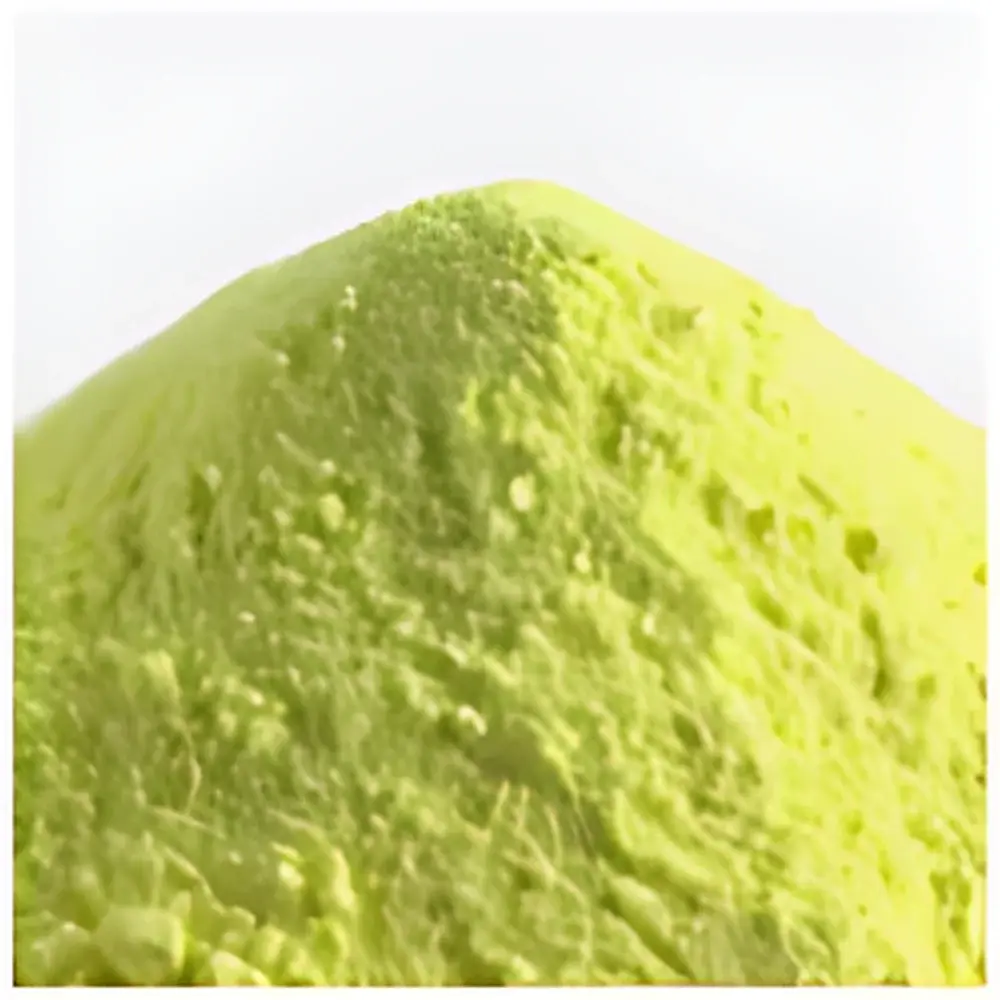
- Available as both crystalline powder (pale yellow) and stabilized aqueous solution (light blue tint, 10% w/v); solubility in pure water ≈25 g/L at 20°C
- CAS Registry Number: 38775-22-3; fully documented safety and handling data available per EU REACH and OECD Test Guidelines
Sample Compatibility & Compliance
Tinopal CBS-X is validated for use in surface water, groundwater, wastewater effluents, and engineered hydraulic systems—including sewer networks, stormwater conduits, and irrigation channels. It complies with ASTM D5092-22 (“Standard Guide for Tracer Testing in Karst Terrains”) and aligns with ISO 20426:2018 (Environmental characterization — Tracer tests in aquifers). While not classified as hazardous under GHS for acute toxicity or ecotoxicity at typical tracer doses (≤1 mg/L), its use requires adherence to local regulatory frameworks governing intentional chemical release into aquatic environments. Field protocols must account for photolytic decay—measurements should be completed within 24–72 h post-injection depending on solar irradiance and turbidity. Batch-specific certificates of analysis (CoA) include HPLC purity (>98.5%), residual solvent content, and heavy metal screening per ICH Q3D guidelines.
Software & Data Management
Quantitative interpretation of Tinopal CBS-X breakthrough curves is supported by industry-standard hydrological modeling platforms including MODFLOW-USG with MT3DMS/RT3D extensions, FEFLOW, and custom MATLAB or Python-based inverse modeling scripts. When integrated with synchronized flow metering and GPS-tagged sampling, raw fluorescence intensity data (in RFU units) can be converted to concentration via in-situ calibration curves generated from standard additions. All analytical workflows comply with GLP principles: instrument calibration logs, blank corrections, replicate precision checks (RSD <5% at 1 µg/L), and audit trails are maintained in accordance with FDA 21 CFR Part 11–compliant LIMS environments where required.
Applications
- Groundwater flow path delineation and inter-aquifer connectivity assessment
- Leak detection and hydraulic integrity verification in pressurized pipelines and reservoir linings
- Residence time distribution (RTD) analysis in constructed wetlands and retention basins
- Solute transport parameter estimation (dispersion coefficient, retardation factor) in heterogeneous alluvial sediments
- Validation of numerical flow models in karst and fractured-rock aquifers
- Time-of-travel studies for emergency response planning in drinking water distribution systems
FAQ
What is the recommended injection concentration for field-scale tracer tests?
Typical injection ranges are 0.1–5 mg/L in the source zone, adjusted based on expected dilution, detection sensitivity, and regulatory limits. Pilot-scale dilution testing is advised prior to full deployment.
Can Tinopal CBS-X be used in seawater?
Yes, but ionic strength >35 g/L reduces fluorescence quantum yield by ~15–20%; salinity correction factors must be applied during calibration.
Is it compatible with automated online fluorometers?
Yes—compatible with submersible and flow-through sensors equipped with 365 nm LED excitation and 430–450 nm bandpass emission filters; output linearity verified from 0.05 to 50 µg/L.
How should stock solutions be stored?
Aqueous stock solutions (10% w/v) must be refrigerated (4°C), protected from light, and used within 6 months; powder form is stable for ≥24 months at room temperature in sealed, desiccated containers.
Does it meet EPA or EU requirements for environmental tracer use?
While not formally pre-approved by U.S. EPA for routine use, Tinopal CBS-X is listed in the EU Water Framework Directive (WFD) Annex X candidate list for priority substances and has been authorized in >17 European member states for scientific hydrological investigations under national exemptions.