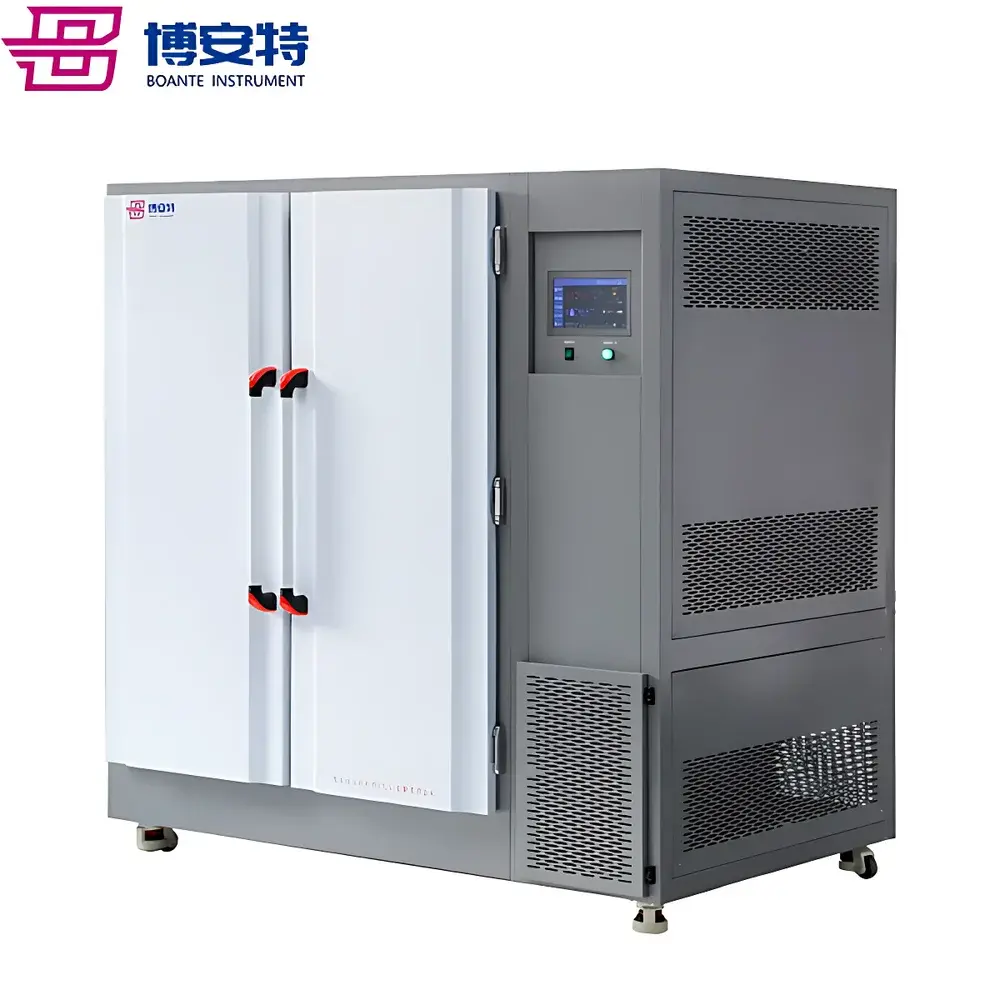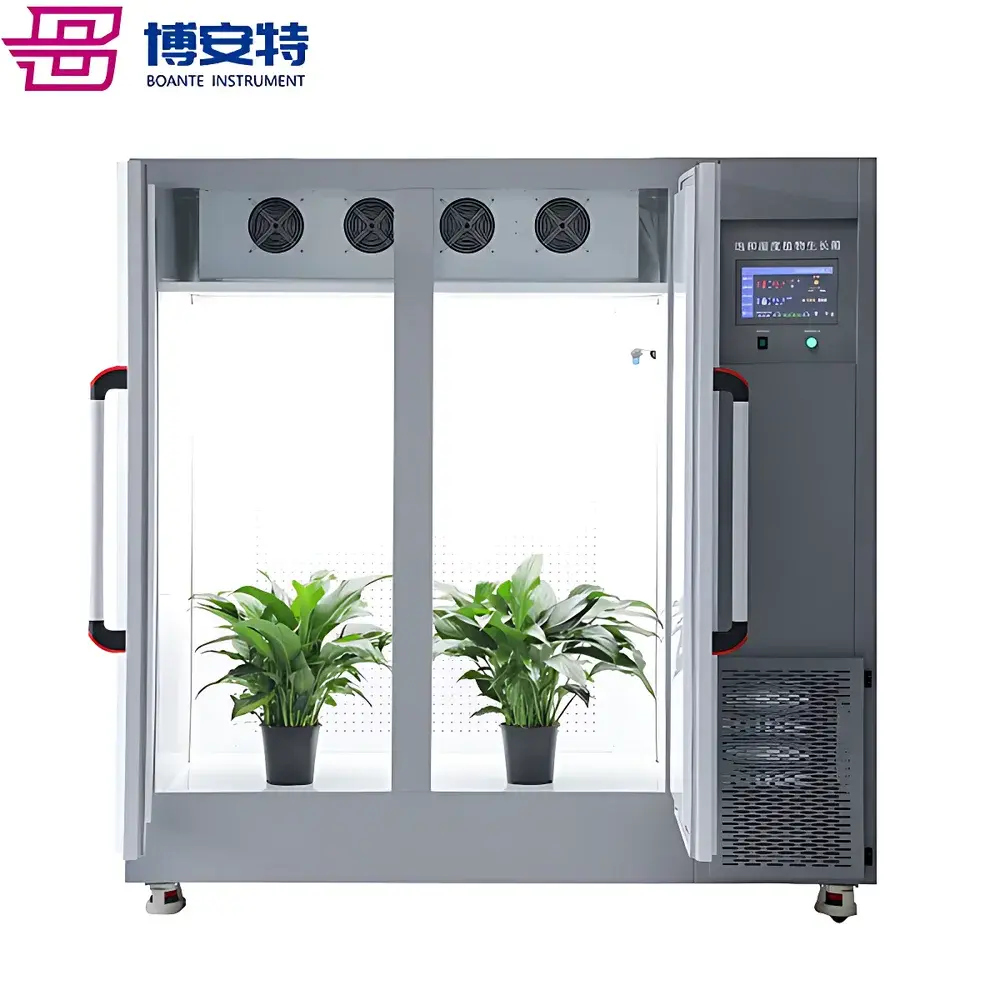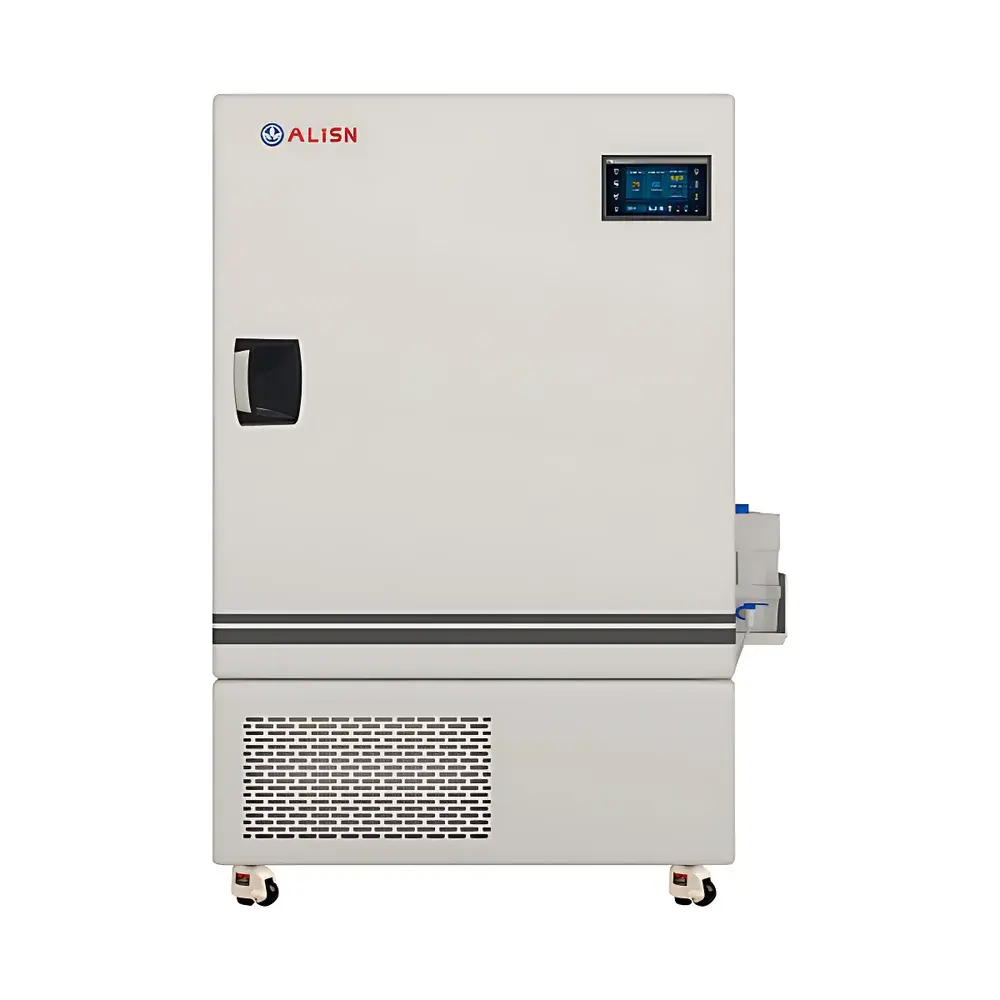
ALISN TPC 460 Temperature and Humidity Controlled Small Animal Incubator
| Brand | ALISN |
|---|---|
| Origin | Shanghai, China |
| Model | TPC 460 |
| Refrigeration | Inverter-driven SECOP (Danfoss) compressor |
| Humidity Reservoir | External water tank |
| Temperature Range (dry) | −10 °C to 85 °C |
| Temperature Uniformity (15–45 °C) | ±0.3–0.8 °C |
| Temperature Fluctuation | ±0.1 °C |
| Humidity Range | 10–98 %RH |
| Humidity Accuracy | ±0.1 %RH |
| Humidity Fluctuation | ±1.5 %RH |
| Chamber Volume | 460 L |
| Insulation | High-density polyurethane integral foaming |
| Cooling Refrigerant | R404a |
| Heating & Humidification Power | 2300 W |
| Compressor Power | 550 W |
| Sensor System | HERAEUS temperature sensor + E+E Electronics capacitive humidity sensor |
| Display | 7-inch full-color TFT touch screen |
| Data Logging | ≥10 years internal storage, USB export (read-only, tamper-proof) |
| Audit Trail | 16,000+ immutable entries (user actions, alarms, system events) |
| User Management | 5 configurable roles with hierarchical permissions |
| Airflow Design | Dual-side aerodynamic 50 mm ports |
| Door Structure | Double-door, inner tempered glass viewing window |
| Communication Interfaces | USB, RS232, RS485 (EMS integration ready) |
| Compliance Support | GLP/GMP-aligned operation logs, 21 CFR Part 11–compatible data integrity architecture |
Overview
The ALISN TPC 460 is a precision-engineered temperature and humidity controlled incubator designed specifically for small animal and invertebrate housing in preclinical research environments. It operates on a dual-loop PID + fuzzy logic control architecture, enabling stable, reproducible environmental simulation across physiologically relevant ranges. The chamber maintains tightly regulated conditions—spanning −10 °C to 85 °C at ±0.1 °C fluctuation and 10–98 %RH at ±0.1 %RH accuracy—critical for longitudinal studies involving murine models under immunocompromised states, insect developmental biology (e.g., Drosophila melanogaster, Aedes aegypti), or pollinator (e.g., Apis mellifera) behavioral thermoregulation assays. Its thermodynamic design integrates an inverter-driven SECOP (Danfoss) compressor and EBM condenser fan, delivering frost-free continuous operation while minimizing thermal overshoot during door openings—a key requirement for minimizing experimental perturbation during routine animal handling.
Key Features
- True-color 7-inch TFT touchscreen interface with intuitive icon-based navigation and bilingual (English/Chinese) menu switching—designed for rapid protocol setup by technical staff without specialized training.
- Inverter-controlled refrigeration system using R404a refrigerant, reducing energy consumption by >40% compared to conventional fixed-speed compressors while maintaining sub-0.2 °C thermal recovery time post-door access.
- Capacitive humidity sensing (E+E Electronics) with zero-drift calibration stability and no routine maintenance requirements—ensuring long-term RH fidelity without sensor recalibration intervals.
- Structural insulation via monolithic polyurethane foam injection, achieving U-values below 0.25 W/m²·K and eliminating cold bridging across seams or corners.
- Dual-side 50 mm aerodynamic ventilation ports engineered per ISO 14644-1 airflow modeling principles to support uniform laminar exchange without localized turbulence or dead zones.
- Triple-tier stainless-steel shelving (standard), compatible with optional reinforced load-bearing racks for caging systems up to 12 kg per shelf.
Sample Compatibility & Compliance
The TPC 460 accommodates standard IVC-compatible cages (up to 12 cages per shelf), ventilated bee hives, and multi-well insect rearing trays. Its chamber dimensions (750 × 1105 × 560 mm W×H×D) permit vertical stacking of modular housing units while preserving unobstructed optical access through the inner tempered glass door. All operational parameters—including setpoints, deviations, alarm triggers, and user interventions—are timestamped and stored in non-volatile memory with cryptographic write-locking. The audit trail complies with GLP Annex 11 and FDA 21 CFR Part 11 requirements for electronic records: all exported USB logs are SHA-256 hashed and digitally signed; modification attempts trigger irreversible system alerts logged to internal flash memory. Environmental validation protocols (IQ/OQ/PQ) are supported via built-in calibration offset adjustment for up to 12 independent probe locations.
Software & Data Management
Embedded firmware implements a deterministic real-time operating system (RTOS) managing concurrent tasks: PID loop execution (100 ms cycle), sensor polling (2 Hz), display refresh (60 Hz), and log buffering (50 ms flush interval). Historical temperature/humidity profiles are visualized as overlayable XY curves with zoom/pan functionality and exportable CSV metadata (including sensor ID, UTC timestamps, and confidence flags). Data retention exceeds 10 years at default 1-minute logging resolution; high-frequency mode (10-second intervals) is available for transient stress-response experiments. USB export produces immutable .bin archives containing raw sensor values, CRC-32 checksums, and embedded digital signatures verifiable offline. RS485 Modbus RTU support enables seamless integration into enterprise-wide Environmental Monitoring Systems (EMS) compliant with ISO/IEC 17025 laboratory accreditation standards.
Applications
- Immunology: Chronic exposure studies of murine models under controlled cold-stress (−5 °C), humid heat stress (40 °C/85 %RH), or combined wind-chill–humidity challenge paradigms.
- Entomology: Diapause induction in Helicoverpa armigera, pupal development kinetics in Musca domestica, and circadian rhythm entrainment in Drosophila under programmable light–temperature–humidity coupling (0–8000 lux, adjustable in 50-lux increments).
- Toxicology: OECD 412 and 413 inhalation study support via stable chamber conditioning prior to aerosol delivery system integration.
- Virology: Maintenance of arbovirus vector colonies (Culex quinquefasciatus) under precisely replicated field-relevant microclimates to assess transmission efficiency shifts.
- Pharmacodynamics: Evaluation of thermoregulatory drug effects (e.g., TRPV1 antagonists) under dynamic thermal ramping protocols (0.1 °C/min gradient control).
FAQ
Does the TPC 460 meet ISO 14644-1 Class 5 cleanroom air classification requirements?
No—the unit is not rated for particulate control. It is optimized for macro-environmental stability, not laminar airflow or HEPA filtration. For sterile housing applications, integration with external biosafety cabinets or isolators is required.
Can the internal data logger be configured to record at sub-minute intervals?
Yes. Logging resolution is user-selectable from 1 second to 24 hours; however, sub-60-second intervals reduce total retention duration proportionally due to fixed onboard memory capacity (8 GB NAND flash).
Is remote monitoring via Ethernet or Wi-Fi supported?
Not natively. The RS485/RS232 interfaces require external protocol converters (e.g., Modbus TCP gateways) for IP network integration. ALISN provides reference schematics for third-party EMS compatibility.
What is the maximum allowable ambient temperature for continuous operation?
35 °C, provided relative humidity remains ≤70 %RH and ventilation clearance (≥150 mm on all sides) is maintained. Performance validation data assume 25 ±2 °C ambient per ICH Q5C stability testing guidelines.
Are calibration certificates traceable to NIST or BIPM standards included with shipment?
Factory calibration uses NIST-traceable reference sensors (Fluke 1523/1524), but formal accredited calibration certificates require separate purchase and on-site verification by authorized metrology partners.