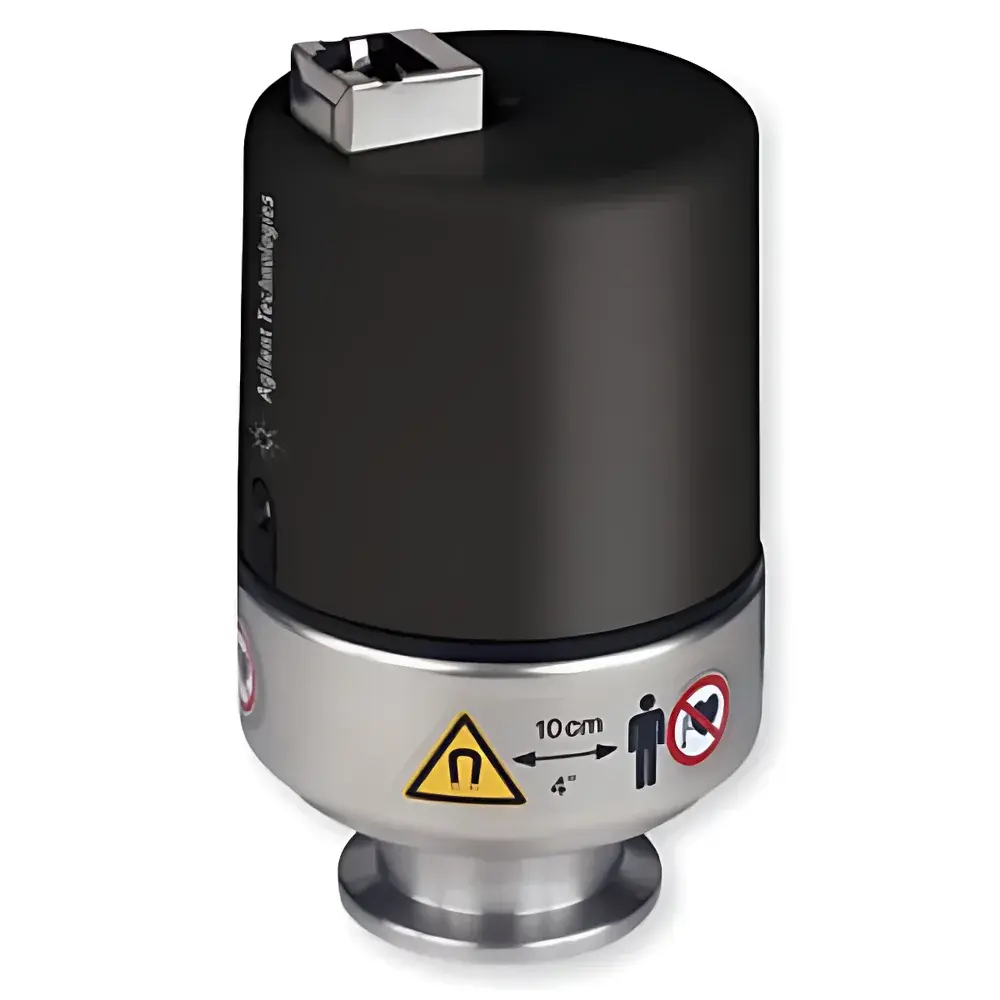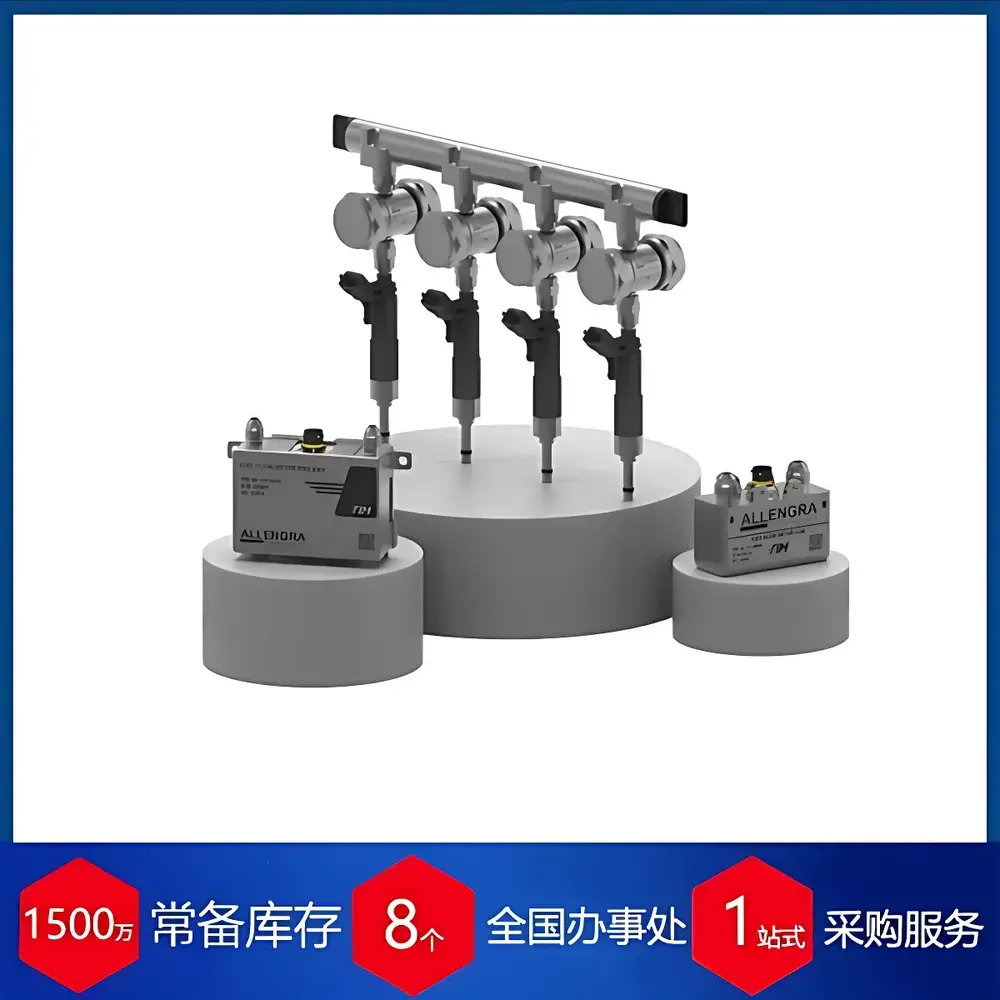
Allengra PUM Ultrasonic Fuel Flow Meter
| Brand | Allengra |
|---|---|
| Origin | Germany |
| Manufacturer Type | Authorized Distributor |
| Origin Category | Imported |
| Model | PUM |
| Price | USD 2,750 (approx.) |
| Liquid Mass Flow Accuracy | ±0.1% of reading |
Overview
The Allengra PUM Ultrasonic Fuel Flow Meter is a high-precision, clamp-on or in-line mass flow measurement instrument engineered specifically for demanding fuel delivery applications in internal combustion engine (ICE) test benches, R&D laboratories, and heavy-duty vehicle powertrain validation. Utilizing transit-time ultrasonic measurement principle, the PUM meter determines fuel mass flow rate by precisely measuring the time differential of ultrasonic pulses propagating with and against the direction of flow within the fuel line. This non-intrusive, no-moving-parts architecture eliminates mechanical wear, pressure drop, and calibration drift associated with turbine, Coriolis, or positive displacement meters—making it uniquely suited for pulsating, high-vibration environments typical of diesel and gasoline injection systems, including those operating with synthetic e-fuels and hydrotreated vegetable oil (HVO).
Key Features
- Transit-time ultrasonic sensing technology with zero moving parts—ensures long-term stability and immunity to fuel contamination, particulates, and thermal shock.
- Mass flow accuracy of ±0.1% of reading over a wide dynamic range (typically 0.1–100 kg/h for standard PUM variants), traceable to DIN EN ISO/IEC 17025-accredited calibration protocols.
- Robust stainless steel or aluminum housing rated IP67, qualified for continuous operation at ambient temperatures from −40 °C to +85 °C and fuel line pressures up to 1,200 bar (dependent on model variant and wetted material configuration).
- Integrated temperature compensation using dual Pt1000 RTD sensors embedded in the flow path—enables real-time density correction for variable fuel blends (e.g., B100, E85, methanol, ammonia-diesel emulsions).
- Low-pressure-drop design (<0.5 kPa at nominal flow) preserves engine backpressure integrity and avoids unintended throttle or injection timing perturbations during transient testing.
- EMC-compliant (EN 61326-1, EN 55011) and vibration-resistant (ISO 5344, SAE J1455) construction validated for integration into engine dyno cells and mobile test platforms.
Sample Compatibility & Compliance
The PUM series is compatible with all liquid hydrocarbon fuels and emerging low-carbon alternatives, including ultra-low-sulfur diesel (ULSD), gasoline (E0–E85), biodiesel (B5–B100), hydrogenated vegetable oil (HVO), Fischer–Tropsch synthetic diesel, and oxygenated e-fuels (e-methanol, e-diesel). It meets critical regulatory and industry requirements for emissions certification testing: compliant with UN-ECE R85 (for fuel consumption measurement), aligned with WLTP/RDE test cycle instrumentation specifications (UN-GTR No. 15), and supports traceability under ISO 16185 (fuel flow measurement for engine testing). Optional ATEX/IECEx certification (Zone 1/21) available for hazardous area deployment.
Software & Data Management
The PUM flow meter outputs analog (4–20 mA, 0–10 V) and digital signals (RS485 Modbus RTU, CAN 2.0B, or optional Ethernet/IP) for seamless integration into testbed control systems (e.g., AVL PUMA, ETAS INCA, dSPACE SCALEXIO). Allengra provides the optional Allengra FlowSuite™ PC software for real-time visualization, data logging (CSV, TDMS), and post-test analysis—including cumulative fuel mass, specific fuel consumption (SFC), and transient fuel pulse profiling. Audit trails, user access levels, and electronic signature support comply with GLP and FDA 21 CFR Part 11 requirements when deployed in regulated development environments.
Applications
- Powertrain R&D: Real-time fuel mass monitoring during ICE calibration, combustion optimization, and injection strategy validation.
- Emissions Testing: Accurate fuel mass input for WLTP, RDE, and Euro 7 compliance testing; supports CO₂, NOₓ, and PN correlation modeling.
- Alternative Fuel Validation: Quantification of energy content and stoichiometric air–fuel ratio shifts for e-fuels, biofuels, and multi-component blends.
- University & Government Research: High-fidelity fuel flow datasets for CFD combustion modeling, aftertreatment efficiency studies, and hybrid powertrain energy management algorithms.
- Heavy-Duty Certification: On-vehicle installation for OBD-II fuel system diagnostics and real-driving fuel economy verification per U.S. EPA 40 CFR Part 1065.
FAQ
Is the PUM flow meter suitable for use with corrosive or highly viscous fuels?
Yes—the standard wetted materials include Hastelloy C-276 and sapphire acoustic windows, enabling compatibility with low-pH biofuels, high-sulfur residuals, and viscosity ranges from 0.2 to 25 cSt at 40 °C.
Does the PUM require periodic recalibration?
No routine recalibration is required due to solid-state transducer stability and built-in self-diagnostic routines; however, annual verification against NIST-traceable standards is recommended for ISO 17025-compliant labs.
Can the PUM be installed in existing fuel lines without cutting or welding?
Clamp-on variants are available for pipe diameters from DN6 to DN50 (¼″ to 2″); in-line versions feature ISO 1179-2 or SAE J1926 thread interfaces for direct integration into high-pressure common rail systems.
How does the PUM handle rapid flow transients, such as pilot/main injection events?
With a native sampling rate of 1 kHz and signal processing latency <10 ms, the PUM resolves individual injection pulses and enables cycle-resolved fuel mass calculation per combustion event.
Is firmware update capability supported remotely?
Yes—field-upgradable firmware via CAN or Ethernet enables future protocol expansion (e.g., ASAM MCD-3 MC, FIBEX), security patches, and enhanced diagnostic features without hardware replacement.