
Allentown Ferret Isolator System
| Brand | Allentown |
|---|---|
| Origin | USA |
| Manufacturer Type | Authorized Distributor |
| Origin Category | Imported |
| Model | Ferret Isolator System |
| Pricing | Available Upon Request |
Overview
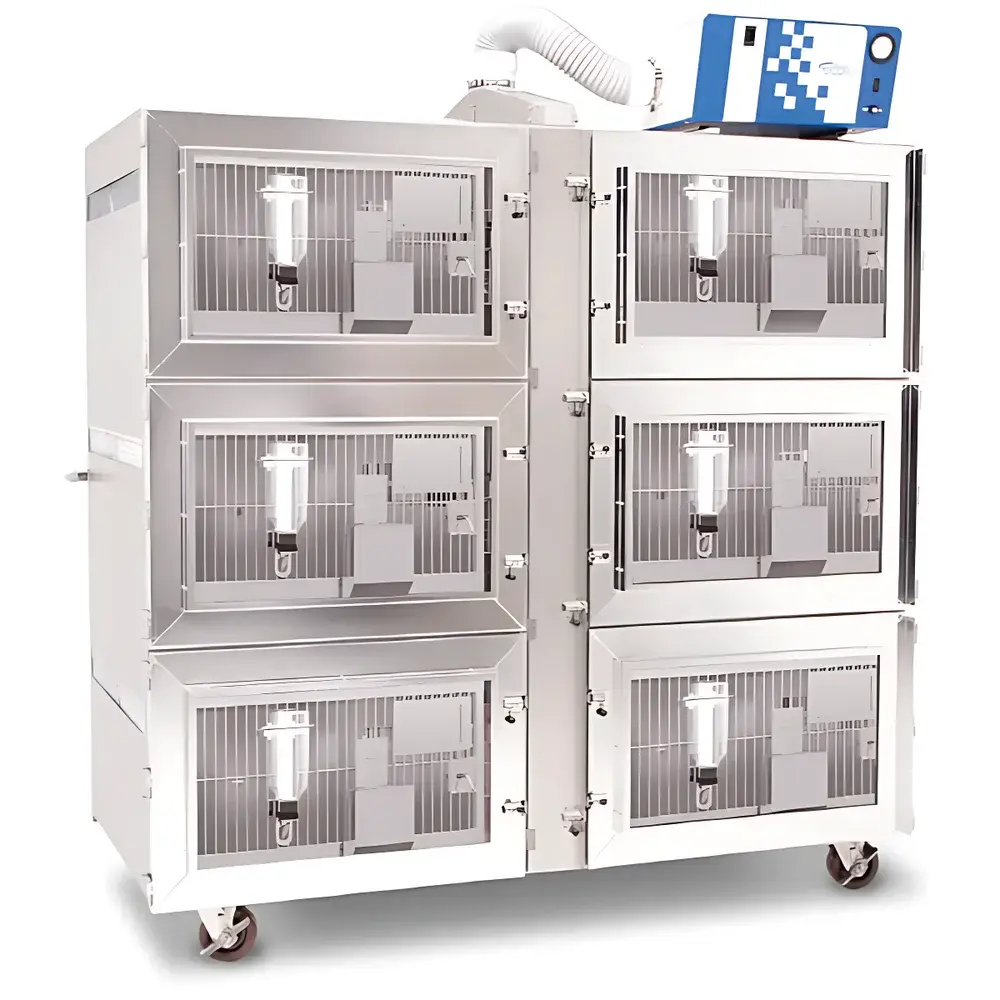
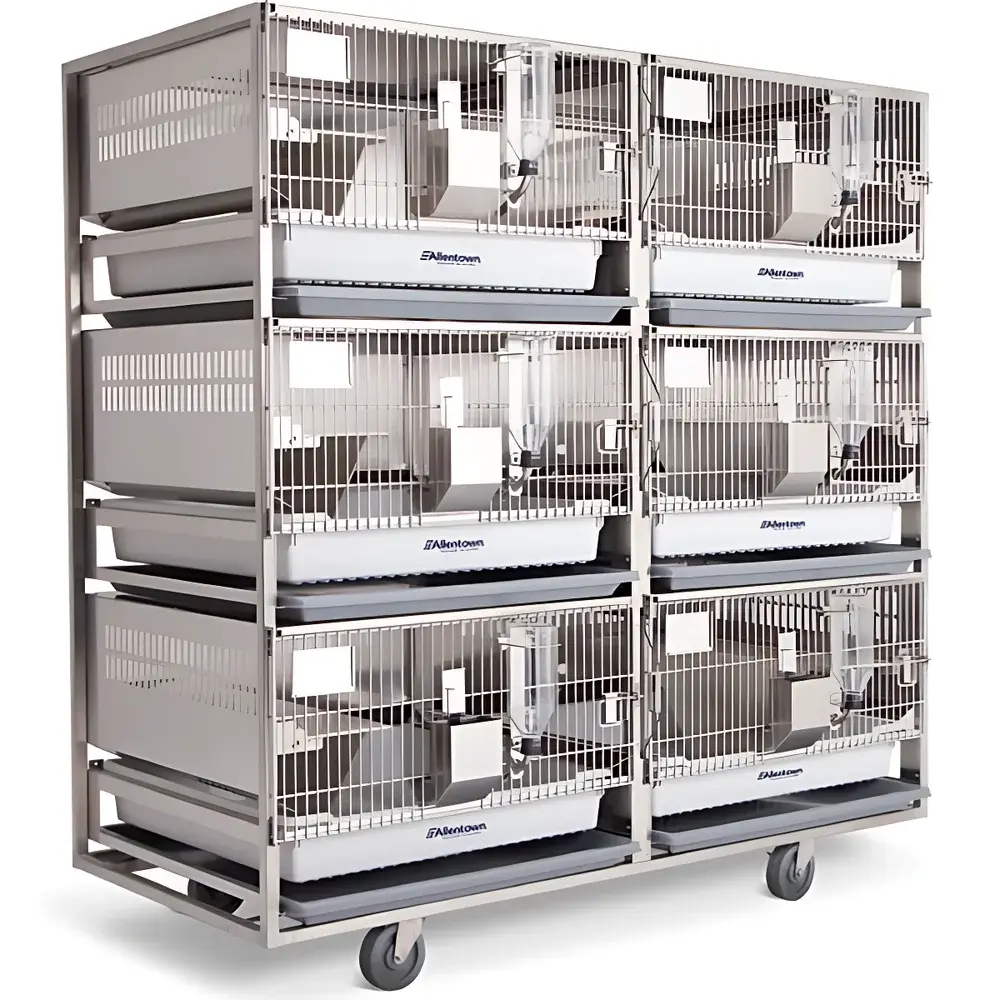
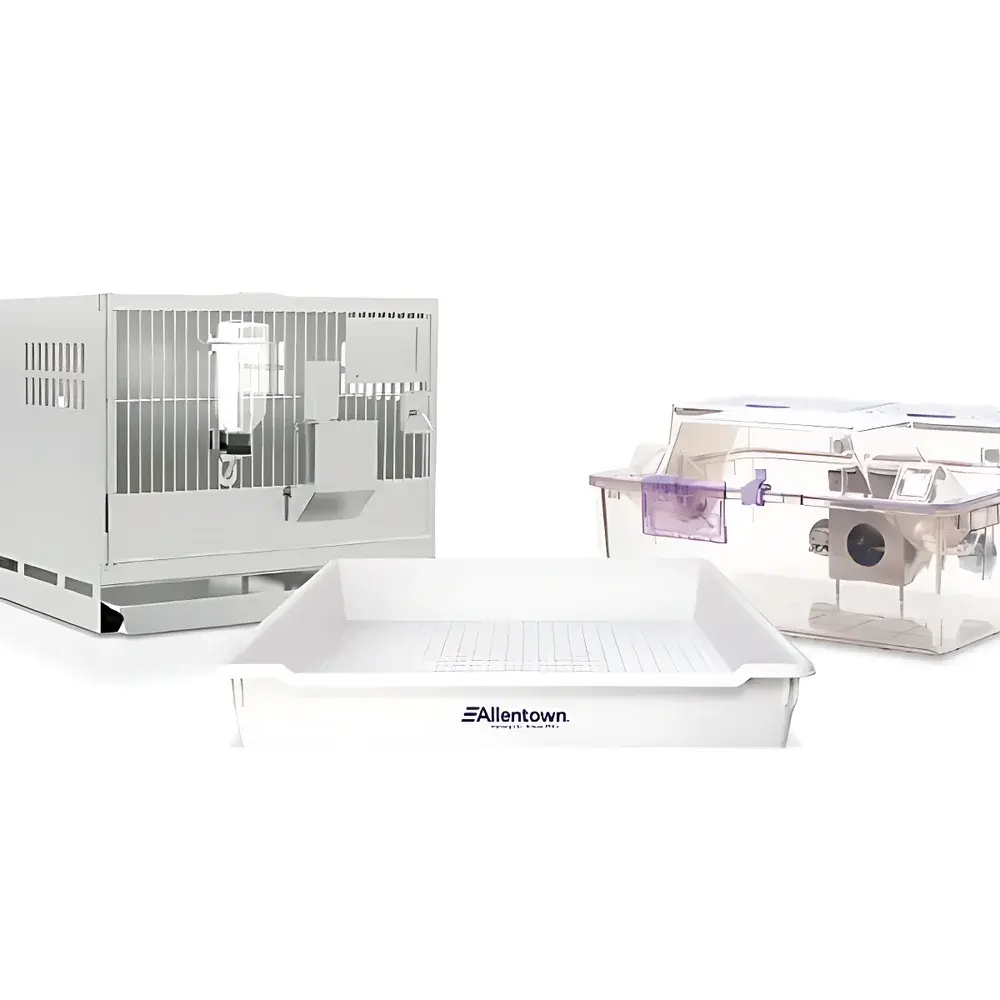
The Allentown Ferret Isolator System is an engineered, species-specific housing solution designed for rigorous biomedical research applications requiring strict environmental control and animal welfare compliance. Built upon decades of expertise in laboratory animal husbandry and stainless-steel enclosure design, this system addresses the unique physiological, behavioral, and spatial requirements of ferrets (Mustela putorius furo)—a model increasingly utilized in respiratory virology (e.g., influenza, SARS-CoV-2), neurodevelopmental studies, and metabolic disease research. Unlike generic rodent or multi-species caging, the Ferret Isolator System integrates principles of aerodynamic containment, thermal stability, and ergonomic serviceability to maintain consistent microenvironmental parameters—including temperature (20–24°C), relative humidity (30–70%), and air exchange rates (10–60 ACH)—while minimizing cross-contamination risk between cages and adjacent workspaces. Its architecture conforms to NIH Guide for the Care and Use of Laboratory Animals, AAALAC International standards, and supports GLP-compliant study execution through traceable environmental monitoring and validated cleaning protocols.
Key Features
- Species-optimized dimensions: Enclosures provide ≥1,500 cm² floor area per adult ferret, with vertical clearance up to 45 cm to accommodate natural rearing and exploratory behavior.
- Triple-layer containment integrity: Full stainless-steel construction (AISI 304/316) with continuous welds, silicone gasket-sealed access doors, and pressure-differential monitoring ports.
- Modular IVC integration: Compatible with NexGen 1800 Tall platform; supports both positive-pressure (for pathogen-free colonies) and negative-pressure (for BSL-2/3 infectious agent studies) configurations.
- Ergonomic handling interface: Spring-loaded cage docking mechanism with visual alignment indicators; single-finger actuation ensures repeatable, vibration-free coupling to ventilation manifolds.
- Cleaning resilience: All components withstand autoclaving (121°C, 20 min), tunnel washer cycles (up to 88°C), and repeated exposure to alkaline (pH 12) and acidic (pH 2) disinfectants without surface degradation.
Sample Compatibility & Compliance
The system accommodates standard ferret-sized bedding substrates (e.g., cellulose-based nesting material, compressed paper pulp), non-toxic enrichment devices (e.g., PVC tunnels, chew-resistant fabric hammocks), and telemetry-compatible accessories. It meets ASTM F2149-22 (Standard Specification for Rodent and Rabbit Caging Systems) as adapted for mustelid morphology, and supports validation against ISO 50001 energy management criteria when paired with EcoFlo® variable-frequency drive fans. For regulatory submissions, documentation packages include material biocompatibility reports (ISO 10993-5 cytotoxicity), particulate emission test data (ISO 14644-1 Class 7 background compliance), and third-party verification of airflow uniformity (±15% CV across cage face velocity).
Software & Data Management
When integrated with WiVarium Plus® Environmental Monitoring System, the isolator enables real-time logging of cage-level temperature, humidity, static pressure differential, and fan RPM via calibrated digital sensors. Data streams are timestamped, encrypted, and stored locally on a secure industrial-grade controller compliant with FDA 21 CFR Part 11 requirements—including electronic signature capability, audit trail generation, and role-based user access controls. Optional Sentinel® Health Monitoring System adds non-invasive fecal volatile organic compound (VOC) profiling for early detection of enteric pathogens, while Wi-Com Sensus® RFID readers enable automated census tracking aligned with IACUC protocol IDs and animal identification numbers.
Applications
- Influenza virus transmission modeling under controlled aerosol exposure conditions
- Longitudinal assessment of pulmonary inflammation following intranasal RSV challenge
- Pharmacokinetic studies involving oral or inhaled therapeutics where precise dosing environment control is critical
- Neurobehavioral phenotyping in genetically modified ferret lines under standardized light-dark cycling
- Preclinical evaluation of inhalational anesthetics and ventilatory support devices
FAQ
What filtration grade is used in the IVC exhaust train?
HEPA H14 filters (EN 1822-1:2019) are standard; ULPA U15 optional upon request.
Can the system be retrofitted with CO₂ monitoring?
Yes—via optional gas sensor module compatible with WiVarium Plus® analog input channels.
Is cage washing validation data available?
Yes—Allentown provides full cleaning validation reports including residue testing (HPLC-UV) and microbial challenge studies (ATCC strains).
Does the isolator meet USDA Animal Welfare Act space requirements?
Yes—complies with 9 CFR §3.132(b) minimum floor area and height provisions for M. putorius furo.
What is the maximum number of cages supported per rack in negative-pressure mode?
Up to 18 cages per 1800-mm-tall rack, with total system airflow capacity of 1,200 m³/h at 250 Pa static pressure drop.




