
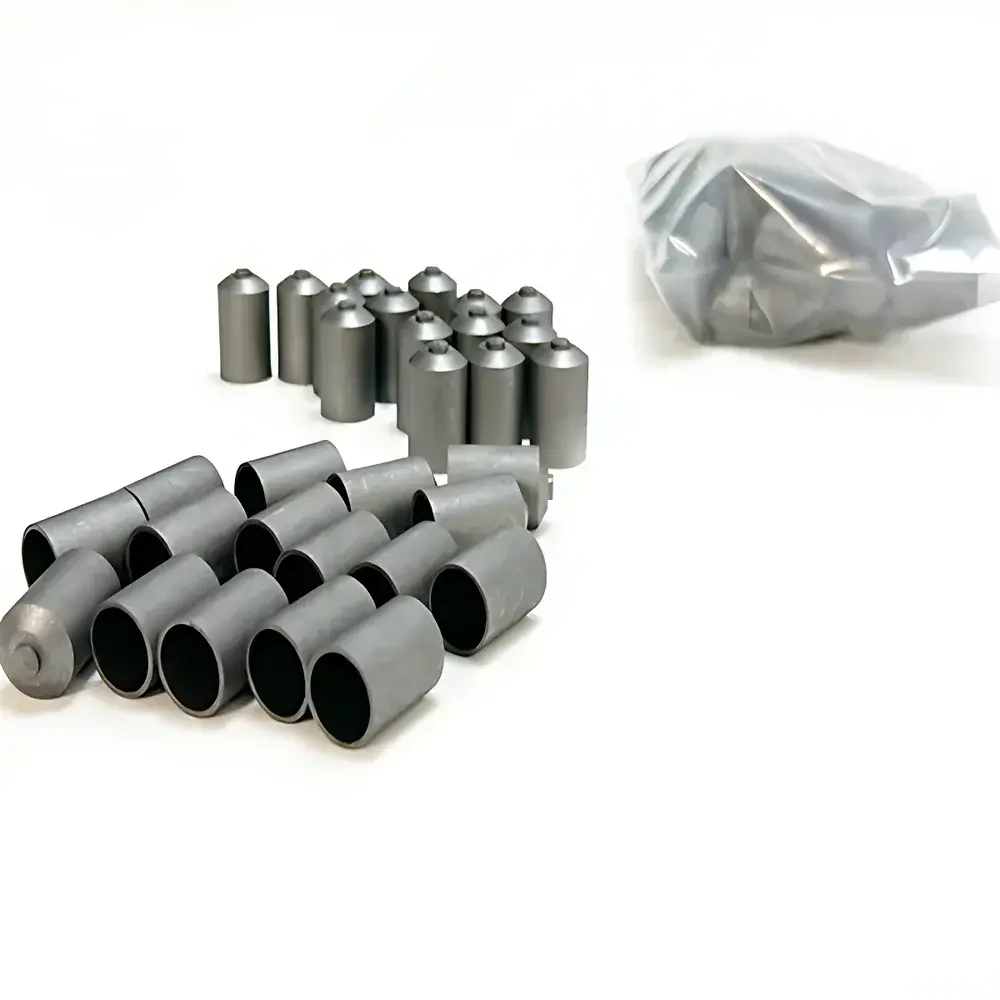
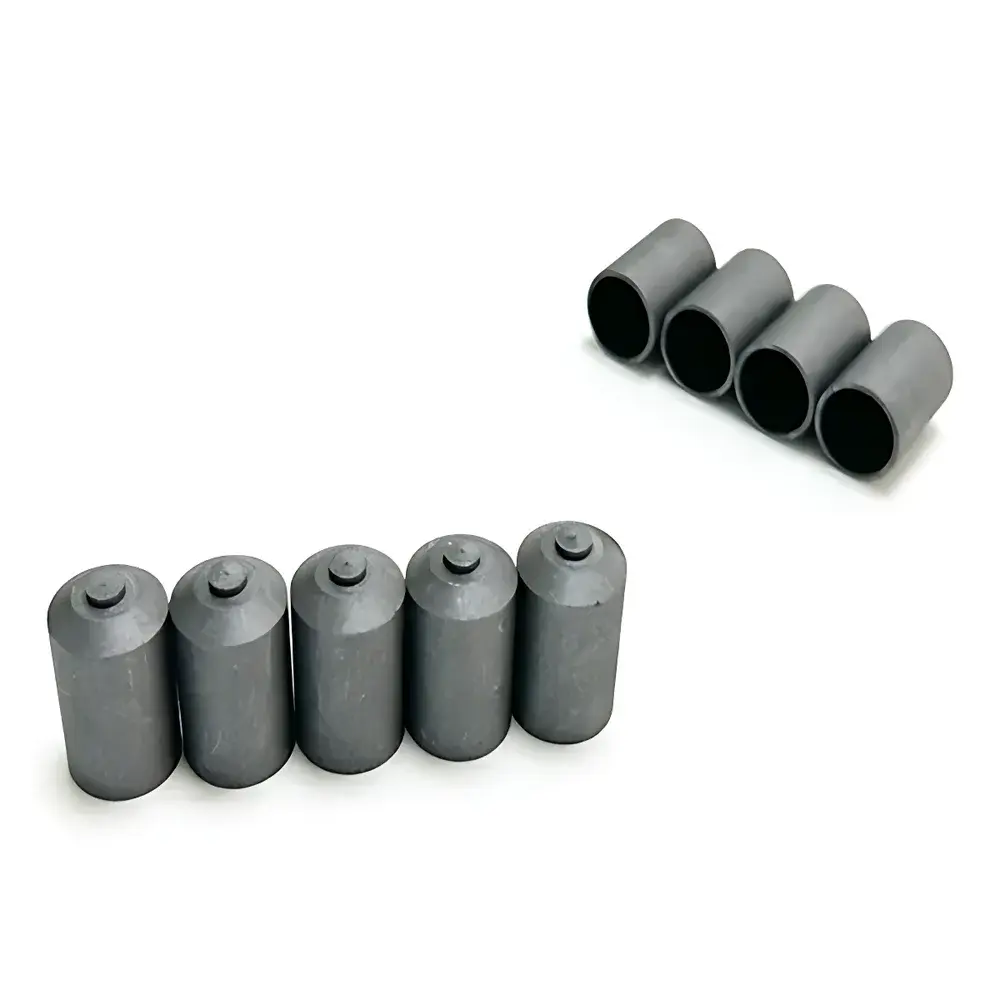
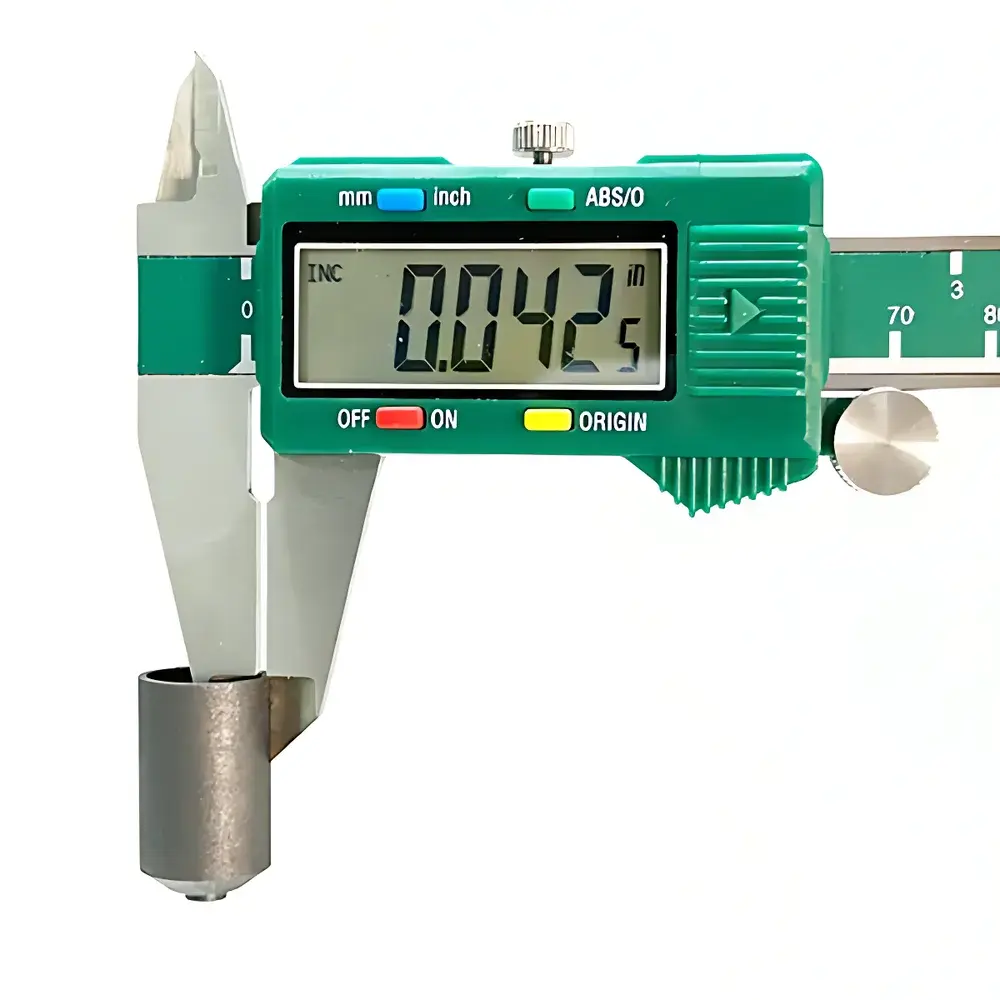
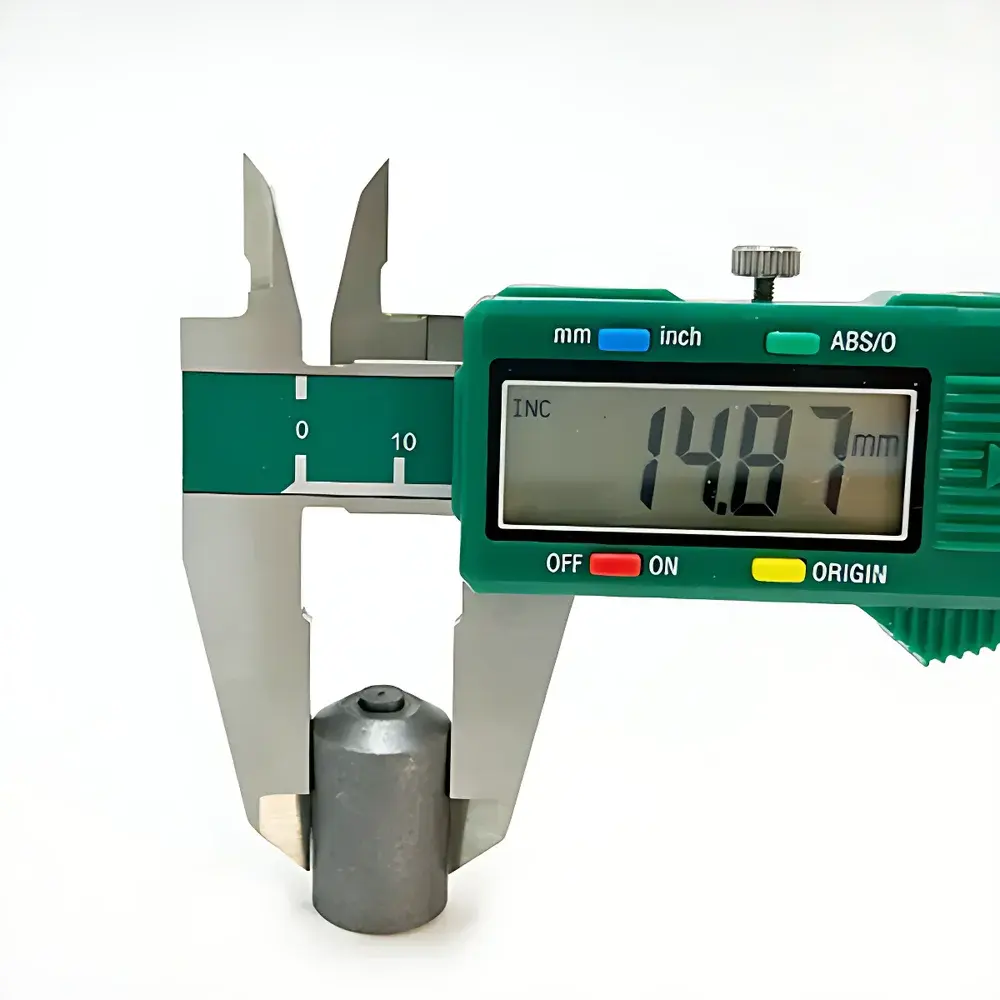
Alpha ALPHA AR5431P Graphite Inner Crucible for Inert Gas Fusion Oxygen/Nitrogen/Hydrogen Analyzers
| Brand | ALPHA |
|---|---|
| Origin | USA |
| Model | AR5431P |
| Compatibility | ELTRA®, HORIBA® LECO®, Bruker® ONH analyzers |
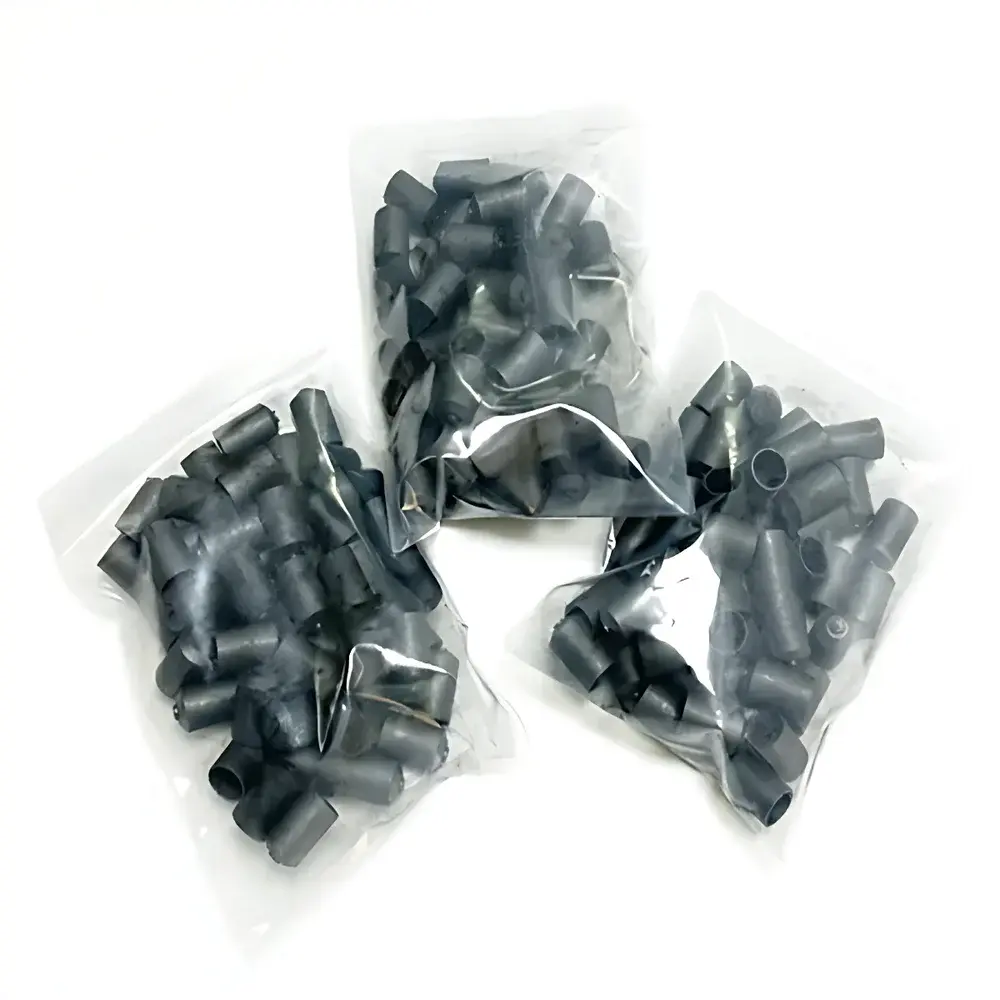
| Packaging | 100 pcs per box |
| OEM Cross-Reference | ELTRA® 775-431, LECO® 775-431, HORIBA® 775-431, Bruker® 775-431 |
Overview
The Alpha ALPHA AR5431P is a precision-engineered graphite inner crucible designed exclusively for inert gas fusion (IGF) elemental analysis of oxygen (O), nitrogen (N), and hydrogen (H) in solid inorganic materials. It operates within high-temperature pulse furnace systems—typically exceeding 3,000 °C—where samples are thermally decomposed under purified helium or argon atmospheres. During analysis, oxygen reacts with carbon from the graphite crucible to form CO, which is subsequently oxidized to CO₂ over a copper oxide or platinum-doped silica catalyst and quantified via non-dispersive infrared (NDIR) detection. Nitrogen and hydrogen are liberated as diatomic gases (N₂, H₂), separated chromatographically or by selective absorption, and measured using high-stability thermal conductivity detectors (TCDs). The AR5431P serves as the critical sample containment component in dual-crucible configurations—paired with outer graphite crucibles such as AR433—ensuring consistent thermal transfer, minimal blank contribution, and resistance to thermal shock during rapid heating cycles.
Key Features
- High-purity, low-ash isotropic graphite formulation engineered for ultra-low O/N/H background and exceptional thermal stability up to 3,200 °C
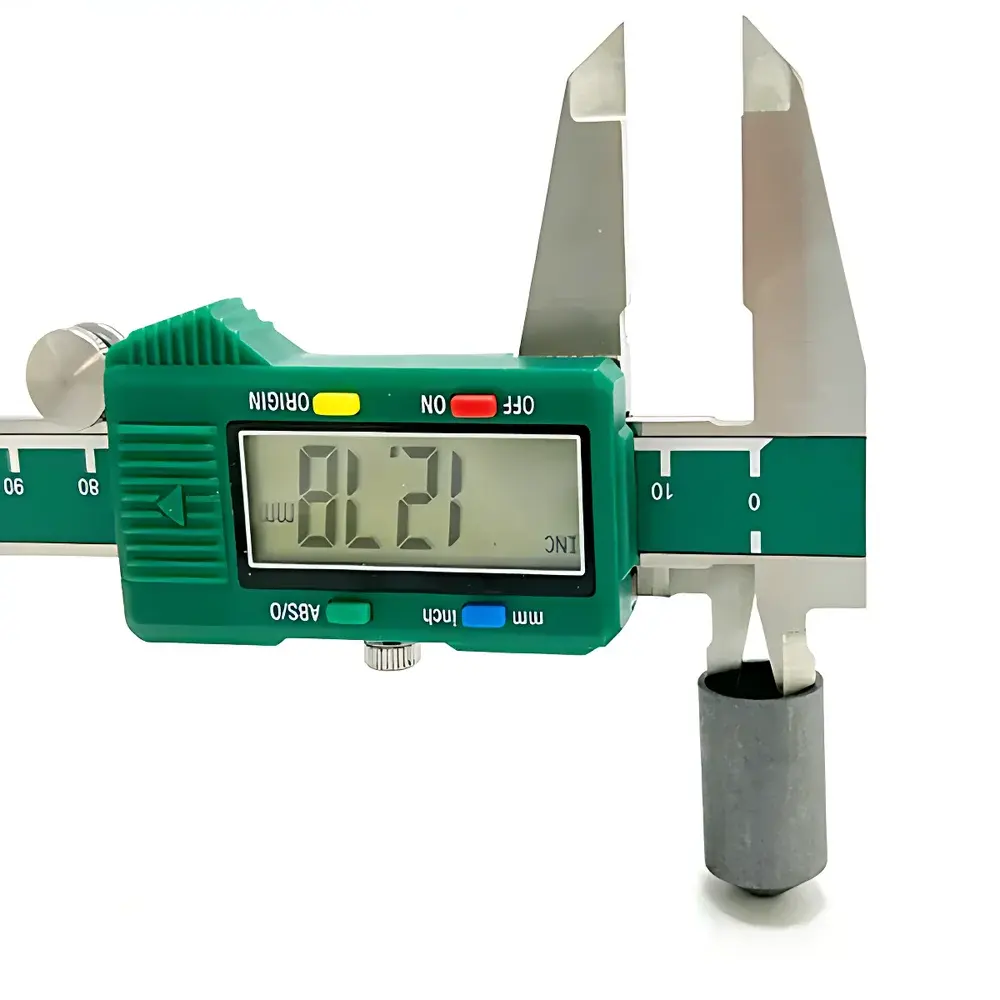
- Dimensionally optimized inner geometry (OD/ID/height specified per OEM requirements) to ensure reproducible sample positioning and uniform heat distribution in pulse furnaces
- Rigorously tested for compatibility with demanding matrices—including titanium alloys, zirconium, refractory metals, ceramics, and high-carbon steels—without spalling or premature degradation
- Manufactured under controlled cleanroom conditions to minimize trace metal contamination and volatile residue
- Validated for use in regulated environments requiring audit-ready documentation; lot-specific certificates of conformance available upon request
- Direct cross-reference to original equipment manufacturer (OEM) part numbers: ELTRA® 775-431, LECO® 775-431, HORIBA® 775-431, Bruker® 775-431
Sample Compatibility & Compliance
The AR5431P crucible supports quantitative O/N/H determination across ASTM E1019, ISO 14284, and JIS G 1211 standards for metallic and ceramic materials. Its low intrinsic hydrogen content (<0.5 ppm) and negligible oxygen blank (<0.8 ppm) meet stringent requirements for high-precision trace analysis in aerospace-grade titanium (e.g., Ti-6Al-4V), nuclear-grade zirconium, and specialty stainless steels. The crucible is compatible with GLP/GMP workflows and supports FDA 21 CFR Part 11–compliant data integrity when used with validated instrument platforms such as ELEMENTRAC ONH-p, ONH-D, and ELTRA ONH series analyzers. Each production lot undergoes batch testing for dimensional tolerance (±0.15 mm), density (1.72–1.78 g/cm³), and electrical resistivity (≤8.5 µΩ·m) to ensure analytical reproducibility.
Software & Data Management
While the AR5431P is a passive consumable, its performance directly impacts data fidelity in instrument control software suites including ELTRA’s WinElement, LECO’s CoWin, HORIBA’s UNICAM, and Bruker’s OPUS. Consistent crucible geometry and purity reduce baseline drift and improve calibration stability across multi-day runs. When integrated into automated sample handling systems (e.g., ELTRA AutoSampler or LECO Sample Manager), the AR5431P enables full traceability through barcode-labeled packaging and lot-level integration into LIMS environments. Documentation packages include material test reports (MTRs), RoHS/REACH declarations, and optional ISO/IEC 17025-accredited validation summaries.
Applications
- Oxygen analysis in silicon carbide (SiC) ceramics and sintered tungsten carbide (WC-Co) composites
- Nitrogen quantification in austenitic stainless steels (e.g., 316L) and nitinol shape-memory alloys
- Hydrogen measurement in aluminum castings, magnesium alloys, and additive-manufactured Inconel 718
- Quality control of powder metallurgy feedstocks, including atomized iron and nickel powders
- Research-grade analysis of geological oxides, rare-earth magnets, and nuclear fuel cladding materials
FAQ
What is the recommended maximum usage temperature for the AR5431P crucible?
The AR5431P is rated for continuous operation up to 3,000 °C in inert atmospheres; short-term exposure to 3,200 °C is permissible under pulsed furnace conditions.
Is this crucible suitable for hydrogen analysis in titanium alloys?
Yes—its ultra-low intrinsic hydrogen content and high thermal shock resistance make it ideal for low-level H quantification (detection limit ≤0.1 ppm) in Ti-based alloys per ASTM E1447.
How does the AR5431P differ from the AR5431 model?
The “P” suffix denotes packaged configuration: AR5431P is supplied in sealed, moisture-controlled blister packs of 100 units with individual lot traceability; AR5431 refers to bulk-packed inventory without unit-level serialization.
Can AR5431P be used interchangeably with ELTRA 775-431 in all ONH-p configurations?
Yes—dimensional, thermal, and chemical specifications fully conform to ELTRA’s published tolerances for 775-431; no firmware or method adjustments are required.
Do you provide certificates of analysis (CoA) for each lot?
Yes—standard CoAs include ash content, apparent density, flexural strength, and residual hydrogen/oxygen values; extended testing (e.g., SEM/EDS, XRF impurity screening) is available on request.
Related Products



