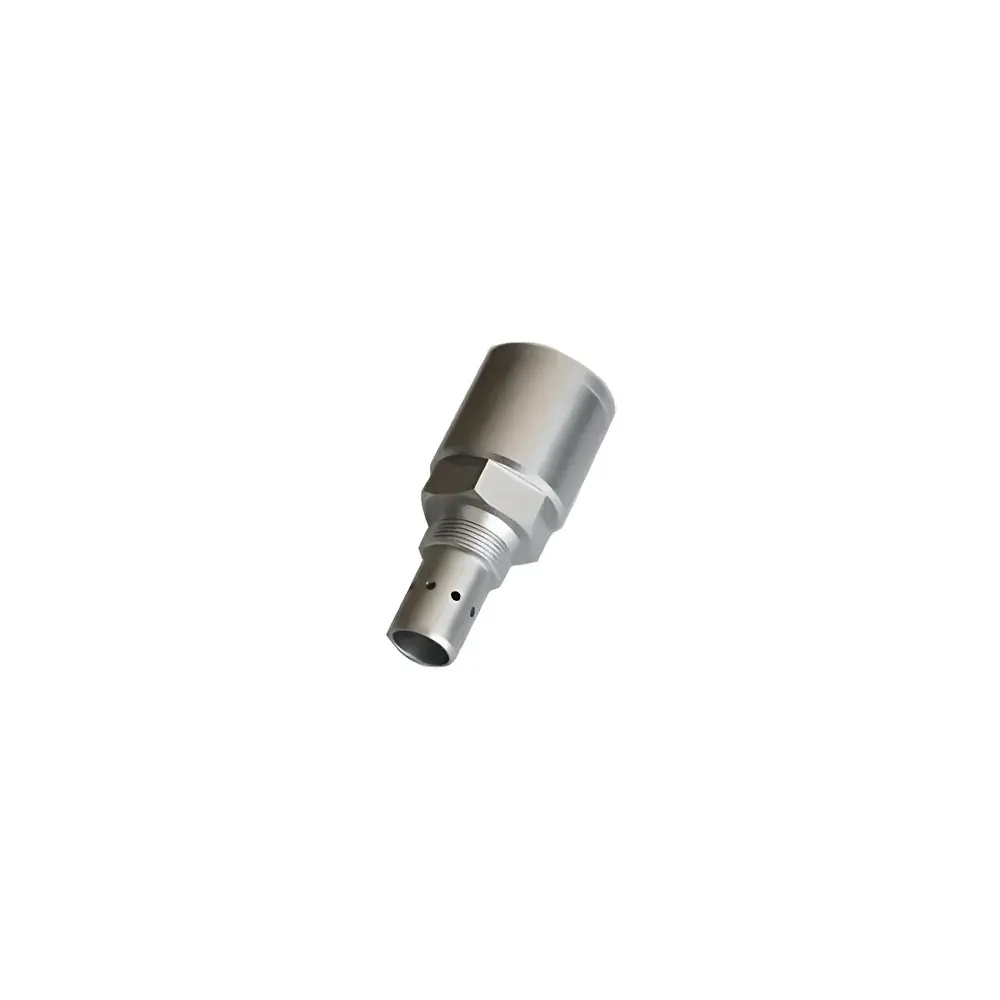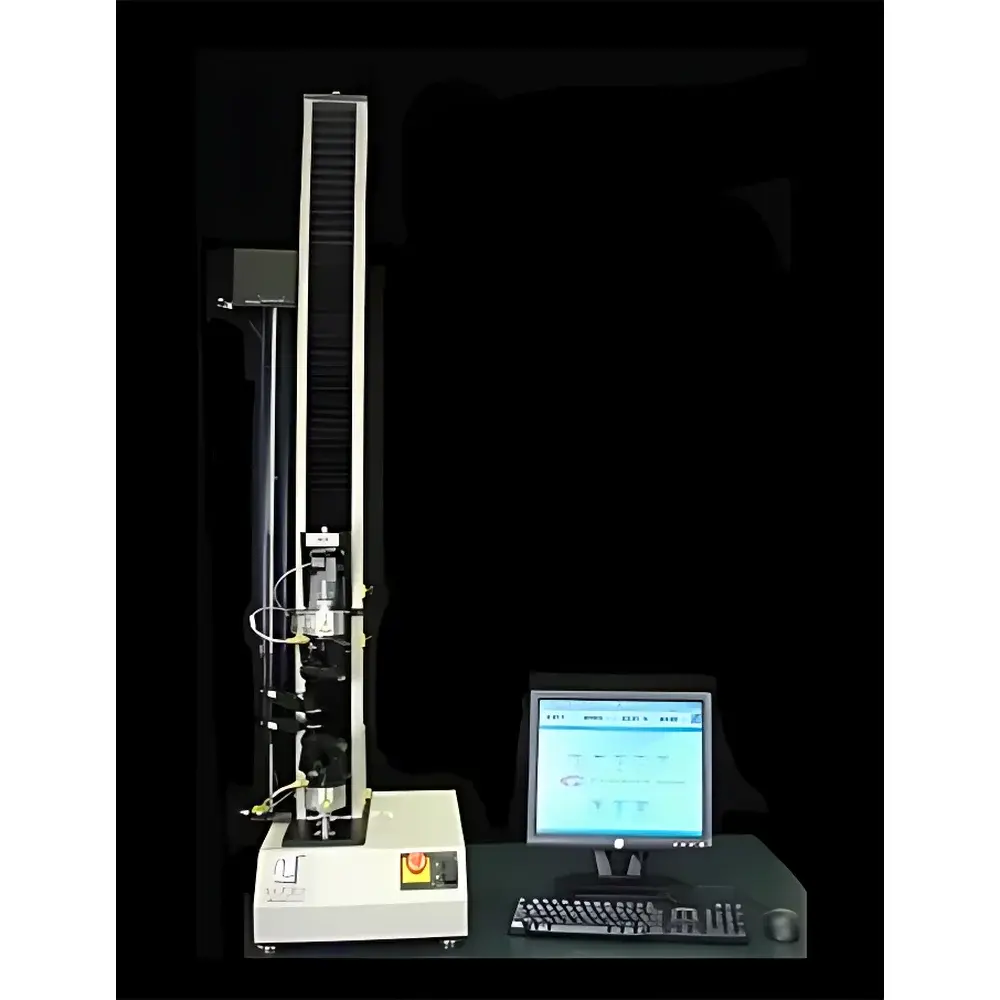
ALPHA T2020SC Universal Testing Machine
| Brand | ALPHA |
|---|---|
| Origin | USA |
| Manufacturer Type | Authorized Distributor |
| Origin Category | Imported |
| Model | T2020SC |
| Pricing | Upon Request |
Overview
The ALPHA T2020SC Universal Testing Machine is a precision-engineered electromechanical system designed for static mechanical characterization of polymeric, elastomeric, and fibrous materials under controlled uniaxial loading conditions. Built to ASTM and ISO-compliant test architectures, it operates on the principle of servo-controlled force application via a high-resolution ball-screw actuator, coupled with closed-loop load and displacement feedback. Its modular frame accommodates interchangeable gripping systems and environmental accessories, enabling standardized tensile, tear, peel, compression, and flexural testing across rubber, thermoplastic elastomers (TPEs), textiles, and composite reinforcements. The system is engineered for repeatability in both routine QC laboratories and R&D environments—supporting full compliance with method-defined protocols including ASTM D412 (tensile properties of vulcanized rubber), ASTM D575 (compression deflection of rubber), ASTM D790 (flexural properties of plastics), and ASTM D885 (tensile properties of tire cord and yarn).
Key Features
- Modular dual-column steel frame with rigid crosshead guidance and precision-ground lead screws for minimal axial runout and high positional fidelity
- Programmable test sequences with up to 10 independent steps per method—including ramp, hold, return, and cyclic profiles
- Integrated high-accuracy load cell with dual-range capability (e.g., 10 N–5 kN typical, calibrated per ISO 7500-1 Class 0.5)
- Dual-mode extensometry: contact-based high-elongation clip-on extensometer (up to 1000% strain) and non-contact digital video extensometer (DVE) with sub-pixel edge detection and real-time strain mapping
- Environmental compatibility: direct integration with standard temperature-controlled chambers (−70 °C to +300 °C) via pass-through ports and thermal isolation mounts
- Multi-language user interface (English, French, German, Russian, Japanese) embedded in Blue Hill software platform
- Compliance-ready architecture supporting audit trails, electronic signatures, and 21 CFR Part 11–aligned data integrity controls
Sample Compatibility & Compliance
The T2020SC supports specimen geometries conforming to ASTM D412 Type A, B, and C dumbbells; ISO 37 strips; ASTM D885 parallel-filament cords and twisted yarns; and ASTM D790 rectangular beams. It accommodates specimens ranging from thin elastomeric films (1000 dtex). Optional fixtures include pneumatic grips for high-speed clamping, compression platens with parallelism adjustment, and specialized cord-and-yarn grips with self-aligning jaw geometry. All test methods are pre-configured in Blue Hill software to enforce parameter constraints defined by ASTM, ISO, and USP mechanical testing guidelines. System validation documentation (IQ/OQ/PQ templates) and calibration certificates traceable to NIST standards are provided.
Software & Data Management
Blue Hill software serves as the central control and analysis environment for the T2020SC. It delivers real-time graphical monitoring of force–displacement, stress–strain, and modulus curves with automatic yield point, breaking elongation, and secant modulus calculations. Raw data is stored in encrypted .bhdb binary format with metadata tagging (operator ID, sample ID, environmental conditions, calibration status). Export options include CSV, PDF reports (with configurable headers/footers), and XML for LIMS integration. Audit trail logs record all user actions—including method edits, result overrides, and calibration events—with timestamps and user authentication. Software complies with GLP/GMP requirements through role-based access control, electronic signature workflows, and immutable data archiving.
Applications
- Tensile modulus and elongation-at-break measurement for natural rubber, SBR, EPDM, silicone, and fluorosilicone compounds
- Compression set evaluation per ASTM D395 and ISO 815 using optional compression tooling
- Tear resistance quantification (Trouser Tear, Elmendorf) with dedicated fixtures
- Flexural stiffness and modulus determination for polymer sheets and laminates per ASTM D790
- Tensile strength and elongation profiling of filamentary structures—tire cords, aramid yarns, polyester multifilaments—per ASTM D885 and ISO 2062
- Adhesion strength testing of coated fabrics and laminated composites via peel or lap-shear configurations
FAQ
Does the T2020SC support automated test method switching without manual recalibration?
Yes—Blue Hill software maintains fixture-specific calibration coefficients and automatically loads appropriate load cell range, extensometer type, and sampling rate upon method selection.
Can video extensometry be used simultaneously with contact extensometers?
No—only one extensometry mode may be active per test to ensure signal integrity and avoid conflicting strain definitions.
Is the system compatible with third-party environmental chambers?
Yes—standard 50 mm diameter cable and sensor pass-through ports comply with most commercial chamber manufacturers’ mounting specifications.
What level of data security does Blue Hill provide for regulated industries?
It implements AES-256 encryption at rest, TLS 1.2+ for network communication, and full 21 CFR Part 11 compliance including biometric or PKI-based electronic signatures.
Are ASTM-compliant test reports generated directly from the software?
Yes—predefined report templates embed mandatory ASTM header fields, statistical summaries (n ≥ 5), and pass/fail flags based on user-defined specification limits.