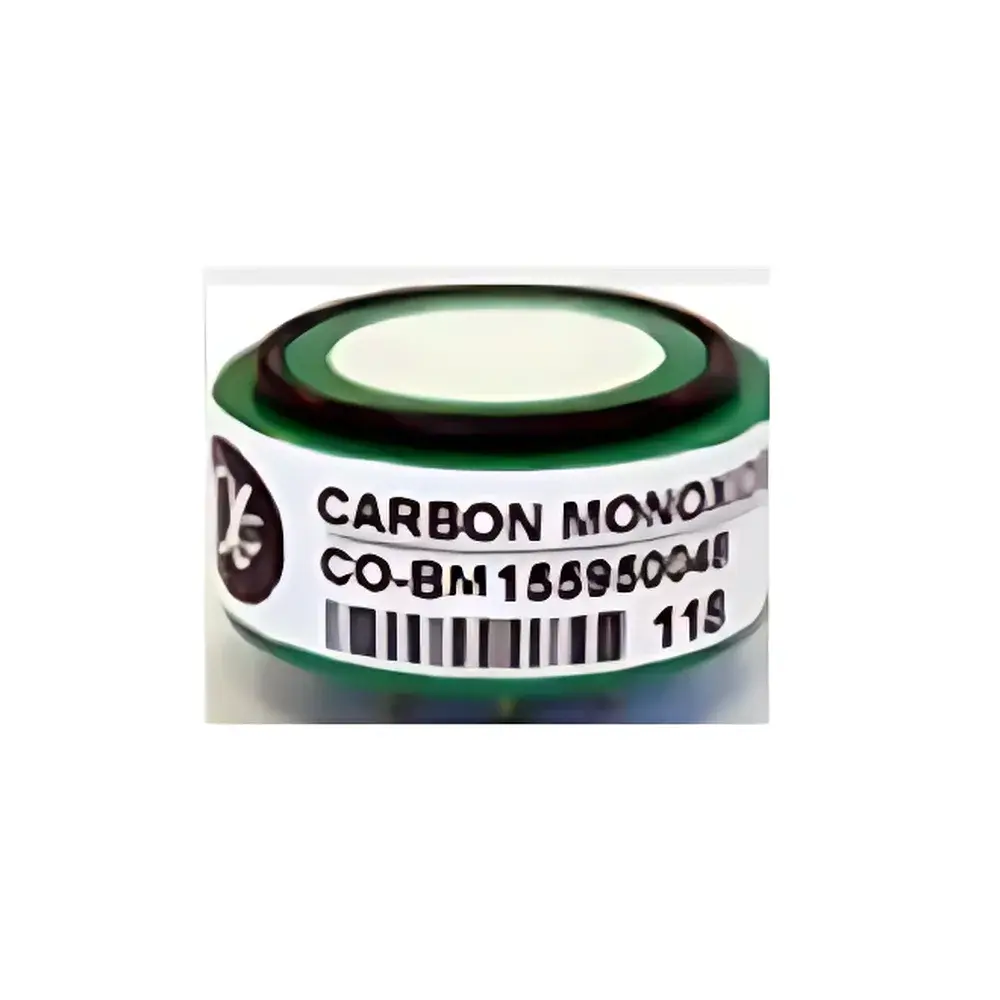
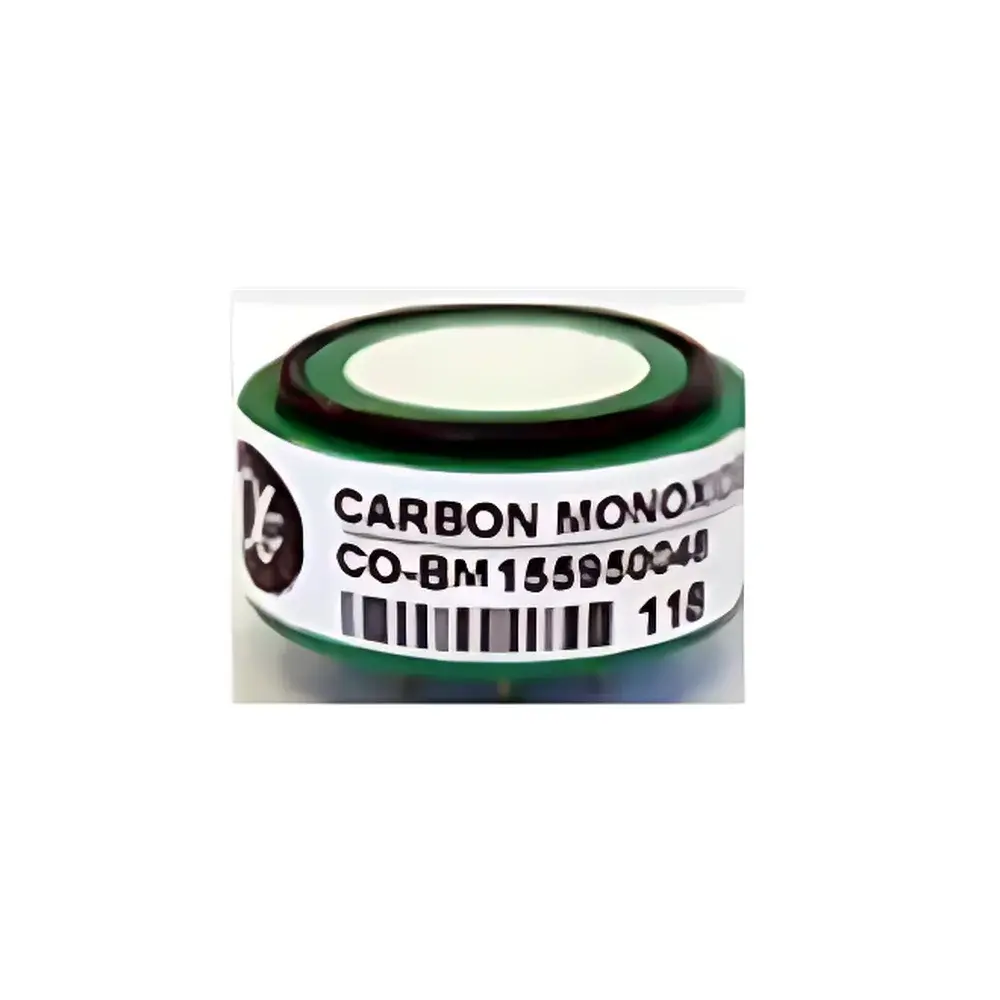
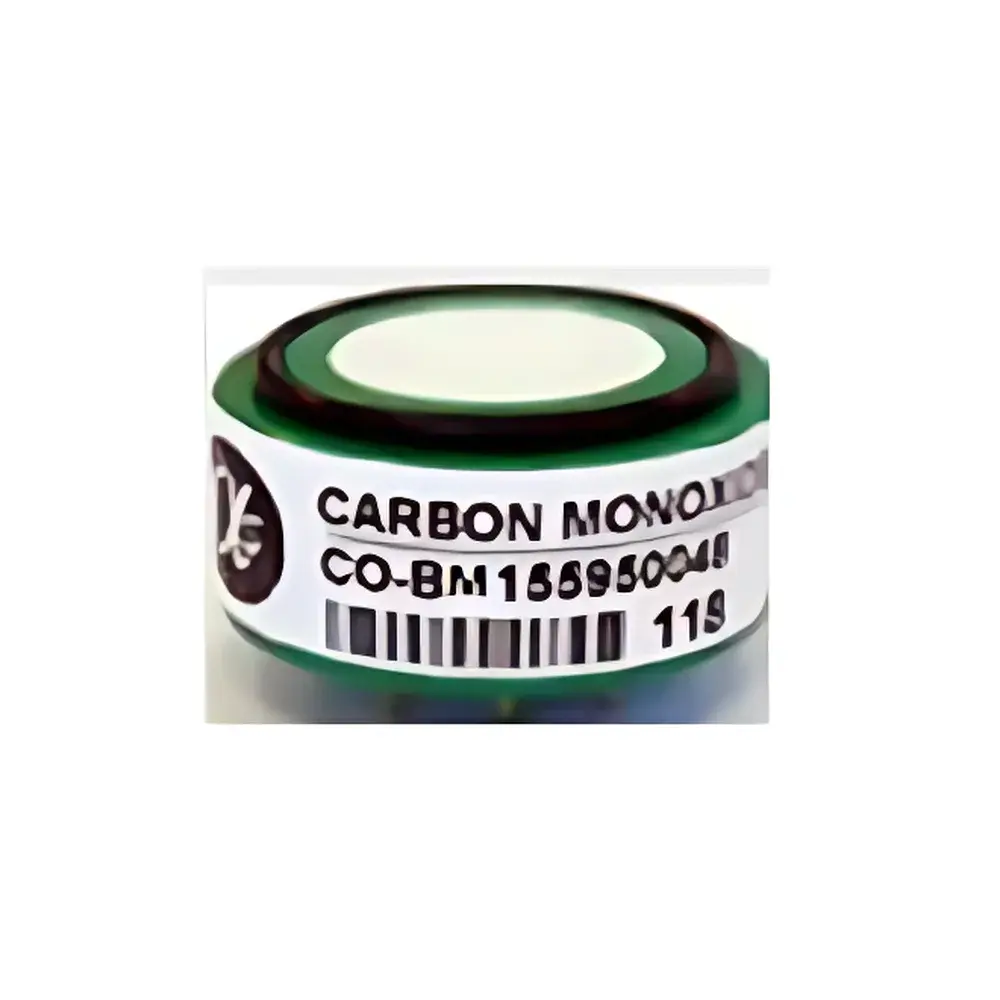
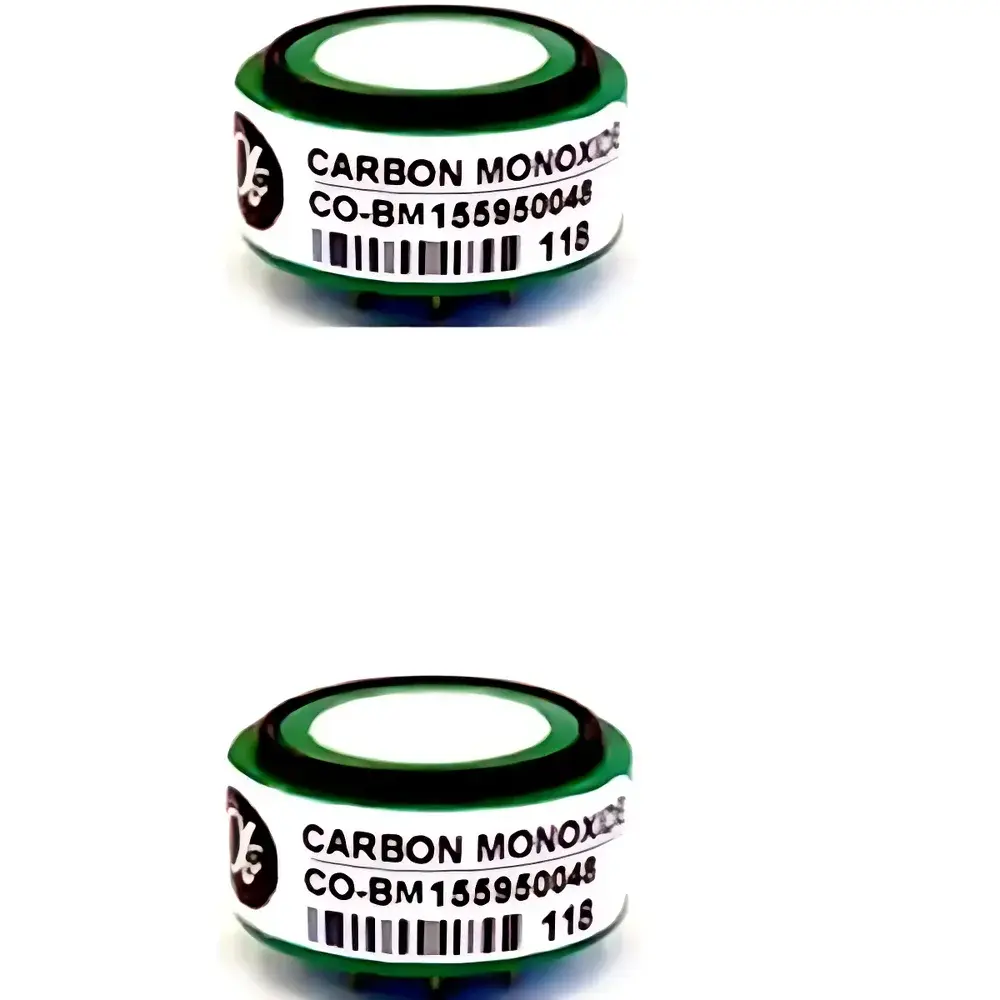
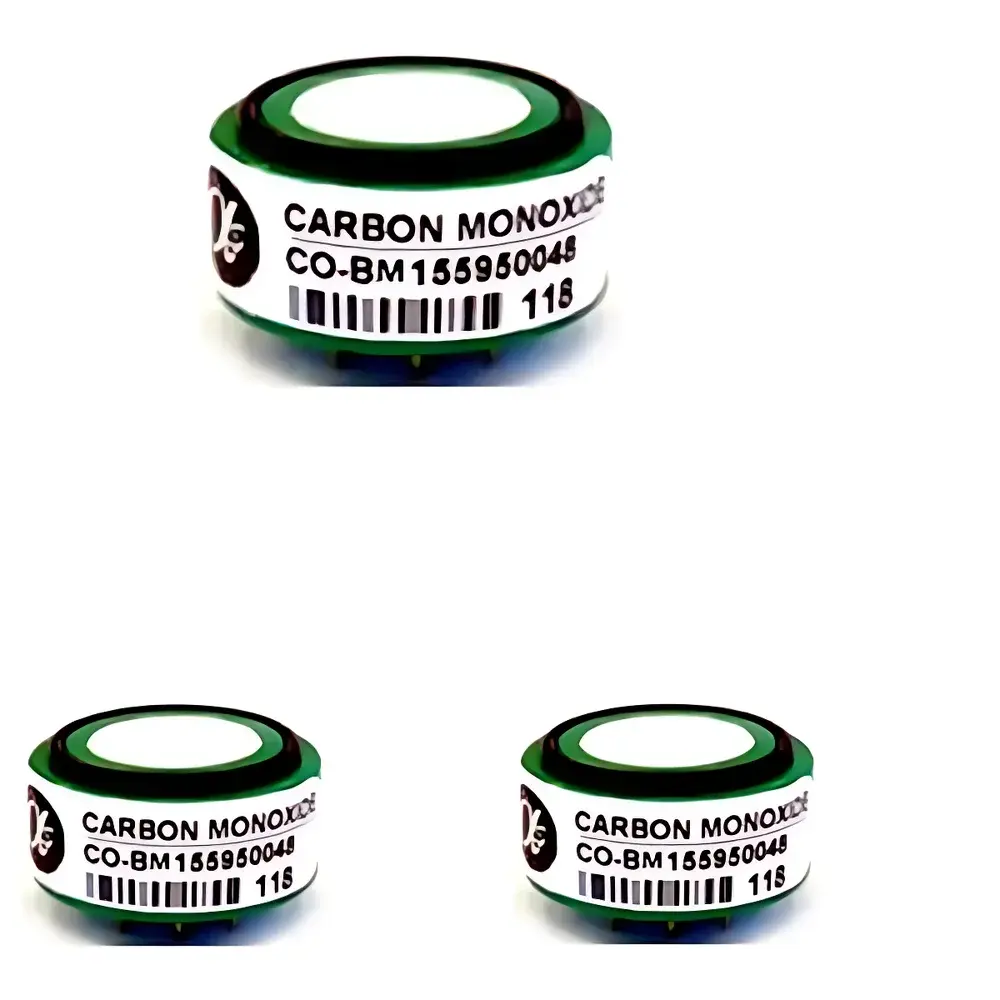
Alphasense CO-BM Electrochemical Carbon Monoxide Sensor
| Brand | Alphasense (UK) |
|---|---|
| Origin | United Kingdom |
| Model | CO-BM |
| Measurement Principle | Potentiostatic 3-electrode electrochemistry |
| Range | 0–5000 ppm CO |
| Sensitivity | 80–130 nA/ppm |
| Response Time (t90) | <25 s |
| Zero Current | ±30 ppm |
| Overload Capacity | 10,000 ppm |
| Resolution | 0.5 ppm |
| Operating Temperature | −30 to +50 °C |
| Operating Humidity | 15–90 % RH (non-condensing) |
| Load Resistance | 10–47 Ω |
| Filtered Inlet | Integrated hydrophobic PTFE membrane |
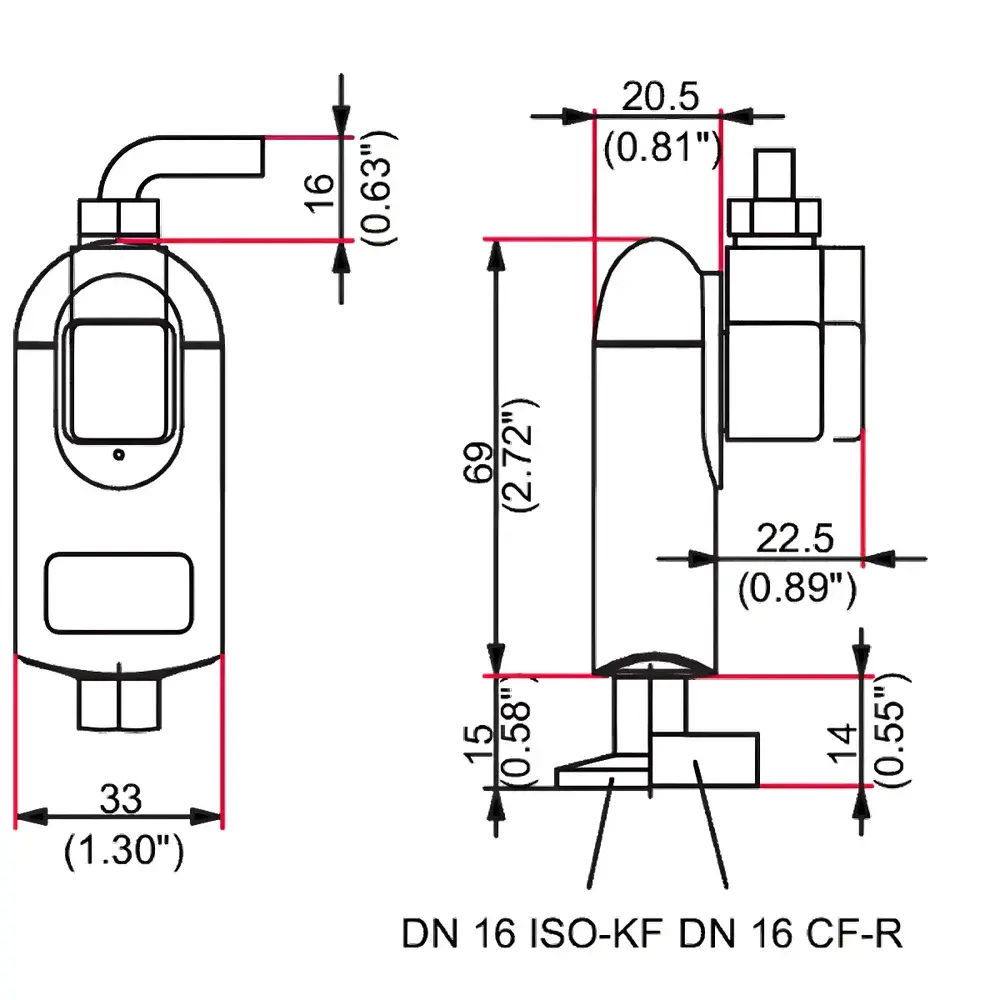
| Dimensions | Ø32.3 × 16.5 mm |
| Expected Operational Lifetime | 24 months |
| Storage Stability | 6 months (unpowered, sealed, 20 °C) |
Overview
The Alphasense CO-BM is a high-stability, potentiostatically controlled 3-electrode electrochemical sensor designed for reliable, low-power detection of carbon monoxide (CO) in ambient air and industrial process environments. Engineered for precision and long-term reproducibility, the CO-BM operates on the principle of selective electro-oxidation of CO at a catalyzed working electrode, generating a current linearly proportional to gas concentration. Its robust architecture integrates a hydrophobic PTFE filter to mitigate interference from particulates, moisture, and non-volatile contaminants—critical for deployment in demanding field applications such as indoor air quality monitoring, confined space safety systems, and fixed-gas detection networks. Unlike passive diffusion sensors, the CO-BM maintains stable baseline performance across its full operating temperature range (−30 to +50 °C) and humidity spectrum (15–90 % RH, non-condensing), making it suitable for both indoor and outdoor installations where environmental variability is significant.
Key Features
- Potentiostatic 3-electrode configuration ensures minimal zero drift and high cross-sensitivity rejection—particularly against hydrogen, ethanol, and NO2.
- Integrated hydrophobic PTFE membrane provides consistent diffusion control while preventing liquid ingress and particulate fouling.
- Optimized for low-power operation: typical bias current <1 µA; compatible with battery-powered and energy-harvesting instrumentation.
- Factory-calibrated and temperature-compensated output enables direct integration into OEM gas analyzers without additional signal conditioning hardware.
- Compact cylindrical form factor (Ø32.3 × 16.5 mm) supports high-density sensor array configurations and retrofit into legacy detection housings.
- Stable sensitivity (80–130 nA/ppm) and tight zero specification (±30 ppm linearity deviation) support compliance with EN 45544-1 and IEC 60079-29-1 requirements for CO detection in occupational safety systems.
Sample Compatibility & Compliance
The CO-BM is validated for continuous measurement of CO in clean, dry, and moderately humid air matrices. It exhibits negligible response to common interferents including H2 (≤5% of CO response at 1000 ppm), CH3OH, and C2H5OH below 200 ppm. For applications involving high VOC or sulfur compound concentrations, optional activated charcoal pre-filters are recommended. The sensor meets the mechanical and electrical interface specifications defined in Alphasense’s Technical Note TN-011 and conforms to RoHS 2011/65/EU and REACH Annex XVII. While not intrinsically safe as a standalone component, it is routinely integrated into ATEX-certified transmitters (e.g., Zone 1/21 designs) when paired with appropriate barrier circuits and housing.
Software & Data Management
The CO-BM outputs a linear analog current signal (nA) proportional to CO concentration, requiring external transimpedance amplification and ADC conversion. When integrated into systems supporting digital communication protocols (e.g., Modbus RTU, I²C via companion ASICs), raw sensor data—including temperature-corrected current, internal reference electrode potential, and diagnostic flags—can be logged with timestamped audit trails. Firmware-level calibration management supports dual-point (zero/span) and multi-point NIST-traceable calibration routines. Systems incorporating the CO-BM may be configured to meet FDA 21 CFR Part 11 requirements for electronic records and signatures when deployed in GLP-compliant environmental monitoring or pharmaceutical facility HVAC validation.
Applications
- Fixed-site industrial hygiene monitors for refinery, steel mill, and boiler room CO surveillance.
- OEM integration into portable personal safety devices (e.g., multi-gas detectors per EN 61010-1).
- Smart building ventilation control systems responding to real-time CO levels in parking garages and underground transport hubs.
- Environmental research stations measuring urban background CO trends over seasonal cycles.
- Calibration verification standards in accredited gas testing laboratories (ISO/IEC 17025).
FAQ
What is the recommended warm-up time before stable readings are achieved?
Typical stabilization time is 60–90 seconds after power application under standard conditions (23 °C, 50 % RH); full thermal equilibrium requires up to 10 minutes at temperature extremes.
Can the CO-BM be operated continuously at 5000 ppm CO?
Yes—its overload tolerance is rated to 10,000 ppm for ≤1 hour; extended exposure above 5000 ppm may accelerate electrolyte depletion and reduce functional lifetime.
Is periodic recalibration required, and what is the recommended interval?
For critical safety applications, quarterly zero-and-span calibration is advised; for general environmental monitoring, semi-annual verification suffices if baseline drift remains within ±10 ppm over 30 days.
Does the sensor require external temperature compensation?
No—the CO-BM includes an integrated thermistor and is factory-compensated across its full operating range; however, host system firmware must apply the published compensation polynomial (provided in datasheet Rev. D) for optimal accuracy.
How should unused sensors be stored to preserve shelf life?
Store unopened units in original packaging at 20 ± 3 °C and <60 % RH; once opened, use within 6 months or reseal in desiccated environment with oxygen scavenger to prevent electrolyte evaporation.