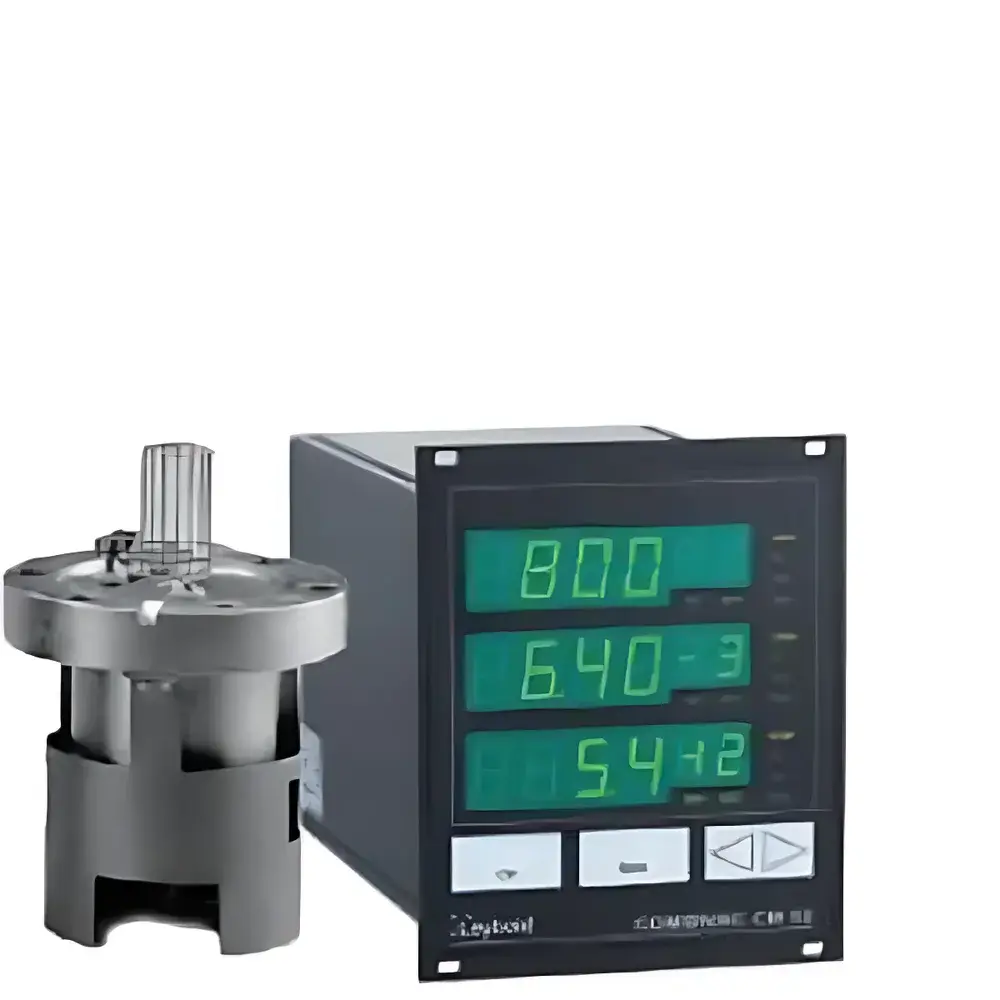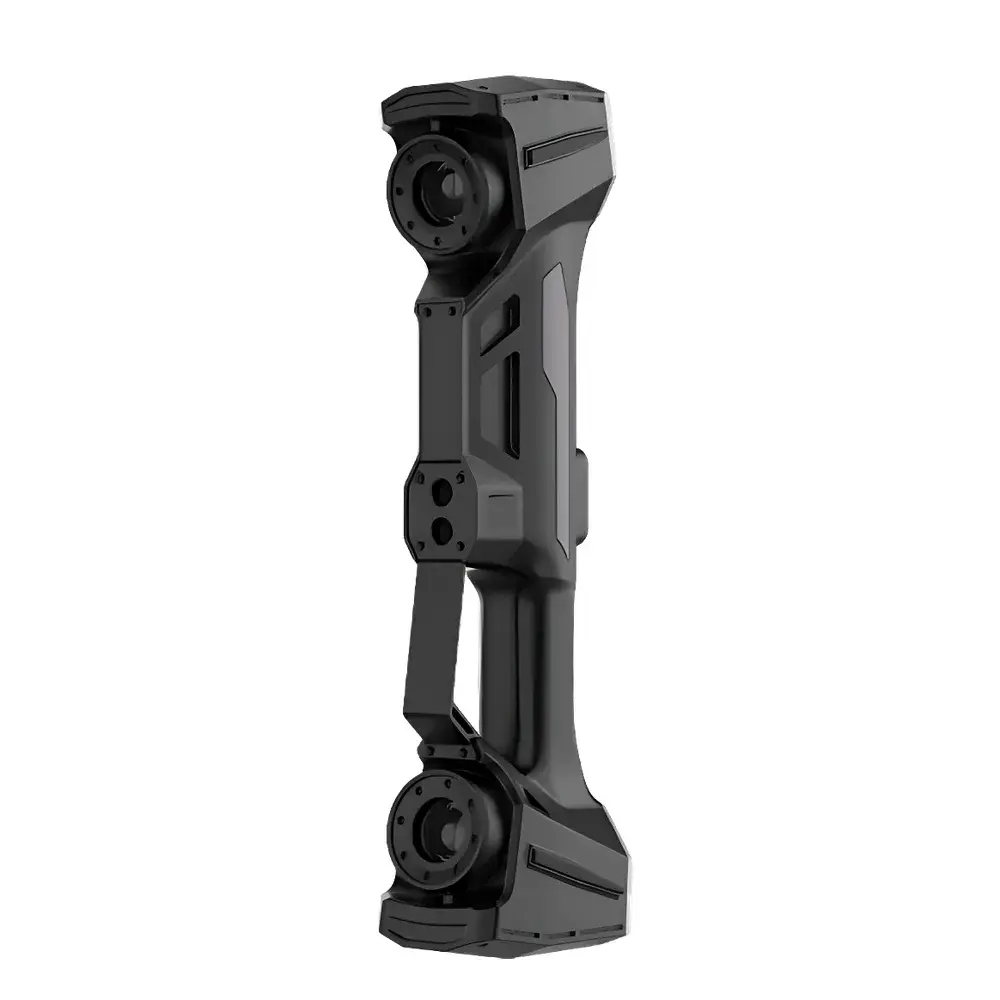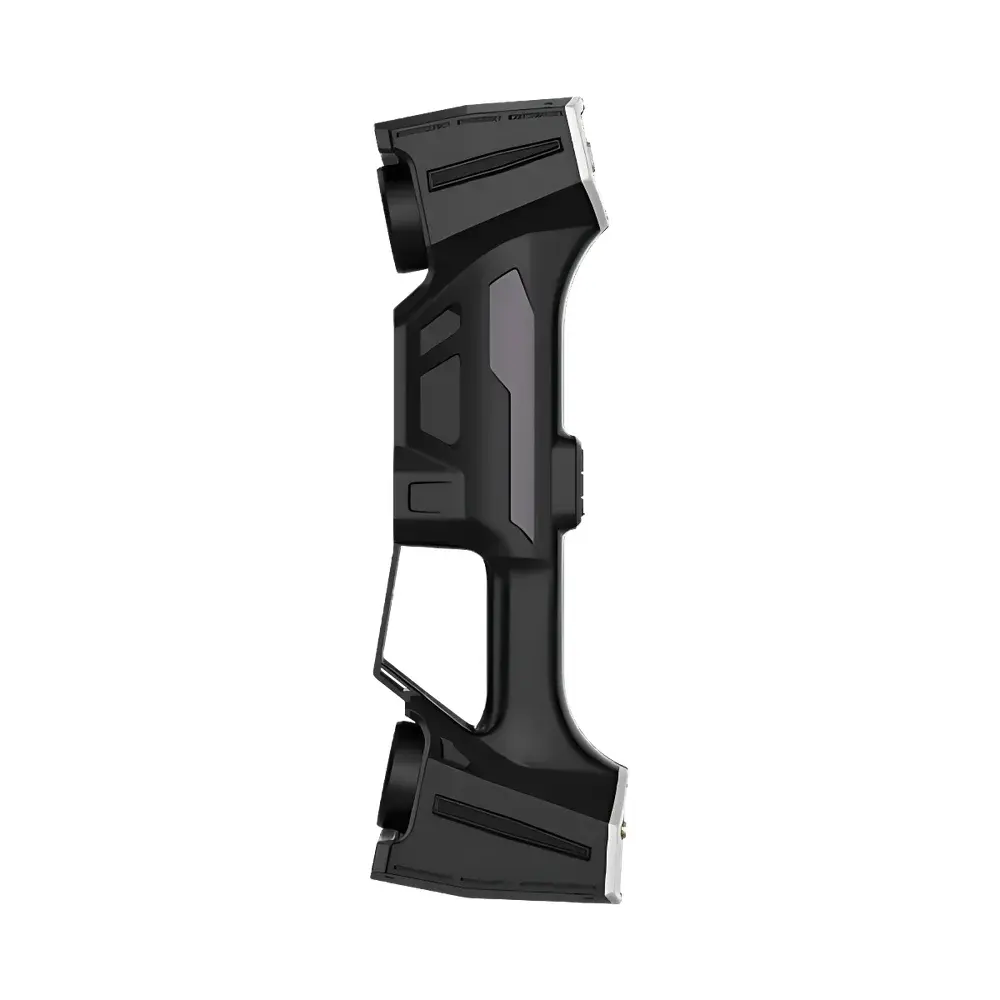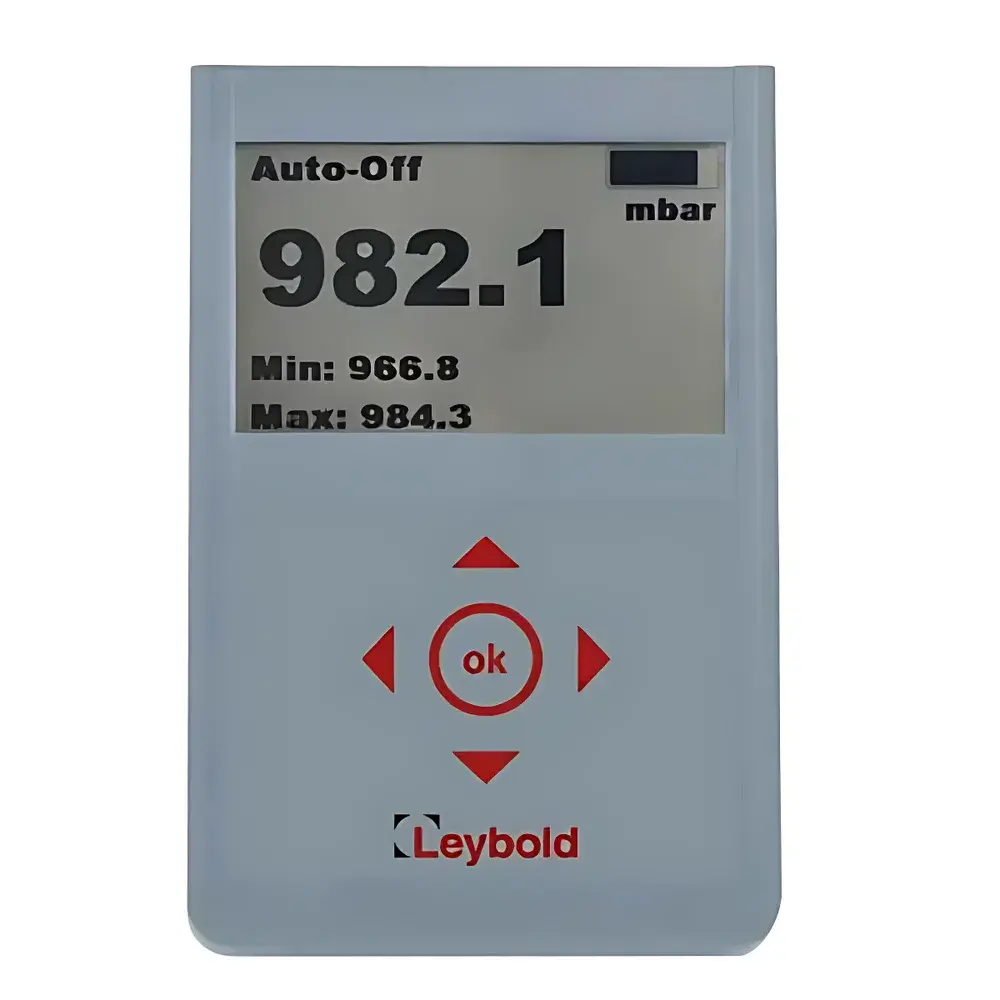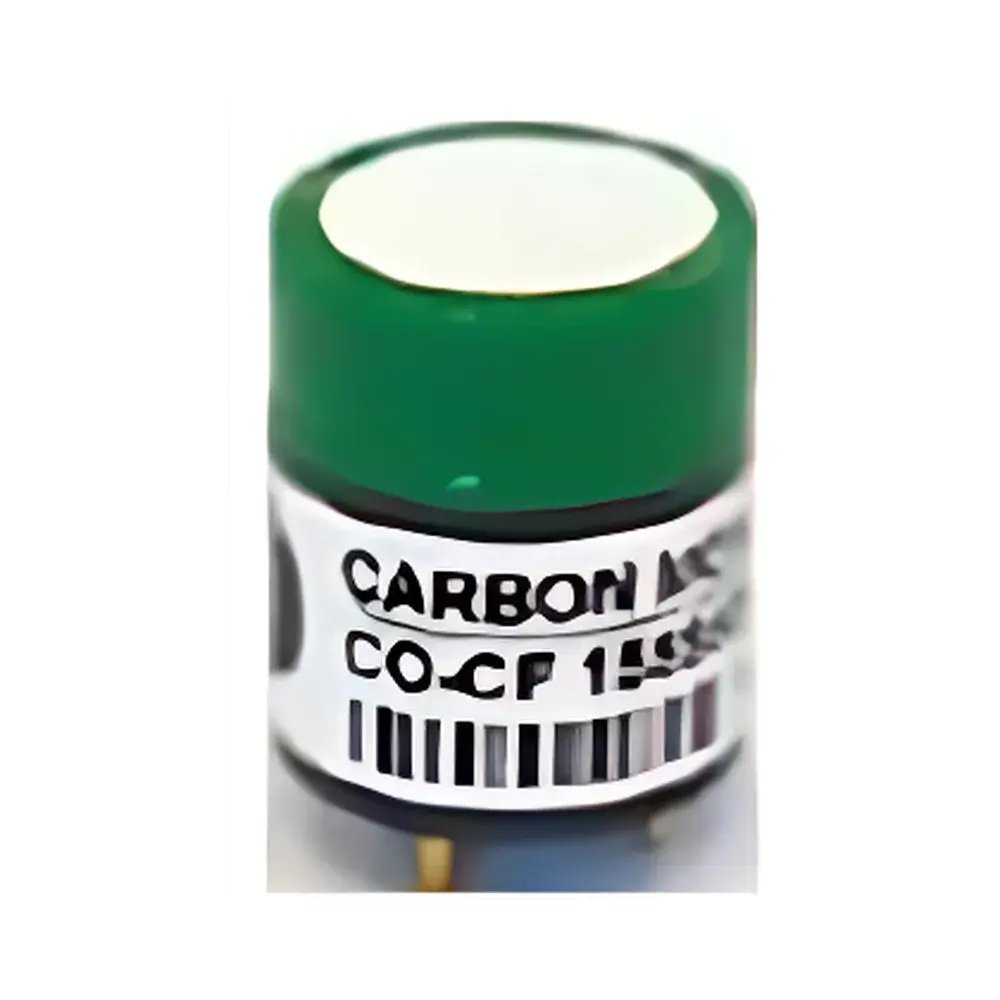
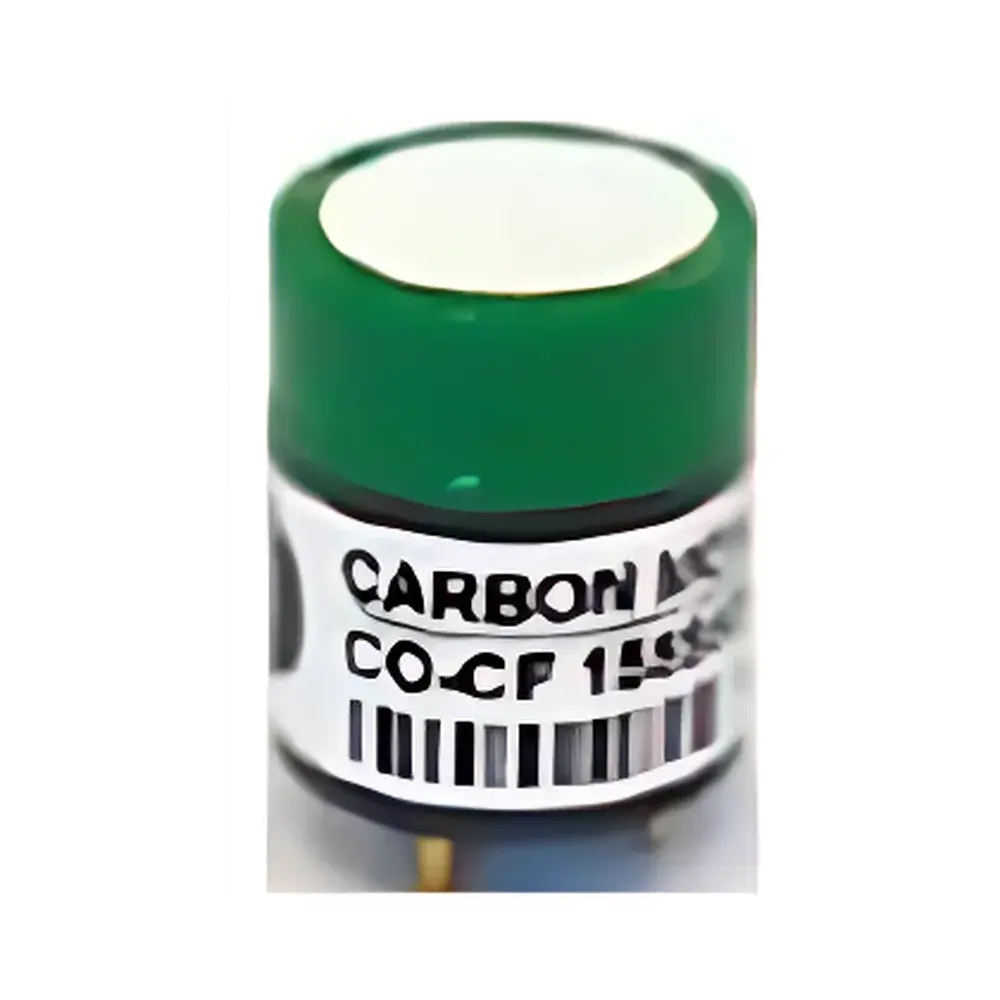
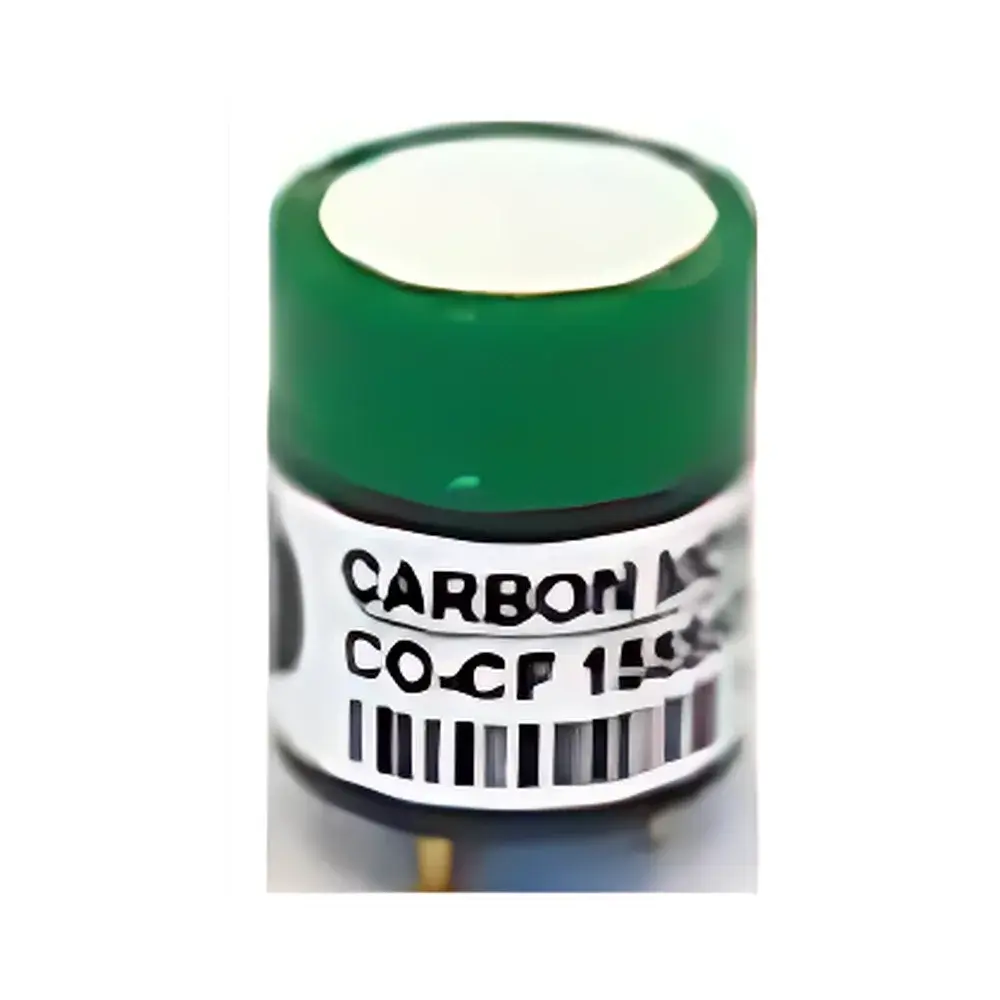
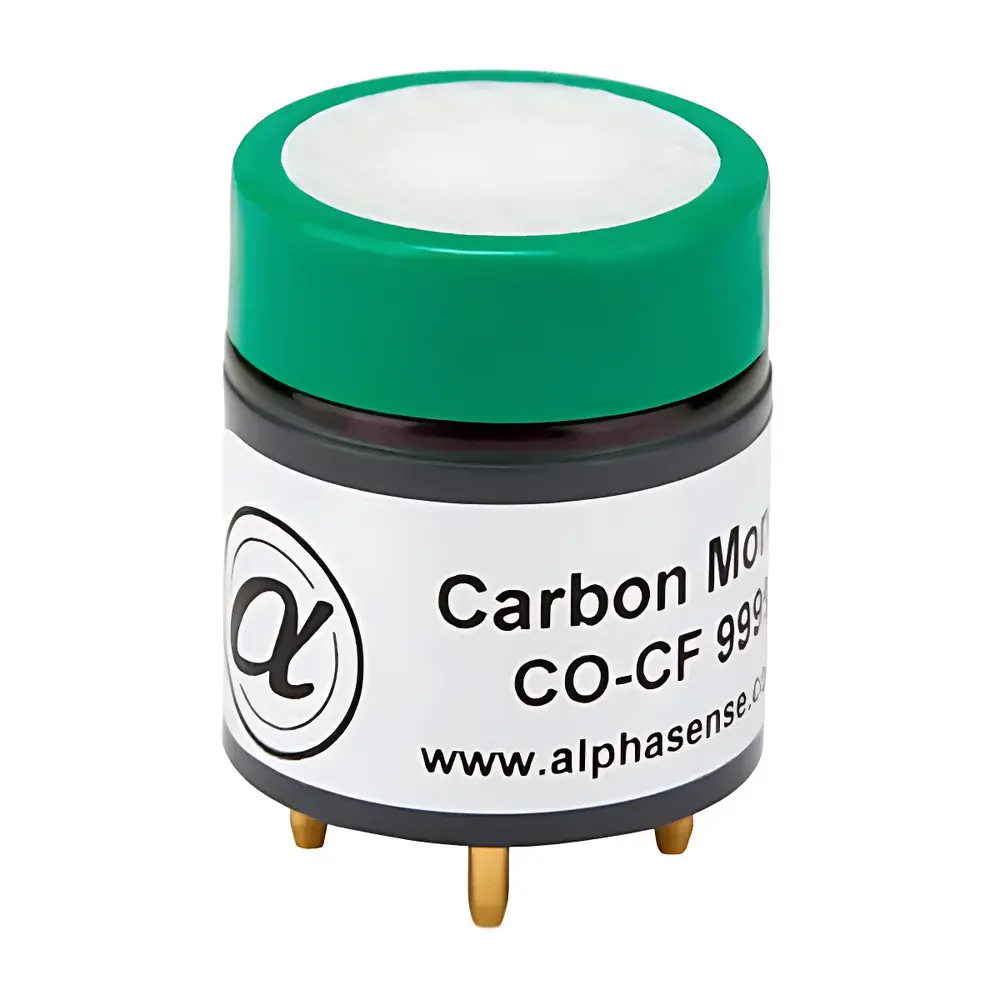
Alphasense CO-CF Electrochemical Carbon Monoxide Sensor with Smoke-Resistant Filter
| Brand | Alphasense |
|---|---|
| Origin | United Kingdom |
| Model | CO-CF |
| Sensitivity | 55–90 nA/ppm |
| Response Time (t₉₀) | <30 s |
| Measurement Range | 0–5000 ppm |
| Overload Capacity | 20,000 ppm |
| Resolution | <0.5 ppm |
| Full-Scale Linearity Error | ±30 ppm |
| Dimensions | Ø20.2 × 23 mm |
| Operating Temperature | −30 to +50 °C |
| Operating Humidity | 15–90 %RH (non-condensing) |
| Load Resistance | 10–47 Ω |
| Expected Operational Lifetime | 2 years |
| Storage Shelf Life | 6 months |
Overview
The Alphasense CO-CF is a high-stability, electrochemical carbon monoxide (CO) sensor engineered for reliable detection in challenging industrial and environmental monitoring applications where flue gas, combustion by-products, or particulate-laden atmospheres are present. Unlike standard electrochemical CO sensors, the CO-CF integrates a proprietary hydrophobic particulate filter and catalytic smoke-resistant layer upstream of the sensing electrode—significantly reducing fouling, cross-sensitivity to acidic gases (e.g., NO₂, SO₂), and signal drift caused by condensable hydrocarbons or tar vapors. Its operation follows the classic three-electrode amperometric principle: CO diffuses through a selective membrane into an aqueous electrolyte, undergoes oxidation at the working electrode (typically Pt-based), generating a current proportional to gas concentration. The reference and counter electrodes maintain stable potential and charge balance, ensuring long-term baseline stability and low zero-current drift. Designed and manufactured in the UK under ISO 9001-certified processes, the CO-CF meets stringent requirements for continuous emission monitoring (CEM), indoor air quality (IAQ) systems, and fixed-gas detection networks operating in boiler rooms, waste incineration facilities, and biomass heating plants.
Key Features
- Integrated dual-stage filtration: hydrophobic particulate barrier + catalytic smoke scrubber minimizes sensor poisoning and extends service interval in high-soiling environments
- Wide linear measurement range (0–5000 ppm) with high sensitivity (55–90 nA/ppm) and sub-ppm resolution (<0.5 ppm)
- Rapid response time (t₉₀ < 30 seconds) suitable for real-time alarm triggering and dynamic process control
- Robust mechanical design (Ø20.2 × 23 mm stainless steel housing) with IP67-rated sealing compatibility when mounted in appropriate enclosures
- Stable output across broad ambient conditions: functional from −30 °C to +50 °C and 15–90 %RH (non-condensing)
- Low-power, analog current-output interface (4–20 mA or 0–5 V optional via external conditioning circuitry) compatible with industry-standard gas transmitters and PLC I/O modules
- Calibration traceable to NIST-traceable CO standards; supports two-point (zero/span) field calibration using certified test gases
Sample Compatibility & Compliance
The CO-CF is optimized for gaseous samples containing low-to-moderate concentrations of CO in air, nitrogen, or inert carrier matrices. It exhibits minimal interference from common combustion gases—including CO₂ (up to 25 % v/v), H₂ (≤1000 ppm), and CH₄ (≤5000 ppm)—when operated within specified humidity and temperature windows. Cross-sensitivity to NO₂ is reduced by >85 % compared to unfiltered Alphasense CO-B series sensors due to the integrated catalytic layer. The sensor complies with EN 50194-1 (gas detectors for domestic use), EN 45544-1 (industrial electrochemical sensors), and supports system-level conformity to IEC 61508 (SIL2-capable when integrated into certified safety instrumented systems). For regulated environments, its performance documentation aligns with ISO/IEC 17025 requirements for gas sensor verification protocols.
Software & Data Management
While the CO-CF is an analog-output sensor requiring external signal conditioning, it is fully interoperable with Alphasense’s GasIQ™ configuration and diagnostics software suite (via compatible evaluation boards such as the B4C or A4 board). GasIQ enables real-time sensor health monitoring—including baseline drift tracking, temperature-compensated sensitivity validation, and end-of-life prediction based on cumulative exposure metrics. All calibration events, diagnostic logs, and environmental metadata can be exported in CSV or XML format for audit-ready records compliant with ISO 14001, ISO 45001, and FDA 21 CFR Part 11 (when deployed with validated electronic record systems). Firmware updates and parameter configuration are performed via UART interface with secure authentication handshake.
Applications
- Continuous emissions monitoring (CEMS) for small-scale combustion sources including biomass boilers, residential wood stoves, and municipal waste burners
- Fixed-site indoor air quality (IAQ) networks in parking garages, underground tunnels, and HVAC ductwork
- Portable and transportable gas analyzers used in occupational hygiene surveys and confined-space entry verification
- Fire detection and suppression control systems where early CO rise precedes visible smoke generation
- Process safety interlocks in chemical synthesis units handling syngas or metal carbonyl precursors
- Environmental research stations measuring urban background CO levels under variable meteorological conditions
FAQ
What does “CF” stand for in the model designation CO-CF?
The “CF” suffix denotes “Combustion Filter”—a factory-integrated, replaceable filter assembly designed specifically to attenuate smoke aerosols, tars, and acidic condensates encountered in flue gas streams.
Can the CO-CF be used in oxygen-deficient environments?
Yes—the sensor operates reliably down to 5 % O₂ volume fraction; however, sensitivity decreases linearly below atmospheric oxygen levels and requires correction factor application per Alphasense Application Note AN-212.
Is the sensor certified for use in hazardous areas (ATEX/IECEx)?
No—the CO-CF itself is not intrinsically safe certified; it must be installed within an ATEX/IECEx-approved housing or barrier system meeting Zone 1/21 requirements.
How often should the sensor be calibrated in continuous operation?
Alphasense recommends quarterly zero-and-span calibration under typical industrial conditions; more frequent calibration (monthly) is advised when exposed to sustained CO >2000 ppm or elevated particulate load.
Does the CO-CF require periodic filter replacement?
The integrated filter is not user-replaceable; full sensor replacement is required upon expiration of the 2-year operational lifetime or if filter saturation is indicated by accelerated baseline drift (>10 % over 7 days).