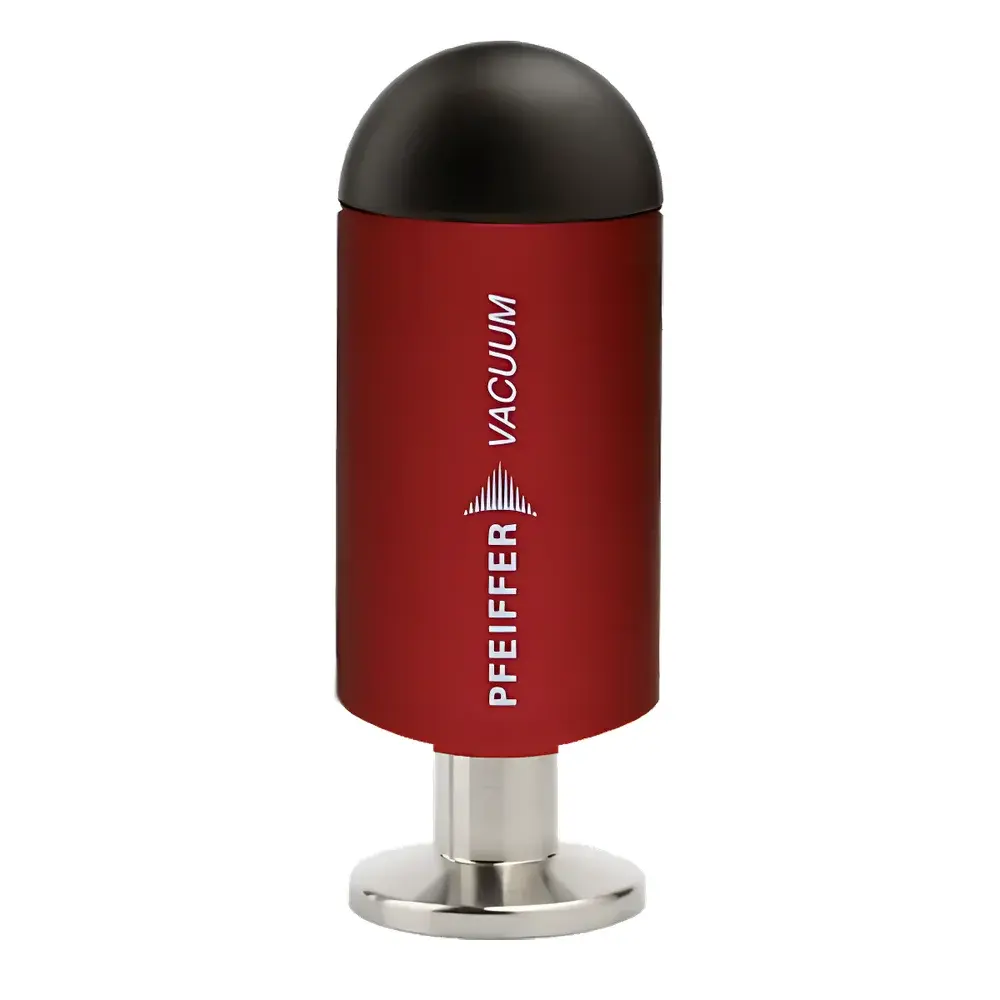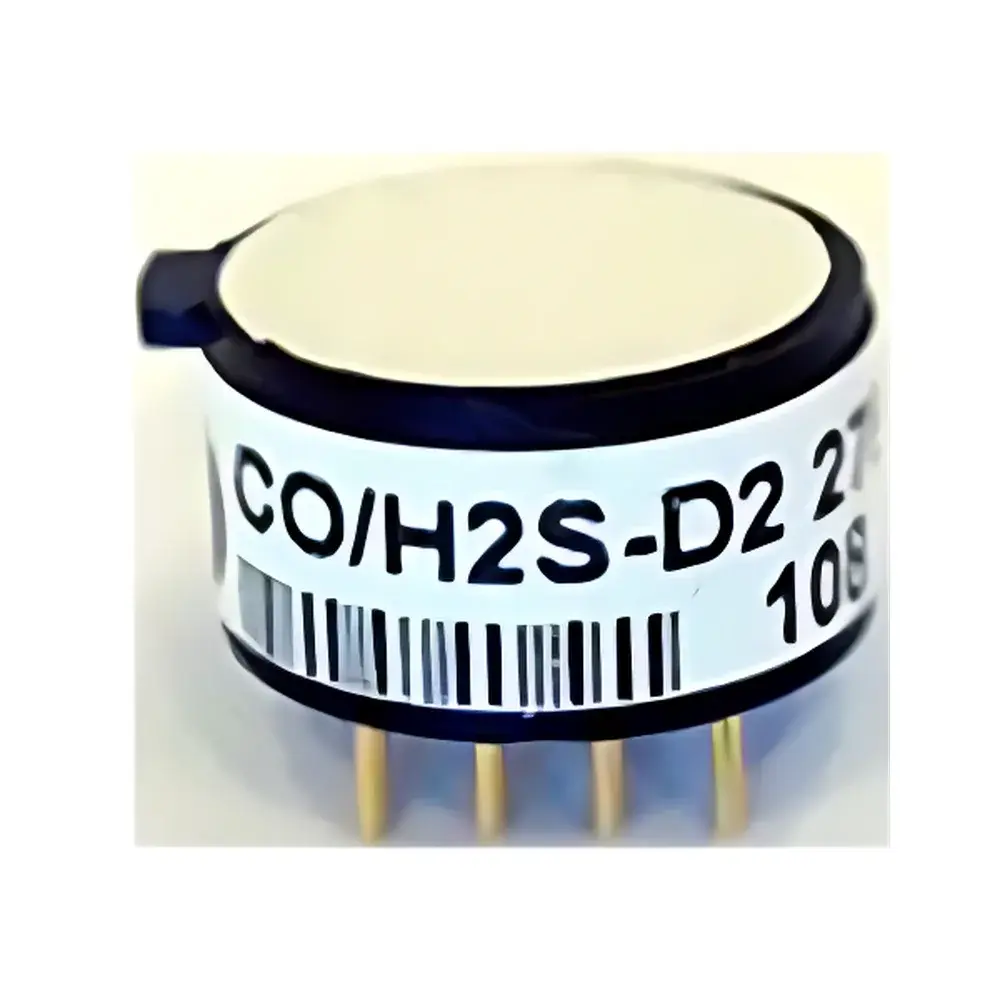
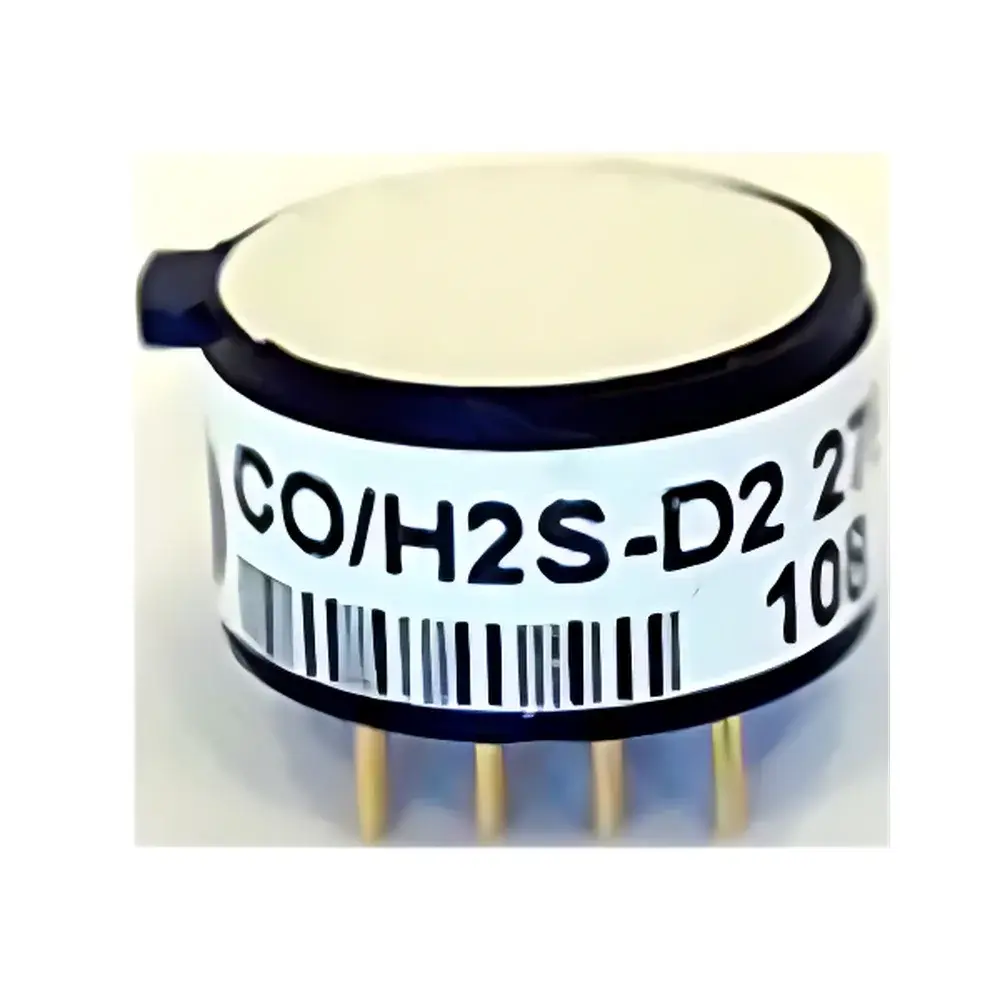
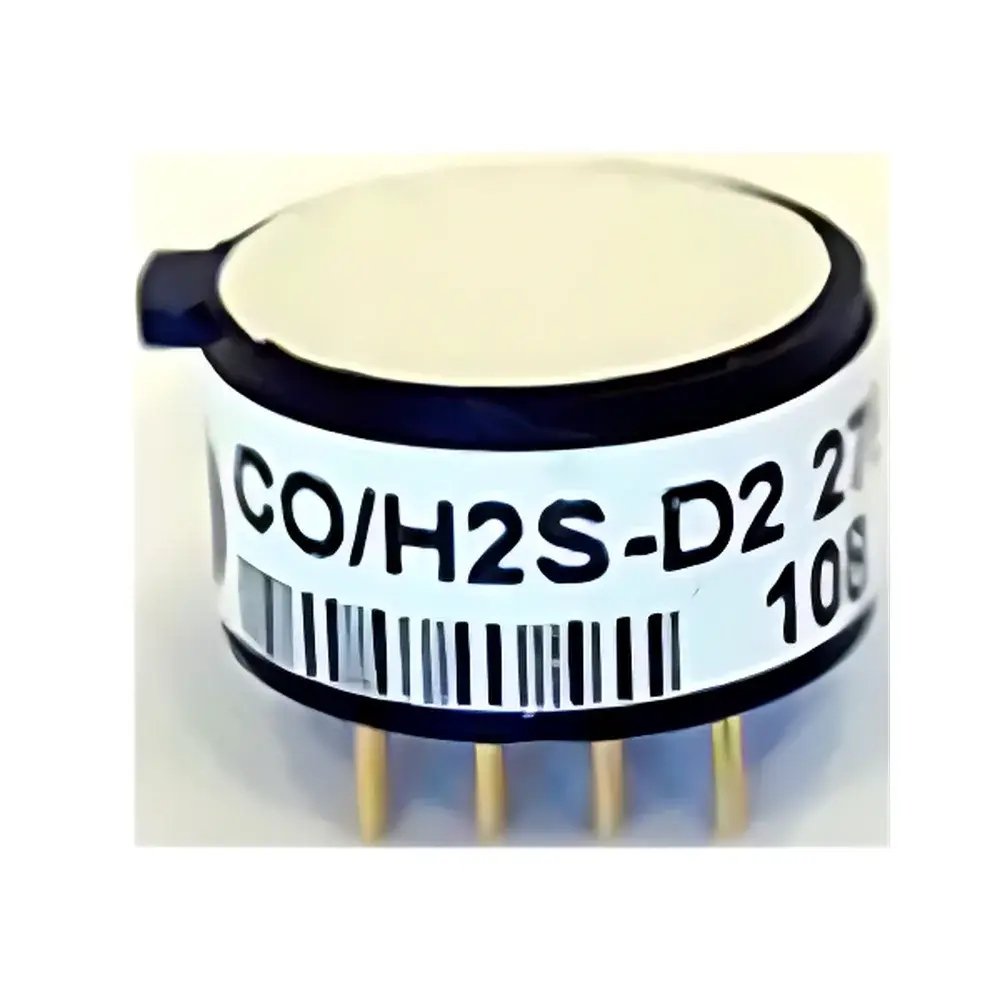
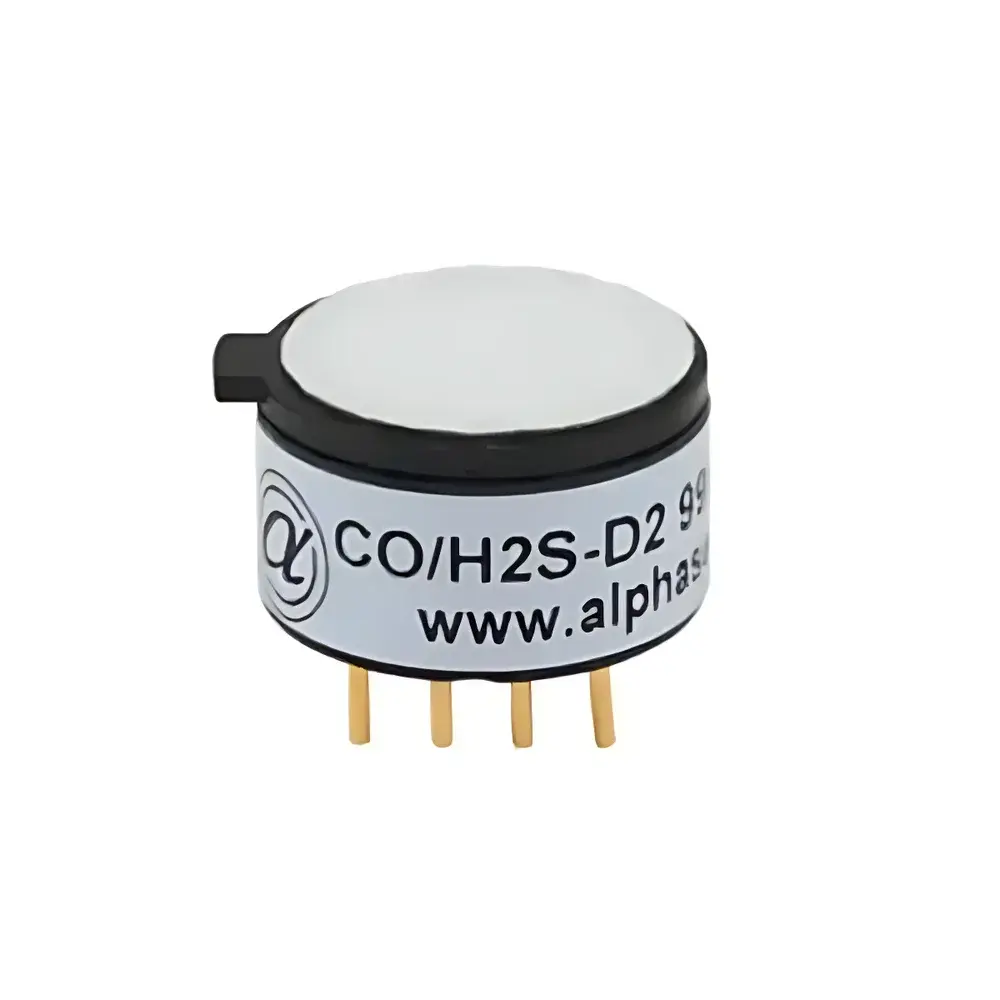
Alphasense D2 Dual-Gas Electrochemical Sensor for CO and H₂S
| Brand | Alphasense |
|---|---|
| Origin | United Kingdom |
| Model | D2 |
| Sensor Type | Electrochemical |
| Target Gases | Carbon Monoxide (CO), Hydrogen Sulfide (H₂S) |
| Operating Temperature | 0–50 °C |
| Storage Temperature | –20–60 °C |
| Humidity Range | 15–90 % RH (non-condensing) |
| CO Channel | Range 0–1000 ppm, Resolution 1 ppm, t₉₀ < 25 s, Sensitivity 27–55 nA/ppm @ 22 °C, 400 ppm CO, Zero Current ±6 nA, Linearity Error < 40 ppm over full scale, Overload Capacity 5000 ppm |
| H₂S Channel | Range 0–100 ppm, Resolution < 0.25 ppm, t₉₀ < 30 s, Sensitivity 90–175 nA/ppm @ 22 °C, 20 ppm H₂S, Zero Current ±1 nA, Linearity Error 0–9 ppm over full scale, Overload Capacity 400 ppm |
Overview
The Alphasense D2 is a compact, dual-channel electrochemical gas sensor engineered for simultaneous, selective detection of carbon monoxide (CO) and hydrogen sulfide (H₂S) in portable and fixed-gas monitoring systems. Based on proven three-electrode electrochemical transduction principles, the D2 employs independent working electrodes optimized for each target gas—ensuring high specificity, low cross-sensitivity, and stable baseline performance under variable environmental conditions. Its core innovation lies in the integrated high-capacity chemical filter positioned upstream of the CO electrode, which effectively suppresses interference from H₂S, SO₂, NOₓ, and acidic gases—addressing a longstanding challenge in multi-gas electrochemical sensing. Designed for industrial hygiene, confined space entry, and process safety applications, the D2 meets the functional requirements of IEC 61000-4 (EMC immunity), EN 45544-1 (toxic gas detectors), and supports compliance with OSHA PEL and ACGIH TLV exposure limit monitoring protocols.
Key Features
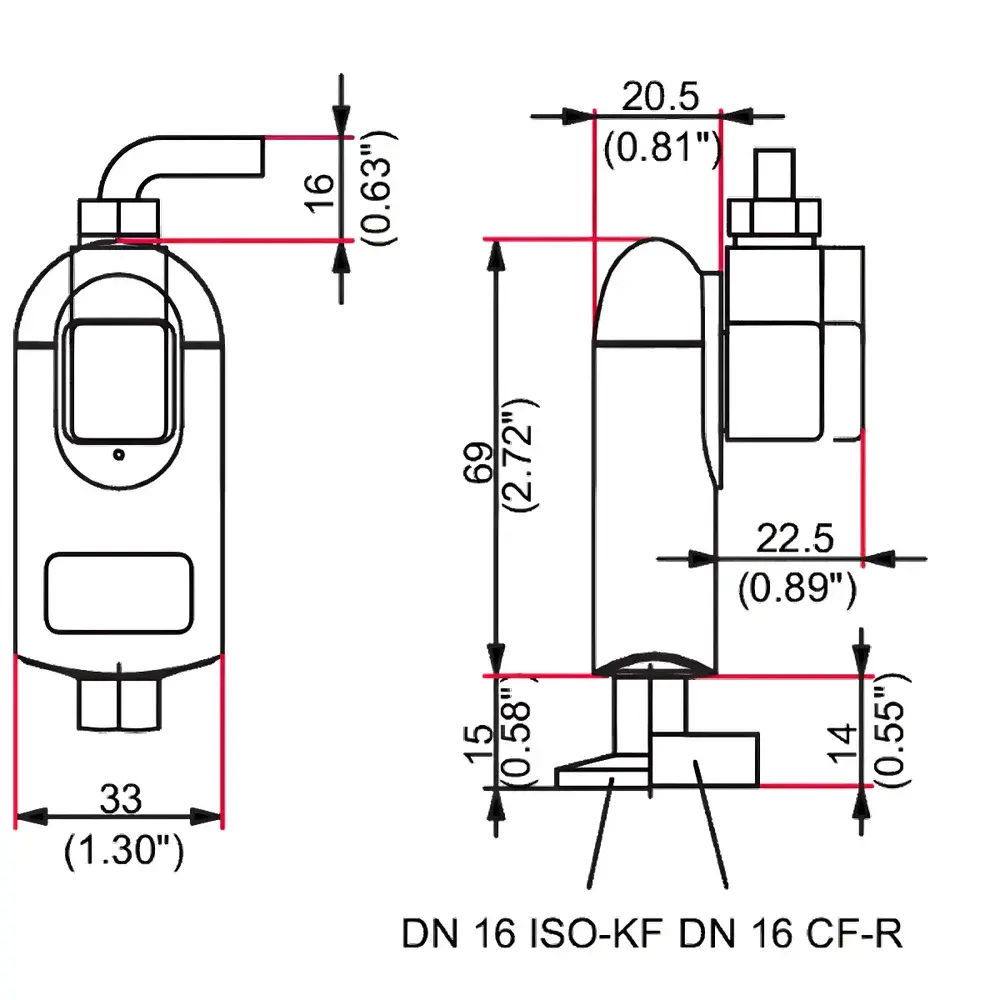
- True dual-gas architecture: Fully independent CO and H₂S sensing channels housed in a single 20 mm × 16.5 mm cylindrical package
- Proprietary CO electrode filtration: Eliminates >99.5% of H₂S-induced cross-response without compromising CO sensitivity or response kinetics
- Low-power operation: Typical operating current < 120 µA per channel, compatible with battery-powered instrumentation
- Robust thermal stability: Calibrated performance maintained across 0–50 °C ambient range; internal temperature compensation circuitry minimizes drift
- Long service life: Rated for ≥24 months in typical ambient air; extended lifetime achievable with controlled storage and periodic zero verification
- Plug-and-play compatibility: Standard 3-pin connector (working, counter, reference) and industry-standard pinout per Alphasense datasheet DS-D2-RevF
Sample Compatibility & Compliance
The D2 operates exclusively in gaseous phase environments and is not suitable for liquid-phase or particulate-laden sampling without external filtration. It requires free-diffusion or active sampling via calibrated flow (recommended: 100–500 mL/min). The sensor complies with key international standards governing toxic gas detection, including EN 45544-2 (performance requirements for personal and portable gas detectors), ISO 16000-23 (indoor air quality—determination of CO and H₂S), and supports traceable calibration per ISO/IEC 17025-accredited laboratories. While the D2 itself is not CE-marked as a standalone device, it is widely integrated into instruments certified to ATEX II 2G (gas) and IECEx standards when embedded in appropriately rated housings. All batch-specific calibration certificates and material declarations (RoHS, REACH) are supplied by Alphasense UK.
Software & Data Management
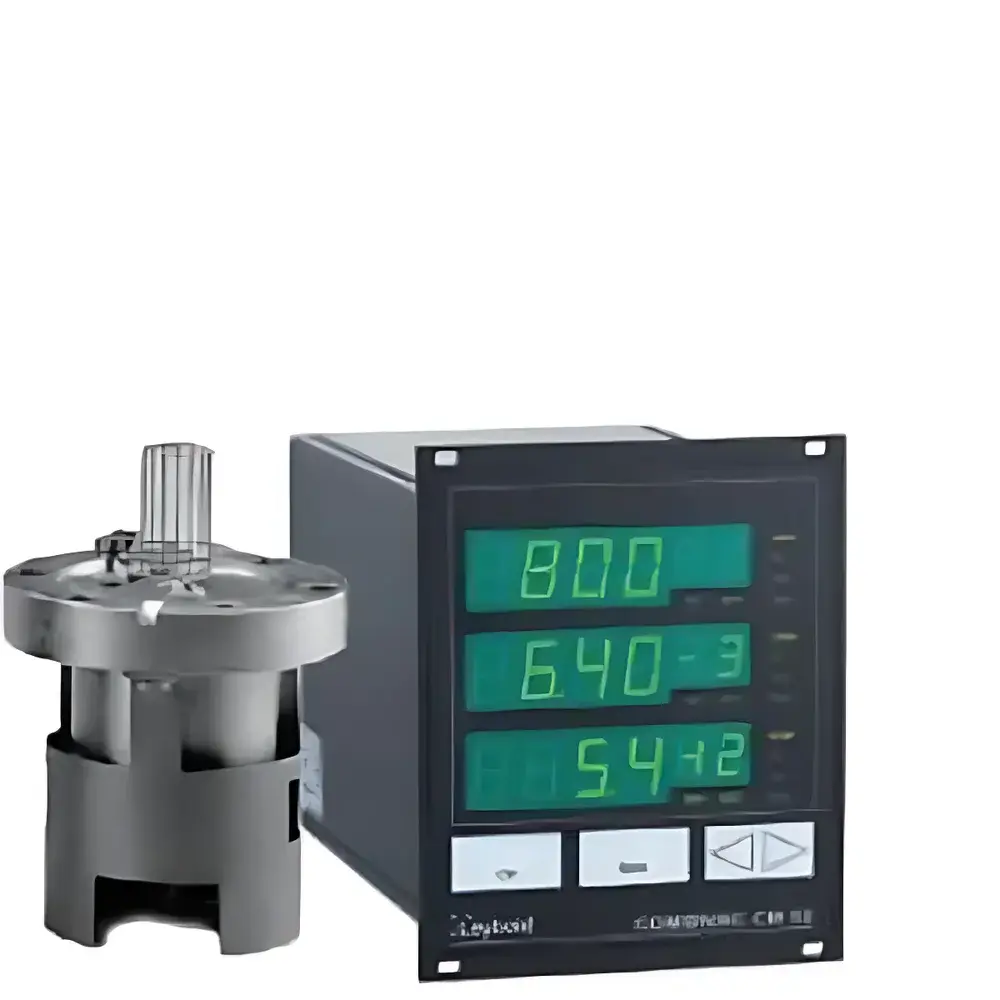
The D2 outputs analog current signals (nA) proportional to gas concentration, requiring external signal conditioning—including transimpedance amplification, temperature compensation, and ADC conversion—typically implemented in host instrument firmware. Alphasense provides open-source calibration algorithms and lookup tables (via the Alphasense Sensor Integration Toolkit) for linearization and temperature correction. When deployed in networked monitoring platforms, the D2 supports audit-ready data logging aligned with GLP and FDA 21 CFR Part 11 requirements—provided the host system implements secure user authentication, electronic signatures, and immutable event logs. Firmware updates and calibration history are retained independently per sensor instance using unique serial identifiers embedded in the housing.
Applications
- Portable multi-gas monitors for oil & gas, wastewater treatment, and mining operations
- Fixed-point area monitors in chemical manufacturing plants and utility substations
- Confined space entry safety systems requiring real-time CO/H₂S co-monitoring
- Indoor air quality (IAQ) assessment tools compliant with ASHRAE Standard 62.1
- OEM integration into HVAC controllers, smart building management systems, and emergency ventilation triggers
- Research-grade exposure studies where orthogonal validation against FTIR or GC-MS is required
FAQ
What is the recommended calibration frequency for the D2 sensor?
Calibration should be performed before each day’s use in critical safety applications (bump test), with full span calibration every 30–90 days depending on exposure history and regulatory requirements (e.g., OSHA 1910.120).
Can the D2 be exposed to high humidity or condensation?
Operation is specified for 15–90% RH non-condensing. Prolonged exposure to condensation will damage the electrolyte membrane and invalidate calibration.
Does the D2 require a zero-air source for field calibration?
Yes—electrochemical sensors require certified zero gas (N₂ or synthetic air) for accurate baseline adjustment; ambient air is unsuitable due to background CO and H₂S variability.
Is the D2 compatible with wireless telemetry modules?
Yes—when interfaced with analog-to-digital converters supporting 4–20 mA or 0–5 V output scaling, the D2 integrates seamlessly with LoRaWAN, NB-IoT, and Sigfox-enabled gateways.
How does the D2 handle transient gas pulses above its overload specification?
Brief exposures up to 5000 ppm CO or 400 ppm H₂S cause no permanent damage, but may induce temporary baseline shift requiring post-pulse zero verification.