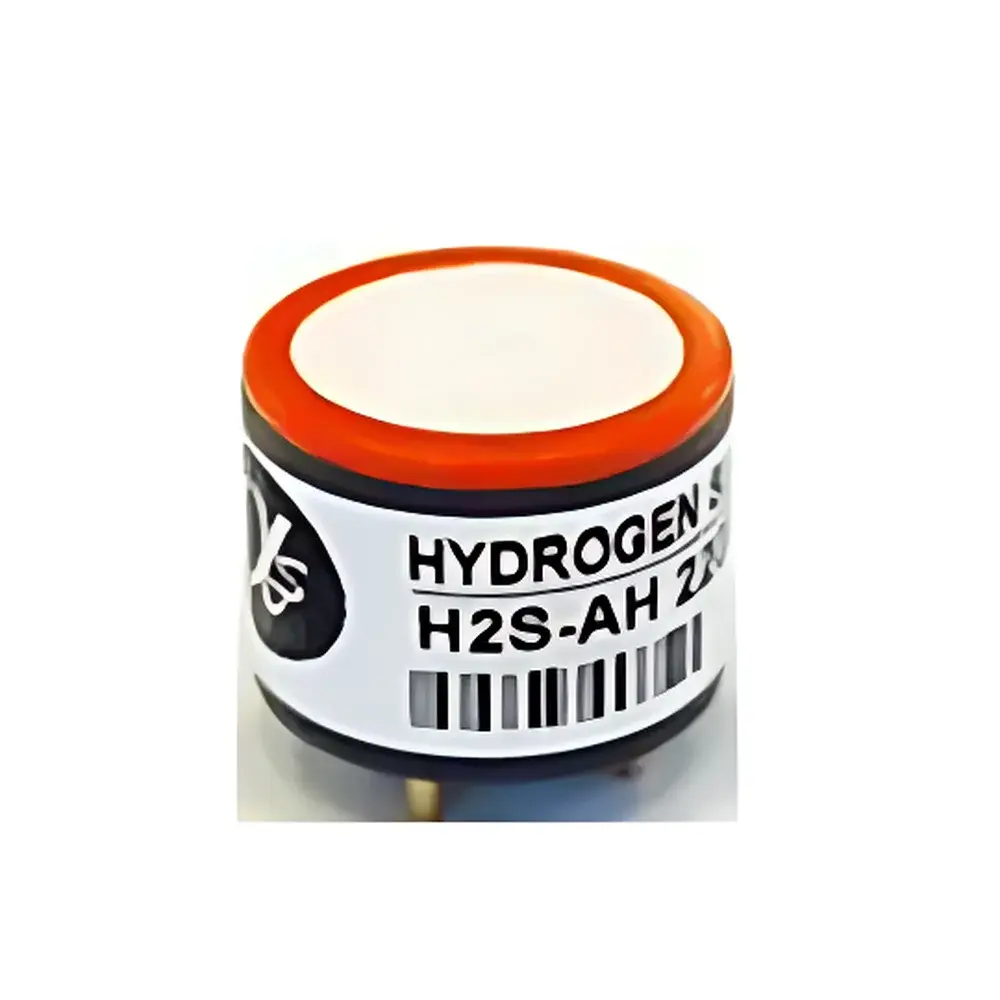
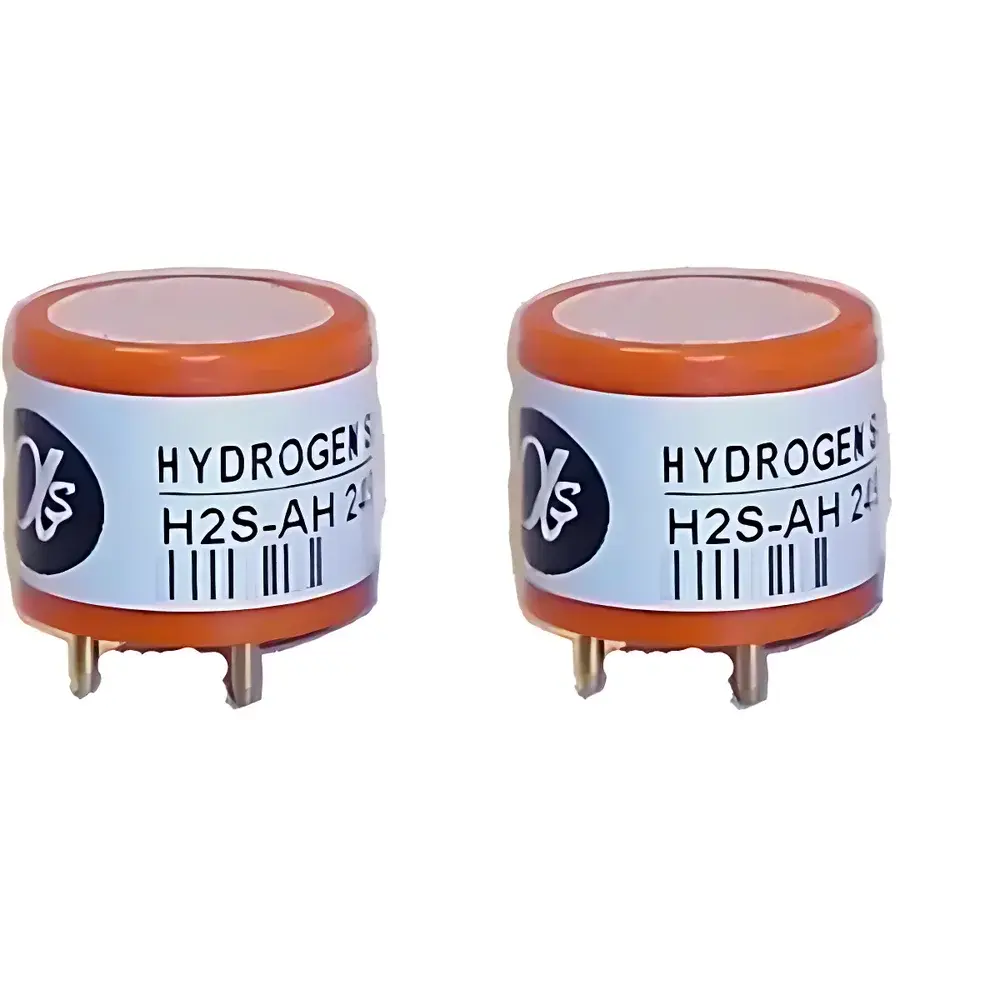
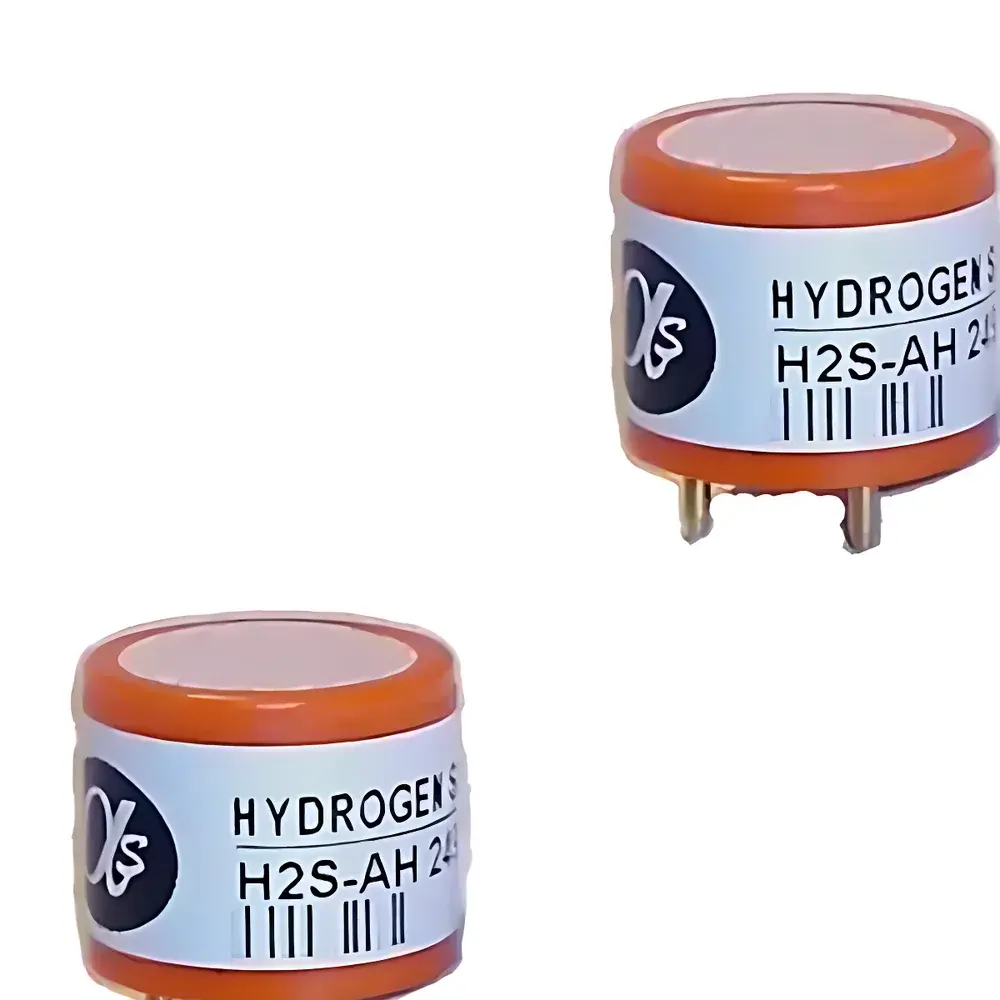
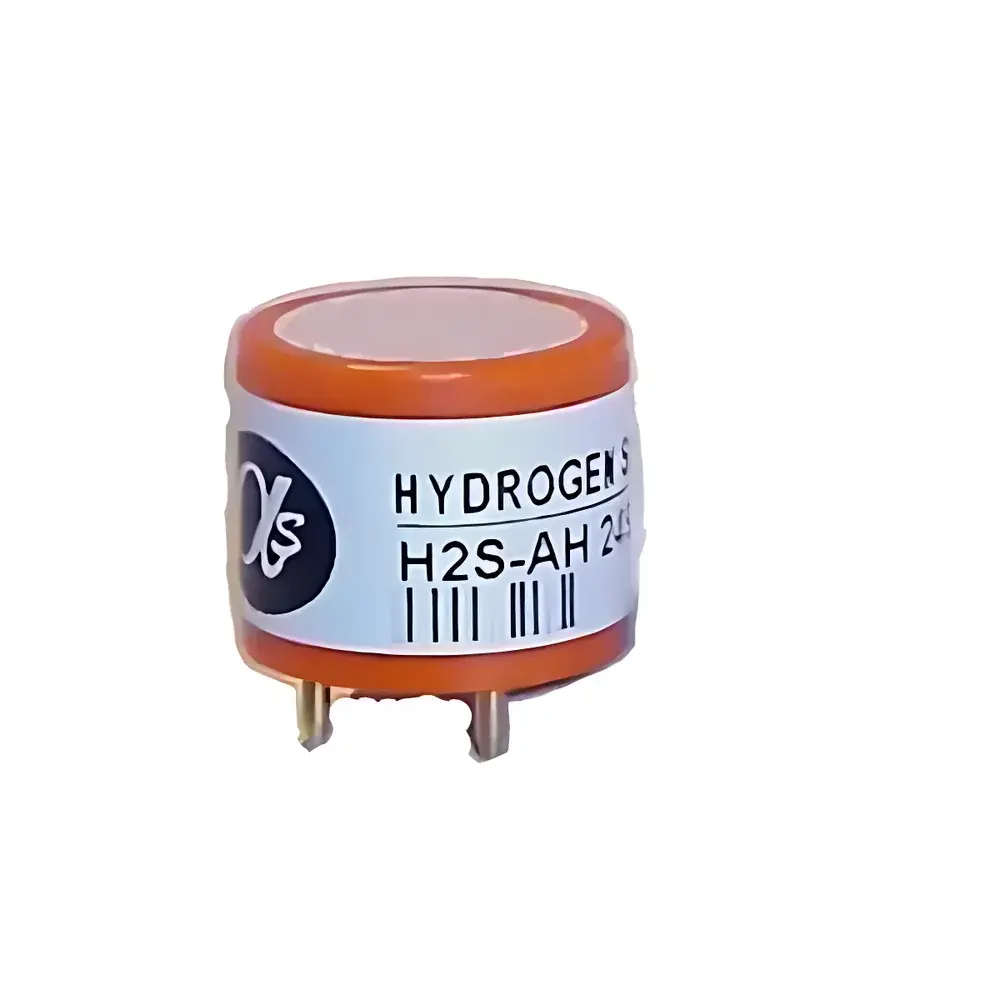
Alphasense H2S-AH High-Current Electrochemical Hydrogen Sulfide Sensor
| Brand | Alphasense (UK) |
|---|---|
| Origin | United Kingdom |
| Model | H2S-AH (High-Current) |
| Measurement Range | 0–50 ppm |
| Sensitivity | 900–1500 nA/ppm |
| Response Time (t₉₀) | <30 s |
| Linear Range | 0–20 ppm |
| Full-Scale Linearity Error | 0 to –2.5 ppm |
| Overload Capacity | 250 ppm |
| Resolution | <0.03 ppm |
| Dimensions | Ø20.2 × 16.5 mm |
| Operating Temperature | –30 to +50 °C |
| Operating Humidity | 15–90 %RH (non-condensing) |
| Load Resistance | 10–47 Ω |
| Expected Service Life | 24 months |
| Storage Shelf Life | 6 months |
Overview
The Alphasense H2S-AH is a high-current, two-electrode electrochemical gas sensor engineered for reliable, low-power detection of hydrogen sulfide (H₂S) in portable and fixed-gas monitoring systems. Based on amperometric detection principles, the sensor operates via diffusion-controlled oxidation of H₂S at the working electrode, generating a current proportional to gas concentration. Its elevated output current (up to 1500 nA/ppm) enhances signal-to-noise ratio and improves compatibility with low-gain analog front-end circuits—particularly valuable in battery-powered instruments where signal conditioning headroom is constrained. Designed for long-term stability in demanding field environments, the H2S-AH integrates a proprietary electrolyte formulation and optimized electrode architecture to maintain consistent sensitivity and baseline stability across its full 24-month operational lifetime.
Key Features
- High-current output (900–1500 nA/ppm) enables robust analog interfacing without external amplification in many embedded designs
- Extended service life of up to 24 months under typical operating conditions (23 °C, 50 %RH, continuous exposure ≤10 ppm H₂S)
- Fast response kinetics: t₉₀ < 30 seconds ensures timely detection in rapidly changing ambient conditions
- Tight resolution of <0.03 ppm supports compliance with occupational exposure limit (OEL) monitoring requirements, including OSHA PEL (10 ppm TWA) and ACGIH TLV (1 ppm TWA)
- Wide operating temperature range (–30 to +50 °C) and humidity tolerance (15–90 %RH, non-condensing) facilitate deployment in industrial, wastewater, and oil & gas applications
- Compact cylindrical form factor (Ø20.2 × 16.5 mm) simplifies integration into space-constrained handheld analyzers and multi-gas detector modules
Sample Compatibility & Compliance
The H2S-AH is optimized for ambient air sampling and exhibits minimal cross-sensitivity to common interferents such as CO, NO₂, SO₂, and Cl₂ when operated within specified load resistance (10–47 Ω) and temperature boundaries. It complies with EN 45544-1:2018 (electrochemical sensors for toxic gases) and meets performance criteria outlined in IEC 60079-29-1 for use in potentially explosive atmospheres when integrated into certified instrument assemblies. While the sensor itself is not intrinsically safe, it is routinely deployed in Class I, Division 1/Zone 1-certified gas detectors when paired with appropriate barrier circuits and housing. Calibration traceability follows NIST-traceable standards; users are advised to perform zero and span calibration every 3–6 months depending on exposure history and regulatory audit requirements.
Software & Data Management
As a transducer-level component, the H2S-AH does not incorporate onboard firmware or digital interfaces. Its analog current output requires external signal conditioning—including low-noise transimpedance amplification, temperature compensation (via integrated thermistor), and analog-to-digital conversion—within the host instrument’s electronics. For systems implementing data logging or remote telemetry, the sensor’s linear output over 0–20 ppm supports direct mapping to concentration values using factory-provided calibration coefficients. When integrated into instruments subject to GLP, GMP, or FDA 21 CFR Part 11 compliance, the host system must provide audit-trail functionality for calibration events, sensor replacement records, and raw signal validation logs. Alphasense supplies full technical documentation, including aging curves, temperature compensation tables, and accelerated life-test reports, to support IQ/OQ/PQ validation protocols.
Applications
- Personal and area H₂S monitors for upstream oil & gas operations, refineries, and sour gas handling facilities
- Fixed-point leak detection systems in biogas plants, sewage treatment works, and pulp & paper mills
- OEM integration into multi-gas portable detectors (e.g., 4–5 gas units combining H₂S, CO, O₂, LEL, and SO₂)
- Environmental monitoring stations measuring ambient H₂S near landfills, composting facilities, and agricultural operations
- Industrial hygiene surveys supporting OSHA 1910.120 and EU Directive 2017/2398 compliance
FAQ
What is the recommended load resistance for optimal linearity?
A load resistance between 10 Ω and 47 Ω is specified to ensure stable polarization and minimize deviation from nominal sensitivity across the 0–20 ppm linear range.
Does the H2S-AH require a dedicated bias voltage or external power supply?
No—it is a passive, self-powered electrochemical cell requiring only a defined load resistor; no external bias voltage is needed.
Can the sensor be stored beyond its 6-month shelf life?
Storage beyond six months may result in reduced initial sensitivity and extended stabilization time; Alphasense recommends use within the stated shelf life and pre-use functional verification.
Is temperature compensation mandatory?
Yes—sensitivity varies by approximately –0.3 %/°C; accurate concentration reporting requires real-time temperature measurement and application of the published compensation algorithm.
How often should calibration be performed in continuous monitoring applications?
Initial calibration upon installation, followed by bump testing weekly and full zero/span calibration at minimum intervals of three months—or more frequently if exposed to high concentrations (>20 ppm) or extreme environmental cycling.