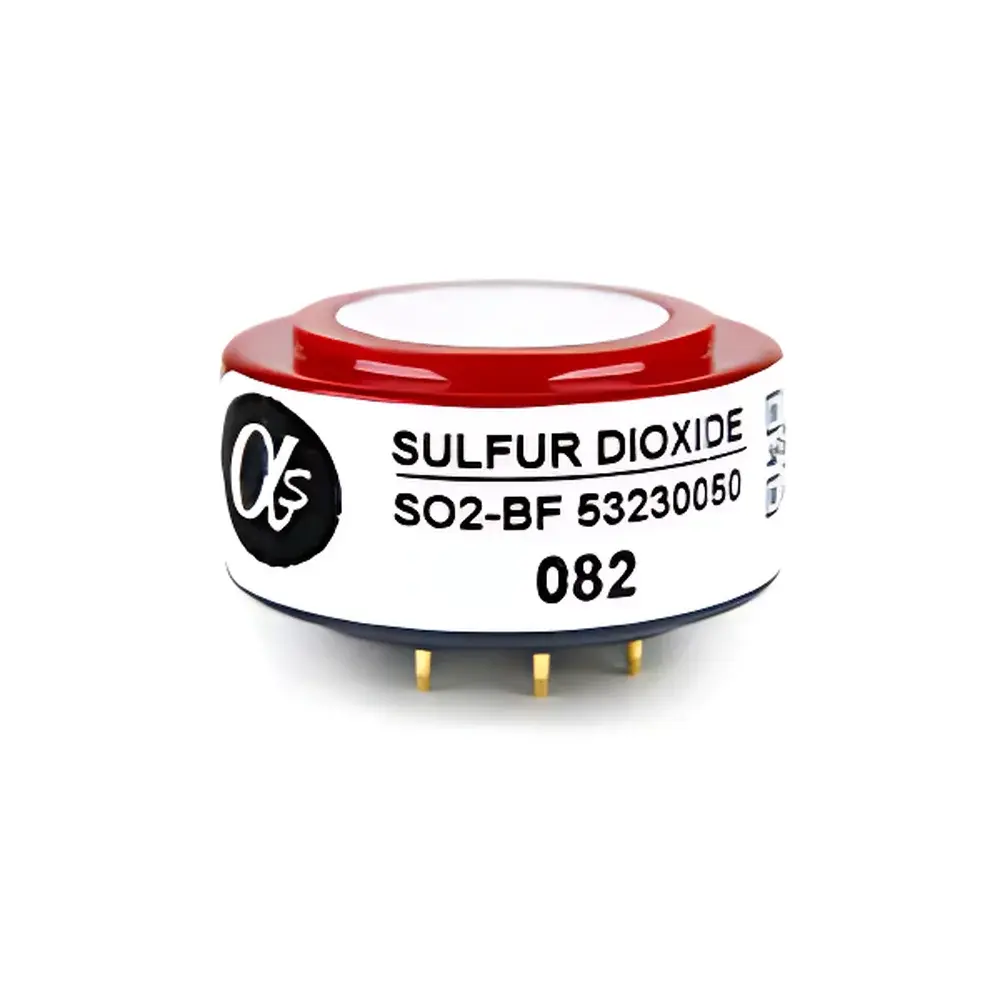
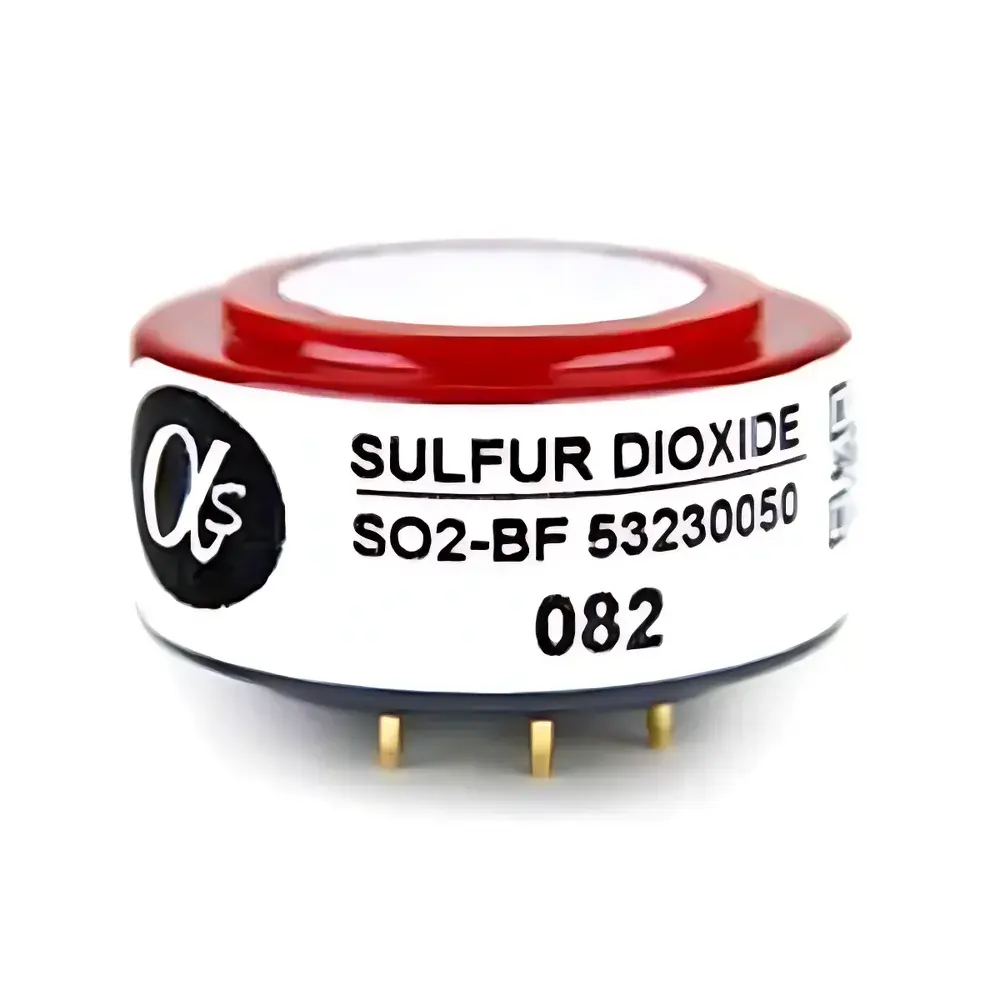
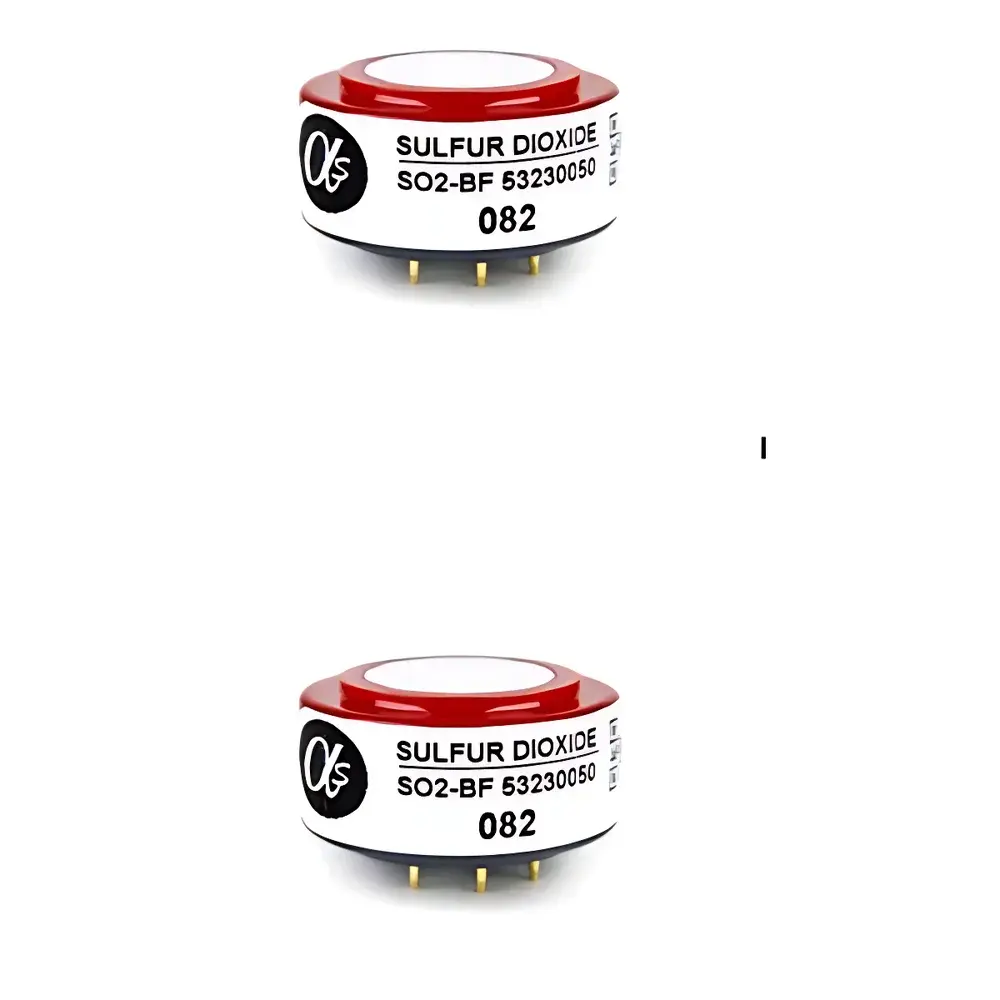
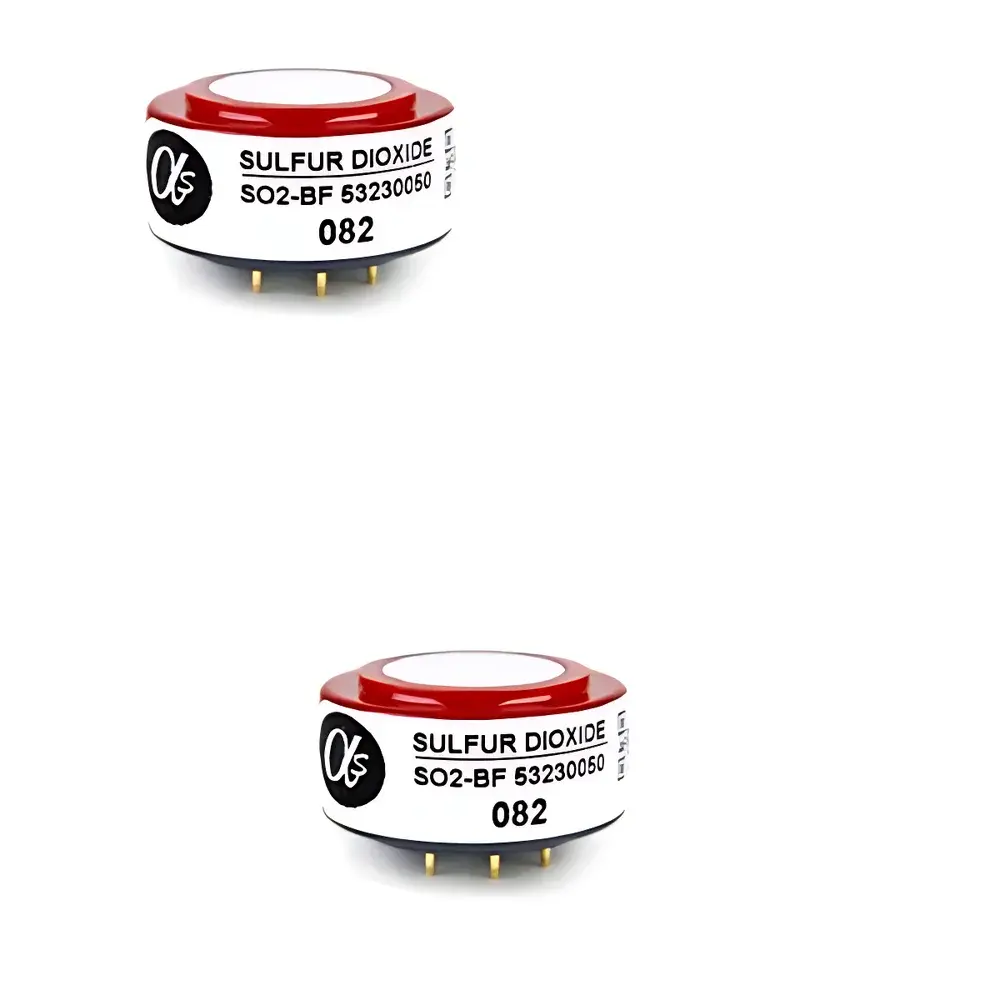
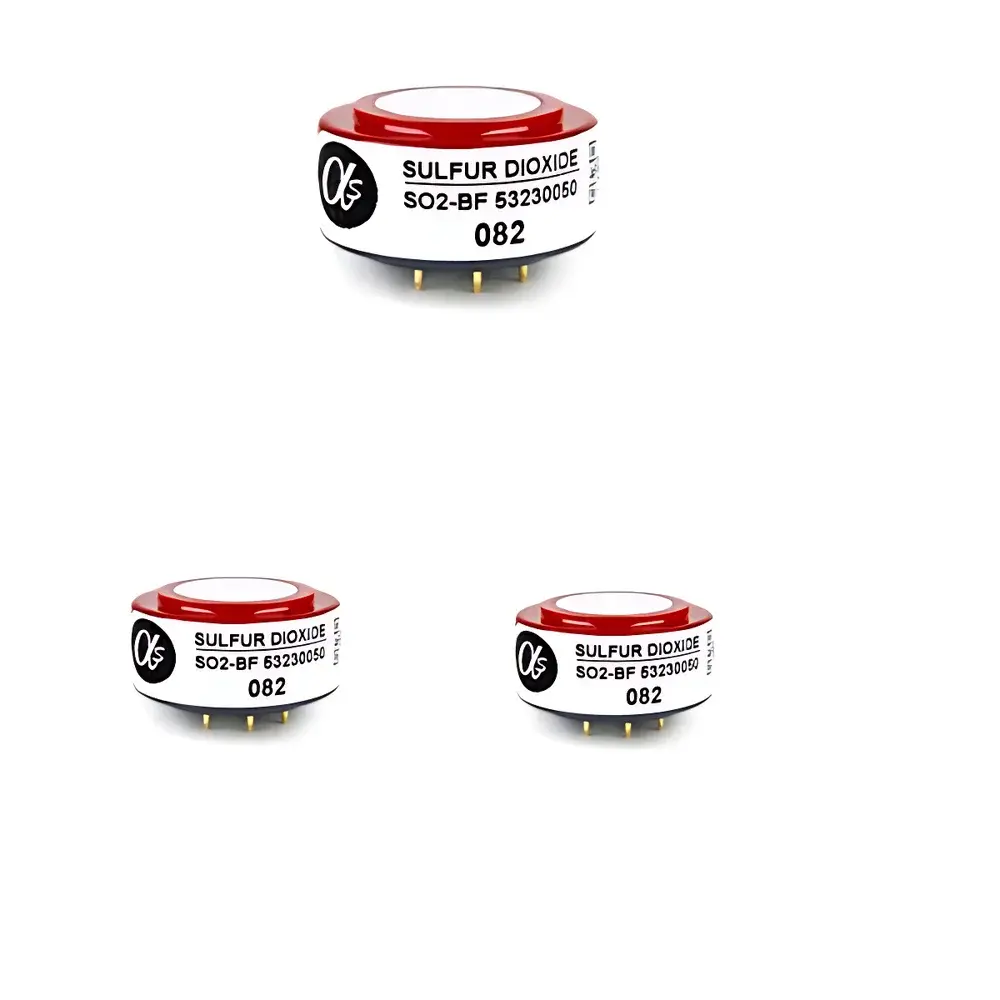
Alphasense SO2-BF Fixed-Mount Electrochemical Sulfur Dioxide Sensor
| Brand | Alphasense (UK) |
|---|---|
| Origin | United Kingdom |
| Model | SO2-BF (Fixed-Mount) |
| Overload | 500 ppm |
| Response Time (t90) | <30 s |
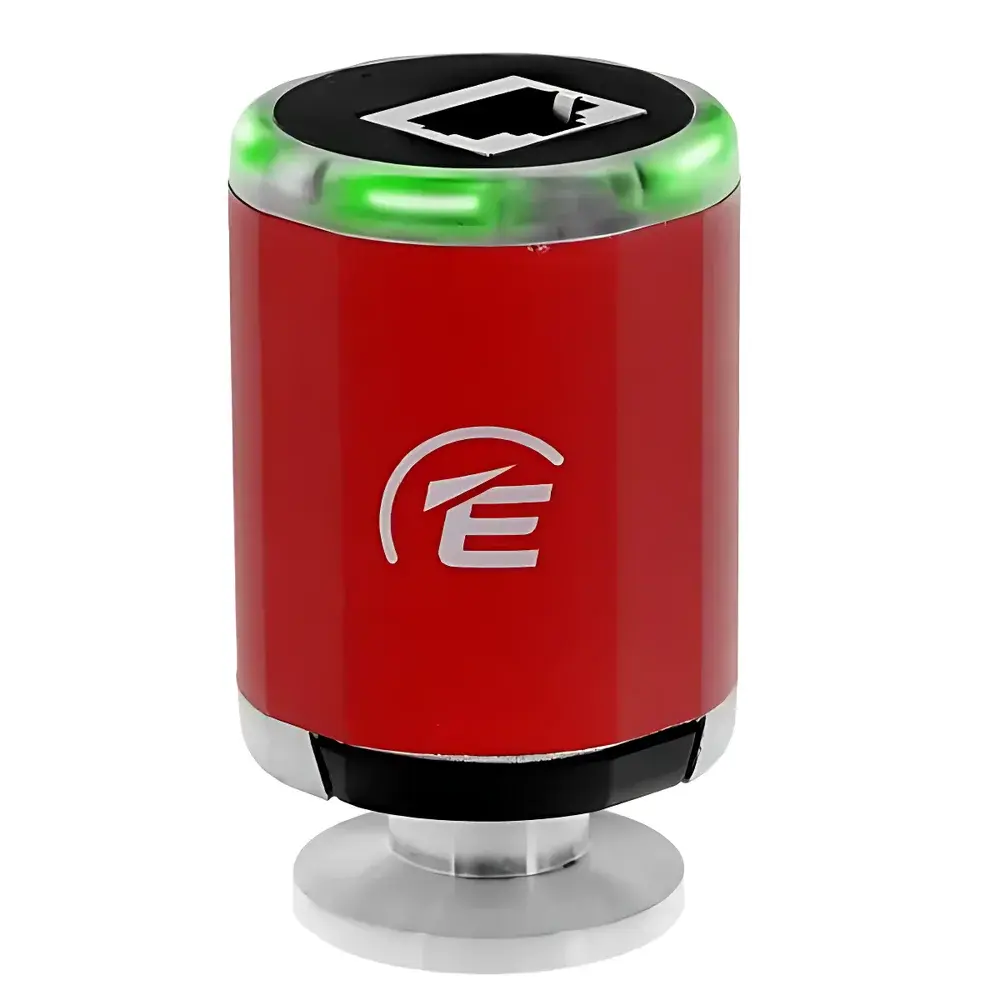
| Dimensions | Ø32.3 × 16.5 mm |
| Measurement Range | 0–100 ppm SO₂ |
| Sensitivity | 300–440 nA/ppm |
Overview
The Alphasense SO2-BF is a fixed-mount, three-electrode electrochemical sensor engineered for continuous, low-power detection of sulfur dioxide (SO₂) in ambient air and industrial process environments. Based on amperometric transduction, the sensor operates via diffusion-controlled oxidation of SO₂ at the working electrode, generating a linear current output proportional to gas concentration. Its robust cell architecture—featuring a hydrophobic PTFE membrane, acid electrolyte gel, and precision-printed electrodes—ensures stable baseline performance, minimal zero drift, and high selectivity against common interferents including NO₂, CO, and H₂S (with cross-sensitivity <5% under typical calibration conditions). Designed for integration into wall-mounted or duct-mounted gas detection systems, the SO2-BF complies with IEC 60079-29-1 for use in hazardous area applications when deployed within certified enclosures. It is not intended for standalone operation but functions as a core sensing element within OEM-designed analyzers meeting EN 50194, EN 45544-1, and ISO 16000-28 requirements for indoor air quality monitoring.
Key Features
- Fixed-mount configuration optimized for permanent installation in gas analyzers, environmental monitors, and industrial safety systems
- Three-electrode electrochemical design with integrated reference and counter electrodes for enhanced long-term stability and reduced polarization effects
- Fast t90 response time of less than 30 seconds enables real-time tracking of transient SO₂ excursions in flue gas, stack emissions, and urban air networks
- Linear output sensitivity range of 300–440 nA per ppm SO₂, supporting precise analog signal conditioning and digital conversion at 12–16 bit resolution
- Compact cylindrical form factor (Ø32.3 × 16.5 mm) facilitates modular integration into multi-gas platforms without compromising airflow dynamics
- Operates at ambient temperature (–20 °C to +50 °C) and relative humidity 15–90% non-condensing, with built-in temperature compensation circuitry compatible with standard ADC-based readout electronics
- Rated operational lifetime of ≥24 months under continuous exposure to ≤20 ppm SO₂; shelf life of 12 months when stored at 20 °C in sealed packaging
Sample Compatibility & Compliance
The SO2-BF is validated for gaseous sampling only and is incompatible with aerosol-laden, high-particulate, or corrosive condensate environments without upstream filtration (e.g., sintered stainless steel particulate filter + Nafion™ dryer). It meets RoHS Directive 2011/65/EU and REACH Annex XVII substance restrictions. For regulatory compliance in occupational health monitoring, the sensor supports system-level validation per OSHA 29 CFR 1910.1200 (HCS) and EU Directive 2004/37/EC (CARC) when embedded in analyzers certified to EN 45544-2 for workplace exposure limit (WEL) measurement. While the sensor itself does not carry CE marking, it is supplied with full Declaration of Conformity documentation enabling OEMs to fulfill essential requirements under the ATEX Directive 2014/34/EU and UKCA framework when integrated into appropriately rated housings.
Software & Data Management
As an analog-output sensor, the SO2-BF interfaces directly with OEM data acquisition modules using standard 0–100 mV or 4–20 mA current loop outputs (with external load resistor). Alphasense provides comprehensive technical documentation—including calibration certificates traceable to NPL (UK), temperature compensation coefficients, and aging correction algorithms—for integration into SCADA, BMS, and cloud-connected IoT platforms. Firmware-level support for automatic baseline drift correction and periodic zero/span verification is available through Alphasense’s SensorLink™ configuration utility, which also logs sensor health metrics (e.g., electrolyte depletion index, electrode impedance) for predictive maintenance scheduling. All raw signal processing must adhere to GLP-compliant audit trails when used in environmental reporting contexts governed by EPA Method TO-11A or ISO 7935.
Applications
- Continuous emission monitoring systems (CEMS) for coal-fired power plants and waste incineration facilities
- Urban air quality networks measuring ambient SO₂ concentrations in accordance with EU Directive 2008/50/EC limit values
- Industrial hygiene instrumentation for workplace SO₂ exposure assessment per ACGIH TLV® and NIOSH REL guidelines
- Portable and fixed multi-gas detectors used in pulp & paper mills, sulfuric acid production units, and petroleum refining operations
- Research-grade atmospheric chemistry stations requiring high-fidelity SO₂ time-series data at sub-ppb detection thresholds (when paired with active sampling and signal averaging)
- Smart building ventilation control systems integrating real-time SO₂ feedback to modulate outdoor air intake rates
FAQ
What is the recommended operating temperature range for the SO2-BF sensor?
The sensor is specified for continuous operation between –20 °C and +50 °C. Performance outside this range may result in increased zero drift and reduced sensitivity.
Does the SO2-BF require external power or bias voltage?
No external bias is required; the sensor operates passively via its internal electrochemical potential. However, the readout circuit must supply stable excitation for the current-to-voltage conversion stage.
Can the SO2-BF be calibrated in the field using span gas?
Yes—field calibration with certified SO₂ span gas (e.g., 20 ppm in N₂) is supported, though users must follow Alphasense’s documented procedure to avoid membrane saturation and ensure repeatability.
Is the SO2-BF compatible with wireless telemetry modules?
It is fully compatible when interfaced through a low-noise analog front-end and an ADC-equipped wireless node (e.g., LoRaWAN or NB-IoT gateway) that supports configurable sampling intervals and signal averaging.
How often should the sensor be replaced in continuous monitoring applications?
Under typical ambient conditions (≤10 ppm average exposure), replacement is recommended every 24 months; in high-concentration environments (>50 ppm intermittent), service life may be reduced to 12–18 months depending on cumulative exposure dose.