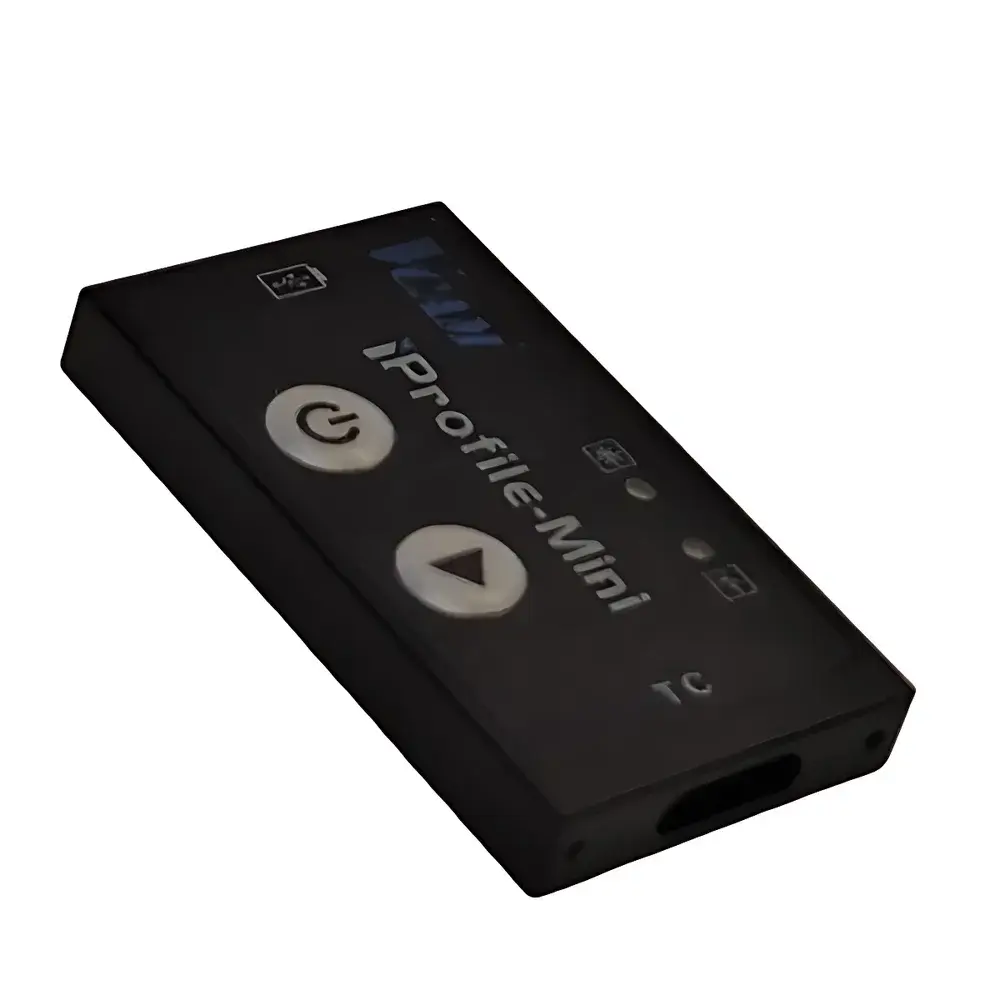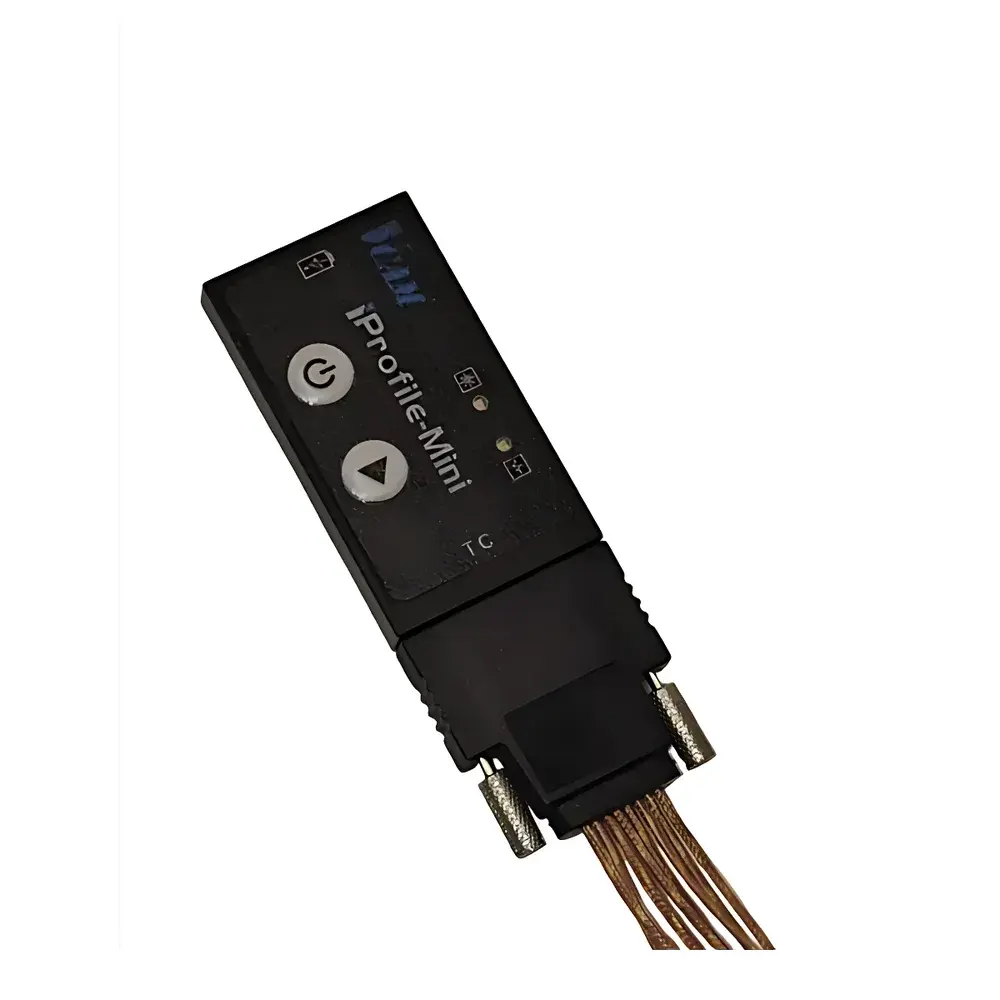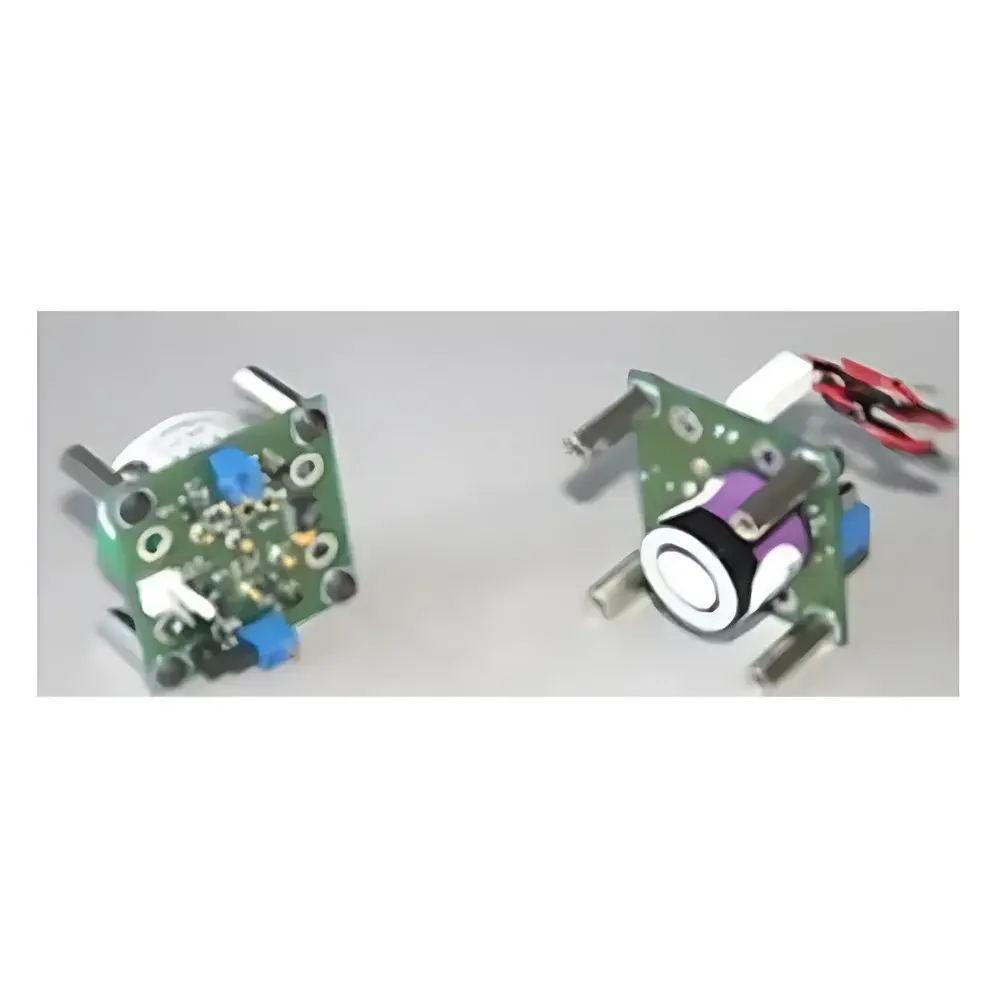
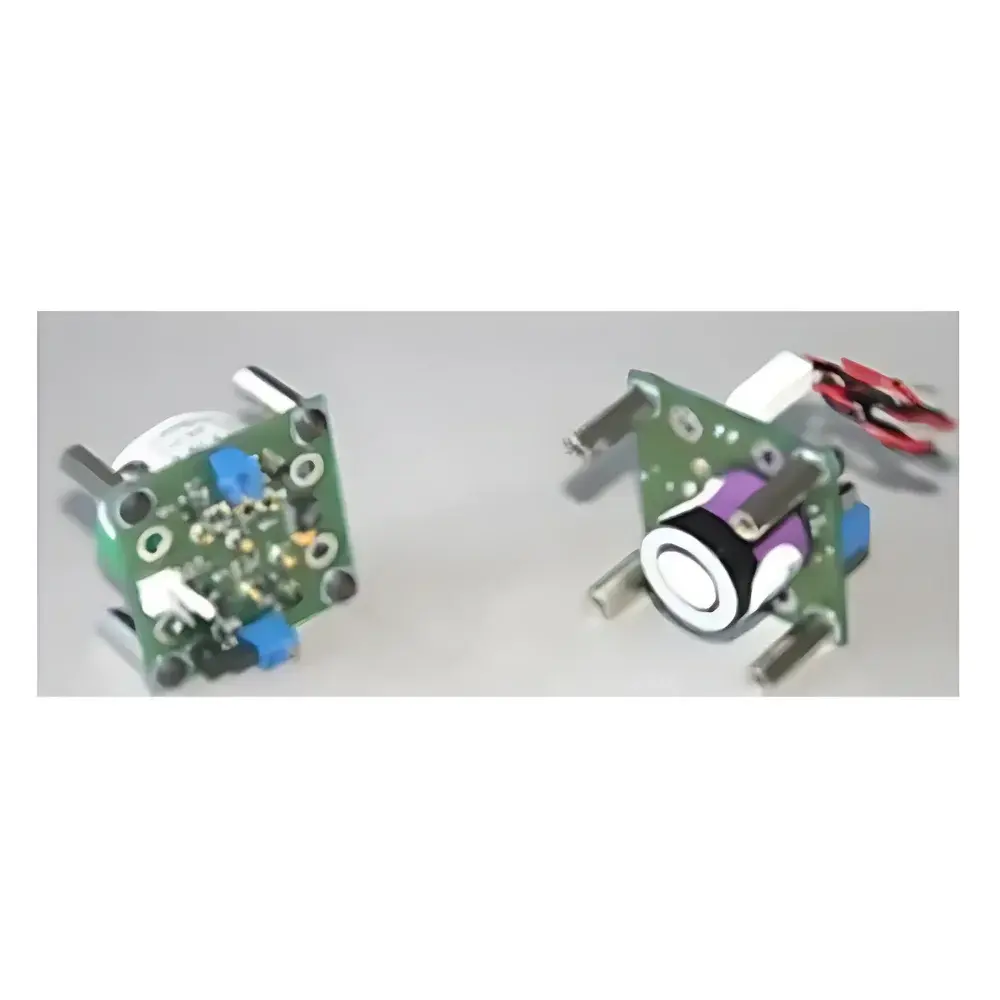
Alphasense THO2 Electrochemical Oxygen Transmitter Module
| Brand | Alphasense |
|---|---|
| Origin | United Kingdom |
| Model | THO2 4–20 mA Analog Transmitter Module |
| Sensor Compatibility | Alphasense A-Series O₂ Electrochemical Sensors |
| Supply Voltage | 7.5–35 VDC |
| Output Signal | 4–20 mA (2-wire loop-powered) |
| Compliance | CE-marked, RoHS-compliant |
| Enclosure Rating | IP65 (housing dependent on OEM integration) |
| Operating Temperature | −20 °C to +50 °C |
| Storage Temperature | −40 °C to +70 °C |
| Long-Term Stability | <2% FS/year (typical, with calibrated sensor) |
Overview
The Alphasense THO2 is a compact, loop-powered analog transmitter module engineered for seamless integration into fixed-gas monitoring systems requiring reliable oxygen (O₂) measurement in ambient or industrial environments. Based on electrochemical sensing principles, the THO2 interfaces directly with Alphasense A-series oxygen sensors—three-electrode, diffusion-limited amperometric cells optimized for atmospheric O₂ detection (0–25% vol). The module converts the sensor’s microampere-level current output into a standardized 4–20 mA analog signal, enabling compatibility with PLCs, DCS systems, and industrial data loggers without additional signal conditioning. Its design emphasizes robustness, low power consumption, and stable operation across fluctuating supply voltages (7.5–35 VDC), making it suitable for both mains-powered and battery-backed installations in continuous monitoring applications.
Key Features
- Direct interface with Alphasense A-series O₂ electrochemical sensors—no external amplification or calibration circuitry required
- True 2-wire, loop-powered architecture minimizes wiring complexity and supports long-distance signal transmission (up to 1 km with appropriate cable gauge)
- Wide input voltage range (7.5–35 VDC) ensures operational flexibility in diverse power infrastructure scenarios
- Integrated temperature compensation circuitry referenced to onboard thermistor, improving measurement consistency across −20 °C to +50 °C
- Factory-trimmed zero and span outputs reduce commissioning time; optional field-adjustable potentiometers support fine-tuning during system calibration
- CE-marked and RoHS-compliant construction meets baseline regulatory requirements for industrial instrumentation in EEA markets
- Compact PCB footprint (standard 50 mm × 30 mm layout) facilitates OEM integration into custom enclosures or multi-sensor analyzers
Sample Compatibility & Compliance
The THO2 module is validated exclusively for use with Alphasense A-series electrochemical oxygen sensors (e.g., AOX1, AOX2), which feature Teflon™-membrane diffusion barriers, gold working electrodes, and aqueous electrolyte formulations optimized for long-term stability and low cross-sensitivity to CO₂, CO, H₂S, and NO₂. It does not support solid-state, zirconia, or optical O₂ sensing technologies. While the module itself carries CE and RoHS declarations, full system compliance with functional safety standards (e.g., IEC 61508 SIL-2, EN 50104 for oxygen deficiency warning) requires validation at the complete analyzer level—including enclosure IP rating, electrical isolation, and fault diagnostics. For regulated environments (e.g., pharmaceutical cleanrooms or offshore platforms), users must implement traceable calibration procedures aligned with ISO/IEC 17025-accredited laboratories and maintain audit-ready records per GLP or GMP frameworks.
Software & Data Management
As a hardware-only analog transmitter, the THO2 does not incorporate embedded firmware, Bluetooth, or digital communication protocols (e.g., Modbus, HART). Its 4–20 mA output is inherently compatible with legacy and modern control systems alike. When integrated into larger monitoring platforms—such as those employing Siemens Desigo CC, Honeywell Experion PKS, or custom SCADA solutions—the signal is treated as a standard process variable. For data integrity and regulatory traceability, end-users are advised to configure upstream controllers or gateways with timestamped logging, linearization (if non-linear sensor response is observed), and alarm thresholds per OSHA 1910.134 (oxygen deficiency/enrichment limits) or EN 50104:2017. No FDA 21 CFR Part 11 electronic signature functionality is provided or implied by the module.
Applications
- Fixed-site oxygen monitoring in confined spaces (tanks, silos, tunnels) to prevent hypoxia or hyperoxia hazards
- Continuous air quality surveillance in laboratories, hospitals, and clean manufacturing facilities
- O₂ concentration feedback control in inert gas blanketing systems for chemical reactors or storage vessels
- Backup oxygen sensing in fire suppression systems utilizing nitrogen or argon-based agents
- Integration into portable multi-gas detectors where space-constrained analog interfacing is prioritized over digital bus architectures
- Academic and vocational training platforms for electrochemical sensor fundamentals and signal conditioning principles
FAQ
Does the THO2 module include an integrated oxygen sensor?
No. The THO2 is a transmitter module only and must be paired with a separate Alphasense A-series O₂ sensor (e.g., AOX1 or AOX2), mounted externally per mechanical and diffusion-path specifications.
Can the THO2 operate on 24 VAC?
No. It requires regulated DC voltage between 7.5 VDC and 35 VDC. AC input will damage the module.
Is the 4–20 mA output intrinsically safe?
Not inherently. Intrinsic safety must be achieved at the system level via associated apparatus (e.g., Zener barrier or galvanic isolator) compliant with IEC 60079-11, sized according to the connected sensor’s energy profile.
What is the typical calibration interval for a THO2-integrated system?
Alphasense recommends functional verification every 3–6 months and full span/zero calibration annually—or more frequently in high-humidity, high-pollutant, or rapidly cycling environments—using NIST-traceable certified gas standards.
Does the module support HART communication?
No. The THO2 provides only a passive 4–20 mA analog output. For digital communication, users should consider Alphasense’s digital interface modules (e.g., B4C or iGas series) or third-party HART-enabled signal converters.