
Amptek OEM XRF System Solution
| Brand | Amptek |
|---|---|
| Origin | USA |
| Manufacturer Type | Authorized Distributor |
| Product Category | Imported |
| Model | OEM Solution |
| Form Factor | Benchtop / Portable |
| Industry Focus | Electronics |
| Elemental Range | Na (11) – U (92) |
| Quantification Range | 1 ppm – 99.99% |
| Energy Resolution | <140 eV FWHM at Mn Kα |
| Repeatability | ≤0.1% RSD |
| Detector Type | X-ray Detector (Si-PIN, SDD, or CdTe) |
Overview
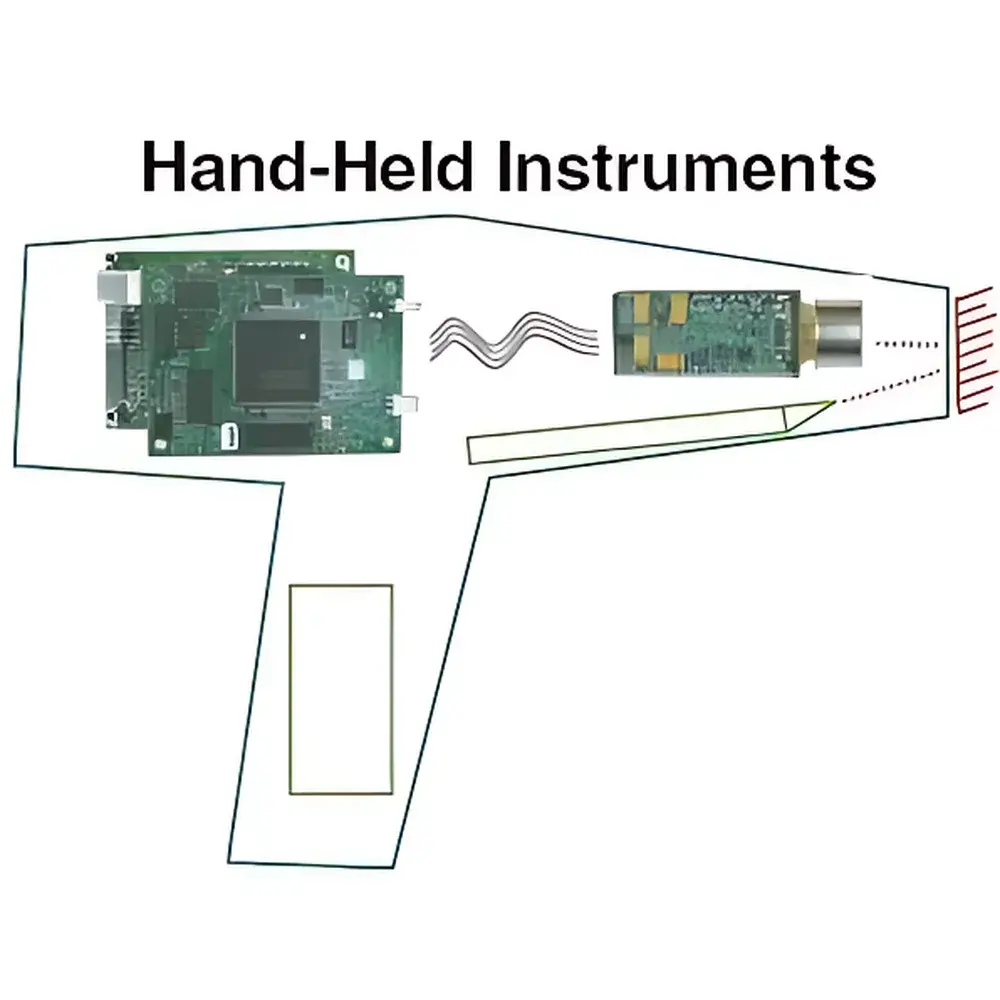
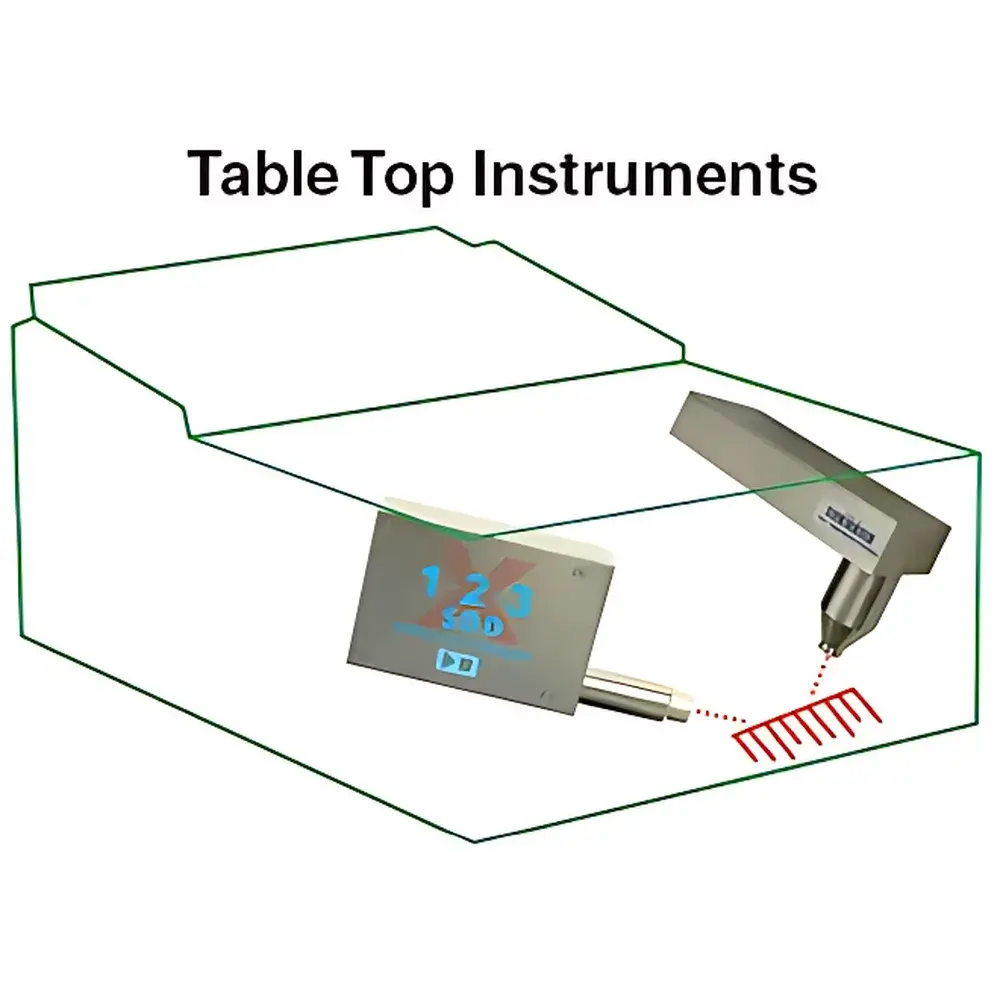
The Amptek OEM XRF System Solution is a modular, high-performance hardware platform engineered for seamless integration into custom energy-dispersive X-ray fluorescence (EDXRF) analyzers. Built upon Amptek’s four-decade legacy in radiation detection electronics, this solution implements pulse-height analysis of characteristic X-ray photons generated by primary beam excitation—enabling quantitative and qualitative elemental analysis from sodium (Z=11) to uranium (Z=92). The system operates on the fundamental principle of EDXRF: incident X-rays induce inner-shell ionization in sample atoms; subsequent electron transitions emit secondary X-rays with energies uniquely corresponding to atomic number. Amptek’s OEM architecture delivers laboratory-grade spectral fidelity in compact, low-power form factors suitable for benchtop instrumentation, handheld analyzers, inline process monitors, and embedded industrial QA/QC systems—particularly where RoHS, WEEE, and IEC 62321 compliance verification is required.
Key Features
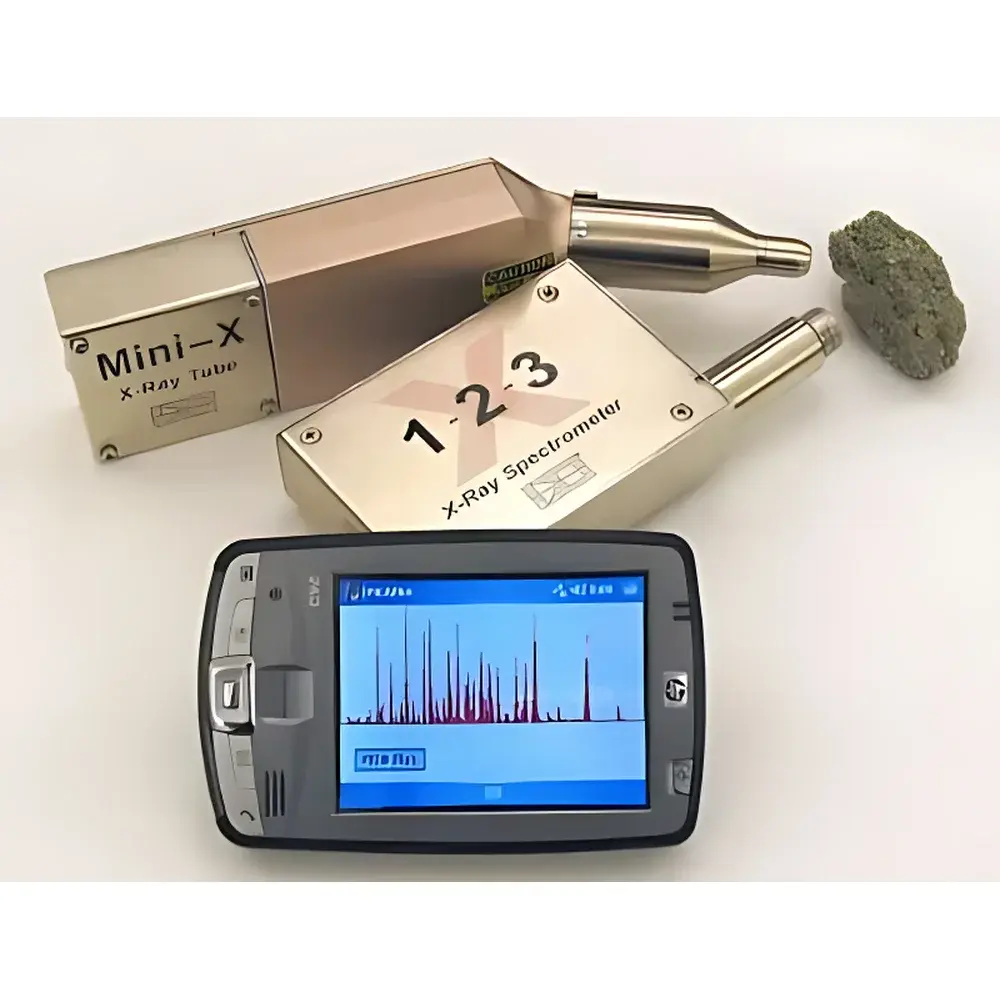
- Modular component architecture supporting six distinct integration tiers—from fully assembled spectrometers (e.g., X-123) to bare detectors (AXR) with user-supplied signal chain electronics
- Detector flexibility: Si-PIN, silicon drift detector (SDD), or CdTe sensors available in active areas of 6 mm², 13 mm², and 25 mm²—optimized for high-count-rate, low-noise RoHS screening applications
- Digital pulse processing via DP5 processor: replaces analog shaping amplifiers and multichannel analyzers (MCAs), delivering real-time spectrum acquisition, pile-up rejection, and baseline restoration with <140 eV FWHM resolution at Mn Kα (5.89 keV)
- Ultra-low power consumption: X-123 consumes only 1.2 W; all modules operate from +5 V DC with USB 2.0 or RS-232 host interface
- Thermally stable design: integrated thermal management options—including optional heatsinks and shielded enclosures—for sustained operation in portable and embedded environments
- Software Developer’s Kit (SDK): comprehensive API libraries for Windows, Linux, and Windows CE/Pocket PC platforms enabling full spectral control, calibration, and data export interoperability
Sample Compatibility & Compliance
The Amptek OEM XRF platform supports solid, powder, liquid, and thin-film samples across electronics manufacturing, scrap metal sorting, coating thickness verification, and environmental compliance testing. Its 1 ppm–99.99% quantification range meets ASTM E1621, ISO 12885, and IEC 62321-5 requirements for restricted substance screening. All configurations support trace-level detection of regulated elements including Pb, Cd, Hg, Cr(VI), Br (as PBB/PBDE), and Cl (as chlorinated flame retardants). When paired with Amptek’s optional XRF-FP fundamental parameters software, results are traceable to NIST SRM reference materials and compliant with GLP audit requirements—including full electronic record retention, user access logs, and instrument calibration history per FDA 21 CFR Part 11 guidelines.
Software & Data Management
Amptek provides a production-ready software ecosystem designed for OEM scalability. The X-123 firmware includes embedded MCA functionality with live histogramming, peak identification (using Gaussian fitting and library matching), and energy calibration routines. The SDK enables OEMs to embed spectral acquisition directly into proprietary GUIs or PLC-based control systems. Raw spectrum files (.spe, .mca) are stored in industry-standard formats compatible with third-party chemometric tools (e.g., Unscrambler®, MATLAB®). For regulated environments, optional audit-trail logging captures operator ID, acquisition timestamp, detector bias voltage, temperature, and calibration coefficients—ensuring full data integrity under GMP/GLP workflows.
Applications
- RoHS/WEEE-compliant PCB and component screening in electronics manufacturing lines
- Handheld alloy identification and positive material identification (PMI) in field service and scrap yards
- In-line coating thickness measurement for electroplated connectors and semiconductor packaging
- Environmental monitoring of soil, dust, and consumer product leachates
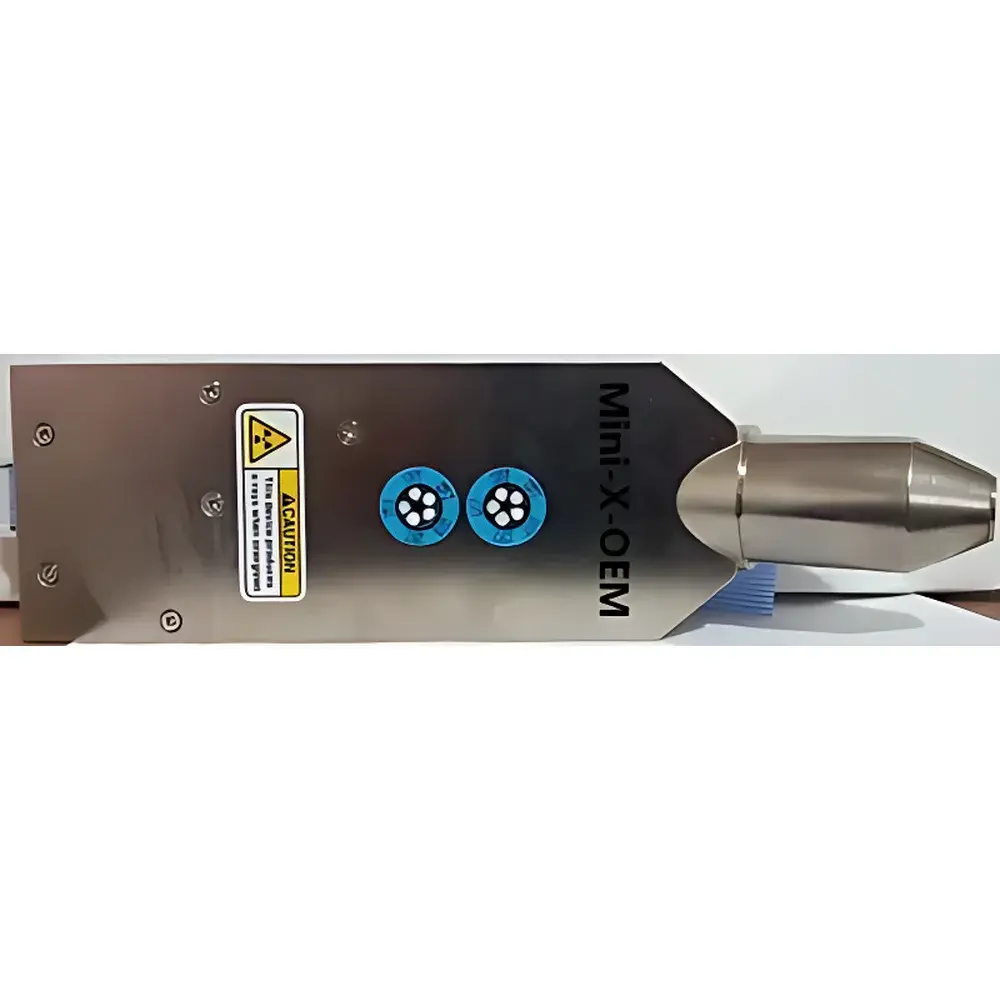
- Research-grade micro-XRF mapping when coupled with motorized stages and Mini-X microfocus X-ray tubes
- Custom OEM integration into automated test equipment (ATE), robotic inspection cells, and IoT-enabled quality gate systems
FAQ
Which configuration is recommended for rapid time-to-market?
The X-123 or X-123SDD integrated spectrometer is optimal—fully assembled, USB-powered, and ready for spectral acquisition within minutes of host connection.
Can the system be used in vacuum or inert gas environments?
Yes. XR-100 and X-123 variants support vacuum operation via CF or KF flanges; optional CP75 vacuum feedthroughs enable hermetic integration.
Is detector cooling required for long-term stability?
SDD variants require thermoelectric (Peltier) cooling; Si-PIN and CdTe detectors operate stably at ambient temperatures up to 40 °C with appropriate thermal design.
Does Amptek provide application-specific calibration standards?
Amptek supplies certified reference materials (CRMs) and recommends NIST-traceable standards; final calibration is performed by the OEM using their sample matrix and geometry.
What level of technical support is available during integration?
OEM partners receive direct engineering support—including schematic review, thermal modeling guidance, EMC pre-compliance consultation, and SDK debugging assistance—under Amptek’s OEM Partner Program.





