
Analysis Biocen 22R Benchtop Refrigerated Microcentrifuge
| Brand | Analysis |
|---|---|
| Origin | Spain |
| Manufacturer | Ortoalresa S.L. |
| Model | BIOCEN 22R |
| Instrument Type | Benchtop Centrifuge |
| Speed Range | 200–18,100 rpm |
| Max RCF | 31,865 × g |
| Max Capacity | 8 × 15 mL |
| Temperature Range | –20 °C to +40 °C (1 °C increments) |
| Refrigerant | R-449A (HFO-based, non-CFC) |
| Dimensions (W×D×H) | 276 × 640 × 272 mm |
| Noise Level | <65 dB(A) |
| Compliance | EN 61010-1, EN 61010-2-101, EN 61010-2-020, EN 61326-1, EN 61326-2-6 |
| Safety Certifications | 2011/65/EU (RoHS), 2012/19/EU (WEEE), 2014/30/EU (EMC), 2014/35/EU (LVD), 98/79/EC (IVDR), (EC) No 1005/2009, (EU) No 517/2014 |
Overview
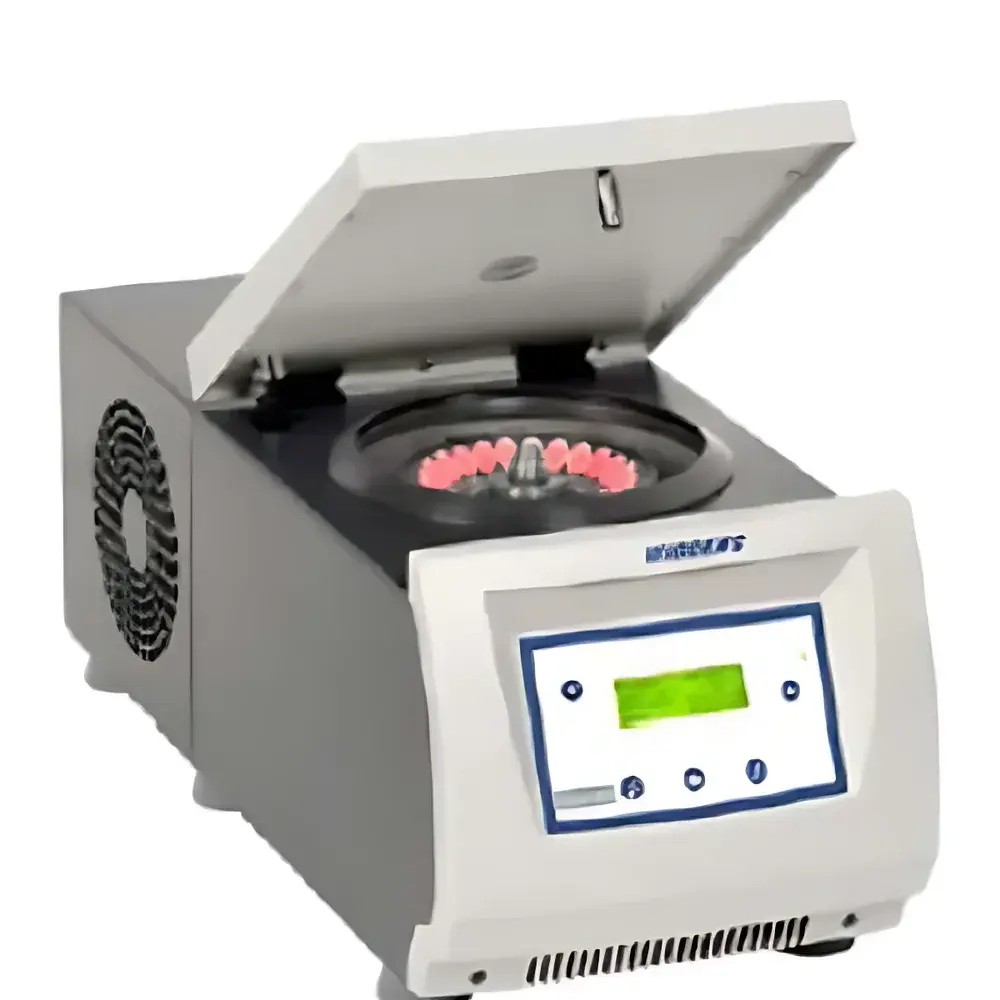
The Analysis Biocen 22R is a high-performance benchtop refrigerated microcentrifuge engineered for precision separation of biological and biochemical samples under controlled thermal conditions. Utilizing a brushless induction motor and advanced Peltier-based cooling architecture, it delivers stable temperature maintenance across the full operational speed range—from standstill to 18,100 rpm—without compromising rotor integrity or sample integrity. Its core measurement principle relies on centrifugal force generation (RCF) governed by rotational velocity and radius, enabling reproducible pelleting, phase separation, and clarification of nucleic acids, proteins, cell organelles, and viral particles. Designed for laboratories requiring stringent thermal control and high-throughput flexibility, the Biocen 22R operates within a certified safety framework aligned with IEC/EN 61010-1 and associated collateral standards for laboratory equipment.
Key Features
- Microprocessor-controlled operation with intuitive LCD interface displaying real-time RPM, RCF, elapsed time, set temperature, and acceleration/deceleration profiles (PCBS).
- Programmable speed increments in 10 rpm / 10 × g steps; timer range from 1 to 99 minutes with ±5 s accuracy and position-hold functionality.
- Progressive Control Braking System (PCBS) offering up to 175 selectable acceleration/deceleration ramps—minimizing post-run resuspension and preserving pellet morphology.
- 16 user-programmable protocols stored in non-volatile memory; last-used parameters retained after power cycle.
- Automatic rotor recognition and validation via embedded ID chip; integrated overspeed protection and imbalance detection with automatic shutdown.
- Electric dual-lock lid system with emergency mechanical release, drop-protection mechanism, and lid-port access for calibration verification.
- Stainless steel centrifuge chamber (AISI 304) compatible with autoclaving (121 °C, 20 min); rotors and adapters sterilizable without disassembly.
- Energy-saving mode with auto-disconnect after 8 hours of inactivity; acoustic and visual alerts for status monitoring (e.g., door open, temperature deviation, rotor error).
Sample Compatibility & Compliance
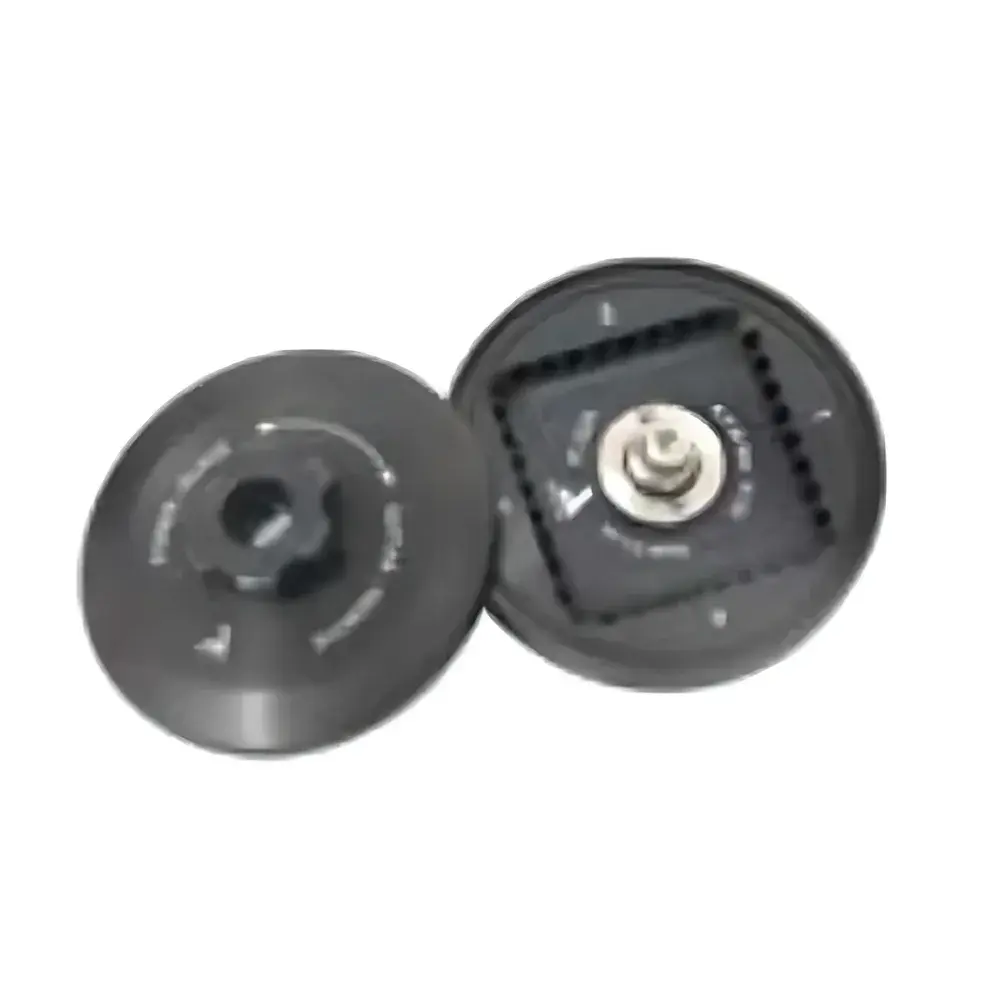
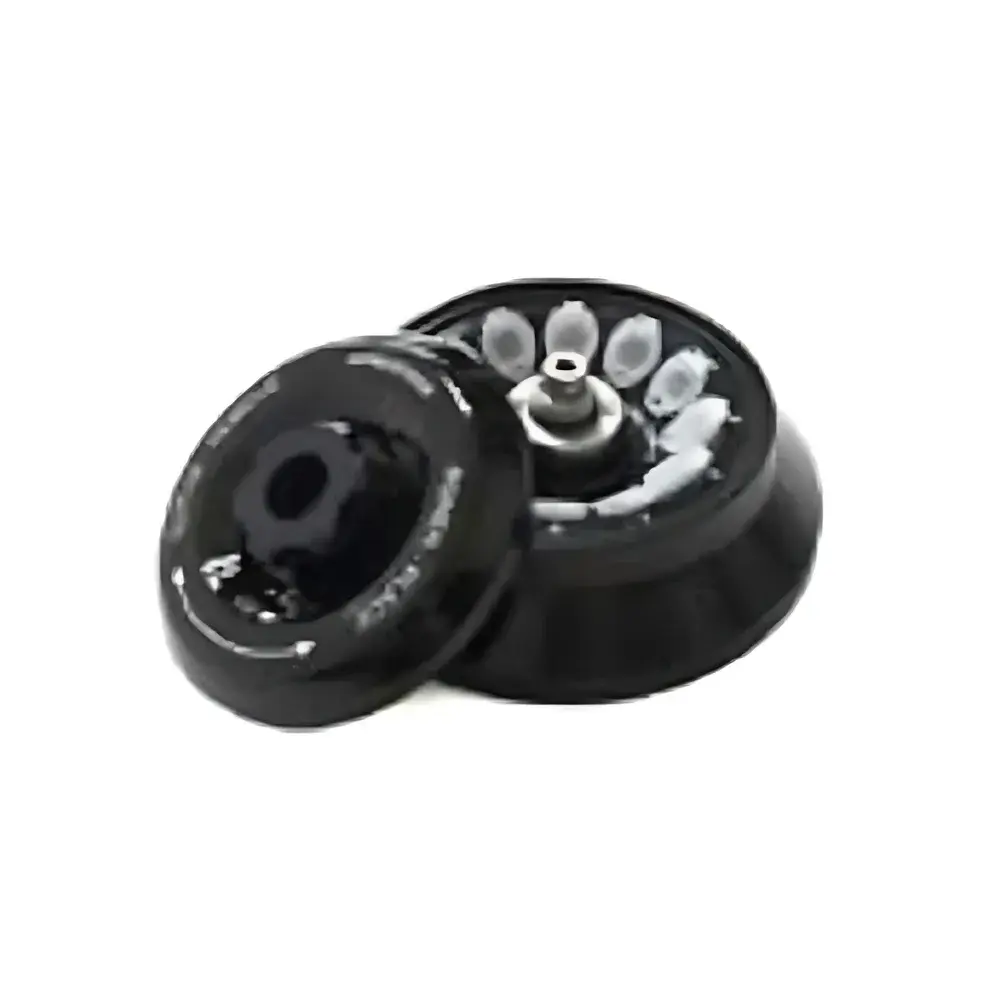
The Biocen 22R accommodates a broad spectrum of tube formats—from 0.2 mL PCR tubes to 15 mL conical centrifuge tubes—via interchangeable angular rotors (e.g., 24 × 1.5/2.0 mL, 8 × 15 mL). Its design supports routine workflows in molecular biology, clinical diagnostics, and bioprocessing where adherence to GLP and GMP principles is required. The unit complies with EU directives governing electromagnetic compatibility (2014/30/EU), low voltage safety (2014/35/EU), RoHS (2011/65/EU), WEEE (2012/19/EU), and in vitro diagnostic regulation (98/79/EC). Refrigeration conforms to F-Gas Regulation (EU) No 517/2014, utilizing R-449A—a low-global-warming-potential (GWP = 139) hydrofluoroolefin refrigerant approved under EC No 1005/2009.
Software & Data Management
While the Biocen 22R operates as a standalone instrument with embedded firmware, its parameter logging and protocol execution support traceability requirements under FDA 21 CFR Part 11 when integrated into validated laboratory information management systems (LIMS). All run records—including start/stop timestamps, actual vs. set temperature, final RCF, and rotor ID—are retained in internal memory and exportable via optional RS-232 or USB interfaces (subject to configuration). Audit trails are maintained for critical events: lid lock engagement, temperature excursions >±1.5 °C, imbalance triggers, and emergency stops. Firmware updates are performed via secure authenticated channels to preserve data integrity and regulatory alignment.
Applications
This centrifuge serves core applications in academic research, pharmaceutical QC, and clinical laboratories: isolation of plasmid DNA and RNA from bacterial lysates; purification of exosomes and extracellular vesicles; concentration of dilute protein solutions; sedimentation of membrane fractions; preparation of viral stocks; and rapid spin-down of enzymatic reaction mixtures prior to analysis. Its ability to maintain ≤4 °C at maximum speed ensures thermal stability for heat-labile enzymes and transient complexes—critical in structural biology and functional proteomics workflows.
FAQ
What is the minimum and maximum operating temperature range?
The chamber temperature is adjustable from –20 °C to +40 °C in 1 °C increments, with active cooling maintained at all speeds up to 18,100 rpm.
Is rotor calibration required before first use?
No—each rotor contains an embedded identification chip that enables automatic recognition and parameter validation upon insertion.
Can the centrifuge be operated without refrigeration?
Yes; the cooling system can be disabled while retaining full speed and timing functionality for ambient-temperature protocols.
How is temperature uniformity verified during operation?
An internal PT100 sensor continuously monitors chamber air temperature; deviation alerts activate if readings exceed ±1.5 °C of the setpoint for >30 seconds.
Are rotor lifetime and usage logs tracked by the system?
Yes—the firmware logs cumulative run time, maximum speed achieved per session, and thermal cycling history for each registered rotor to support preventive maintenance scheduling.



