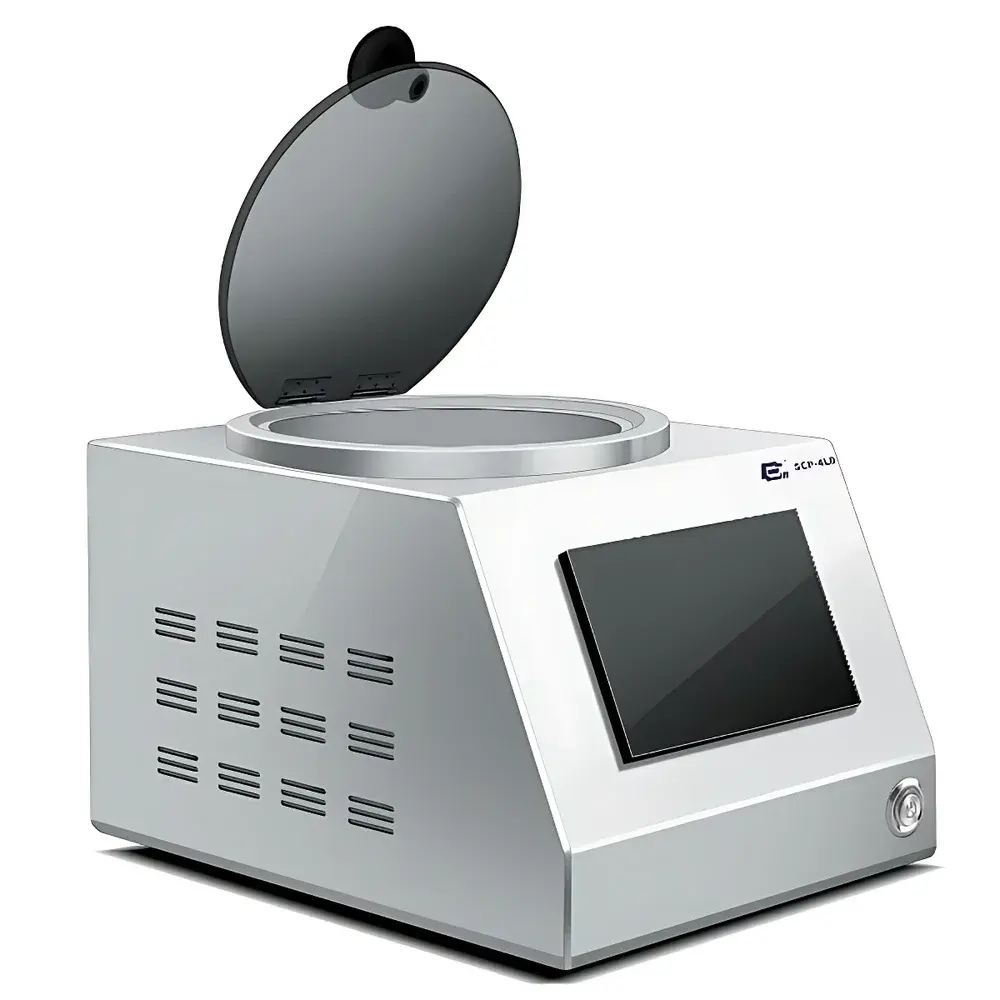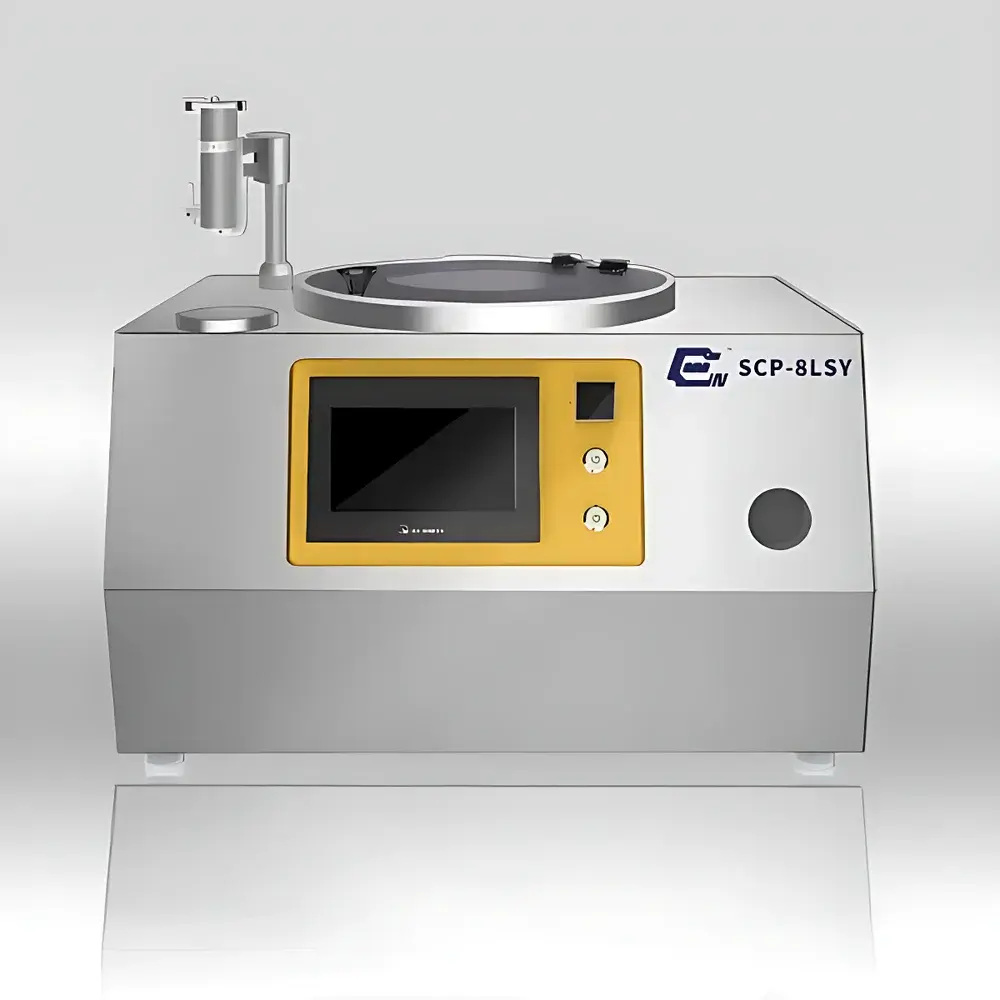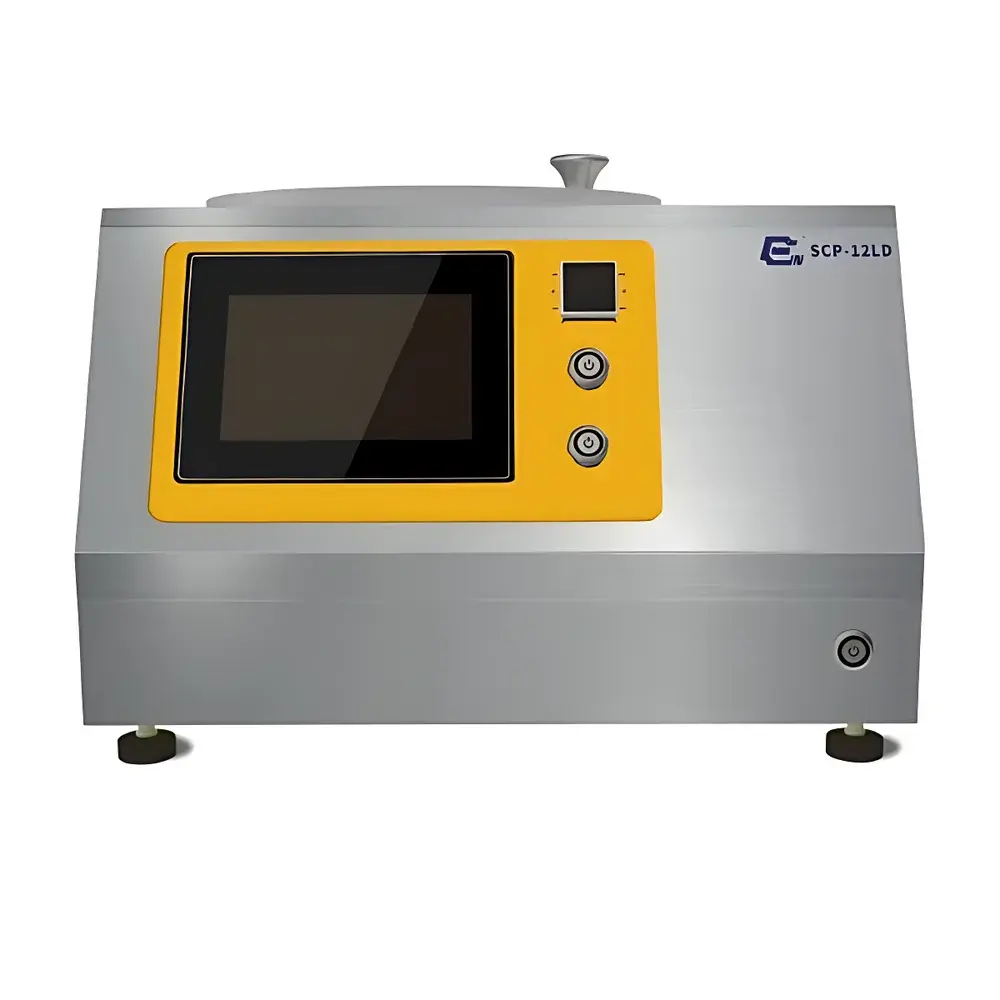
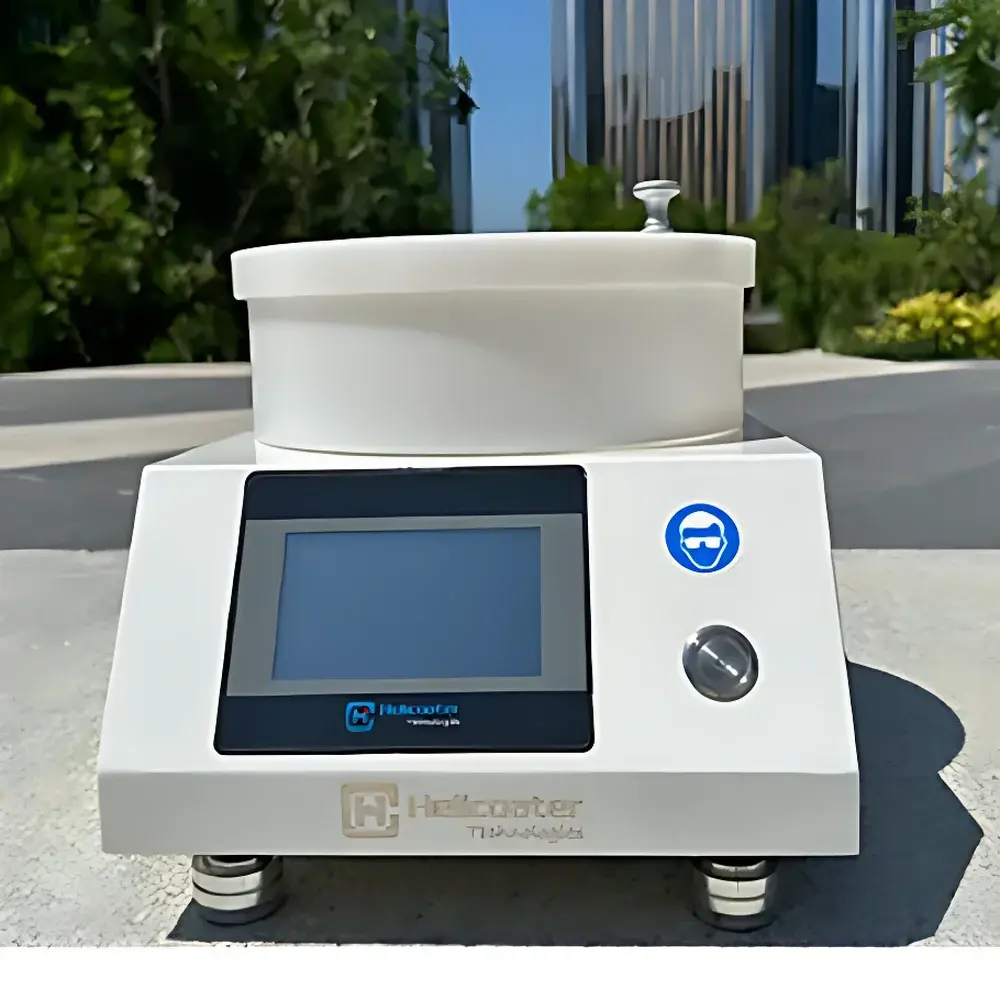
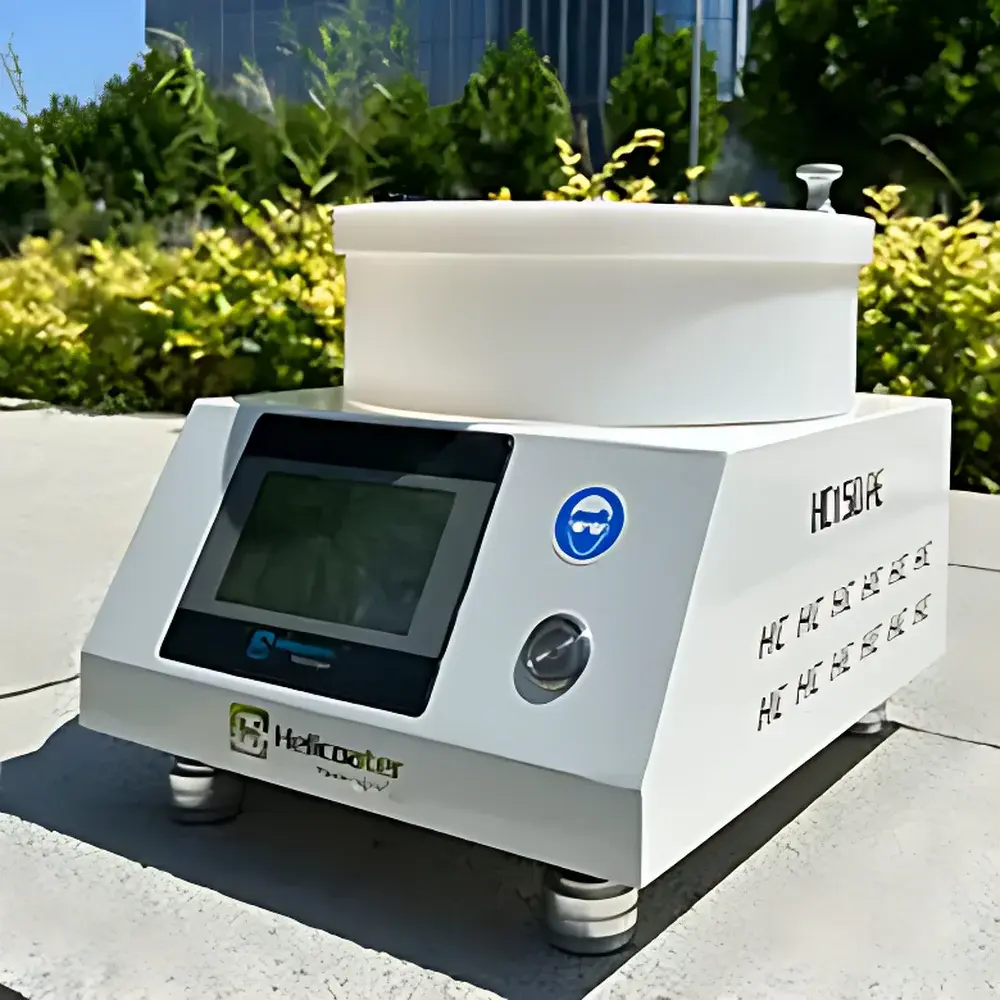
Analysis HC150SE Programmable Spin Coater
| Brand | Analysis |
|---|---|
| Origin | Beijing, China |
| Model | HC150SE |
| Rotation Speed | 100–12,000 rpm |
| Rotation Time Resolution | 0.1 s |
| Max Acceleration | 30,000 rpm/s |
| Substrate Diameter | 5–150 mm |
| Chamber Diameter | 212 mm |
| Speed Resolution | 1 rpm |
| Max Spin Duration | 3000 s |
| Programmable Steps | 10 programs × 10 steps each |
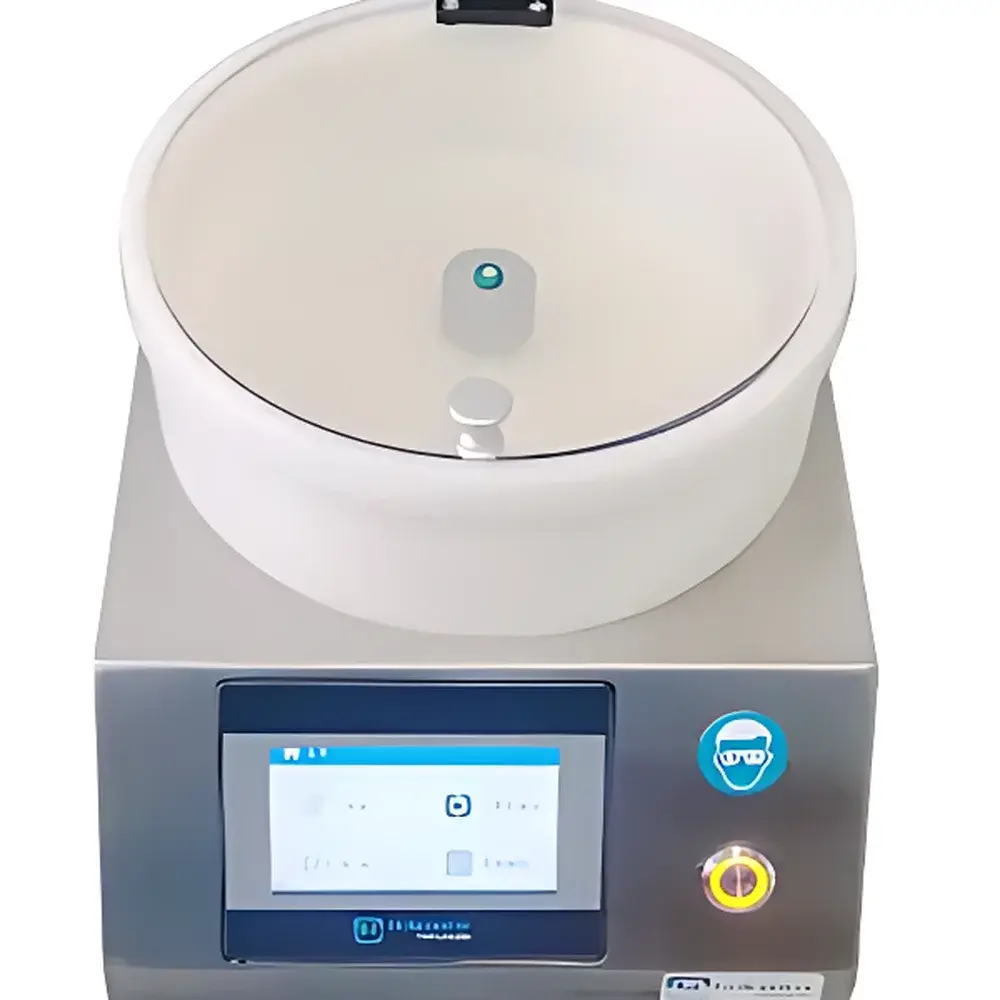
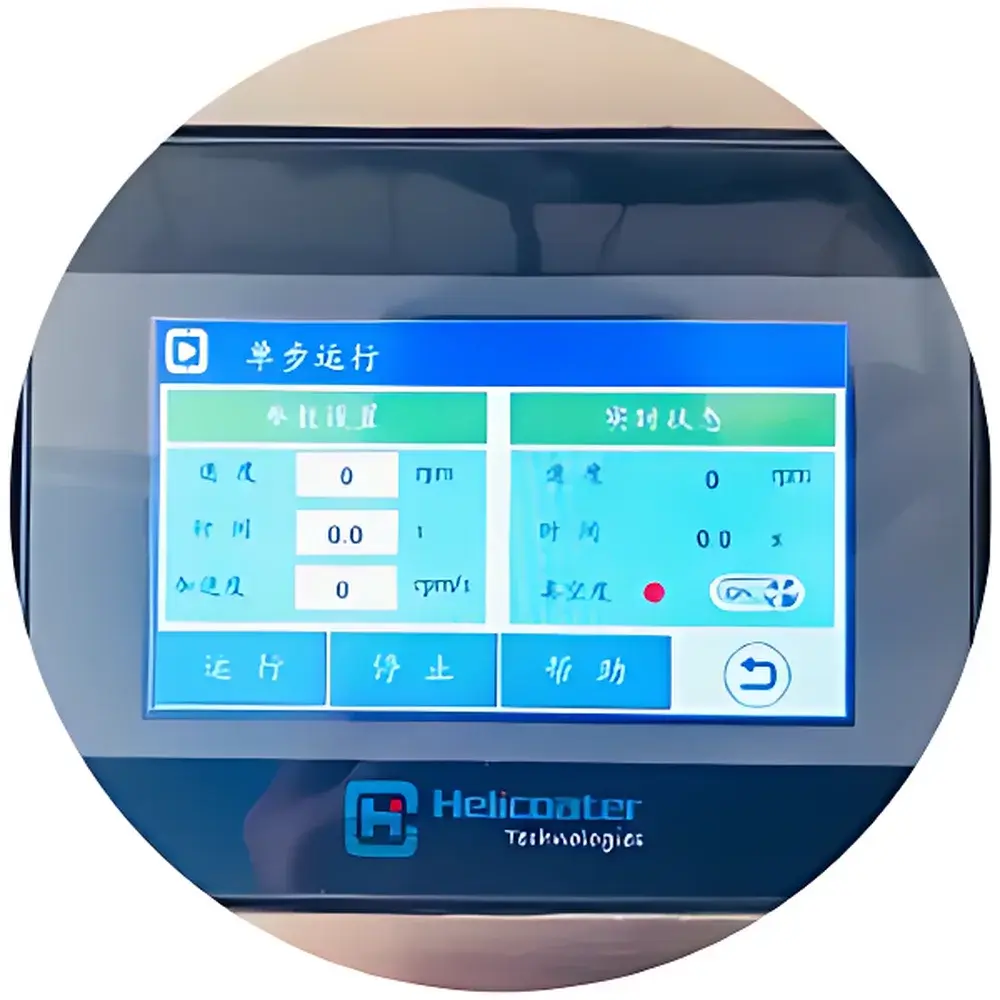
| Control Interface | 4.3-inch color touchscreen |
| Chamber Material | CNC-machined HDPE |
| Vacuum Pump | Integrated oil-free vacuum pump |
| Power Input | AC 200–230 V |
Overview
The Analysis HC150SE Programmable Spin Coater is an engineered solution for precise, repeatable thin-film deposition in semiconductor fabrication, microelectronics R&D, and advanced materials laboratories. Based on the principle of centrifugal force-driven fluid dispersion, the HC150SE applies controlled rotational acceleration and deceleration to uniformly distribute photoresist, polymer solutions, sol-gel precursors, or other viscous coatings onto planar substrates. Its high-speed capability (up to 12,000 rpm), sub-second timing resolution (0.1 s), and programmable multi-step profiles enable reproducible film thickness control—critical for photolithography alignment, MEMS fabrication, perovskite solar cell development, and nanomaterial coating processes. Designed for integration into inert-atmosphere environments, the compact footprint and glovebox-compatible form factor support contamination-sensitive workflows in cleanroom and controlled-environment labs.
Key Features
- High-precision programmable control via a 4.3-inch industrial-grade color touchscreen interface with intuitive navigation and real-time parameter monitoring.
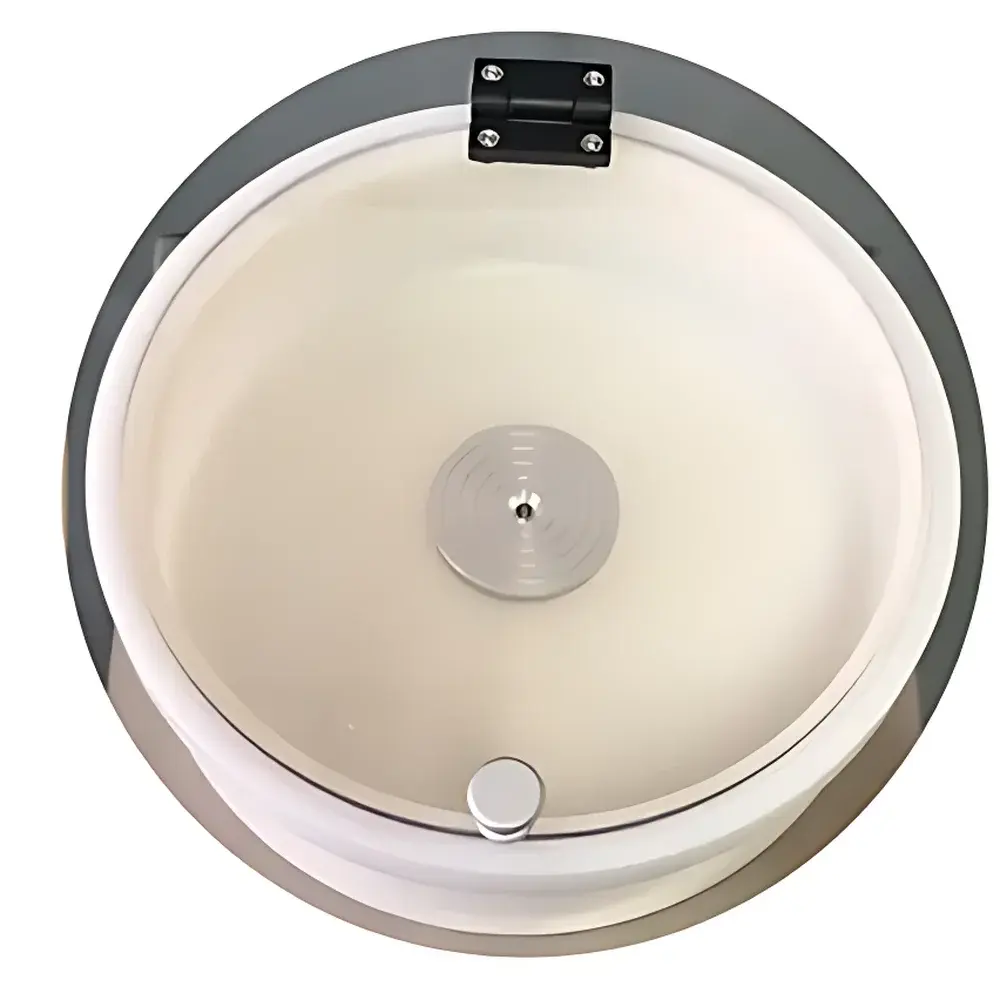
- CNC-machined HDPE (high-density polyethylene) chamber with optimized concave inner wall geometry to suppress droplet splashing and improve edge uniformity during spin-off.
- Modular split-body architecture facilitates rapid disassembly, solvent-resistant cleaning, and routine maintenance without specialized tools.
- Advanced PLC-based motion control system delivering programmable acceleration profiles (100–30,000 rpm/s), speed ramping, dwell times, and sequential multi-step protocols (up to 10 programs, each with 10 configurable steps).
- Integrated oil-free vacuum pump with adjustable suction strength and programmable vacuum-on/vacuum-off timing for reliable substrate clamping across wafer sizes from 5 mm to 150 mm (Ø).
- Motorized dispense protection logic prevents premature ejection or nozzle clogging by synchronizing dispensing timing with rotational state transitions.
- User-accessible password protection for parameter locking and audit-ready operation logs (optional firmware extension supports GLP-compliant event stamping).
- Ergonomic tubing layout with quick-release connectors and self-clearing flow paths minimizes residue buildup and simplifies solvent flush cycles.
Sample Compatibility & Compliance
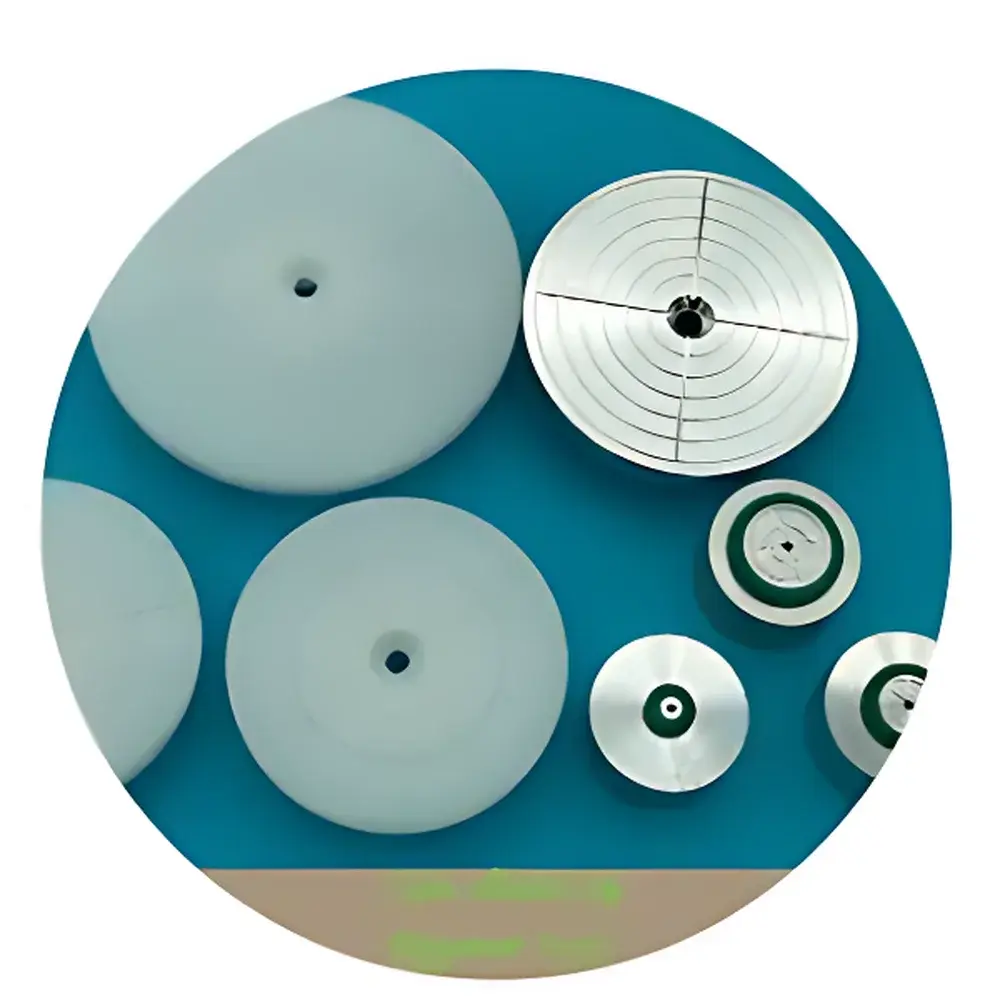
The HC150SE accommodates substrates ranging from small research coupons (5 mm Ø) to full 6-inch wafers (150 mm Ø), including silicon, glass, quartz, sapphire, flexible PET/PI films, and ceramic substrates. Standard chuck configurations include flat, vacuum-perforated, and edge-clamp variants; custom chucks are available upon request. The HDPE chamber exhibits broad chemical resistance to common photoresists (e.g., AZ series, Shipley S18xx), developers (TMAH), organic solvents (IPA, acetone, PGMEA), and aqueous etchants. While not certified to ISO 9001 or SEMI S2/S8 out-of-the-box, the system’s deterministic control architecture, traceable parameter logging (via optional USB export), and adherence to standard semiconductor handling practices support alignment with internal QA/QC protocols and facility-specific GLP/GMP documentation requirements.
Software & Data Management
The HC150SE operates via embedded firmware with no external PC dependency. All process parameters—including speed setpoints, acceleration rates, spin durations, vacuum activation windows, and dispense delay offsets—are stored locally in non-volatile memory. The touchscreen interface supports user-defined program naming, version tagging, and hierarchical folder organization. Process execution records (start time, end time, actual rpm profile, error flags) are timestamped and retained for up to 500 cycles. For laboratory information management system (LIMS) integration, optional RS-232 or Ethernet communication modules enable remote command triggering and status polling. Firmware updates are delivered via USB flash drive and include change-log documentation compliant with internal validation SOPs.
Applications
- Photolithography pre-bake and post-apply soft-bake staging in mask aligner and stepper workflows.
- Uniform deposition of metal-organic frameworks (MOFs), quantum dot inks, and conductive polymer layers for printed electronics.
- Spin-casting of perovskite precursor films with controlled crystallization kinetics through multi-ramp protocols.
- Preparation of calibration standards for ellipsometry, profilometry, and AFM thickness verification.
- Rapid prototyping of anti-reflective, hydrophobic, or dielectric thin films on optical components and sensor substrates.
- Low-volume R&D coating of biofunctionalized surfaces for lab-on-chip device development.
FAQ
What substrate sizes does the HC150SE support?
The system accepts substrates from 5 mm to 150 mm in diameter using interchangeable chucks; standard kits include holders for 1″, 2″, 3″, 4″, and 6″ wafers.
Is the chamber compatible with aggressive solvents such as chlorobenzene or DMF?
Yes—the CNC-machined HDPE chamber demonstrates proven resistance to halogenated aromatics, polar aprotic solvents, and dilute acidic/basic solutions typical in thin-film processing.
Can multiple users store and protect their own process recipes?
Yes—password-protected user accounts allow independent recipe libraries with read/write permissions managed at the local interface level.
Does the system meet FDA 21 CFR Part 11 requirements for electronic records?
Out-of-the-box functionality does not include full Part 11 compliance (e.g., electronic signatures, audit trails); however, optional firmware and documentation packages are available to support regulated environments upon validation.
How is vacuum integrity verified during operation?
Real-time vacuum pressure feedback is not measured directly, but substrate retention is confirmed via motor torque monitoring and programmed vacuum hold duration; loss-of-suction triggers audible/visual alerts and process halt.