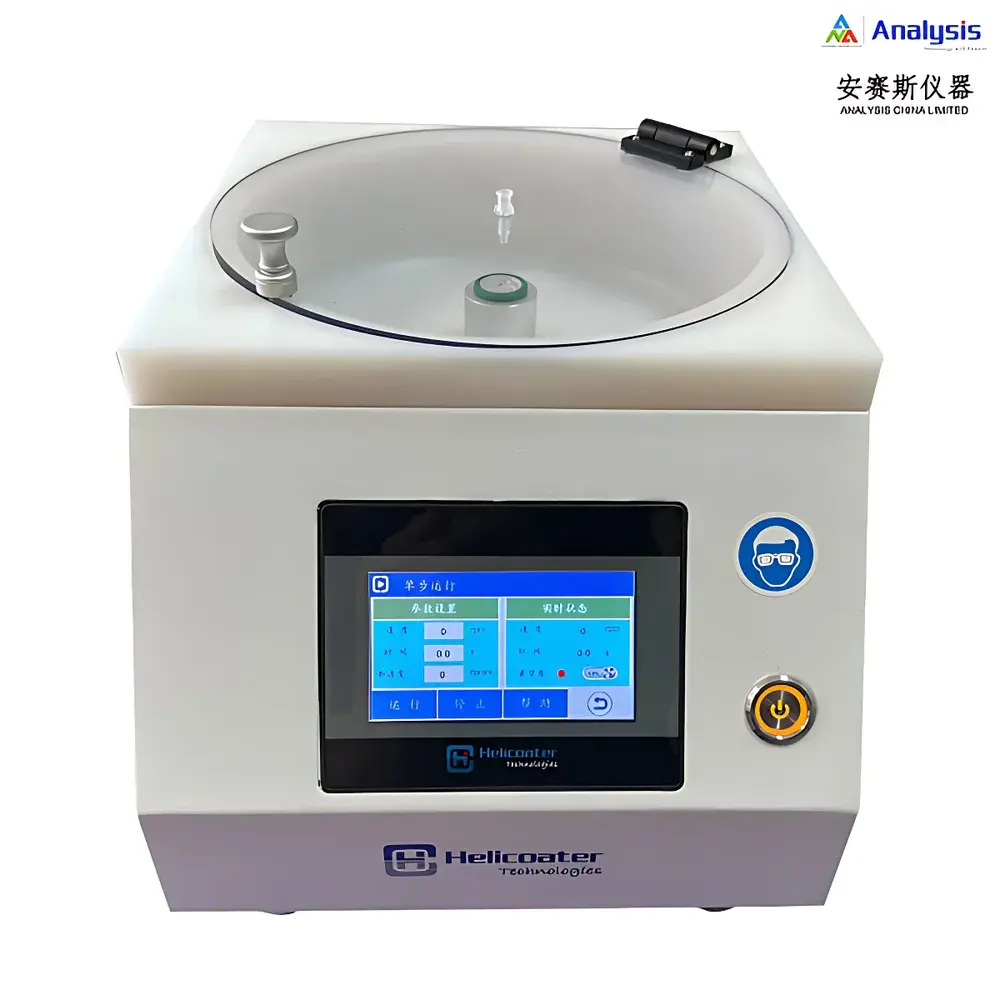
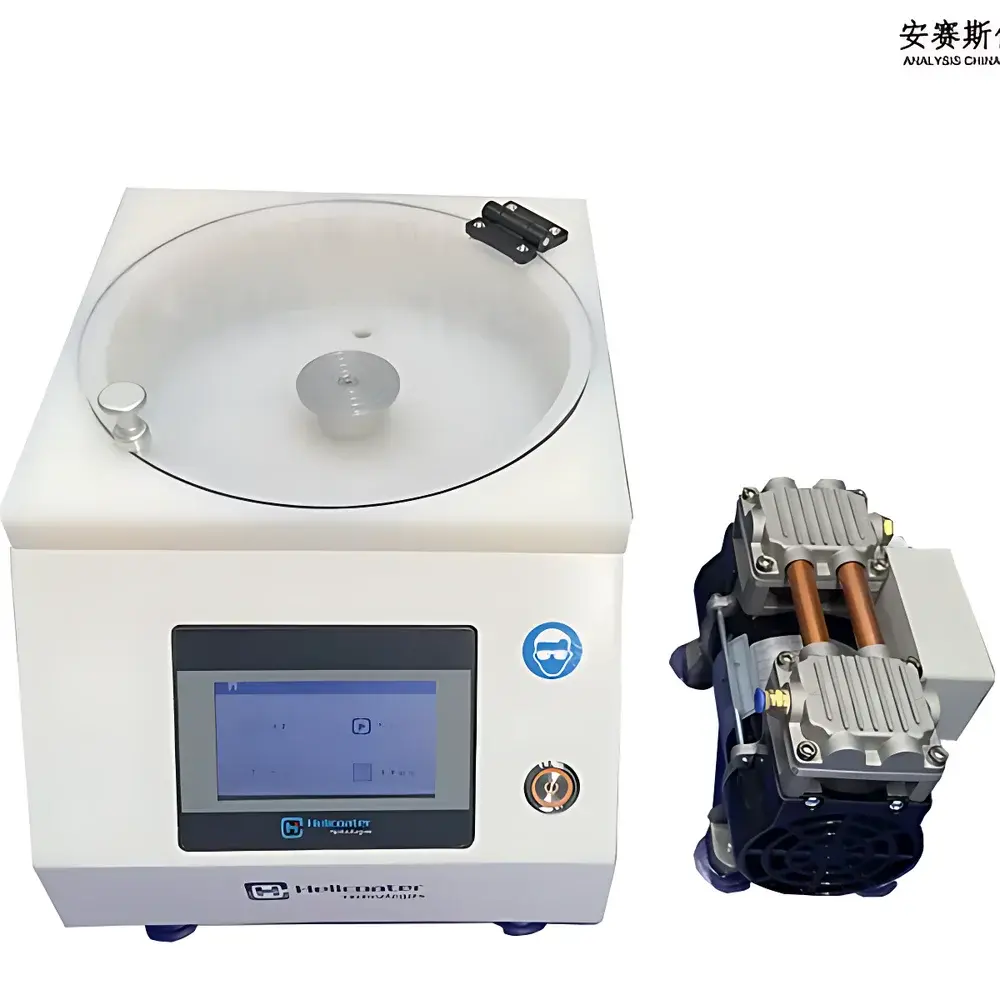
Analysis HC160SE Programmable Spin Coater
| Brand | Analysis |
|---|---|
| Origin | Beijing, China |
| Manufacturer Type | Authorized Distributor |
| Product Category | Domestic |
| Model | HC160SE |
| Price | Upon Request |
| Max. Rotation Speed | 12,000 rpm |
| Speed Resolution | 1 rpm |
| Max. Acceleration | 30,000 rpm/s |
| Maximum Substrate Diameter | 160 mm |
| Chamber Diameter | 220 mm |
| Programmable Programs | 100 × 10 steps |
| Touchscreen Interface | 4.3″ Color LCD |
| Vacuum & Lid Interlock Safety | Yes |
| Waste Exhaust Port | Yes |
| Auto-Dispense Interface | Standard (upgradable) |
| Power Input | AC 200–230 V |
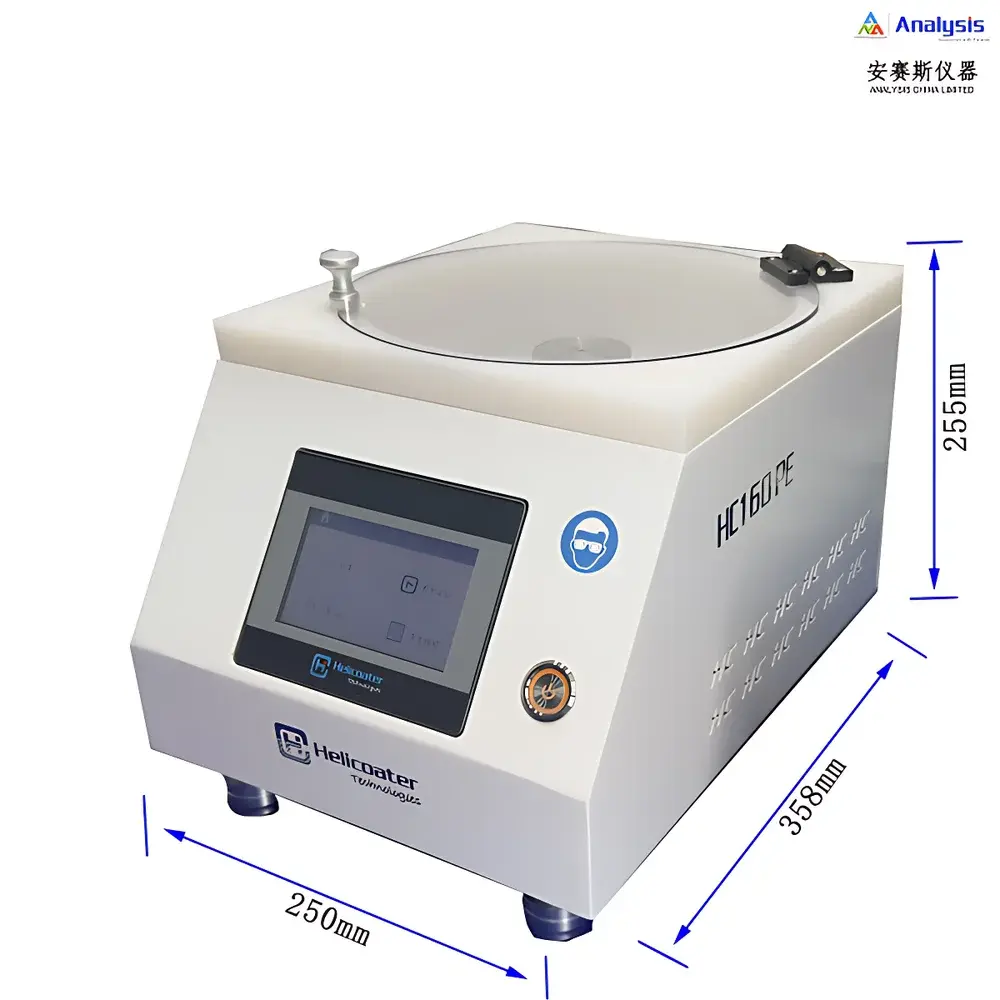
| Dimensions (L×W×H) | 358 × 250 × 255 mm |
| Substrate Compatibility | Ø10–160 mm |
| Spin Time Range | 0.1–3000 s |
| Time Resolution | 0.1 s |
| Chamber Material | CNC-machined HDPE |
| Housing Material | Stainless Steel |
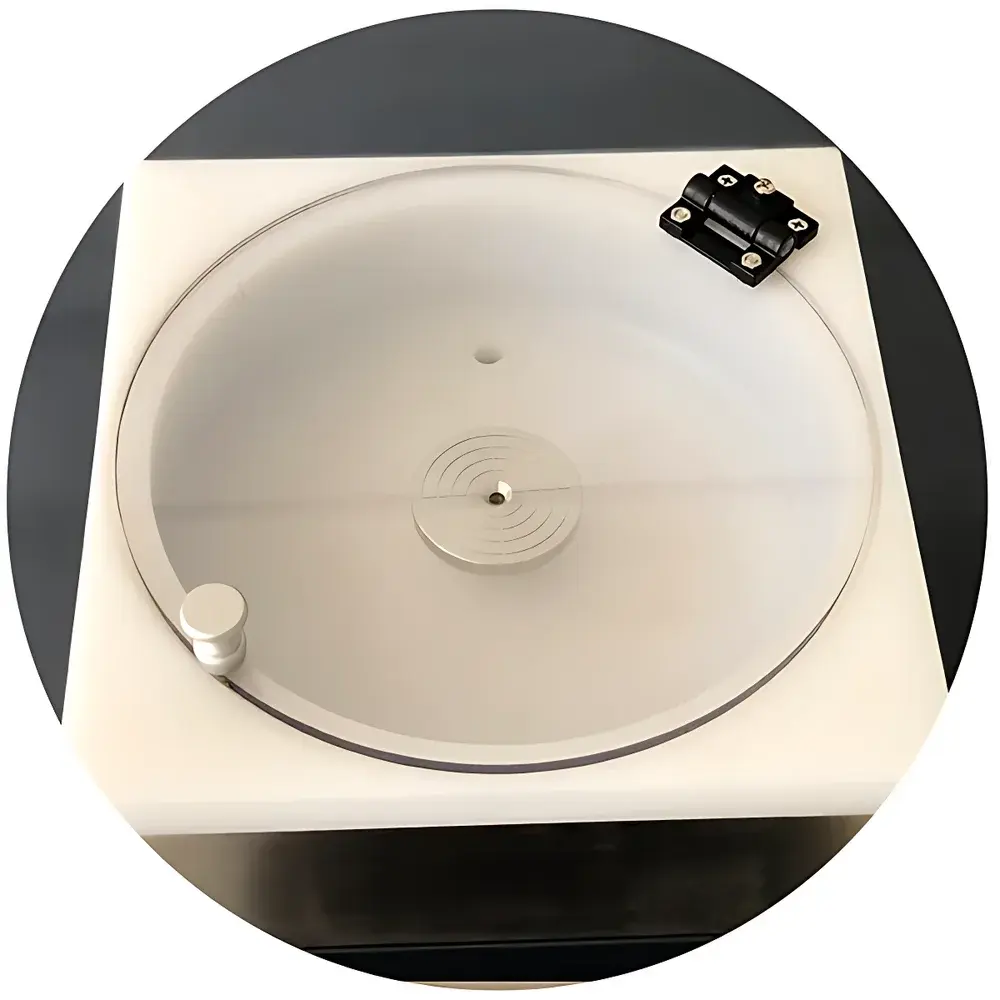
| Enclosure | Transparent Polycarbonate Lid |
Overview
The Analysis HC160SE Programmable Spin Coater is an engineered solution for high-precision thin-film deposition in cleanroom-adjacent and inert-atmosphere environments. Designed around the fundamental principle of centrifugal force-driven fluid thinning—where rotational motion induces radial outward flow and solvent evaporation—the HC160SE delivers reproducible film thickness control across substrates up to 160 mm in diameter. Its compact footprint (358 × 250 × 255 mm) and glovebox-compatible form factor enable integration into nitrogen- or argon-purged workspaces, supporting critical processes in photolithography, perovskite solar cell fabrication, organic electronics, and biofunctional coating development. The system employs a high-torque brushless DC motor coupled with closed-loop speed regulation via advanced PLC-based control architecture, ensuring stable angular velocity under variable load conditions—including viscous polymer solutions and nanoparticle suspensions.
Key Features
- 4.3-inch full-color touchscreen HMI with intuitive graphical workflow navigation and multilingual UI support (English default)
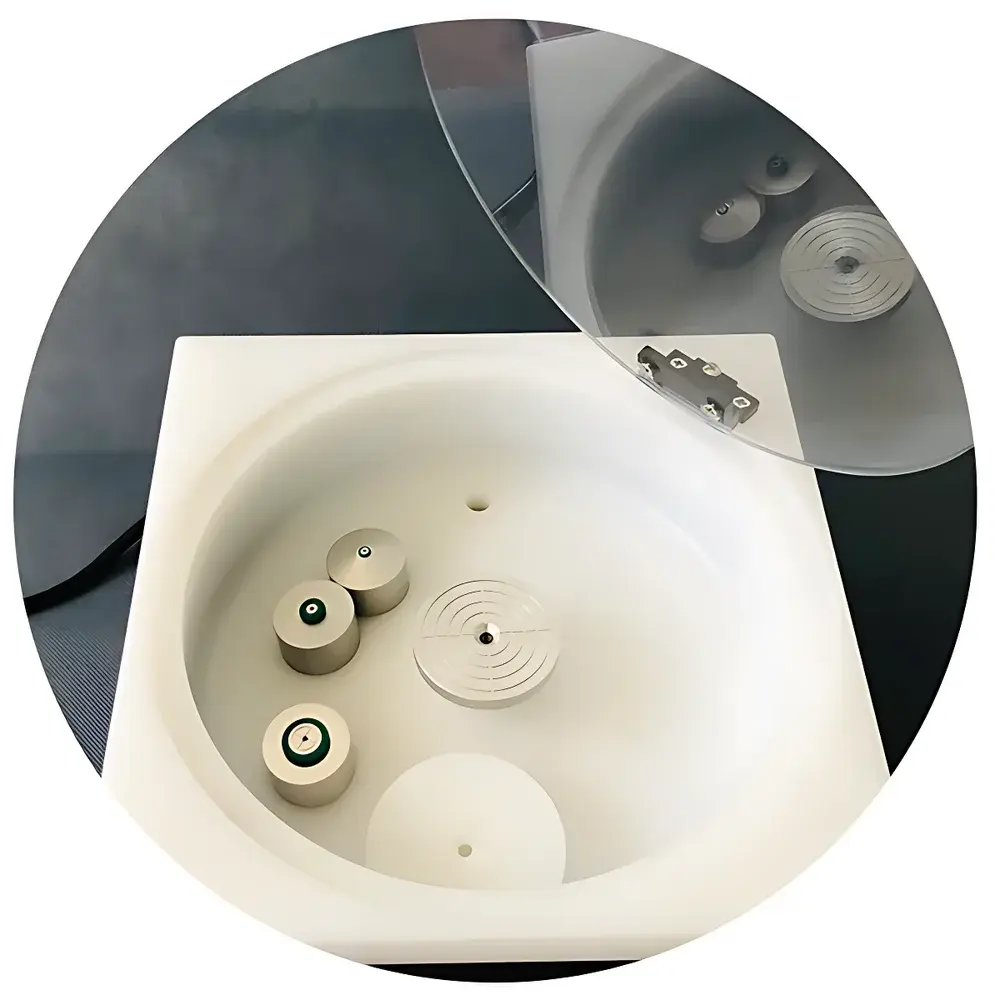
- CNC-machined high-density polyethylene (HDPE) process chamber—chemically resistant to common solvents (e.g., acetone, IPA, chlorobenzene, DMF) and featuring patented concave inner wall geometry to suppress droplet splashing and edge accumulation
- Interlocked transparent polycarbonate lid with real-time optical position verification; automatic spin inhibition if lid displacement exceeds ±0.5 mm
- Vacuum safety interlock circuit monitoring chuck vacuum integrity—halts rotation immediately upon pressure deviation >5 mbar from setpoint
- Stainless steel housing with IP54-rated ingress protection, corrosion-resistant finish, and vibration-damped base mounting
- Standard M6-threaded auto-dispense interface compatible with third-party syringe pumps (e.g., Chemyx Fusion 100, Harvard Apparatus PHD 2000); supports timed, volume-triggered, or RPM-synchronized dispensing
- User-accessible leveling feet with ±2° fine adjustment range and integrated bubble-level indicator
- Configurable password-protected access tiers (Operator / Engineer / Administrator) with audit trail logging capability
- Integrated exhaust port (Ø25 mm) with flexible hose coupling for connection to central lab ventilation or chemical scrubber systems
Sample Compatibility & Compliance
The HC160SE accommodates rigid planar substrates ranging from Ø10 mm wafers to Ø160 mm glass slides, silicon wafers, ITO-coated quartz, and flexible PET foils—provided surface flatness remains within λ/4 PV over the active area. It supports both single-step rapid spin (e.g., photoresist priming at 3000 rpm for 5 s) and multi-stage programmable protocols (up to 100 stored programs, each with 10 sequential steps). All operational parameters—including acceleration ramp profiles, dwell times, and deceleration braking curves—are fully user-definable to match material rheology and drying kinetics. The device complies with IEC 61000-6-2 (EMC immunity) and IEC 61000-6-4 (EMC emission) standards. While not certified for Class 100 cleanrooms per ISO 14644-1, its non-shedding HDPE chamber and absence of internal fans make it suitable for use downstream of ISO Class 5 laminar flow hoods. For GLP/GMP-regulated environments, optional firmware enables 21 CFR Part 11-compliant electronic signatures and immutable parameter change logs.
Software & Data Management
No proprietary PC software is required for basic operation; all programming and execution occur locally via the embedded controller. However, optional USB-C data export (CSV format) enables post-run analysis of speed/time profiles, interlock event timestamps, and error codes. Firmware updates are performed via FAT32-formatted USB flash drive with SHA-256 signature verification. The system maintains an onboard event log storing the last 1,000 operational entries—including program ID, start/stop time, maximum achieved rpm, vacuum status, lid state, and any triggered safety interrupts—with retention persisting across power cycles. Remote monitoring is supported through Modbus RTU over RS-485 (optional module), permitting integration into centralized facility SCADA systems.
Applications
- Photolithography: Uniform photoresist (e.g., AZ® series, SU-8) coating on Si, GaAs, and sapphire wafers prior to UV exposure
- Perovskite optoelectronics: Sequential spin-casting of precursor layers (PbI₂, MAI, spiro-OMeTAD) under inert atmosphere
- Nanomaterials: Deposition of graphene oxide, MXene, or quantum dot dispersions for transparent conductive films
- Biomedical coatings: Controlled application of chitosan, collagen, or PEG-based hydrogels onto sensor substrates
- MEMS packaging: Low-stress dielectric layer formation on microfabricated devices without edge bead defects
- Quality assurance labs: Reproducible reference film preparation for spectrophotometric calibration and ellipsometry validation
FAQ
What substrate materials are compatible with the HC160SE?
Silicon, fused silica, quartz, borosilicate glass, stainless steel, aluminum, and polymer films (PET, PI) with surface roughness < 0.5 µm Ra and total thickness variation < ±5 µm across the diameter.
Can the HC160SE be operated inside a nitrogen-filled glovebox?
Yes—its sealed HDPE chamber, passive cooling design, and lack of internal air-moving components meet glovebox compatibility requirements (O₂ < 1 ppm, H₂O < 0.1 ppm). External power and exhaust lines must pass through standard glovebox feedthroughs.
Is vacuum chuck flatness adjustable?
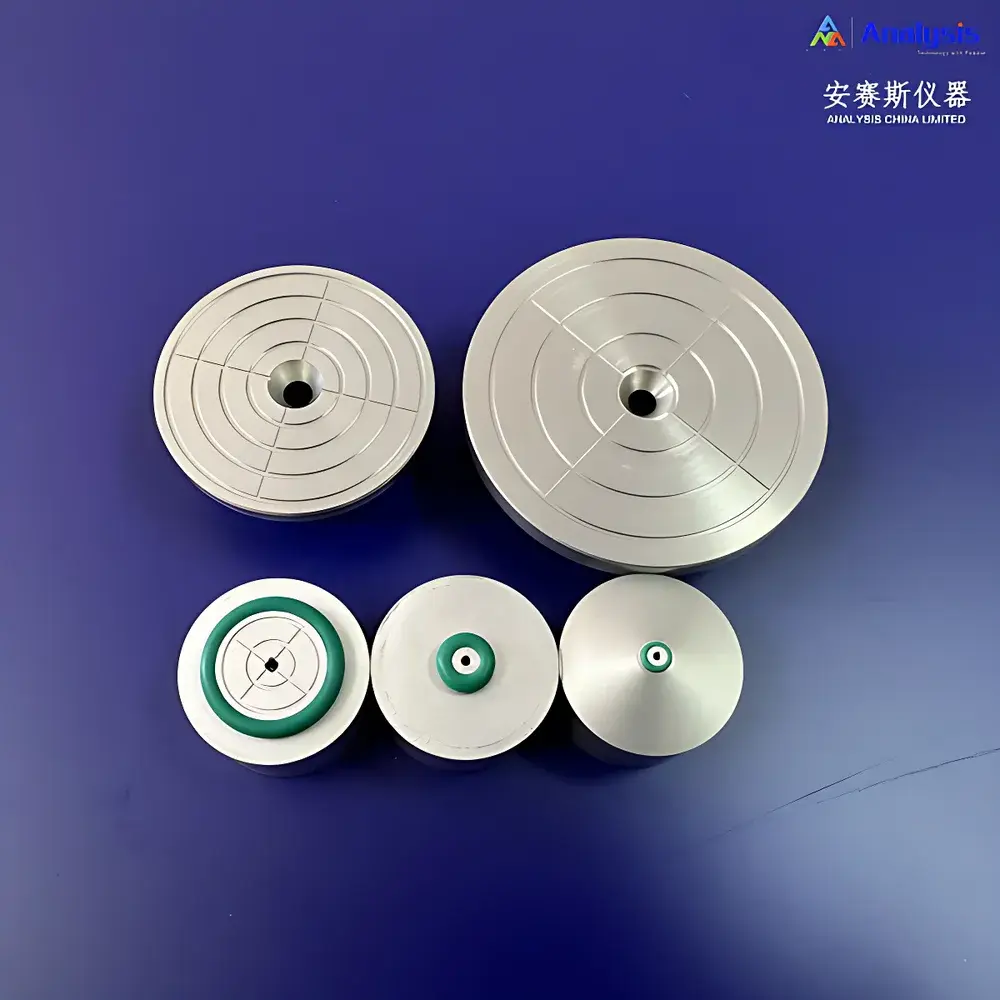
The vacuum chuck features three-point mechanical leveling with independent micrometer-adjustable screws; flatness tolerance is maintained at ≤2 µm over Ø160 mm after calibration using a certified optical flat.
Does the system support dynamic acceleration profiling during a single step?
No—acceleration is constant per step but may vary between steps. For example, Step 1 may ramp at 5000 rpm/s, while Step 2 ramps at 20,000 rpm/s; intra-step ramp rate modulation is not implemented.
What maintenance intervals are recommended?
Vacuum filter replacement every 6 months; HDPE chamber cleaning with isopropanol weekly; chuck surface inspection and wipe-down before each use; annual calibration of speed sensor and vacuum transducer by authorized service technician.