
Analysis MICROCEN 24 Benchtop Microcentrifuge
| Brand | Analysis |
|---|---|
| Origin | Spain |
| Manufacturer Type | Original Equipment Manufacturer (OEM) |
| Product Category | Imported |
| Model | MICROCEN 24 |
| Centrifuge Type | Benchtop Centrifuge |
| Speed Range | 0–8,000 rpm |
| Relative Centrifugal Force (RCF) | up to 6,511 × g |
| Maximum Capacity | 10 × 15 mL conical tubes |
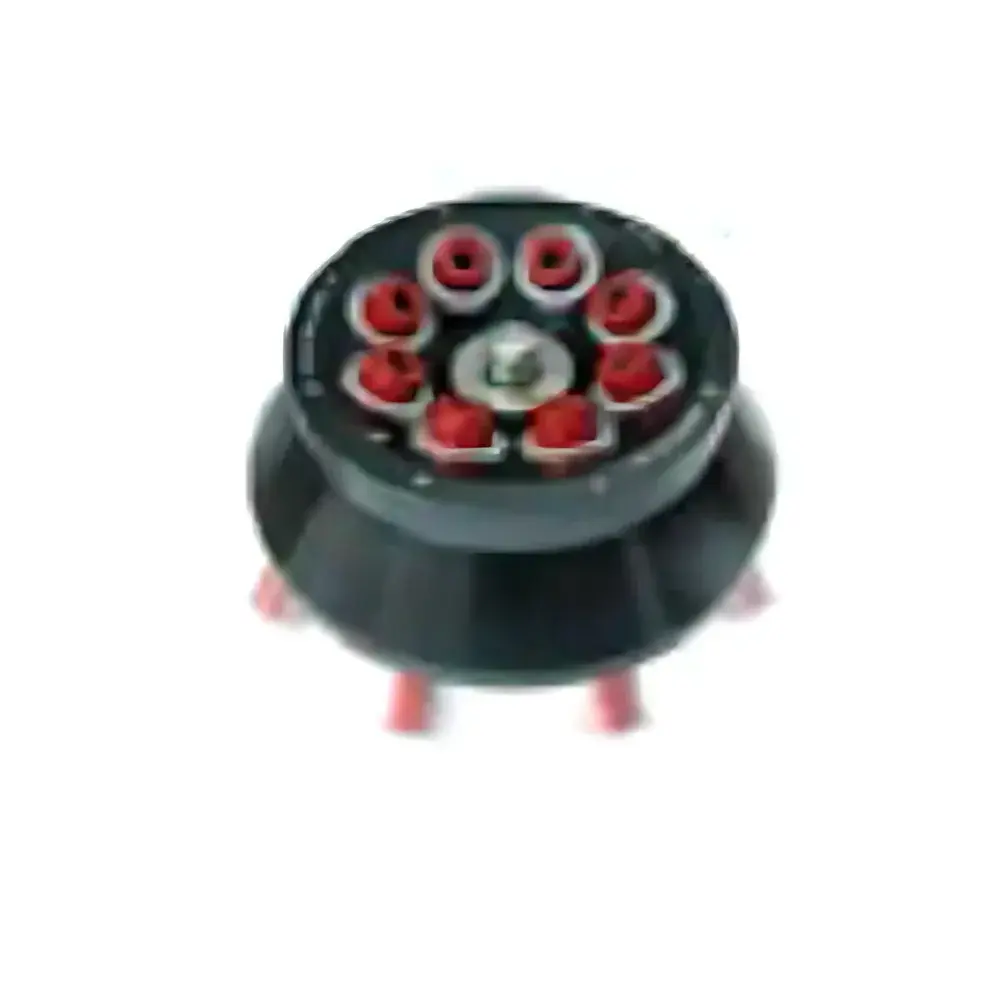
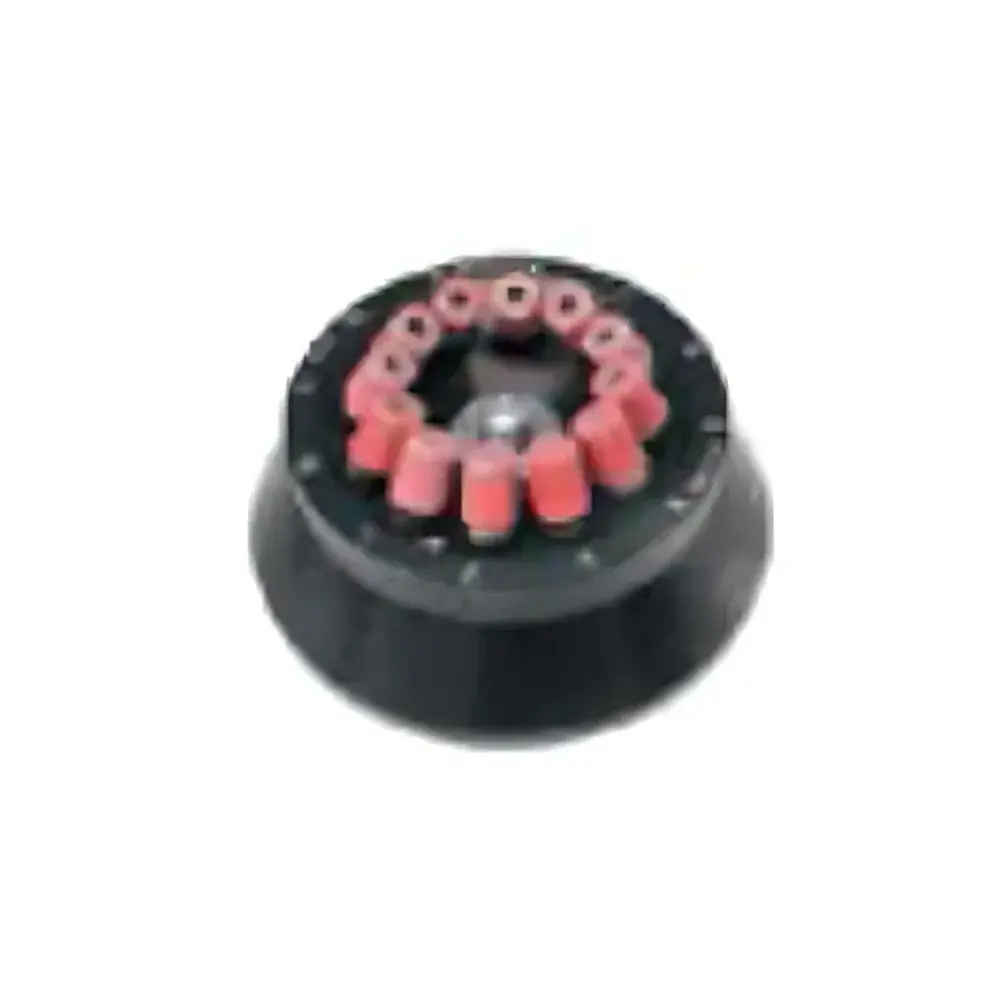
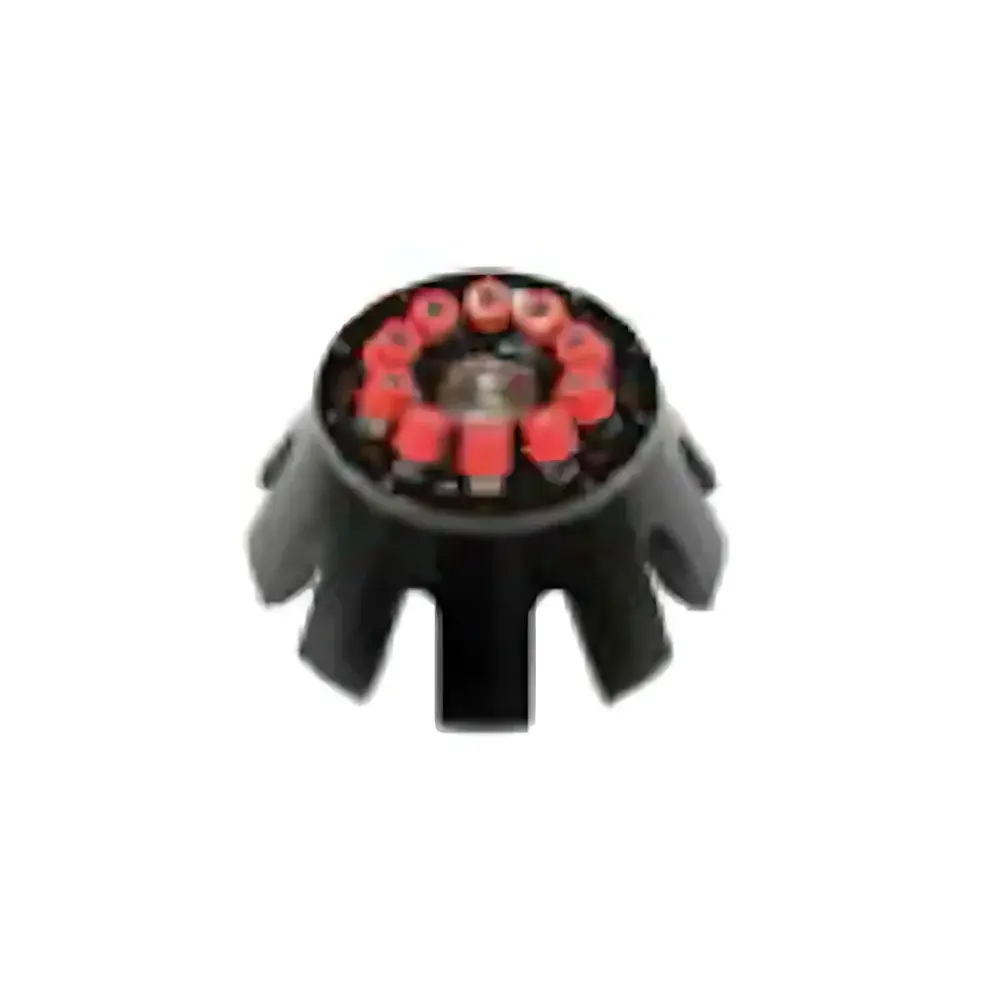
| Rotor Configuration | Fixed-angle rotor (standard 8 × 15 mL), interchangeable rotor compatibility |
| Dimensions (W×D×H) | 270 × 380 × 270 mm |
| Net Weight | 16 kg |
| Power Supply | 220–230 V / 50–60 Hz (CE202) or 110–120 V / 50–60 Hz (CE203) |
| Power Consumption | 280 W |
| Noise Level | <60 dB(A) |
| Safety Compliance | EN 61010-1, EN 61010-2-101, EN 61010-2-020, EN 61326-1, EN 61326-2-6 |
| Regulatory Directives | 2011/65/EU (RoHS), 2012/19/EU (WEEE), 2014/30/EU (EMC), 2014/35/EU (LVD), 98/79/EC (IVDD) |
Overview
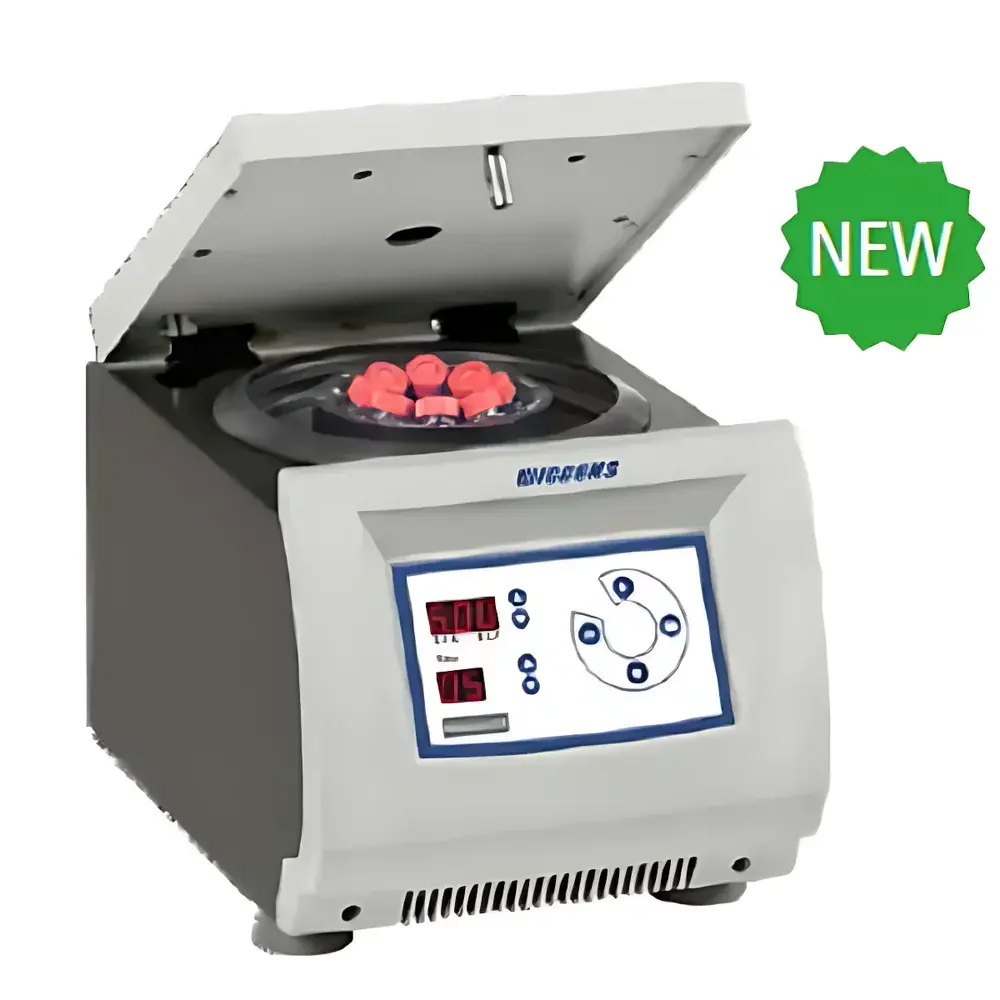
The Analysis MICROCEN 24 is a compact, microprocessor-controlled benchtop centrifuge engineered for routine separation tasks in clinical diagnostics, molecular biology, and quality control laboratories. It operates on the principle of sedimentation under controlled rotational acceleration—generating reproducible relative centrifugal force (RCF) to separate suspended particles based on size, density, and shape within liquid media. Designed for laboratories prioritizing space efficiency without compromising operational reliability, the MICROCEN 24 delivers precise speed and time control across a broad operational envelope (0–8,000 rpm; 0–6,511 × g), supporting standardized protocols for cell pelleting, serum/plasma separation, nucleic acid precipitation, and reagent clarification. Its robust stainless-steel chamber, brushless induction motor, and thermally managed enclosure ensure stable performance during extended operation cycles—critical for labs adhering to GLP-compliant workflows.
Key Features
- Intuitive LED display showing real-time RPM, RCF, and countdown timer with 1-second resolution
- Programmable speed increments: 50 rpm or 10 × g steps for fine-tuned method development
- Three-stage acceleration/deceleration profiles: “Fast”, “Soft”, and “Free” (coast-down) to protect sensitive samples and extend rotor lifespan
- Automatic lid locking mechanism with motorized engagement, emergency mechanical release, and drop-protection design
- Integrated imbalance detection system that halts operation upon detecting mass asymmetry exceeding safe thresholds
- Brushless induction motor requiring no carbon brushes or routine lubrication—ensuring long-term stability and low maintenance overhead
- Memory retention of last-used parameters (speed, time, rotor ID) across power cycles
- Programmable auto-lid opening post-run, configurable via front-panel controls
- Forced-air ventilation system minimizing temperature rise in the rotor chamber during prolonged runs
- Energy-saving automatic power disconnect after idle timeout, with user-selectable deactivation option
Sample Compatibility & Compliance
The MICROCEN 24 accommodates up to ten 15 mL conical centrifuge tubes (e.g., Falcon-style) using its standard fixed-angle rotor (8-position, 15 mL capacity). Optional rotors—including swing-bucket and PCR-strip configurations—are mechanically compatible and software-recognized via built-in rotor memory. All rotors and adapters are autoclavable (121 °C, 20 min, saturated steam), enabling full sterilization between biosafety-level 2 (BSL-2) applications. The centrifuge chamber is constructed from electropolished stainless steel (AISI 304), facilitating rapid decontamination and resistance to chemical corrosion from common laboratory solvents and disinfectants. Compliance with EN 61010-1 (safety requirements for electrical equipment) and EN 61010-2-020 (particular safety requirements for centrifuges) ensures suitability for ISO/IEC 17025-accredited testing environments. Regulatory alignment with EU directives—including RoHS (2011/65/EU), WEEE (2012/19/EU), EMC (2014/30/EU), LVD (2014/35/EU), and IVDD (98/79/EC)—supports deployment in CE-marked diagnostic and research settings.
Software & Data Management
While the MICROCEN 24 operates as a standalone instrument without external PC connectivity, its embedded firmware supports audit-ready operational integrity. All parameter inputs (RPM, RCF, time) are stored in non-volatile memory with timestamp-independent retention. The microprocessor logs rotor identification data upon insertion, cross-referencing against preloaded specifications to prevent overspeed conditions—a foundational safeguard aligned with FDA 21 CFR Part 11 principles for traceability. Though not networked, the device’s deterministic behavior, repeatable calibration checks via lid port access, and hardware-enforced safety interlocks satisfy essential data integrity criteria for regulated QC/QA laboratories operating under GMP or GLP frameworks.
Applications
- Routine blood sample processing: serum and plasma isolation from whole blood (EDTA, heparin, citrate tubes)
- Molecular biology workflows: pelleting bacterial cells, precipitating DNA/RNA, clarifying lysates prior to electrophoresis or column purification
- Pharmaceutical QC: particulate matter removal from injectables, excipient suspension homogenization verification
- Environmental microbiology: concentration of waterborne pathogens (e.g., Legionella, Giardia cysts) from large-volume filtrates
- Veterinary diagnostics: separation of whole blood components in point-of-care clinics with limited footprint
- Educational laboratories: teaching centrifugation fundamentals with intuitive interface and fail-safe operation
FAQ
What is the maximum RCF achievable with the standard rotor?
The MICROCEN 24 achieves a maximum RCF of 6,511 × g at 8,000 rpm when using the standard 8-position fixed-angle rotor loaded with 15 mL conical tubes.
Can I autoclave the rotor and adapters?
Yes—both the aluminum alloy rotor and all supplied tube adapters are rated for steam sterilization at 121 °C for 20 minutes under saturated pressure conditions.
Does the device support regulatory compliance for GMP environments?
While not equipped with electronic audit trails or networked data export, its hardware-enforced safety logic, deterministic parameter recall, and adherence to EN 61010-2-020 make it suitable for use in GMP-aligned QC labs where physical process controls are documented and validated.
Is rotor recognition automatic?
Yes—the control system identifies installed rotors via mechanical coding and enforces speed limits based on preloaded rotor-specific maximum ratings.
What safety certifications does the MICROCEN 24 hold?
It carries full CE marking per applicable EU directives and complies with EN 61010-1 (general safety), EN 61010-2-101 (particular requirements for lab equipment), and EN 61010-2-020 (centrifuge-specific safety standards).



