
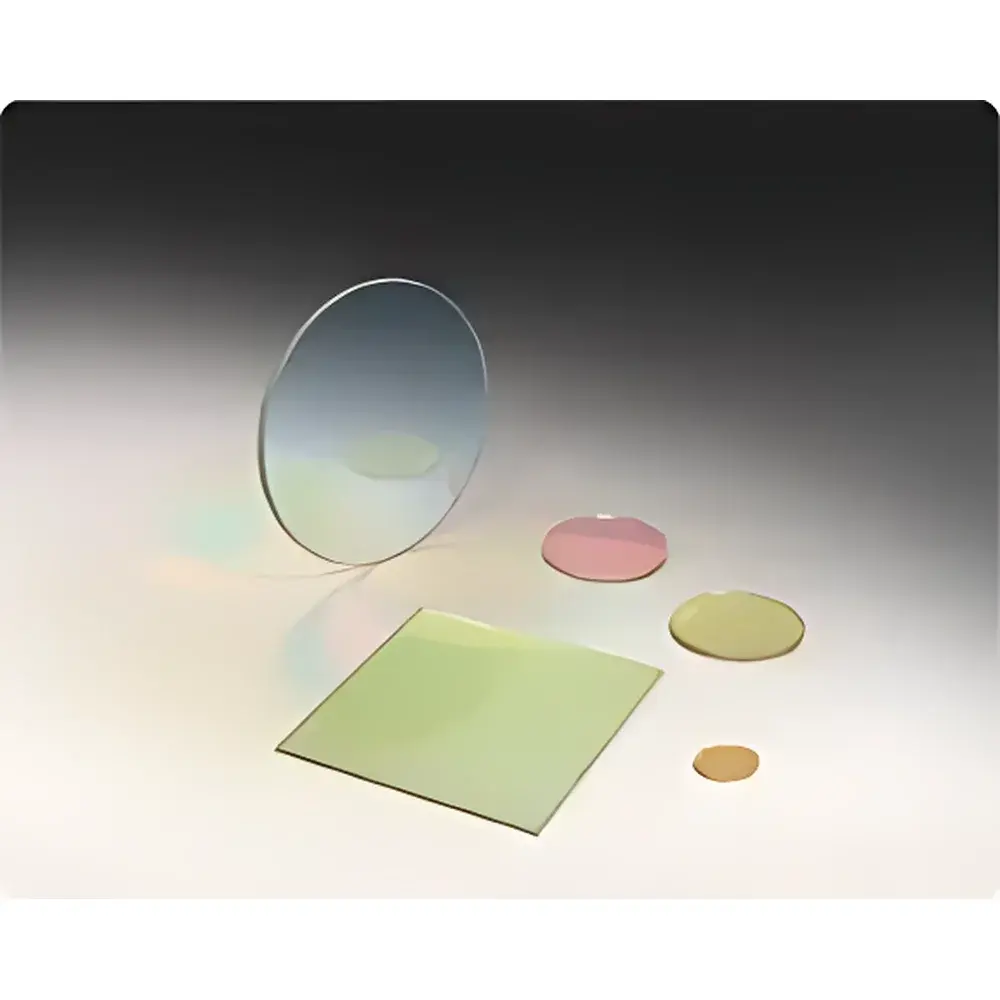
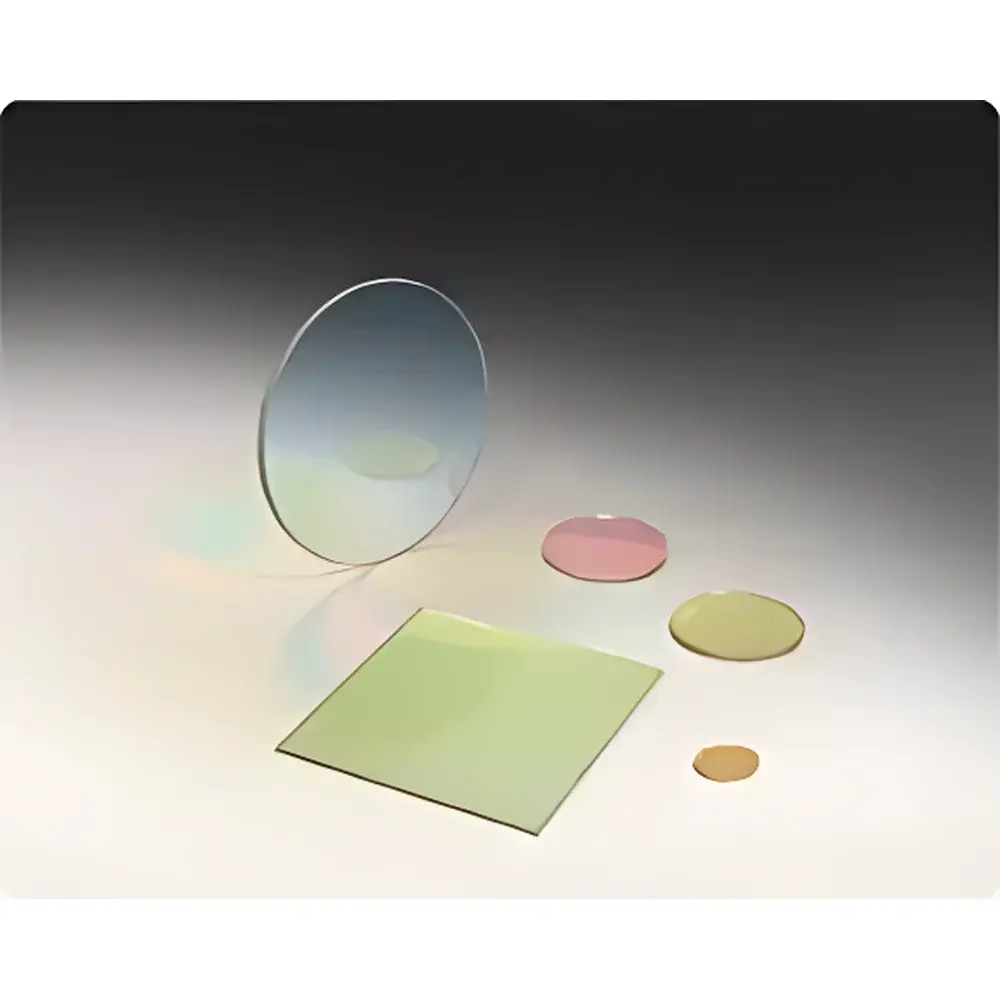
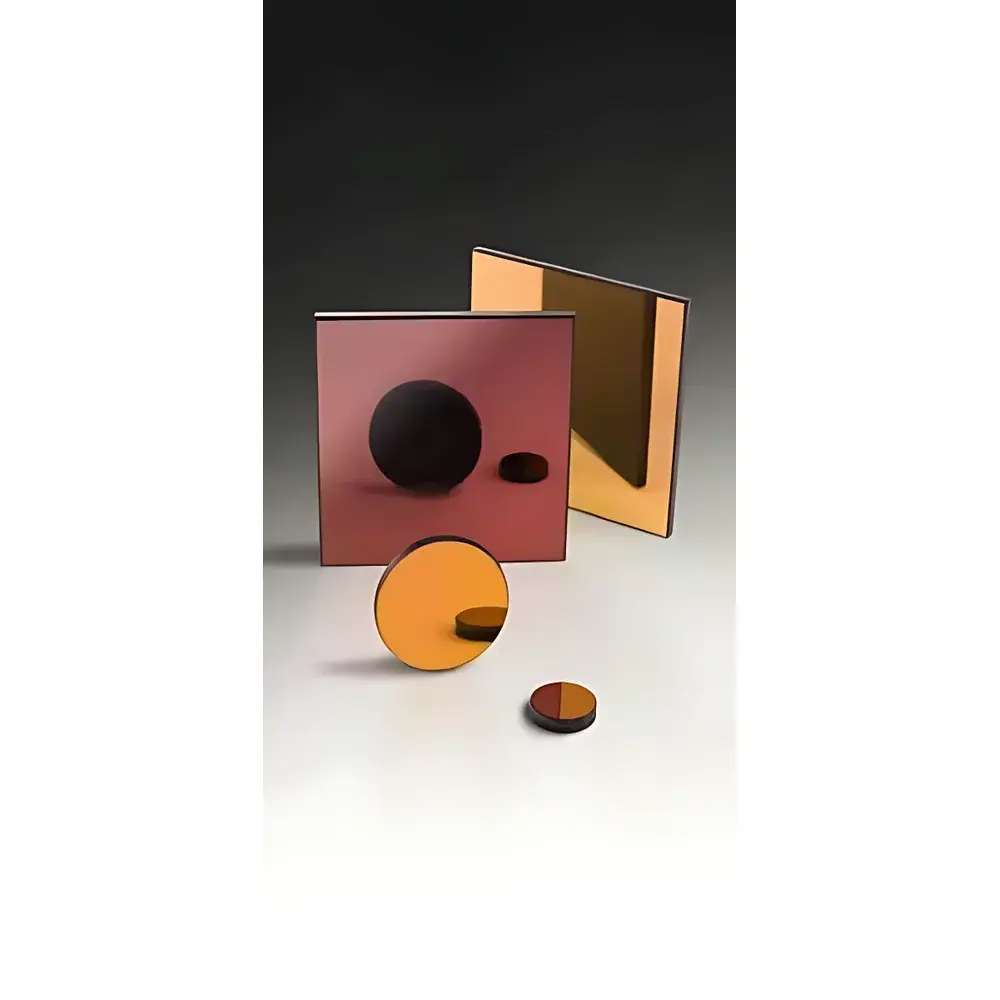
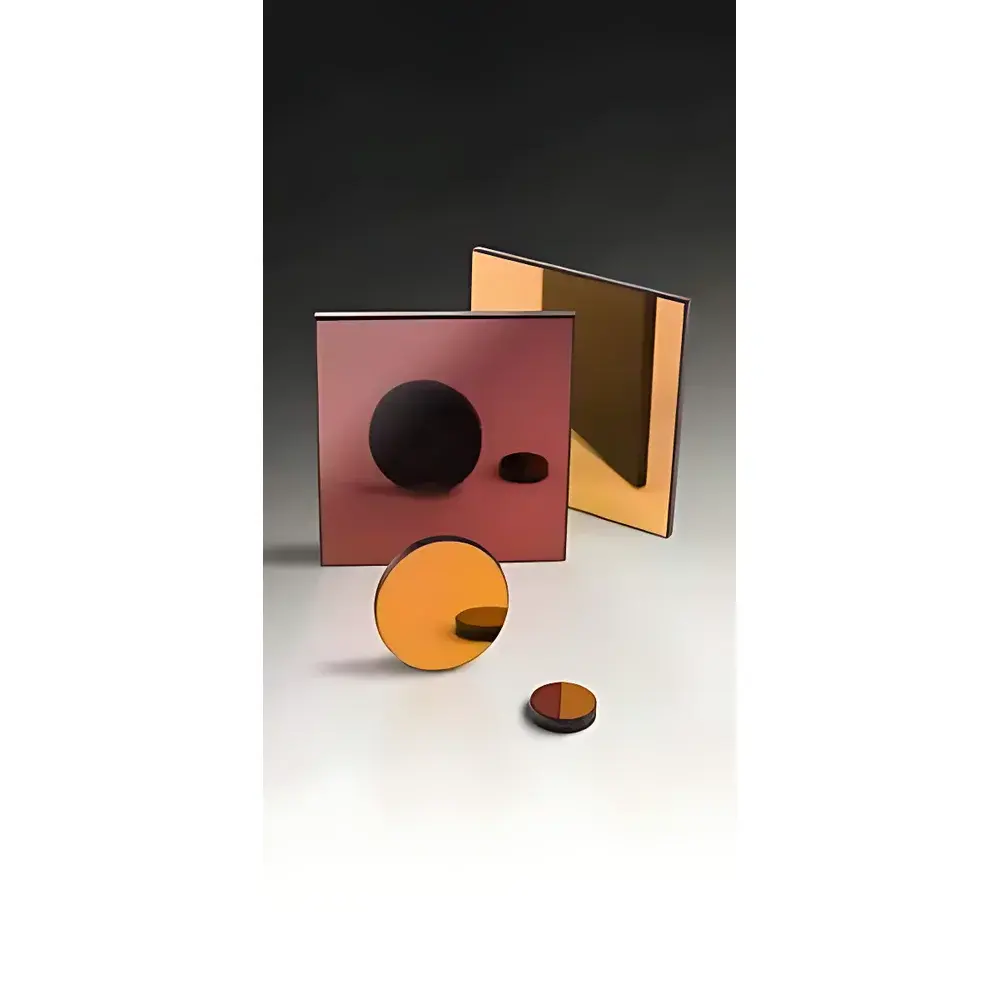
Andover Edge Filters – High-Pass and Low-Pass Optical Interference Filters
| Brand | Andover |
|---|---|
| Origin | USA |
| Filter Type | Edge Filter (High-Pass / Low-Pass) |
| Construction | Multi-layer dielectric thin-film coating on optical substrate |
| Design Principle | Quarter-wave interference stack |
| Mounting Option | Available unmounted or mounted in threaded rings (standard metric and imperial threads per Andover catalog p.60) |
| Compliance | Designed for laboratory-grade optical systems requiring high transmission, steep edge transition, and environmental stability |
| Cleaning Compatibility | Compatible with standard optical cleaning protocols (e.g., lint-free wipes, spectroscopic-grade solvents) |
Overview
Andover Edge Filters are precision-engineered dielectric interference filters designed for spectral separation in demanding optical instrumentation and research applications. Operating on the principle of constructive and destructive interference within a quarter-wave multilayer thin-film stack, these filters provide sharp spectral transitions between passband and blocking regions—distinct from absorptive filters that rely on material absorption. High-pass (HPF, also designated LWP — Long-Wavelength Pass) and low-pass (LPF, also designated SWP — Short-Wavelength Pass) variants are fabricated using ion-assisted electron-beam deposition to ensure layer uniformity, adhesion, and long-term stability. The cutoff wavelength is defined at 50% transmission (T50) and exhibits predictable angular dependence: as angle of incidence increases from 0°, the cutoff shifts toward shorter wavelengths (blue shift) for high-pass filters and longer wavelengths (red shift) for low-pass filters—a behavior leveraged in tunable spectral alignment and multi-angle filter wheel configurations.
Key Features
- Precision dielectric coatings deposited via ion-assisted e-beam evaporation for exceptional layer density, low scatter, and high laser damage threshold (LDT > 500 mJ/cm² @ 1064 nm, 10 ns pulse)
- Steep edge transition: typical Δλ (10%–90% transmission) < 1.5% of T50 wavelength across UV-VIS-NIR ranges (250–1800 nm)
- High average transmission (>90%) in designated passband; optical density (OD) ≥6 in blocking region beyond cutoff
- Substrate options include fused silica (UV-grade), BK7, and CaF2, selected based on spectral range and thermal expansion requirements
- Available unmounted (standard thickness 3.0 mm ±0.1 mm) or factory-mounted in precision-threaded aluminum rings (M25.5×0.75, M30.5×0.75, 1.000″-40 UNF, among others per Andover Catalog p.60)
- Surface quality: 20–10 scratch-dig per MIL-PRF-13830B; parallelism < 3 arcsec; wavefront distortion < λ/4 @ 633 nm
Sample Compatibility & Compliance
Andover Edge Filters are compatible with collimated or convergent beams up to f/2, provided incident angles remain within ±5° of design specification to maintain spectral fidelity. They are routinely integrated into fluorescence microscopes, Raman spectrometers, hyperspectral imaging systems, and laser safety enclosures. All filters comply with ISO 9001-certified manufacturing processes and meet RoHS Directive 2011/65/EU for hazardous substance restrictions. Coating durability conforms to MIL-C-48497A for abrasion resistance and humidity exposure (95% RH, 40°C, 240 hrs). No outgassing is observed under vacuum conditions (<10−6 Torr), making them suitable for space-qualified optical payloads and UHV-compatible instrumentation.
Software & Data Management
While inherently passive optical components, Andover Edge Filters support full traceability in regulated environments. Each filter batch is assigned a unique serial number linked to spectral measurement reports (including full T(λ) curves from 200–2000 nm, measured on calibrated PerkinElmer Lambda 1050+ spectrophotometer with 0.05 nm resolution). These reports are archived in accordance with GLP and FDA 21 CFR Part 11-compliant data management systems when supplied through authorized distributors. Spectral performance files (CSV, SDF) are available for integration into Zemax OpticStudio, CODE V, and FRED optical design workflows.
Applications
- Fluorescence lifetime imaging (FLIM): isolating emission bands while rejecting excitation leakage
- Raman spectroscopy: suppressing Rayleigh scatter with notch-edge combinations
- Solar simulation and photovoltaic testing: defining AM1.5G spectral sub-bands
- Gas sensing (NDIR): selecting narrow absorption lines of CO2, CH4, or NOx
- Laser line cleanup: removing amplified spontaneous emission (ASE) in DPSS and fiber lasers
- Astronomical instrumentation: order-sorting in echelle spectrographs and adaptive optics wavefront sensors
FAQ
What is the typical shift in cutoff wavelength per degree of angle of incidence?
For a nominal 532 nm high-pass filter, the cutoff shifts approximately −0.25 nm per degree increase in angle of incidence (AOI) from normal incidence.
Can these filters be cleaned with acetone or isopropanol?
Yes—coatings are chemically stable to spectroscopic-grade isopropanol and methanol; acetone is not recommended for prolonged contact due to potential ring-stain formation on aluminum mounts.
Do you offer custom edge slopes or non-standard cutoff wavelengths?
Yes—custom designs are available with minimum order quantities; lead time typically 8–12 weeks for qualification and spectral verification.
Are these filters suitable for ultrafast laser applications?
Standard versions are optimized for CW and nanosecond pulses; femtosecond applications require dispersion-compensated designs—contact engineering support for GDD specifications.
Is mounting hardware included by default?
No—threaded ring mounting is optional and specified at time of order; unmounted filters ship with protective lens paper and rigid foam packaging.




