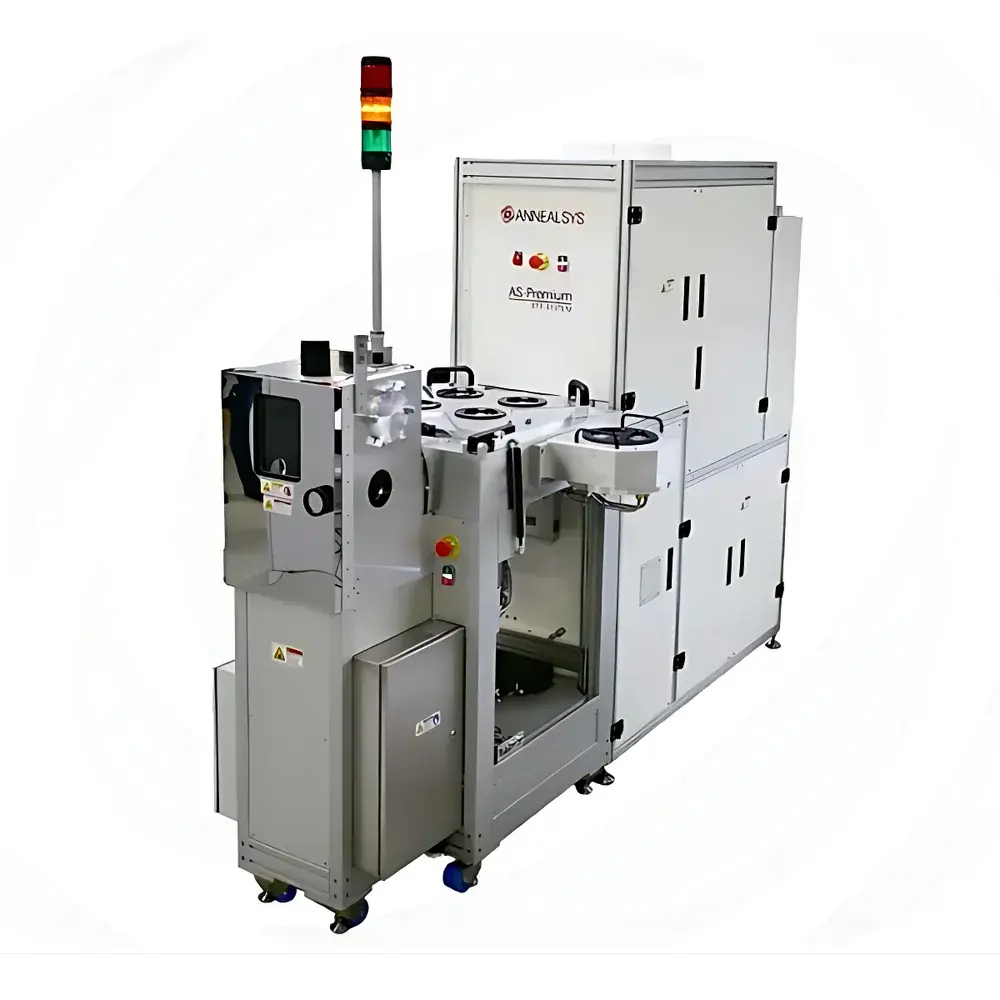
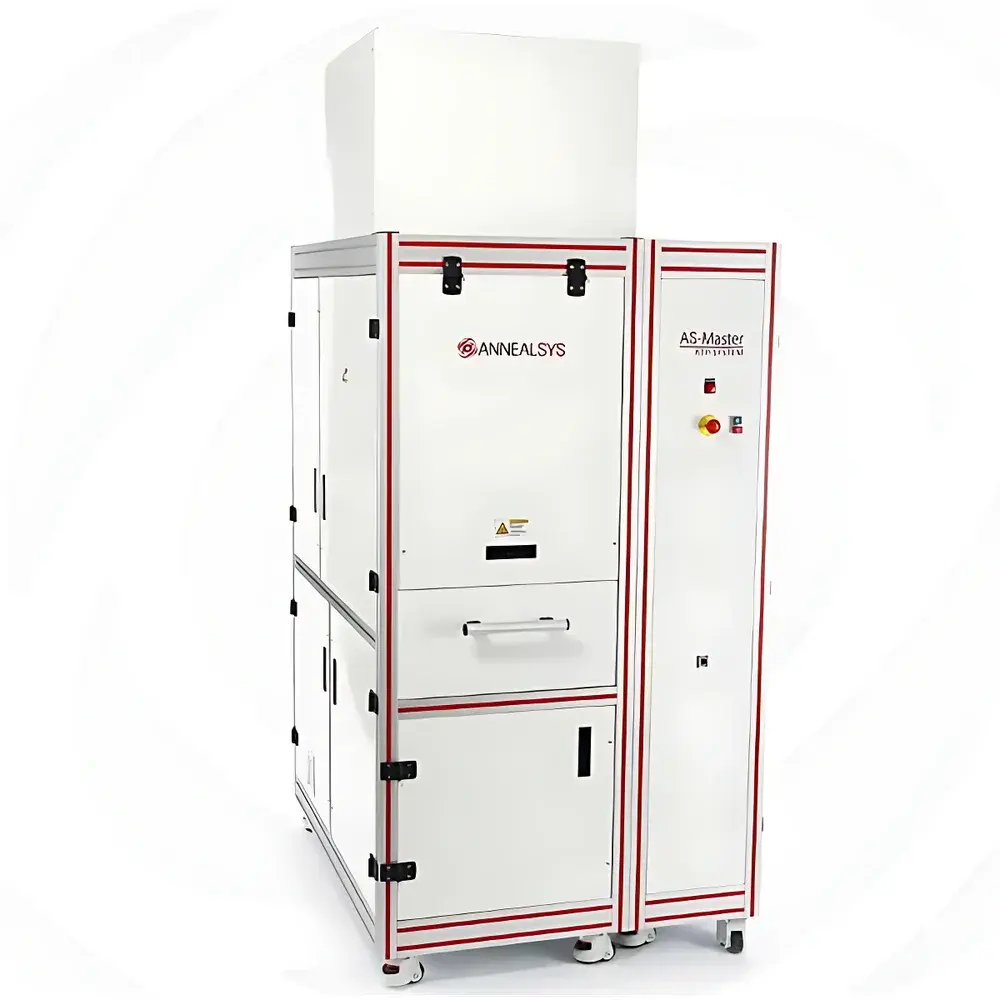
Annealsys RTP/RTCVD & DLI-CVD/DLI-ALD Thermal Processing Systems
| Brand | Annealsys |
|---|---|
| Origin | France |
| Model Series | RTP/RTCVD, DLI-CVD, DLI-ALD |
| Temperature Range | 0–2000 °C |
| Max. Ramp Rate | 250 °C/s |
| Cool-down Rate | 250 °C/s |
| Vacuum Capability | Down to 10⁻⁶ Torr |
| Heating Technology | Halogen Lamp (RTP), Tungsten Heater (Zenith), Dual-Side IR (AS-Premium) |
| Chamber Type | Cold-wall stainless steel or quartz tube |
| Substrate Compatibility | 2″ to 200 mm wafers, custom substrates, compound semiconductors |
| Compliance | Designed for GLP/GMP-aligned labs |
Overview
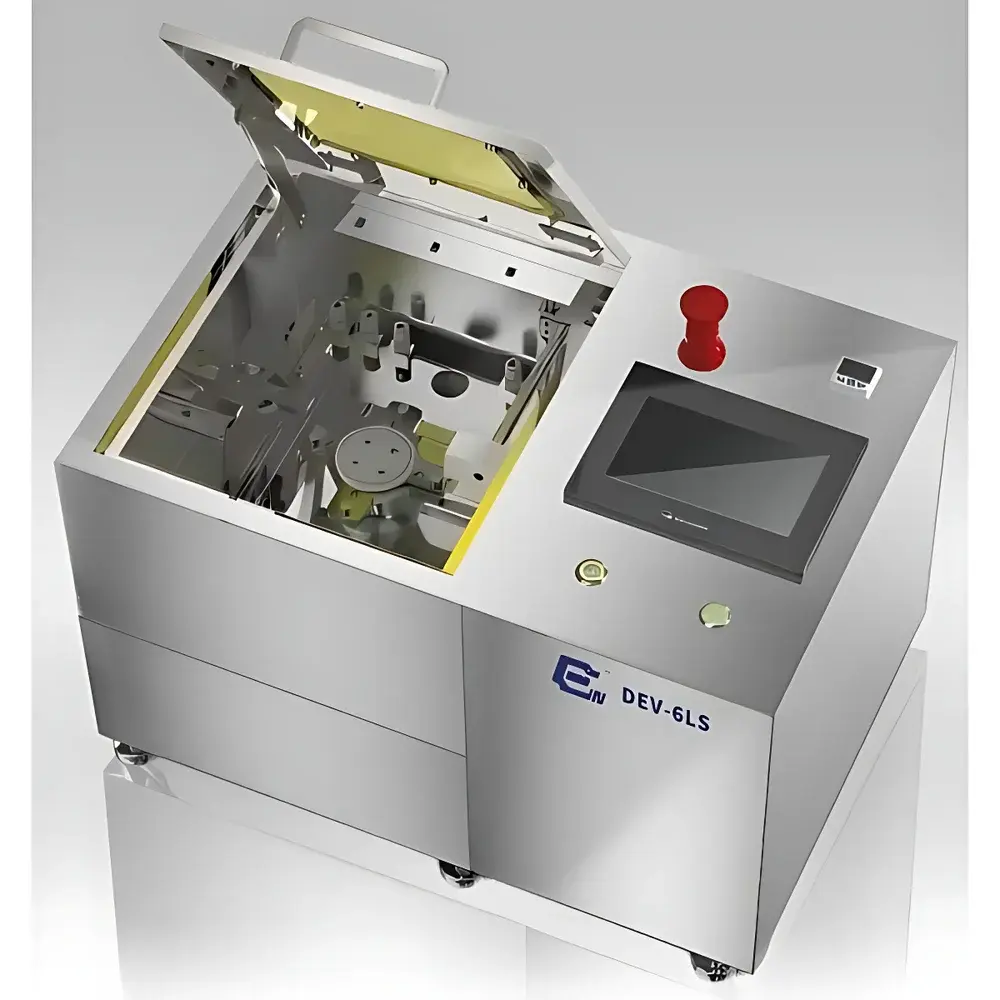
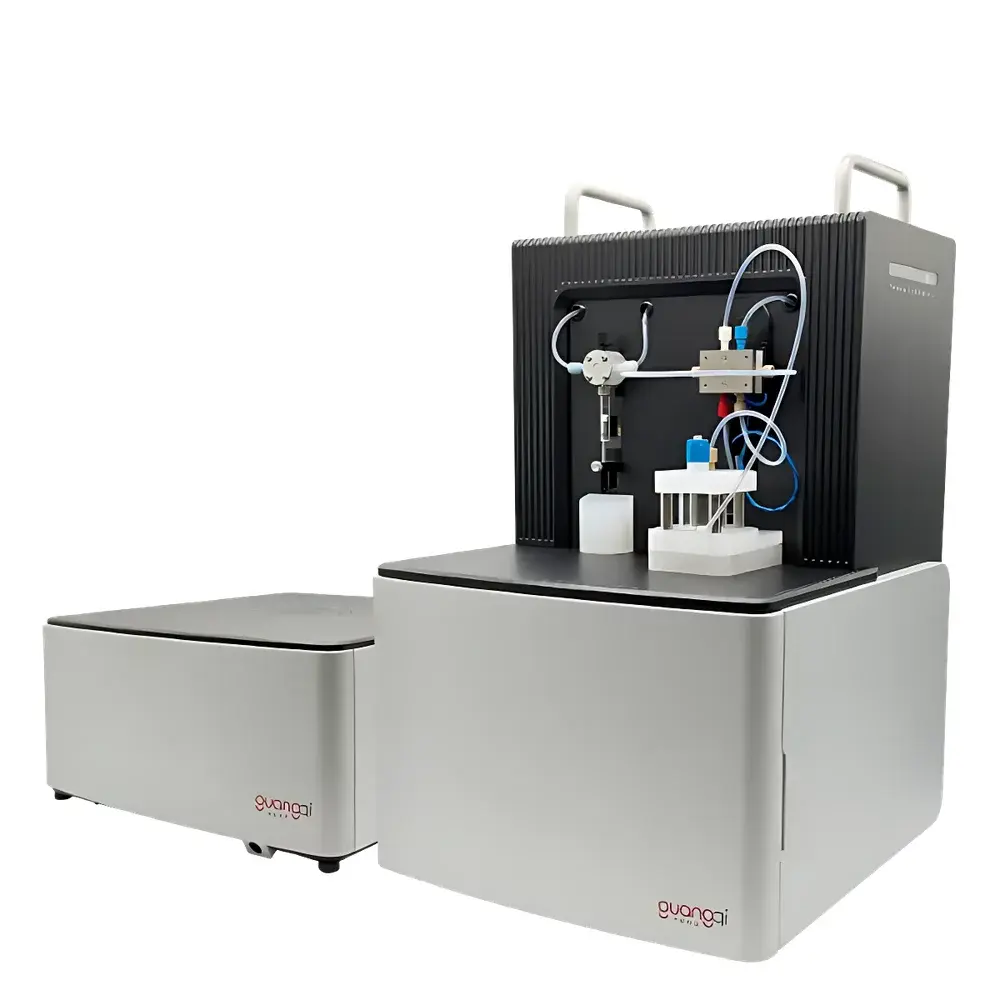
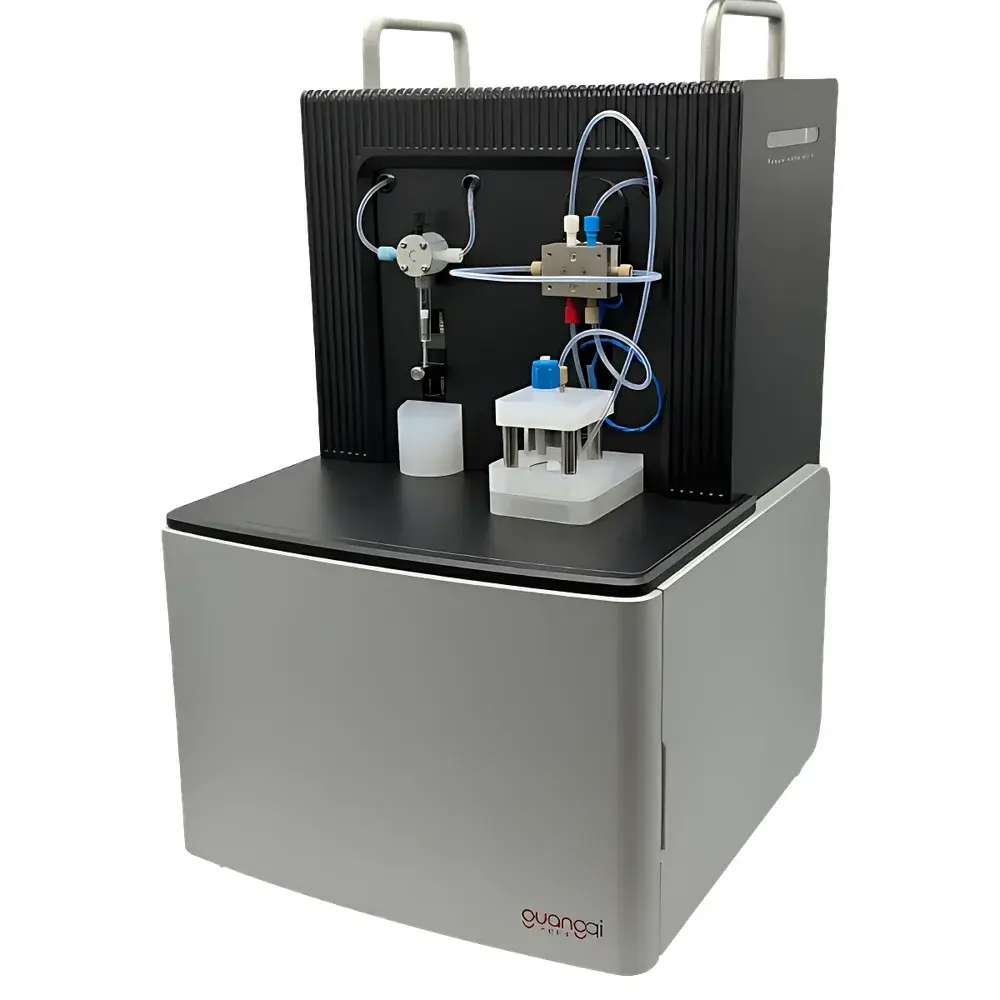
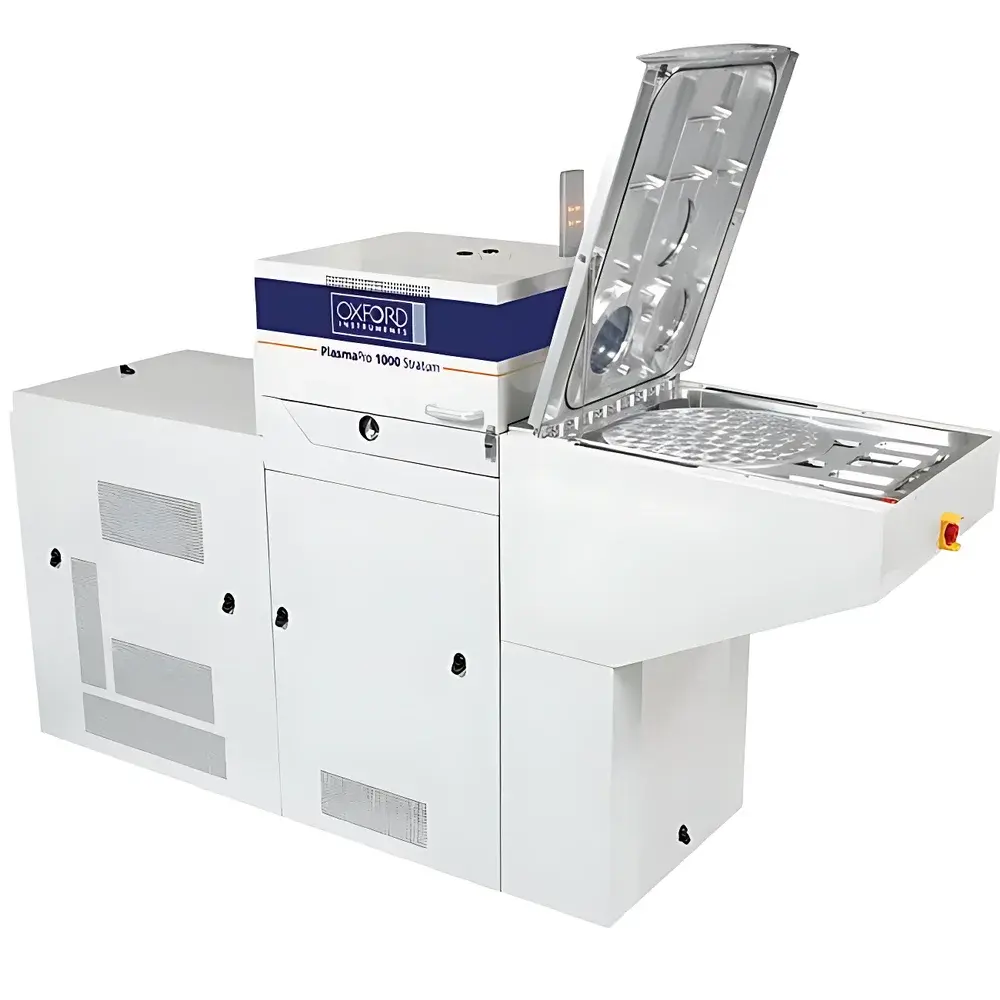
Annealsys RTP/RTCVD & DLI-CVD/DLI-ALD systems are high-precision, modular thermal processing platforms engineered for rapid, repeatable, and contamination-controlled material treatment in semiconductor R&D, nanotechnology, and advanced materials laboratories. These instruments operate on two complementary physical principles: rapid thermal processing (RTP) via intense broadband infrared radiation from halogen or tungsten filament lamps, and controlled chemical vapor delivery enabled by direct liquid injection (DLI) technology for CVD and atomic layer deposition (ALD). The RTP architecture employs cold-wall chamber design—stainless steel or quartz—with water-cooled outer walls and precisely focused radiant heating, minimizing thermal mass and enabling sub-second temperature transients. DLI subsystems integrate piezoelectric-driven microdispensers, heated vaporization zones, and real-time mass flow control to deliver volatile and non-volatile precursors with stoichiometric accuracy and minimal decomposition—critical for oxide, nitride, sulfide, and 2D material synthesis (e.g., graphene, h-BN, MoS₂). All systems support programmable multi-zone thermal profiles, inert/vacuum/reducing/oxidizing atmospheres, and seamless integration into cluster tools or glovebox environments.
Key Features
- Cold-wall stainless steel or fused quartz reaction chambers optimized for low thermal inertia, high vacuum integrity (≤10⁻⁶ Torr), and ultra-low memory effect
- Programmable ramp rates up to 250 °C/s and symmetric cooling rates of 250 °C/s across full operating range (ambient to 2000 °C)
- Dual-sensor temperature monitoring standard: calibrated optical pyrometer (0.5–2.2 µm spectral band) + grounded thermocouple (Type C or B), with real-time cross-validation
- Advanced digital PID controllers delivering ±1 °C thermal stability and repeatability over extended dwell times (up to 60 min at 2000 °C in Zenith series)
- DLI-CVD/DLI-ALD modules featuring temperature-controlled liquid precursor lines, flash-vaporization nozzles (≥350 °C), and pulsed or continuous delivery modes with <5 ms temporal resolution
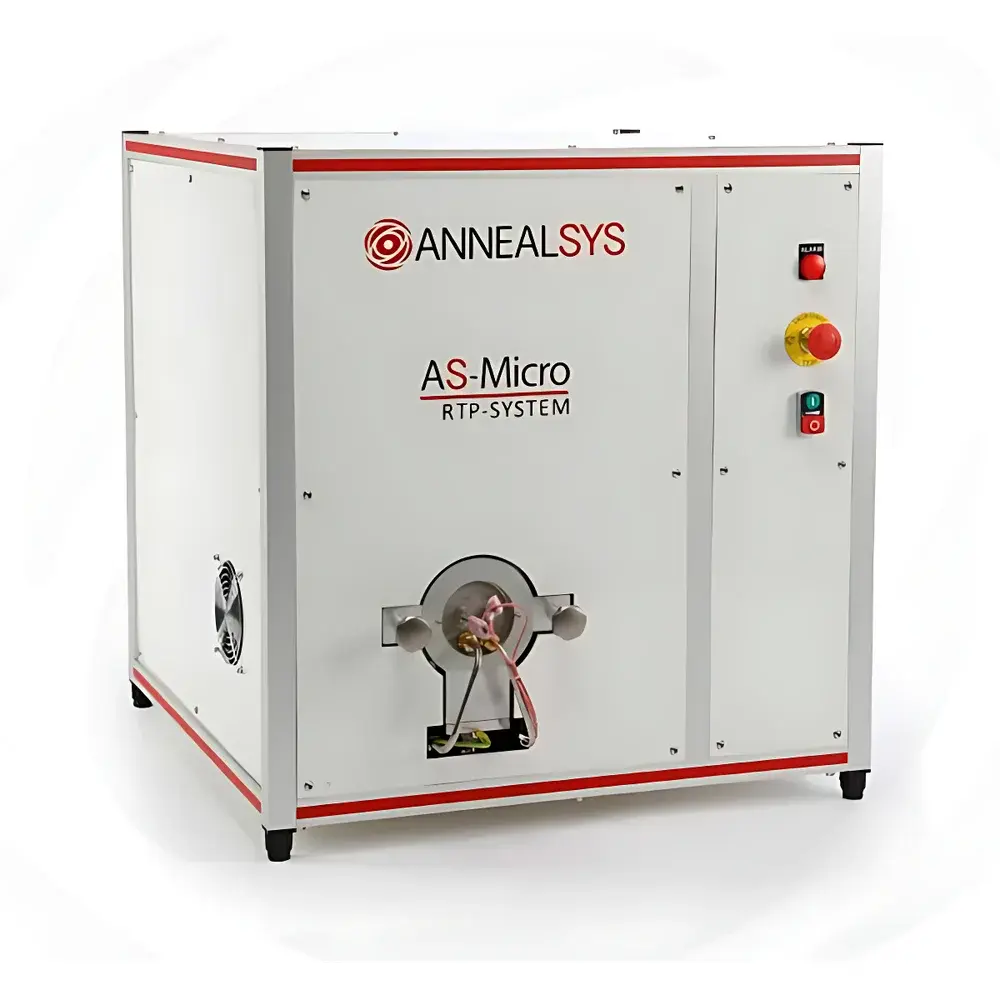
- Modular footprint options: benchtop (JetLight, AS-Micro), floor-standing (AS-One, AS-Premium), and production-integrated (AS-Master with cassette-to-cassette loading)
- Glovebox and load-lock compatibility for oxygen/moisture-sensitive processes (e.g., SiC annealing, GaN regrowth, ALD of Li-based cathodes)
Sample Compatibility & Compliance
These systems accommodate substrates from <2 mm² research coupons to 200 mm (8″) wafers—including Si, SiC, GaN, sapphire, quartz, glass, metal foils, and flexible polymer films. Custom chucks with SiC or graphite coatings enable uniform heating of low-absorptivity substrates (e.g., transparent conductive oxides). All models comply with international safety standards (IEC 61000-6-3, CE, UL 61010-1) and are designed for operation in ISO Class 5 cleanrooms. Process documentation meets GLP requirements, and optional software packages provide electronic signatures, change logs, and 21 CFR Part 11–compliant audit trails for regulated environments. Chamber materials and gasketing are selected per ASTM F2291 for semiconductor tool compatibility, and gas delivery paths conform to SEMI F57 purity specifications.
Software & Data Management
Annealsys ControlSuite™ is a Windows-based, deterministic real-time operating system supporting synchronized control of temperature, gas flows, pressure, lamp power, and DLI pulse timing. It includes built-in recipe management with version control, parameter locking for SOP enforcement, and export of time-stamped CSV/Excel datasets with full metadata (sensor IDs, calibration dates, atmospheric conditions). The software supports automated PID auto-tuning, thermal map logging (via multi-point pyrometry), and integration with LabVIEW™ and Python APIs for custom automation. Optional cloud-connected telemetry enables remote diagnostics, predictive maintenance alerts, and centralized fleet monitoring across multi-site facilities—all without compromising data sovereignty or network isolation requirements.
Applications
- Semiconductor fabrication: Ion implant activation (RTA), ohmic contact formation (Ti/Al/NiSi), silicide phase transformation, rapid thermal oxidation (RTO), and RTCVD of graphene/h-BN on Cu/Ni foils
- Photovoltaics: Se vapor-phase annealing for CIGS absorber layers, dopant drive-in for PERC passivation stacks, and ZnO:Al nucleation for transparent electrodes
- MEMS & packaging: Low-temperature wafer bonding anneal, stress relief in thin-film piezoelectrics (AlN, PZT), and hermetic seal sintering
- Advanced materials: Phase transition studies in VO₂, crystallization kinetics of IGZO, interfacial reaction analysis in solid-state battery anodes (e.g., Si/C composites), and scalable 2D heterostructure growth (MoS₂/WSe₂ vertical stacks)
- Research validation: In situ ellipsometry coupling, synchrotron XRD-compatible sample stages (Zenith series), and correlative TEM sample preparation via controlled thermal exfoliation
FAQ
What vacuum level can the RTP systems achieve, and what pumping configuration is required for high-temperature operation?
Standard configurations include turbomolecular pumping backed by dry scroll pumps, enabling base pressures ≤10⁻⁶ Torr. For Zenith-series operation above 1800 °C, a dedicated cryo-trapped turbomolecular pump with ≥300 L/s throughput is recommended to maintain hydrocarbon-free environment.
Is DLI-CVD compatible with non-metallic precursors such as tert-butylphosphine or DMHy?
Yes—DLI modules support precursors with boiling points from −33 °C (NH₃) to >200 °C (TDMAT), including air-sensitive and thermally labile compounds, via heated liquid path and flash-vaporization nozzle design.
Can AS-Master systems be qualified for GMP manufacturing environments?
With optional 21 CFR Part 11 software package, IQ/OQ documentation templates, and stainless-steel wetted parts certified to ASTM A276, AS-Master meets baseline requirements for pilot-line process transfer and early-stage manufacturing qualification.
How is temperature uniformity validated across large-area substrates (e.g., 200 mm) in Zenith 200?
Uniformity is characterized using calibrated thermographic mapping with NIST-traceable blackbody references and verified per SEMI PV18—reporting ΔT ≤±5 °C across 150 mm diameter at 1600 °C, and ≤±8 °C at 2000 °C.
Do Annealsys systems support reactive gas chemistries such as O₂, NH₃, or Cl₂ during RTP?
Yes—gas mixing manifolds support up to 4 independent MFC-controlled lines with corrosion-resistant stainless-steel or Hastelloy® internal pathways; oxidizing gases require quartz chamber variants, while chlorine chemistries mandate dedicated quartz or ceramic liners.