
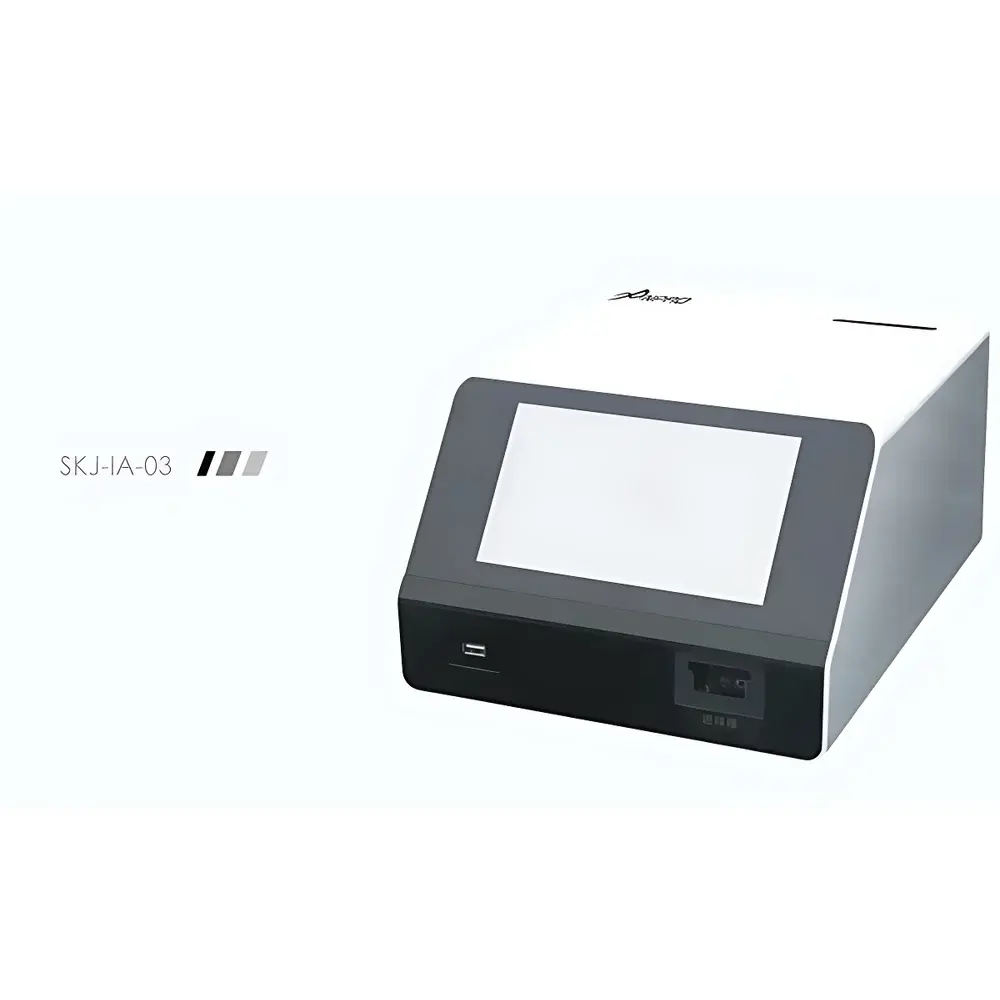
ANPRO APN-C Heavy Metal Rapid Quantitative Detector for Agricultural Products and Vegetables
| Brand | ANPRO |
|---|---|
| Origin | Sichuan, China |
| Manufacturer Type | Direct Manufacturer |
| Region of Manufacture | Domestic (China) |
| Model | APN-C |
| Price | USD 8,400 (approx. based on ¥59,800 at 1 USD = ¥7.1) |
Overview
The ANPRO APN-C Heavy Metal Rapid Quantitative Detector is a field-deployable, immunochromatographic colloidal gold-based analytical instrument engineered for the quantitative determination of cadmium (Cd), lead (Pb), copper (Cu), and chromium (Cr) in agricultural commodities—including fresh vegetables, fruits, cereals, tea, aquatic products, meat, herbs, and feed. Unlike conventional qualitative lateral-flow assays, the APN-C integrates patented colloidal gold stabilization and signal amplification technologies to deliver reproducible, calibration-curve-based quantification directly from sample extracts. Its core measurement principle relies on competitive immunoassay kinetics: target metal ions pre-chelated with specific haptens compete with immobilized hapten conjugates for binding sites on anti-hapten antibodies labeled with colloidal gold nanoparticles. The resulting test line intensity—measured via high-resolution reflectance photometry—is inversely proportional to analyte concentration and converted into quantitative results using pre-loaded, matrix-matched calibration curves. Designed for compliance with routine food safety screening workflows, the APN-C operates within the detection ranges validated for regulatory triage: Cd (0.1–5 mg/kg), Pb (0.2–10 mg/kg), Cu (2–50 mg/kg), and Cr (range inferred per standard method alignment). It does not replace ICP-MS or AAS for confirmatory analysis but serves as a Tier-1 rapid screening tool aligned with FAO/WHO provisional tolerable weekly intake (PTWI) thresholds.
Key Features
- Quantitative multi-analyte detection: Simultaneous readout of Cd, Pb, Cu, and Cr from a single sample extract without reagent switching or hardware modification.
- Pre-calibrated curve architecture: Embedded, lot-specific calibration curves eliminate manual standard preparation and minimize operator exposure to reference standards—supporting occupational safety and GLP-aligned handling.
- Integrated data acquisition system: Built-in GPS module logs geotagged test records; time-stamped results are exportable via USB or Wi-Fi to centralized food safety monitoring platforms (e.g., provincial CDC dashboards, enterprise LIMS).
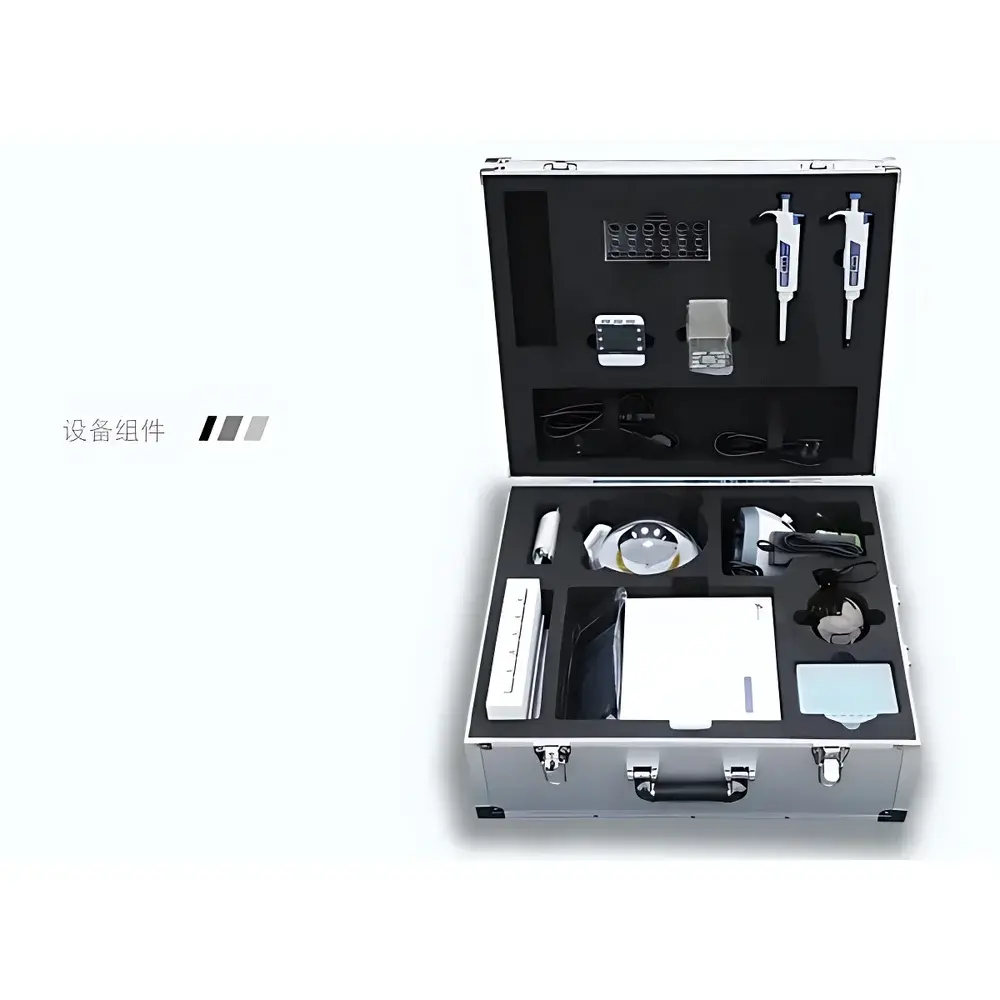
- Field-ready ergonomics: All components—including test strips, extraction reagents, pipettes, and the instrument—fit within a ruggedized carry case (dimensions: 38 × 28 × 16 cm); no external power supply or lab infrastructure required (operates on rechargeable Li-ion battery, >8 hr runtime).
- Regulatory-grade validation: Performance metrics meet minimum criteria outlined in GB 5009.12–2023 (Pb), GB 5009.15–2014 (Cd), and GB 5009.13–2017 (Cu) for rapid screening methods; independently verified by CNAS-accredited laboratories (certification reports available upon request).
Sample Compatibility & Compliance
The APN-C accepts homogenized aqueous extracts prepared from solid matrices using standardized acid leaching (e.g., 0.1 M HNO₃) or enzymatic digestion protocols. Validated sample types include leafy greens (spinach, lettuce), root vegetables (carrots, potatoes), fruits (apples, citrus), cereal grains (rice, wheat flour), dried herbs, and aquaculture tissue. Each assay strip is manufactured under ISO 13485-certified cleanroom conditions and includes internal control lines to verify assay integrity. While not intended for direct environmental water analysis, it supports drinking water and irrigation water testing when paired with EPA Method 200.7-compatible preconcentration. Instrument firmware complies with IEC 61326-1 (EMC for laboratory equipment) and meets CE marking requirements for portable electronic measuring devices.
Software & Data Management
The embedded Android-based OS features a touch-optimized UI with resistive color LCD (4.3″, 480 × 272 px) and on-device thermal printer for immediate hardcopy reporting. Data files (CSV/JSON) include sample ID, operator ID, GPS coordinates, timestamp, measured concentrations, % recovery vs. spiked controls, and pass/fail flags relative to national MRLs (e.g., GB 2762–2022). Audit trails record all user actions—including curve loading, calibration updates, and result edits—with immutable timestamps. Optional cloud synchronization supports 21 CFR Part 11–compliant electronic signatures when deployed with ANPRO’s SecureLink Gateway (sold separately), enabling traceability for GMP-regulated food processors and third-party certification bodies.
Applications
- On-farm and cooperative-level screening prior to harvest or market entry.
- Border inspection and port-of-entry rapid triage for imported produce.
- Quality control in food processing facilities (e.g., juice concentrate plants, dried vegetable factories).
- Surveillance testing by municipal food and drug administration bureaus during seasonal risk periods (e.g., rice-growing regions during monsoon season).
- Educational use in university food science labs for immunoassay methodology training.
FAQ
Does the APN-C require laboratory certification to operate?
No—its design targets non-laboratory personnel; however, operators must complete ANPRO’s 4-hour competency training module to ensure proper sample prep and interpretation.
Can results be used for regulatory enforcement decisions?
Results serve as presumptive evidence for further investigation; confirmatory analysis via ICP-MS or graphite furnace AAS is required for legal action per CNCA guidelines.
How often must calibration curves be updated?
Each batch of test strips includes a unique QR-coded calibration file; curves are auto-loaded upon strip insertion and remain valid for the strip’s shelf life (18 months unopened, 3 months after opening under desiccated storage).
Is cross-reactivity with other metals documented?
Yes—interference studies per ISO 17025 show ≤5% signal deviation for Zn, Ni, and Mn at 10× target concentration; Cr(VI) detection uses a separate reduction step to ensure specificity.
What maintenance is required?
Daily wipe-down of optical sensor window with lint-free cloth; annual factory recalibration recommended; no consumable parts beyond test strips and extraction kits.




