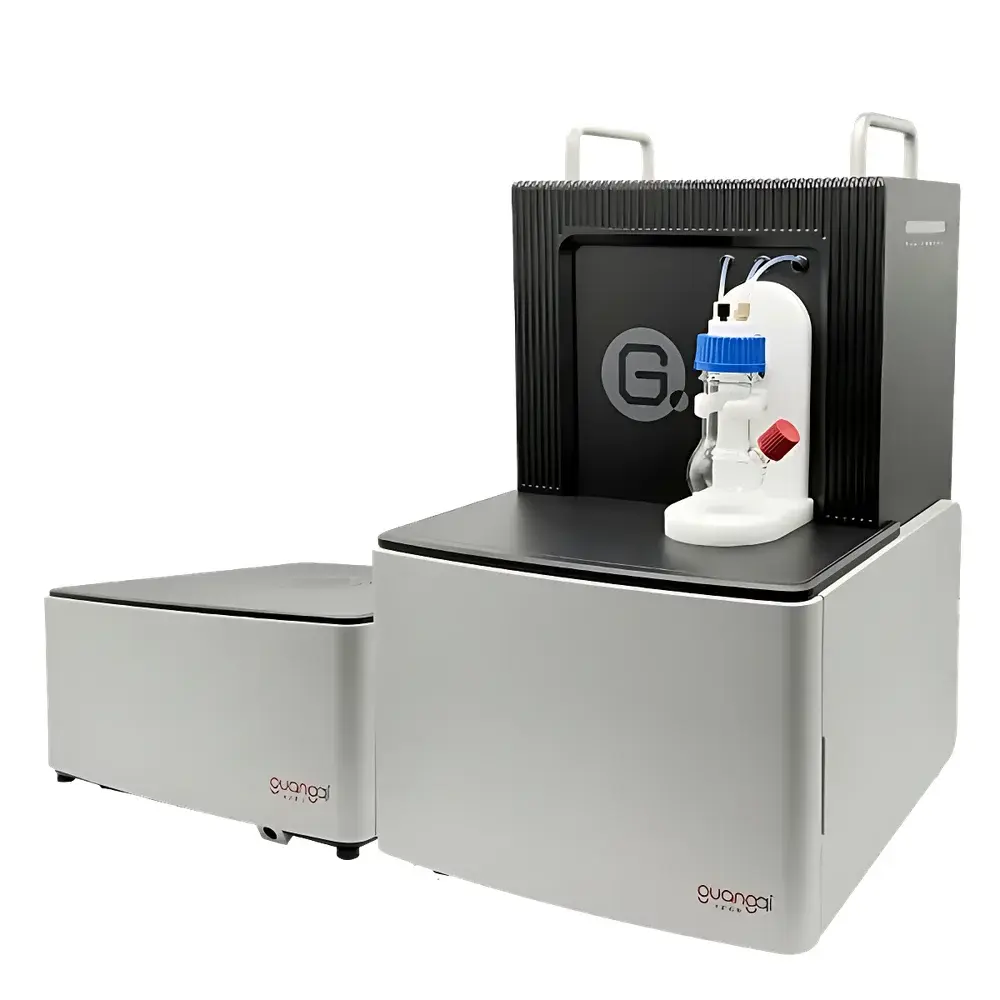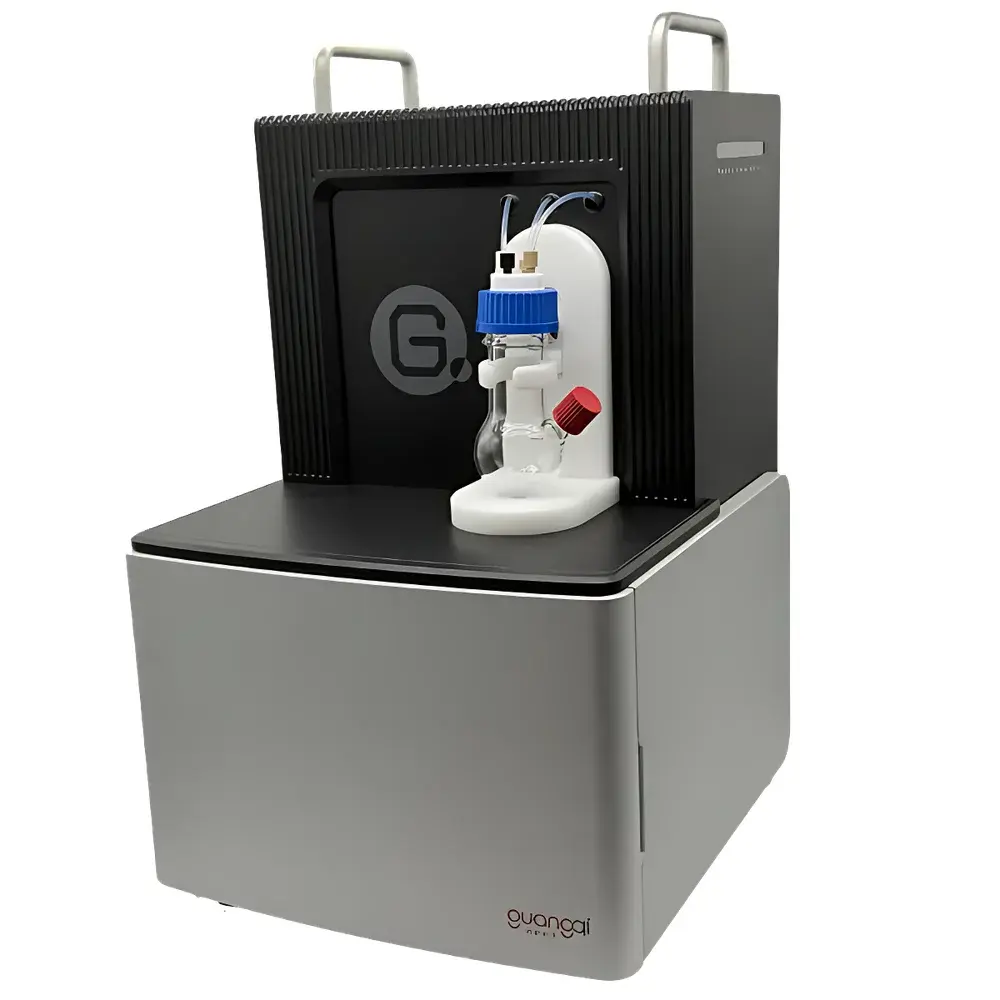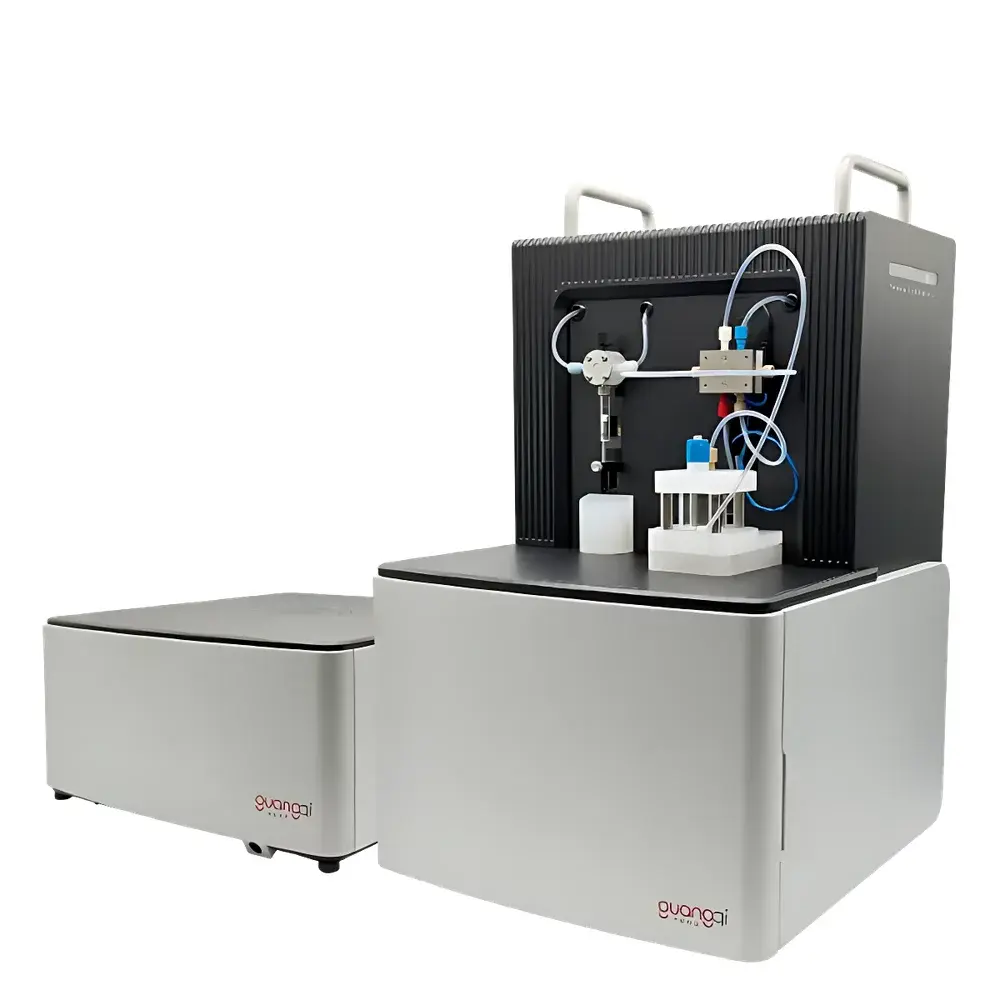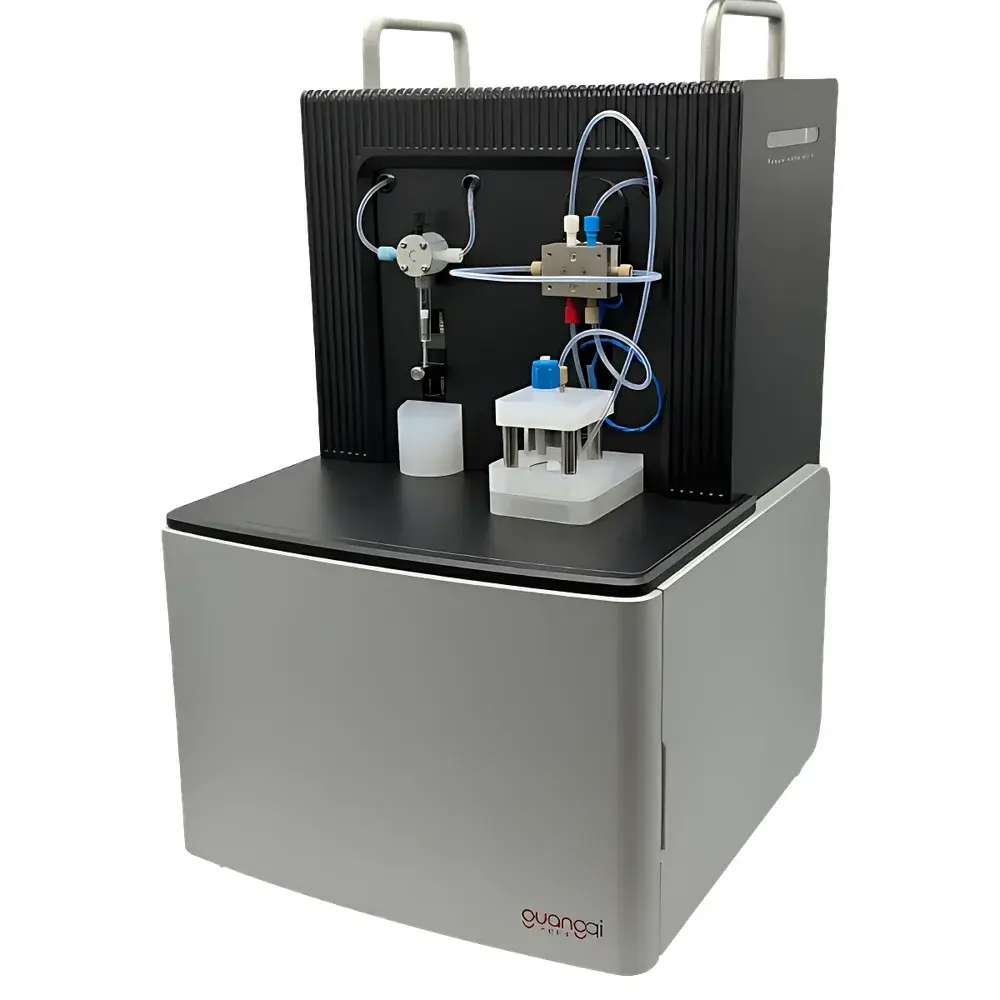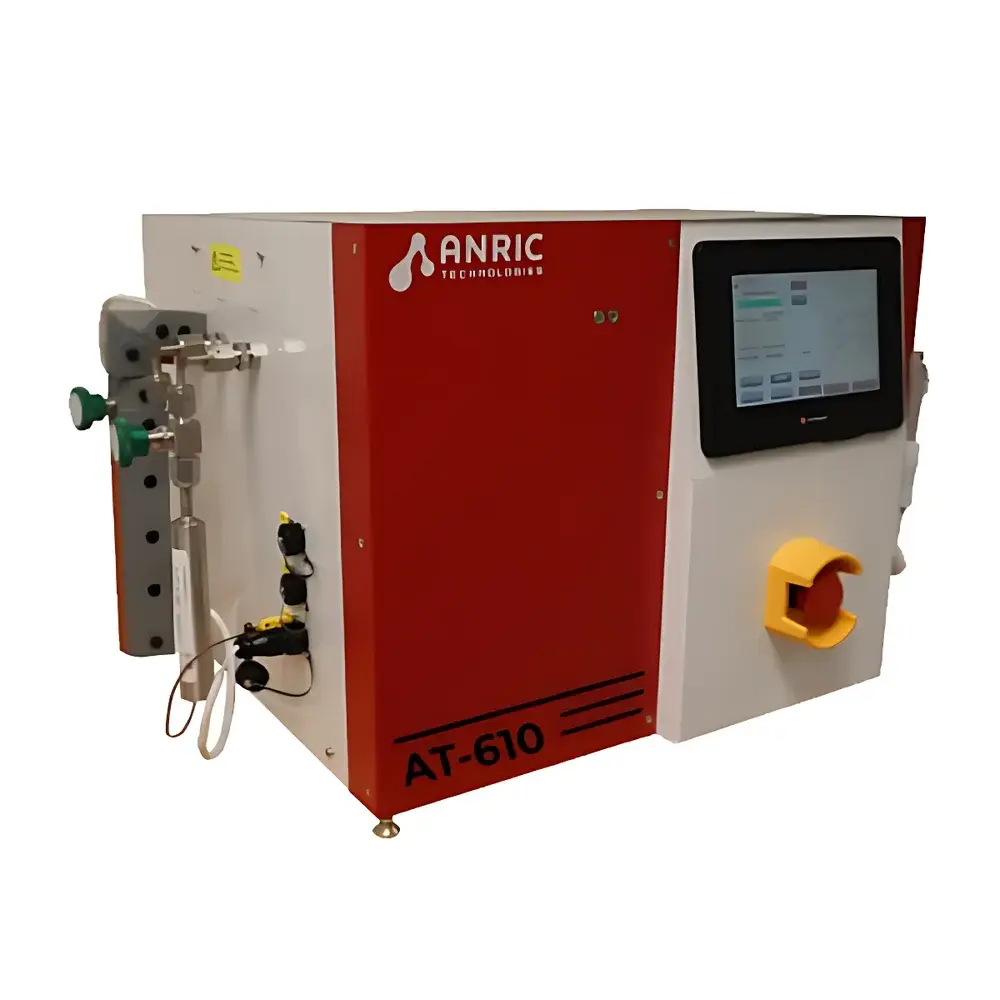
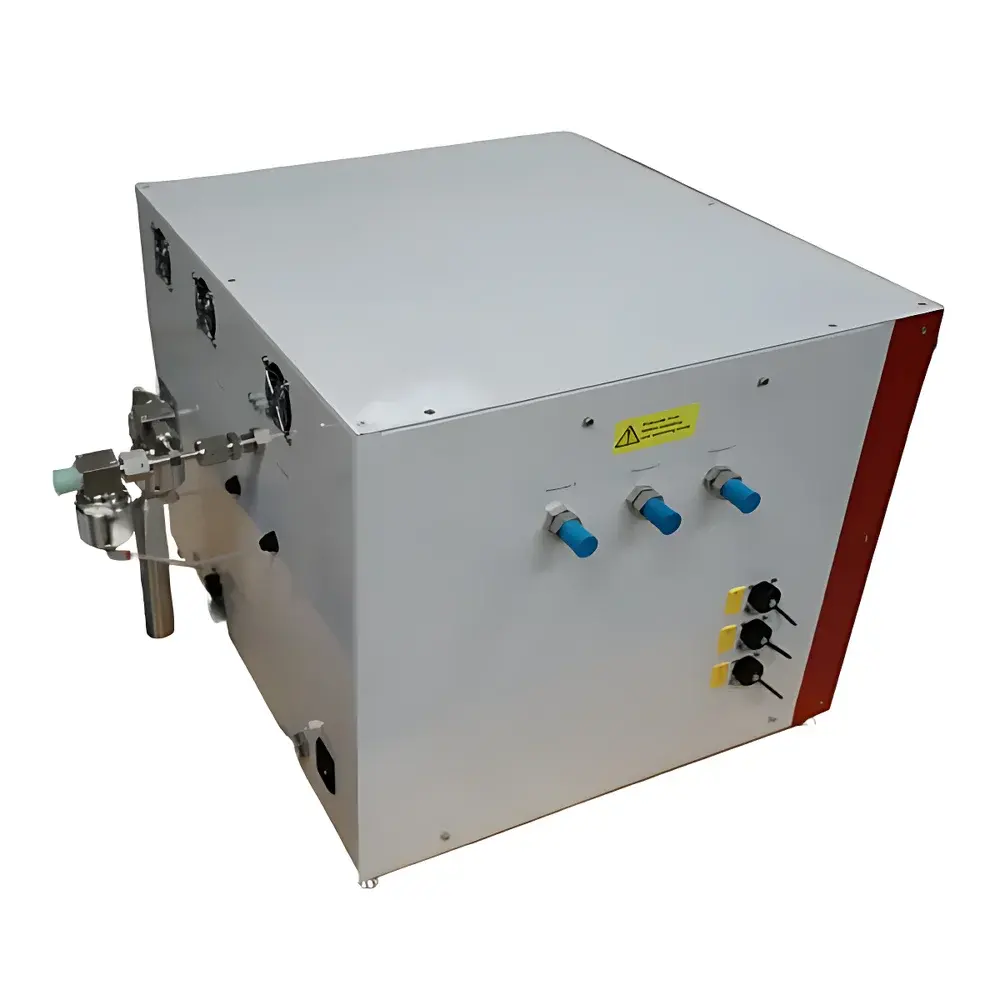
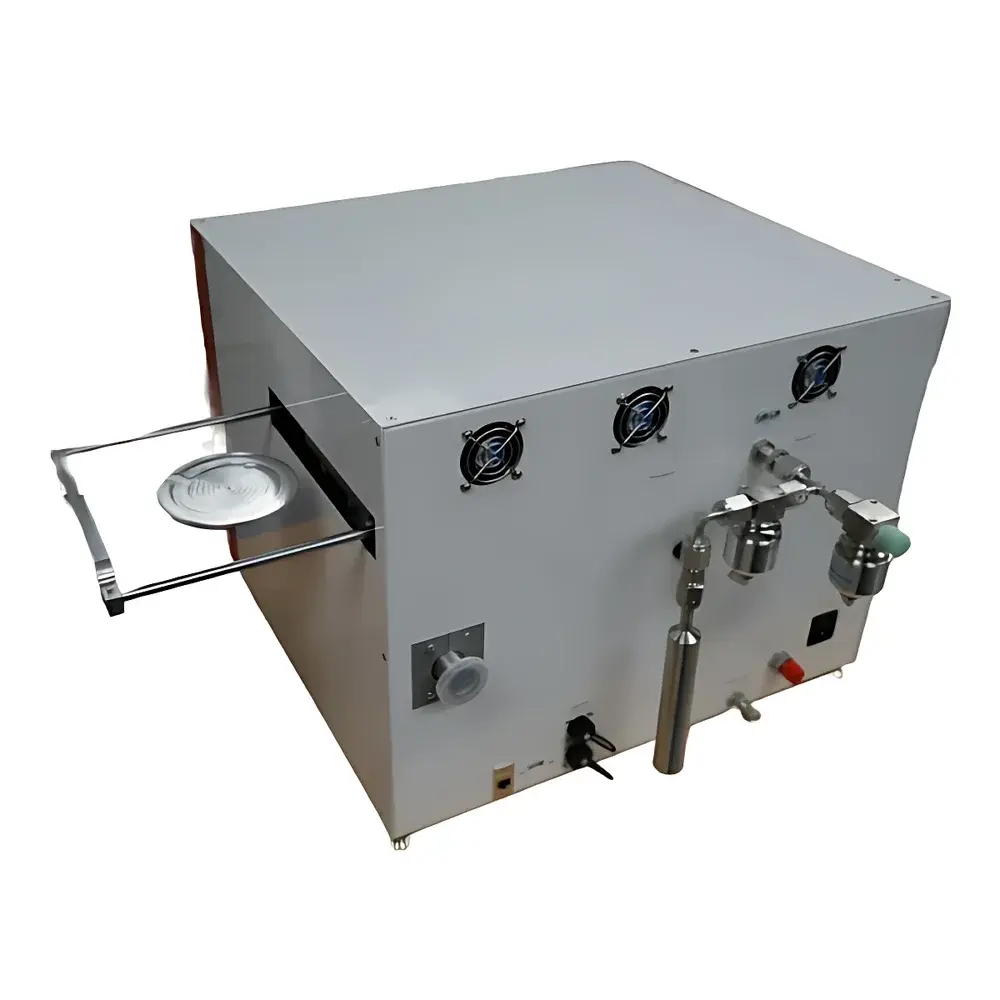
ANRIC AT610 Benchtop Atomic Layer Deposition System
| Brand | ANRIC |
|---|---|
| Origin | USA |
| Manufacturer Type | Authorized Distributor |
| Origin Category | Imported |
| Model | AT610 |
| Pricing | Upon Request |
Overview
The ANRIC AT610 is a compact, semiconductor-grade benchtop atomic layer deposition (ALD) system engineered for precision thin-film synthesis in R&D and pilot-scale fabrication environments. It employs true thermal ALD process mechanics—sequential, self-limiting surface reactions between gaseous precursors and co-reactants—to achieve sub-nanometer thickness control, exceptional conformality on high-aspect-ratio structures, and atomic-level uniformity across substrates up to 7-inch square (or 6-inch circular). Designed for integration into Class 1–100 cleanrooms, the AT610 features full metal-sealed fluidic pathways, heated delivery lines from precursor sources to chamber, and a fully aluminum chamber rated to 310°C. Its core architecture supports both dynamic (pulsed flow with inert gas purging) and static (dose-and-hold) process modes—enabling robust film growth on porous media, trench structures, and ultra-thin or temperature-sensitive substrates.
Key Features
- Compact footprint (< 0.5 m²) benchtop design compatible with standard lab benches and ISO Class 5 cleanroom infrastructure
- Semiconductor-grade aluminum reaction chamber with integrated heating (RT–310°C ±1°C), vacuum-tight construction, and low thermal mass for rapid ramp/soak stability
- Three independently heated organic metal precursor lines (RT–150°C ±2°C; optional upgrade to 180°C) with VCR metal-sealed connections and heated trace lines
- Two primary reactive gas lines (expandable to three via software-controlled valve sequencing), including support for ozone (O₃) via optional ATOzone module
- Ultra-fast pulse ALD valves with integrated mass flow controllers (MFCs) and synchronized inert-gas (N₂ >99.9995%) purge capability for minimized cross-contamination and sub-second purge times
- 7-inch industrial-grade touchscreen PLC HMI—fully standalone operation without external PC; real-time cycle monitoring, recipe editing, and alarm logging
- Streamlined chamber geometry with small internal volume (~1.2 L) enabling rapid pressure stabilization, low precursor consumption, and high process reproducibility
- Full hardware and software interlocks—including overtemperature, overpressure, vacuum loss, and gas leak detection—for multi-user laboratory safety compliance
Sample Compatibility & Compliance
The AT610 accommodates substrates up to 152 mm (6″) circular or 178 mm (7″) square, with customizable chucks for non-standard geometries (e.g., rectangular, diced wafers, powders, or MEMS devices) and vertical height clearance up to 11 mm. All wetted surfaces are electropolished 6061-T6 aluminum or stainless steel with metal gasket sealing per SEMI F24 standards. The system meets general electrical safety requirements per UL 61010-1 and IEC 61000-6-3 (EMC). Optional glovebox integration enables handling of air- and moisture-sensitive materials (e.g., sulfides, phosphides, alkyl-based precursors) without ambient exposure. When equipped with QCM or ozone monitoring modules, the platform supports GLP-aligned process documentation and audit-ready data traceability per FDA 21 CFR Part 11 when paired with external validated software extensions.
Software & Data Management
The embedded PLC-based HMI provides intuitive, menu-driven control of all critical parameters: precursor dose time, purge duration, reactor temperature, base pressure, and sequence logic. Users can define multi-step recipes—including nanolaminates (e.g., Al₂O₃/HfO₂), doped films (e.g., TiN with C or O incorporation), and ternary compounds—via programmable pulse sequences with independent timing per precursor/reactant. The system logs timestamped operational data (temperatures, pressures, valve states, MFC readings) to internal flash memory with CSV export capability. Optional PC-link functionality enables remote monitoring, centralized recipe management, and integration with LIMS or MES platforms. Firmware updates and diagnostic utilities are delivered via USB or Ethernet, supporting long-term maintainability and version-controlled process validation.
Applications
The AT610 serves advanced thin-film applications across microelectronics, photonics, energy storage, and quantum materials research. Typical use cases include: atomic-scale passivation layers (Al₂O₃, SiO₂) for perovskite solar cells; high-κ gate dielectrics (HfO₂, ZrO₂) on 2D semiconductors; corrosion-resistant coatings (TiN, TaN) on biomedical implants; conformal catalyst supports for electrochemical CO₂ reduction; and ultrathin solid-state electrolyte membranes for solid-state batteries. Its low precursor consumption, precise thermal control, and compatibility with ozone-assisted low-temperature ALD (e.g., Al₂O₃ at <60°C) make it especially suitable for hybrid organic-inorganic systems and temperature-limited substrates such as polymers or flexible electronics.
FAQ
What substrate sizes does the AT610 support?
Standard configuration accepts up to 6″ circular or 7″ square wafers; custom chucks are available for smaller formats, irregular shapes, or powder samples (up to 11 mm height).
Is ozone generation supported natively?
Ozone is not built-in but fully supported via the optional ATOzone module, which delivers calibrated O₃ concentrations for low-temperature oxide growth and includes an integrated ozone safety monitor.
Does the system require a dedicated exhaust or scrubber?
Yes—exhaust must be connected to a chemically compatible vacuum line (NW25/KF25 minimum; NW40 recommended for >1 m length) vented to an appropriate abatement system per local EHS regulations.
Can the AT610 run processes requiring third reactants?
Yes—the system supports up to three reactant lines; third-line activation requires optional hardware installation and firmware enablement, with full software sequencing control.
What vacuum pump specifications are required?
A dry or PTFE-oil–lubricated pump with ≥12 cfm capacity is mandatory; for optimal throughput with aggressive precursors or high-pulse-frequency cycles, ≥19.5 cfm is recommended.