
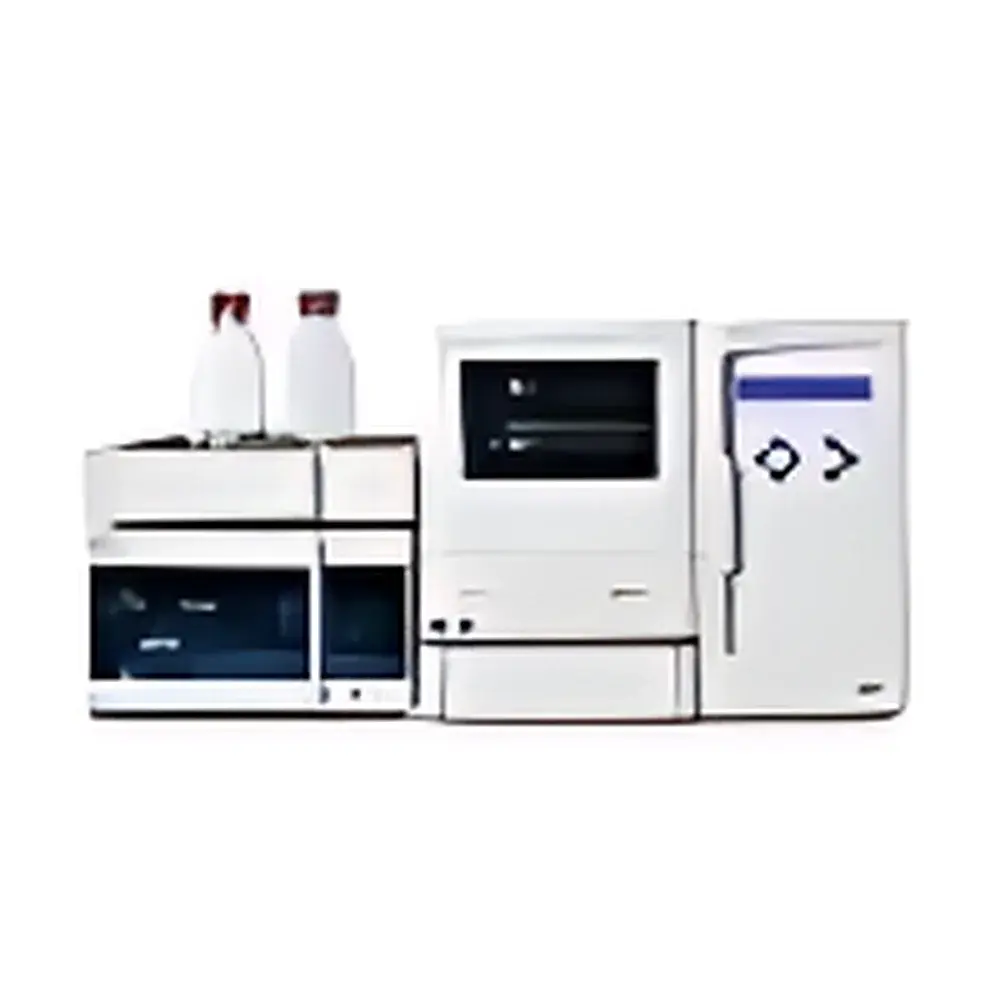
Antec ALEXYS HPLC-ECD System
| Brand | Antec |
|---|---|
| Origin | Netherlands |
| Model | ALEXYS |
| Instrument Type | Conventional High-Performance Liquid Chromatograph with Electrochemical Detection |
| Flow Rate Range | 0.001–10 mL/min |
| Maximum Pressure | 70 MPa |
| Autosampler Capacity | 192 positions |
| Injection Volume Range | 1–20 µL |
| Column Oven Temperature Range | Ambient +7 °C to 60 °C |
| Detector Output Range | −2500 mV to +2500 mV |
| Data Acquisition Frequency | 1–100 Hz |
Overview
The Antec ALEXYS HPLC-ECD System is a purpose-engineered high-performance liquid chromatography platform integrated with amperometric and coulometric electrochemical detection. Designed and manufactured by Antec Leyden (Netherlands), the system leverages controlled potential electrode chemistry to achieve sub-picomolar detection sensitivity for redox-active analytes. Unlike UV-Vis or fluorescence detection, electrochemical detection provides exceptional selectivity for compounds such as catecholamines, indoles, thiols, nitroaromatics, and hydrazides—enabling direct quantification without derivatization. The ALEXYS architecture follows a modular configuration: it comprises a precision binary or quaternary HPLC pump, a thermostatically controlled column compartment, a high-capacity 192-position autosampler, a DECADE-series electrochemical detector (e.g., DECADE II or SenCell), flow cells optimized for low-volume microbore or analytical columns, and fully compliant chromatographic data systems. Its robust fluidic design supports both isocratic and gradient elution across a wide pressure range (up to 70 MPa), making it suitable for UHPLC-compatible columns (down to 1.7 µm particle size) while maintaining compatibility with conventional 3–5 µm packed phases.
Key Features
- Precision dual-piston HPLC pump with active solvent compressibility compensation, delivering stable flow from 0.001 to 10 mL/min with ≤0.07% RSD at 1 mL/min
- Column oven with PID-controlled temperature regulation (ambient +7 °C to 60 °C, ±0.1 °C stability) and real-time monitoring via internal thermistor
- 192-position refrigerated autosampler with programmable needle wash, low-dead-volume injection loop (1–20 µL selectable), and carryover <0.005%
- DECADE-series electrochemical detector supporting amperometric, coulometric, and pulsed amperometric detection modes; analog output range of −2500 mV to +2500 mV with 16-bit resolution
- High-speed data acquisition at user-selectable rates from 1 Hz to 100 Hz, synchronized with pump and injector events for time-aligned peak integration
- Modular flow cell options including LC-4C, VT-03, and SenCell configurations—each featuring glassy carbon, platinum, or gold working electrodes with electrochemically conditioned surfaces
Sample Compatibility & Compliance
The ALEXYS system is validated for trace-level analysis of electroactive species in complex biological, environmental, and pharmaceutical matrices. It supports aqueous mobile phases containing buffers (e.g., phosphate, acetate, citrate), organic modifiers (acetonitrile, methanol), and ion-pairing reagents. Sample introduction accommodates serum, plasma, cerebrospinal fluid (CSF), microdialysate, urine, food extracts, wastewater, and cell culture supernatants—with minimal sample preparation required due to inherent selectivity of ECD. The system complies with ISO/IEC 17025 requirements for testing laboratories and supports audit-ready operation under GLP and GMP environments. Data integrity features include electronic signatures, user access levels, and full 21 CFR Part 11–compliant audit trails when used with Antec’s Chromeleon CDS or third-party validated software platforms.
Software & Data Management
Data acquisition and processing are managed through Antec’s dedicated ALEXYS Control Software or interoperable third-party chromatography data systems (CDS) such as Thermo Fisher Chromeleon, Agilent OpenLab CDS, or Waters Empower. All software implementations support method development wizards, real-time chromatogram visualization, peak deconvolution for overlapping electrochemical responses, baseline correction algorithms optimized for low-noise ECD signals, and export to ASTM E1849-compliant .cdf or .csv formats. Raw data files retain full detector voltage, current, and timing metadata—enabling retrospective reprocessing and compliance with FDA expectations for raw data preservation. System logs record all hardware events—including pressure spikes, temperature deviations, and electrode potential shifts—for root-cause analysis during method validation.
Applications
- Neurochemical profiling: Quantification of dopamine, serotonin, norepinephrine, DOPAC, HVA, and 5-HIAA in brain tissue homogenates and microdialysis probes
- Clinical toxicology and therapeutic drug monitoring: Detection of levodopa, morphine metabolites, metformin, and antipsychotics in human plasma and urine
- Food safety analytics: Screening for biogenic amines (histamine, tyramine), sulfites, and pesticide residues (e.g., carbamates, organophosphates) in meat, fish, and fermented products
- Environmental monitoring: Trace analysis of phenolic endocrine disruptors, nitrophenols, and aromatic amines in surface water and soil leachates
- Pharmaceutical QC: Stability-indicating assays for redox-labile APIs (e.g., epinephrine, dobutamine, vitamin C formulations) per USP and ICH Q2(R2)
- Vitamin analysis: Simultaneous determination of ascorbic acid, α-tocopherol, and pyridoxine in fortified beverages and dietary supplements
FAQ
What electrode materials are supported in the ALEXYS flow cells?
Standard configurations include glassy carbon, platinum, and gold working electrodes—each pre-characterized for specific redox potentials and available with polished, activated, or enzyme-immobilized surfaces.
Can the ALEXYS be upgraded for UHPLC performance?
Yes—when paired with sub-2-µm columns and low-dispersion tubing/fittings, the system operates reliably up to 70 MPa; optional low-volume detector cells (<100 nL) minimize band broadening.
Is post-column oxidation compatible with this system?
Absolutely—the ALEXYS supports integration of post-column reactors (e.g., electrochemical or chemical oxidation modules) to enhance detection of non-electroactive compounds such as carbohydrates or amino acids.
How is calibration traceability maintained?
Antec provides NIST-traceable certified reference materials for catecholamine and monoamine standards; calibration curves are stored with metadata including date, operator ID, and instrument state.
Does the system support multi-channel detection?
Yes—dual or triple working electrode configurations enable simultaneous detection at different applied potentials, facilitating ratio-based quantification and interference rejection.




