
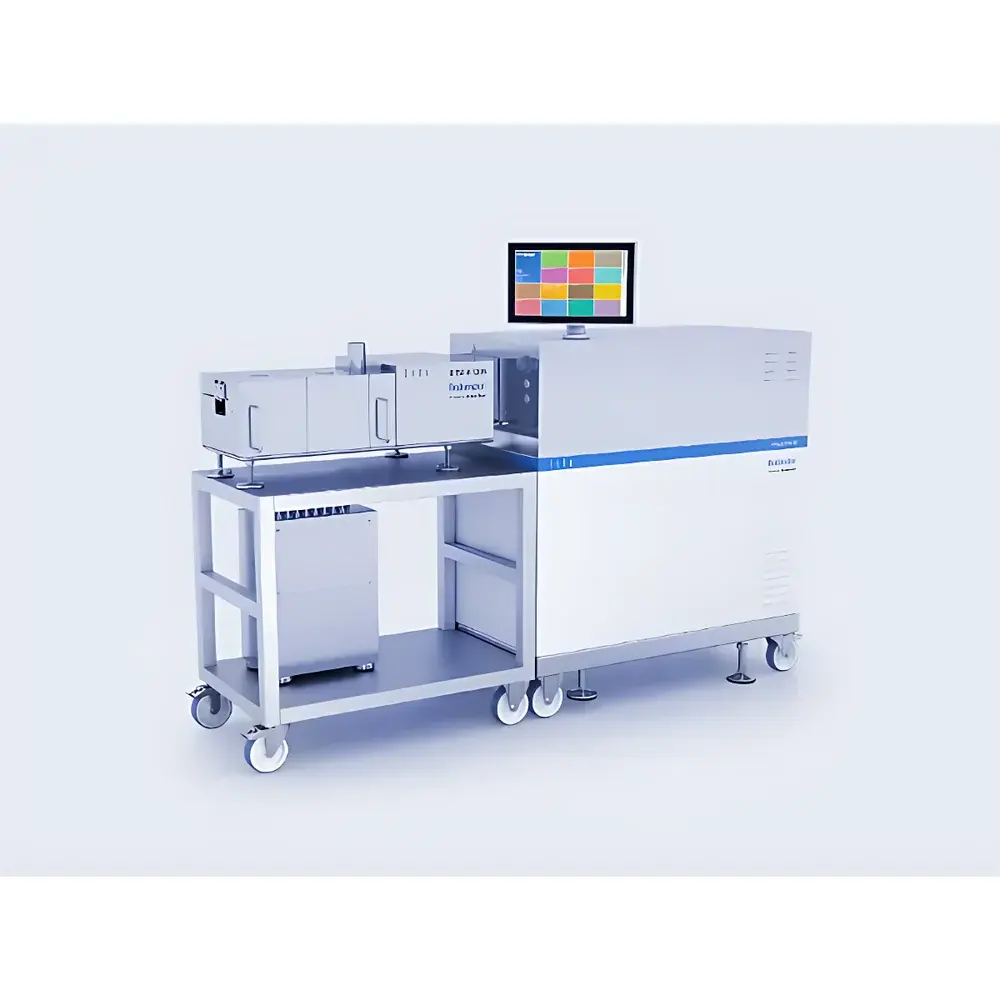
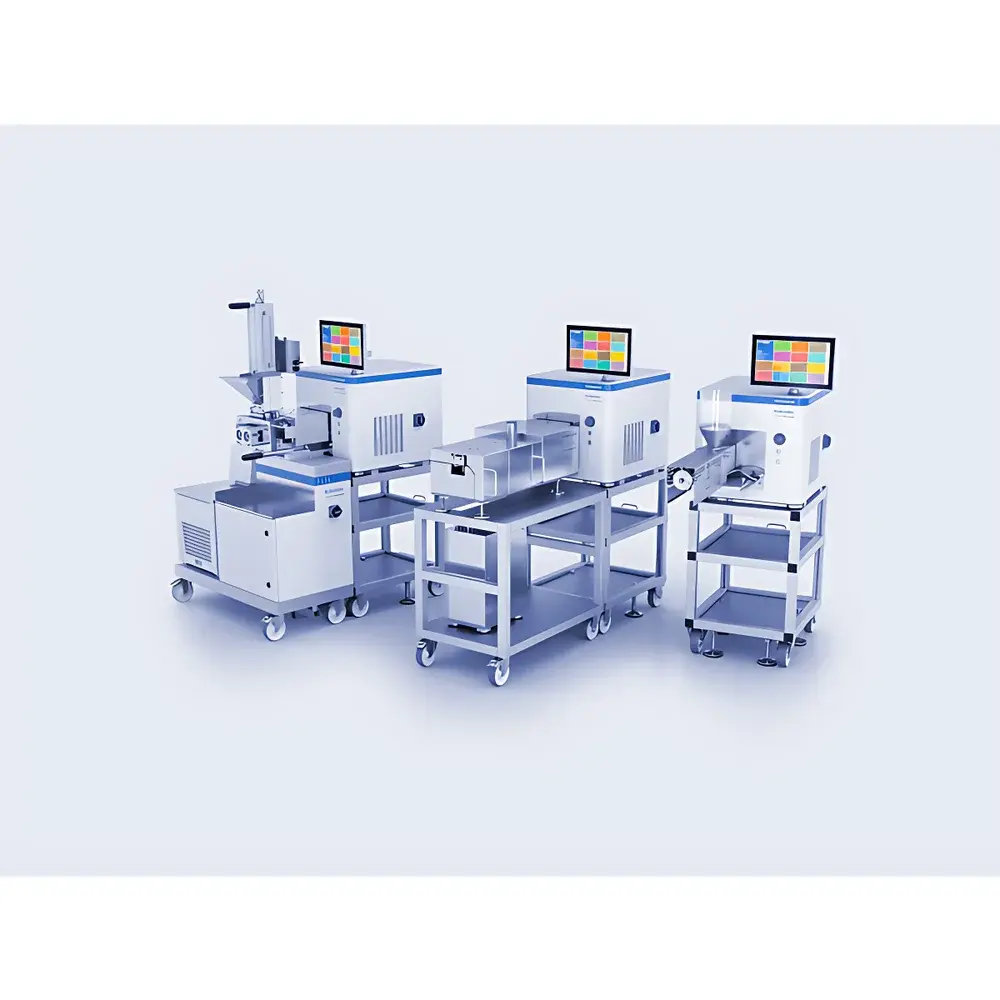
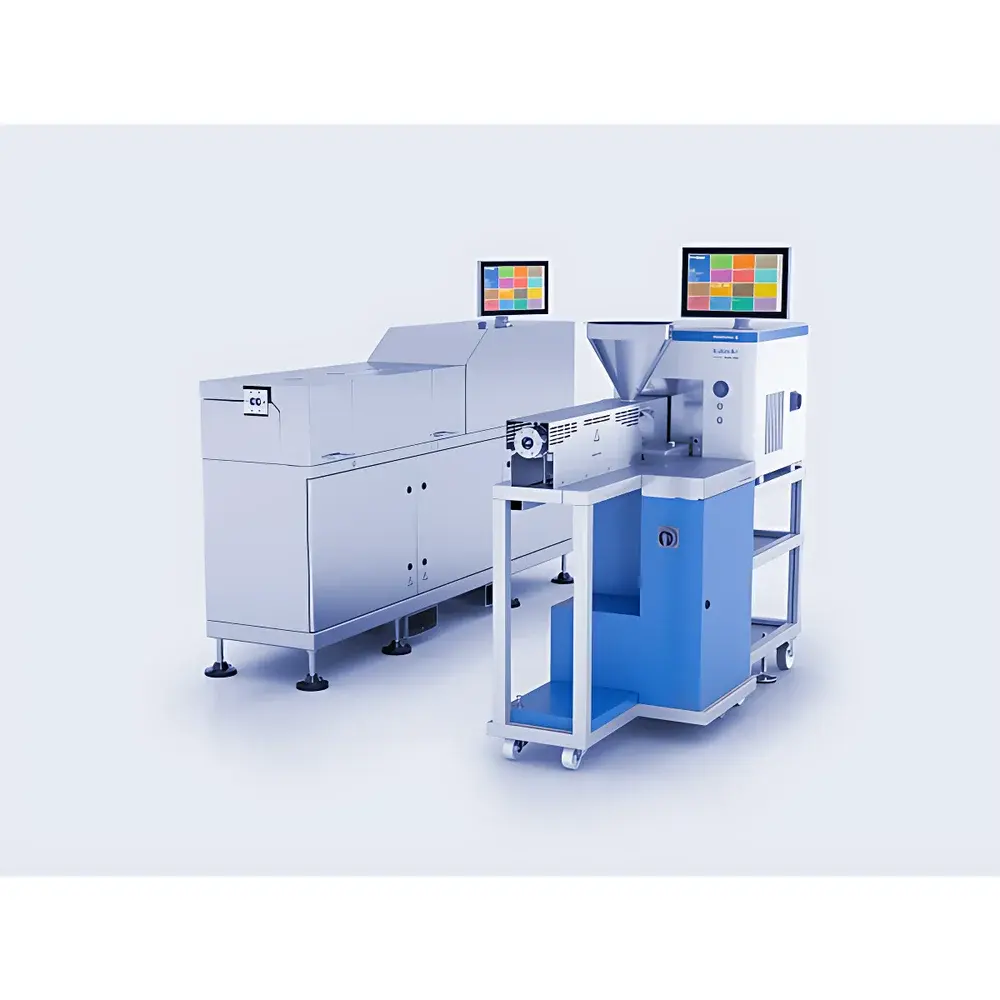
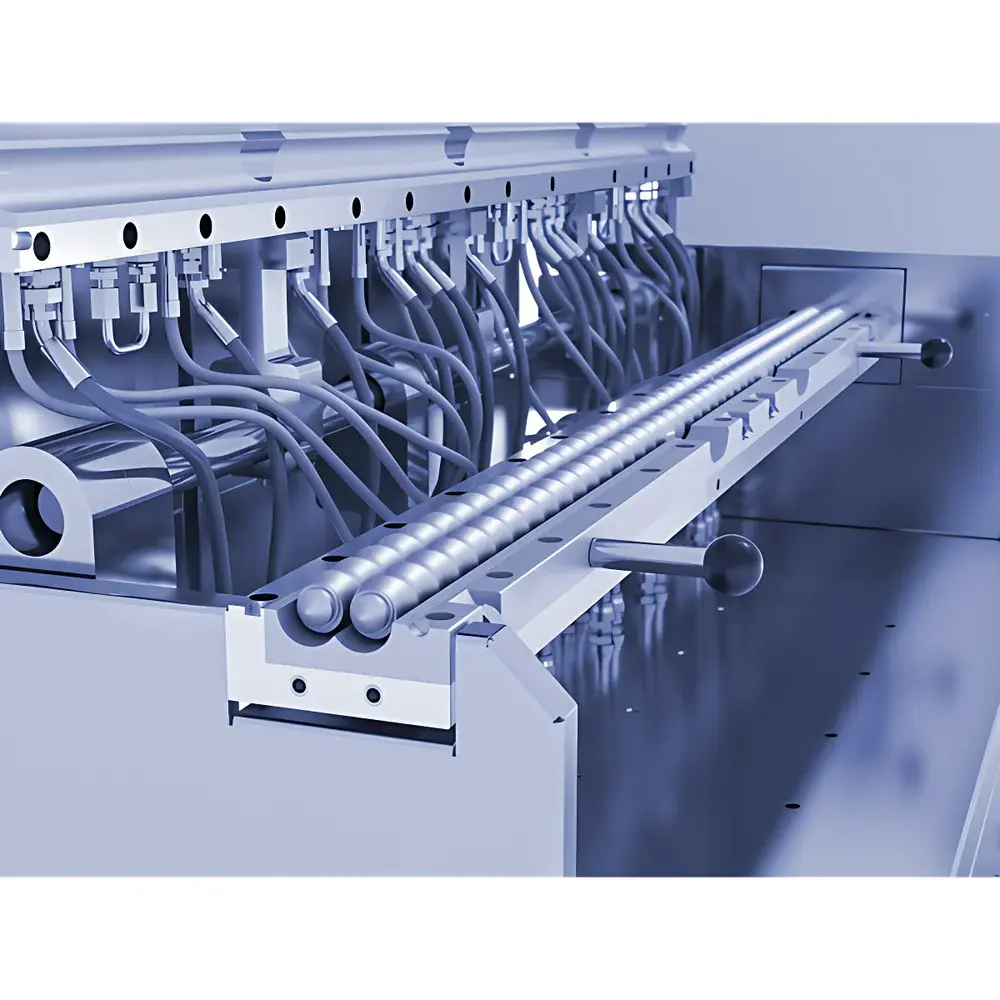
Anton Paar Brabender TwinLab Modular Twin-Screw and Single-Screw Extrusion System for Food Applications
| Brand | Anton Paar Brabender |
|---|---|
| Origin | Germany |
| Manufacturer | Anton Paar TorqueTec GmbH (formerly Brabender GmbH) |
| Model | TwinLab Series |
| Configuration Options | Twin-screw extruder, single-screw extruder (e.g., 19/25 mm), batch mixer |
| Throughput Range | 0.05–100 kg/h |
| Drive System | MetaStation modular drive unit |
| Control Software | MetaBridge v3.x |
| Barrel Design | Split-barrel with quick-release liner |
| Material Contact Parts | Wear- and corrosion-resistant high-alloy steel (up to 500 °C service temperature) |
| Compliance | Designed for GLP/GMP-aligned R&D environments |
Overview
The Anton Paar Brabender TwinLab Modular Extrusion System is a precision-engineered laboratory and pilot-scale platform for thermomechanical processing of food-grade materials—including doughs, starches, protein isolates, plant-based analogs, and extruded snacks. Built upon Couette-type rheological principles and continuous shear-controlled extrusion mechanics, the system enables quantitative correlation between process parameters (torque, pressure, melt temperature, specific mechanical energy) and material functional properties (viscoelasticity, expansion ratio, texture, water absorption). Unlike fixed-geometry benchtop extruders, TwinLab implements a torque-controlled, variable-speed dual-drive architecture—allowing real-time adjustment of screw speed differential (co-rotating or counter-rotating modes), barrel zoning (up to 8 independently controlled heating/cooling zones), and feed rate synchronization. This architecture ensures reproducible residence time distribution (RTD) profiling and granular insight into thermal history, essential for scaling from lab to production while maintaining compliance with food safety and process validation frameworks.
Key Features
- Modular MetaStation drive unit supporting interchangeable configurations: twin-screw extrusion (TwinLab), single-screw extrusion (e.g., 19/25 mm Do-Corder Plus), and batch mixing (Planetary Mixer P600 integration)
- Split-barrel design with hinged, tool-free access to full-length barrel liners and screw elements—enabling rapid inspection, configuration change, and residue-free cleaning between trials
- High-strength, nitrogen-alloyed tool steels (e.g., X38CrMoV5-1 equivalent) for barrels, screws, and die inserts—rated for continuous operation up to 500 °C and resistant to abrasive fillers (e.g., fiber, bran) and acidic matrices (e.g., fruit pulps, fermented substrates)
- Integrated multi-point sensing: real-time monitoring of melt pressure (0–400 bar), torque (0–200 Nm), barrel zone temperatures (±0.5 °C accuracy), motor load (%), and volumetric feed rate (gravimetric feeder optional)
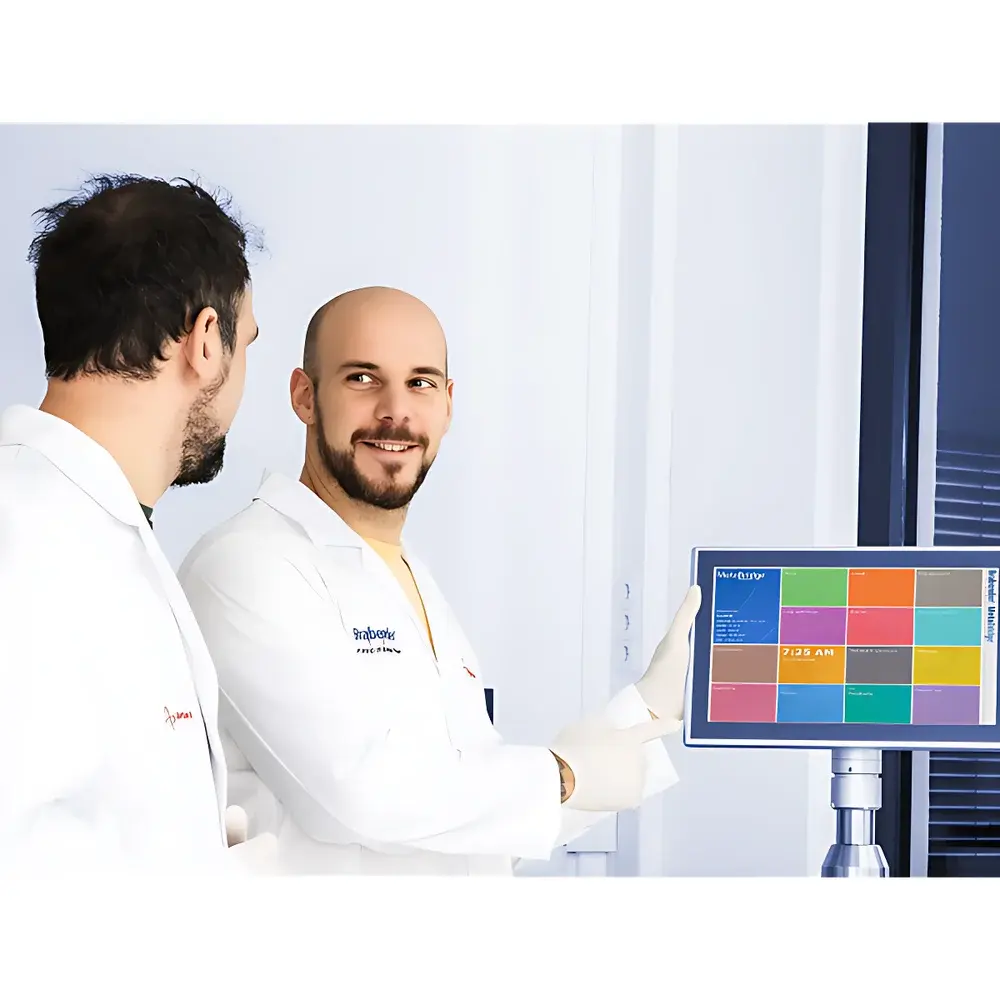
- MetaBridge v3.x control and analysis software with synchronized timestamped data logging, customizable dashboards, and configurable alarm thresholds for critical process deviations
Sample Compatibility & Compliance
The TwinLab system accommodates a broad spectrum of food-relevant feedstocks: hydrated wheat semolina, pea protein concentrates, hydrocolloid blends, pre-gelatinized starch slurries, and viscous batters containing particulates ≤3 mm. Its sanitary-compliant surface finish (Ra ≤0.8 µm on wetted parts), absence of dead-leg geometries, and steam-cleanable barrel joints align with EHEDG Guideline Doc. 8 and ISO 22000 prerequisite programs. Data integrity is maintained through MetaBridge’s role-based user authentication, electronic signature support, and audit-trail-enabled parameter change logging—fully configurable to meet FDA 21 CFR Part 11 and EU Annex 11 expectations for regulated development work. All hardware meets CE Machinery Directive 2006/42/EC and EMC Directive 2014/30/EU.
Software & Data Management
MetaBridge serves as the unified interface for device orchestration, measurement acquisition, and post-processing analytics. It records all sensor inputs at ≥10 Hz resolution, synchronizes timestamps across distributed modules (feeders, extruder, die, downstream cutter), and exports structured CSV/Excel files with metadata headers (operator ID, batch tag, SOP version, environmental conditions). Cross-platform accessibility is enabled via secure HTTPS web client—accessible from Windows, macOS, or Linux workstations without local installation. Raw datasets include calculated derived parameters: Specific Mechanical Energy (SME, kWh/kg), Melt Index Ratio (MIR), and Residence Time Distribution (RTD) moments. Integration with LIMS or ELN systems is supported via RESTful API and OPC UA connectivity.
Applications
- Development and optimization of gluten-free pasta formulations under controlled shear and hydration conditions
- Functional characterization of plant-based meat analogs—evaluating fibrous structure formation via screw configuration mapping (kneading vs. conveying elements)
- Rheological fingerprinting of high-moisture extruded products using torque–temperature–pressure triad analysis
- Validation of thermal inactivation kinetics for enzymes or pathogens during extrusion cooking (e.g., Salmonella reduction modeling)
- Scale-up studies linking lab-scale SME profiles to industrial twin-screw extruder power consumption and die pressure trends
- Process window definition for novel ingredients (e.g., insect flour, microalgae biomass) under varying moisture and temperature gradients
FAQ
Can TwinLab replicate the residence time distribution (RTD) of an industrial twin-screw extruder?
Yes—via adjustable screw speed ratio, feed port positioning, and barrel zoning, TwinLab enables RTD tailoring within ±15% of target industrial profiles when validated against tracer studies.
Is MetaBridge compliant with 21 CFR Part 11 for electronic records?
Yes—when deployed with server-based authentication, digital signatures, and enabled audit trail logging, MetaBridge satisfies core Part 11 requirements for traceability and data integrity.
What maintenance intervals are recommended for high-wear applications (e.g., whole-grain flours)?
Barrel liner inspection is advised every 200 operational hours; screw element wear mapping is performed via optical profilometry during scheduled disassembly—typical service life exceeds 1,500 hours under standard food matrix conditions.
Can I integrate third-party feeders or inline viscometers?
Yes—TwinLab features open analog/digital I/O (0–10 V, 4–20 mA, RS485 Modbus RTU) and supports OEM device drivers for major gravimetric and loss-in-weight feeders, as well as inline rheometers with Ethernet/IP interfaces.
Does the system support DOE (Design of Experiments) workflows?
MetaBridge includes built-in DOE template import (CSV-based), automated parameter ramping, and post-run response surface modeling for key outputs including expansion ratio, hardness, and color delta-E.





