
Anton Paar Brabender TwinLab Twin-Screw Extruder for Rubber & Plastics R&D
| Brand | Anton Paar Brabender |
|---|---|
| Origin | Germany |
| Model | TwinLab Rubber |
| Screw Diameter | 12 / 20 / 30 mm |
| L/D Ratio | 36 / 40 |
| Torque Capacity | 14 / 30 / 60 / 150 N·m |
| Operating Temperature | >500 °C |
| Throughput Range | 0.05–100 kg/h |
| Drive System | MetaStation Modular Drive Platform |
| Software | MetaBridge (Cross-Platform, Cloud-Ready, Audit-Trail Capable) |
| Compliance | Designed for GLP/GMP-aligned workflows |
Overview
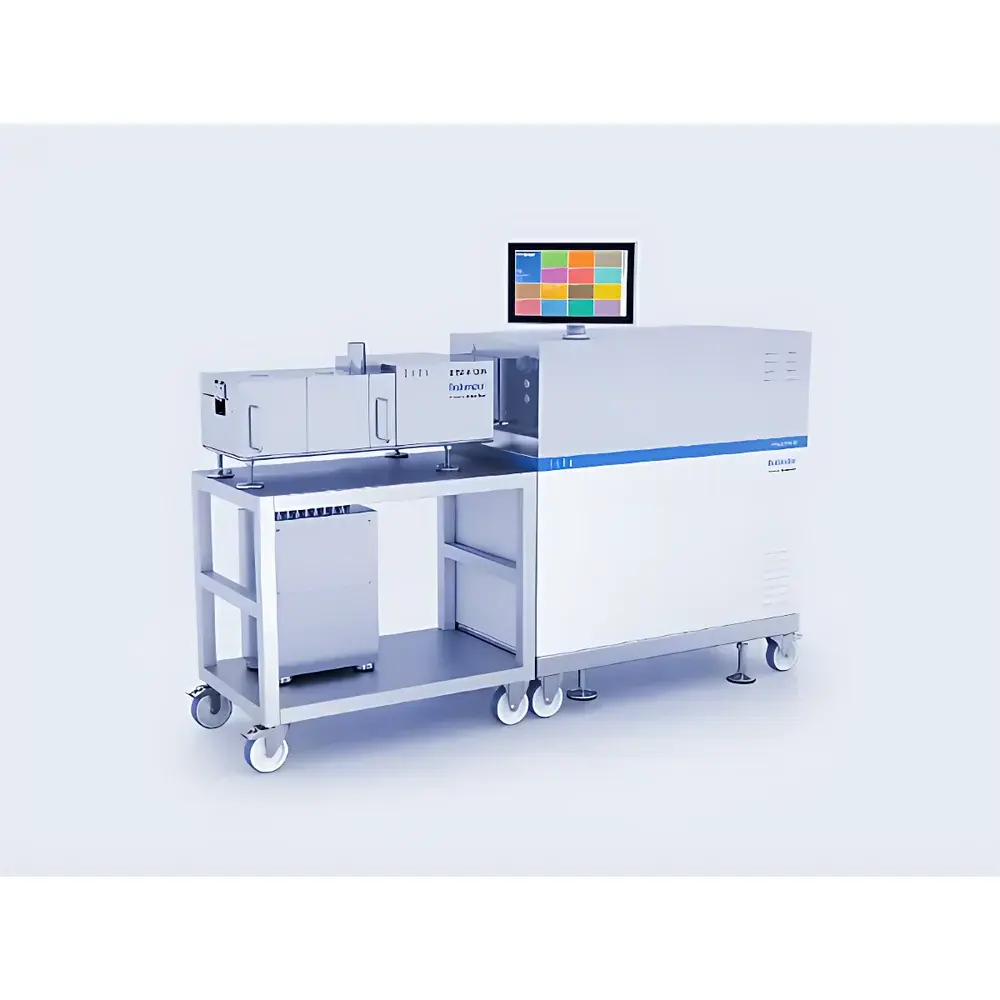
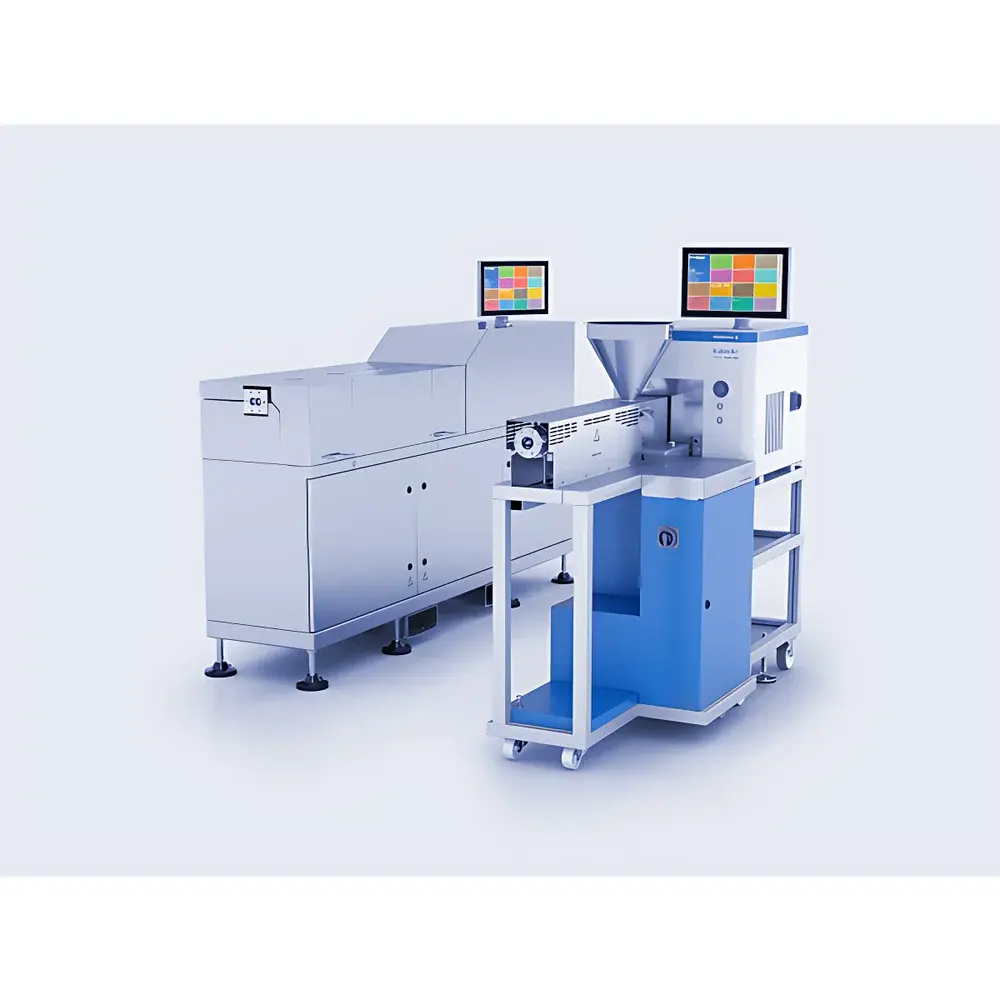
The Anton Paar Brabender TwinLab Twin-Screw Extruder is a precision-engineered laboratory and pilot-scale measurement extruder designed for quantitative process development in polymer science, rubber compounding, thermoplastic elastomer formulation, and functional material processing. Based on co-rotating intermeshing twin-screw architecture, it applies controlled shear, residence time distribution, and thermal history to simulate industrial extrusion conditions at scalable, reproducible volumes. Unlike conventional benchtop extruders, TwinLab integrates real-time torque, pressure, temperature, and drive load monitoring directly into its mechanical architecture—enabling continuous acquisition of rheologically relevant process signatures. Its foundation in Brabender’s legacy torque-based rheometry ensures traceable correlation between mechanical energy input and melt state evolution. Following Anton Paar’s 2023 acquisition of Brabender and the establishment of Anton Paar TorqueTec GmbH, the TwinLab platform benefits from expanded global service infrastructure, standardized calibration protocols, and harmonized software architecture across the Anton Paar materials characterization portfolio.
Key Features
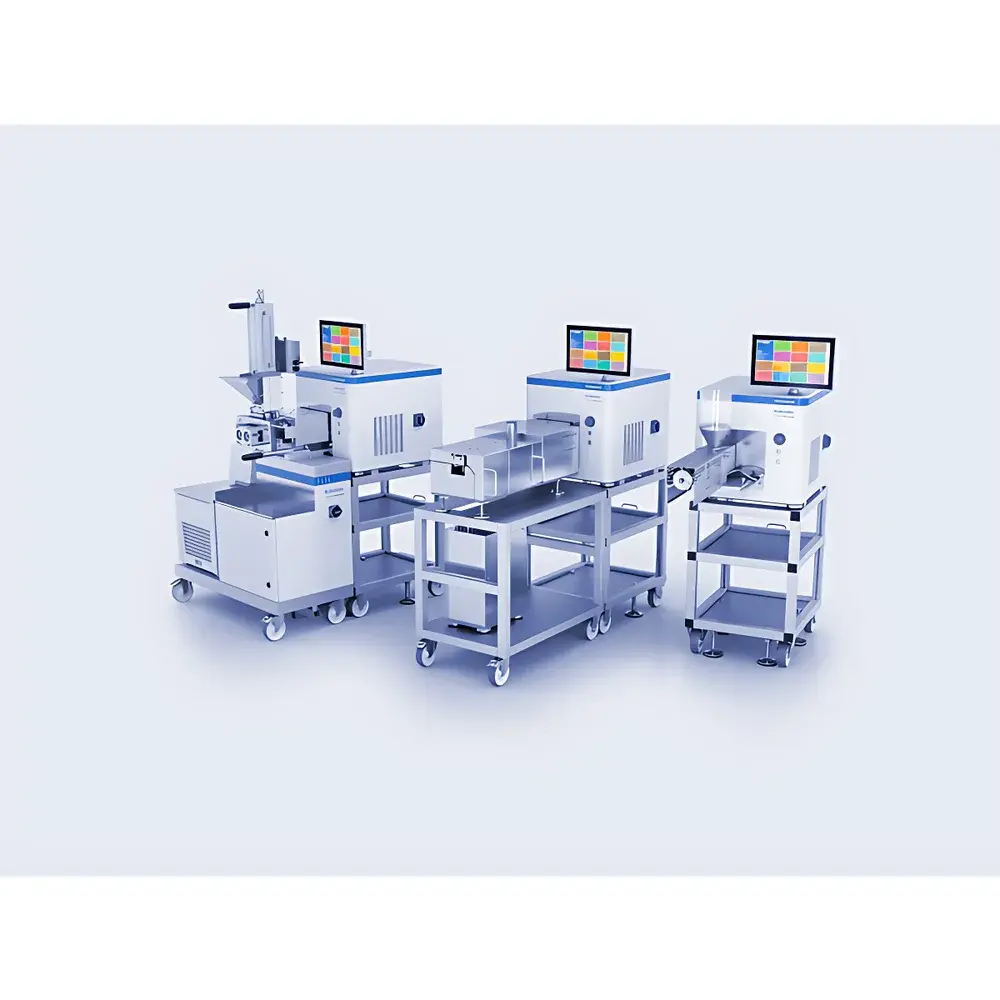
- Modular MetaStation Drive Platform: A unified motor-and-control system supporting interchangeable configurations—twin-screw extrusion, single-screw extrusion (e.g., 19/25 mm variants), and batch mixing—without hardware replacement.
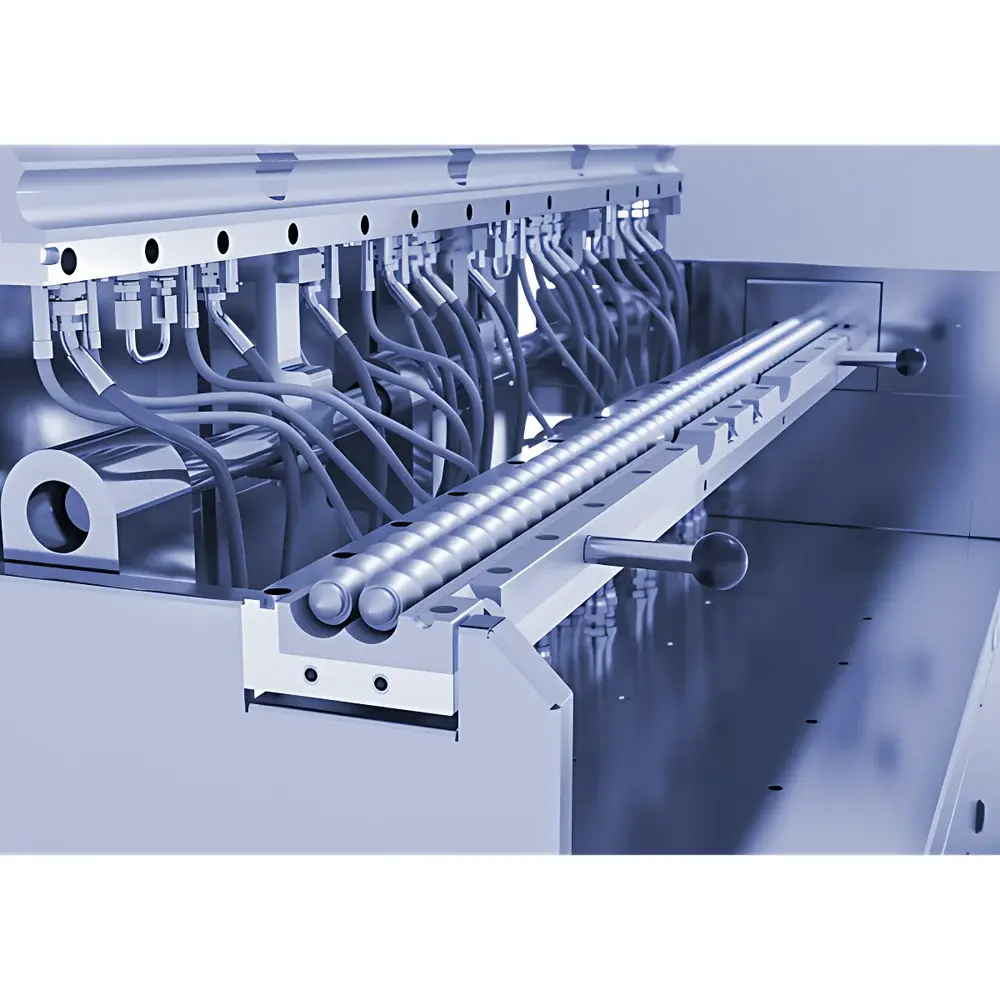
- Smart Split-Barrel Design: Horizontally split barrel sections with quick-release clamps enable full access to screws and liners without disassembling the entire extruder. This facilitates rapid configuration changes, visual inspection of screw elements, and residue-free cleaning—critical for high-abrasion or cross-contamination-sensitive applications.
- High-Temperature & High-Wear Construction: Barrel liners and screw elements fabricated from specialized wear- and corrosion-resistant steel alloys (e.g., X40CrMoV5-1 and custom nitrided grades), validated for continuous operation above 500 °C and compatible with aggressive fillers (e.g., carbon black, silica, CaCO₃) and reactive additives.
- Multi-Point Process Monitoring: Integrated sensors record torque (±0.2% FS), melt pressure (up to 400 bar), zone temperatures (±0.5 °C), motor current, and throughput—all time-synchronized and logged at configurable sampling rates (up to 10 Hz).
- Configurable Screw Geometry: Interchangeable conveying, kneading, reverse, and mixing elements allow precise control over shear intensity, distributive/dispersive mixing efficiency, and residence time distribution—tailored to polymer degradation sensitivity, filler dispersion targets, or reactive extrusion kinetics.
Sample Compatibility & Compliance
TwinLab accommodates feedstocks ranging from low-viscosity liquids (e.g., plasticizers, monomers) to high-bulk-density powders (e.g., PVC resins, EPDM granules), hygroscopic polymers (e.g., PA6, PET), and filled compounds containing up to 80 wt% mineral or fibrous reinforcements. Its design adheres to ISO 11443 (plastic melt flow behavior), ASTM D2532 (torque rheometry), and ISO 25577 (extrusion process characterization) frameworks. When deployed in regulated environments—including pharmaceutical excipient development or automotive-grade compound qualification—the system supports GLP-compliant documentation through MetaBridge’s audit-trail-enabled workflow. Optional 21 CFR Part 11 compliance packages include role-based access control, electronic signatures, and immutable raw-data archiving—facilitating FDA or EMA audit readiness.
Software & Data Management
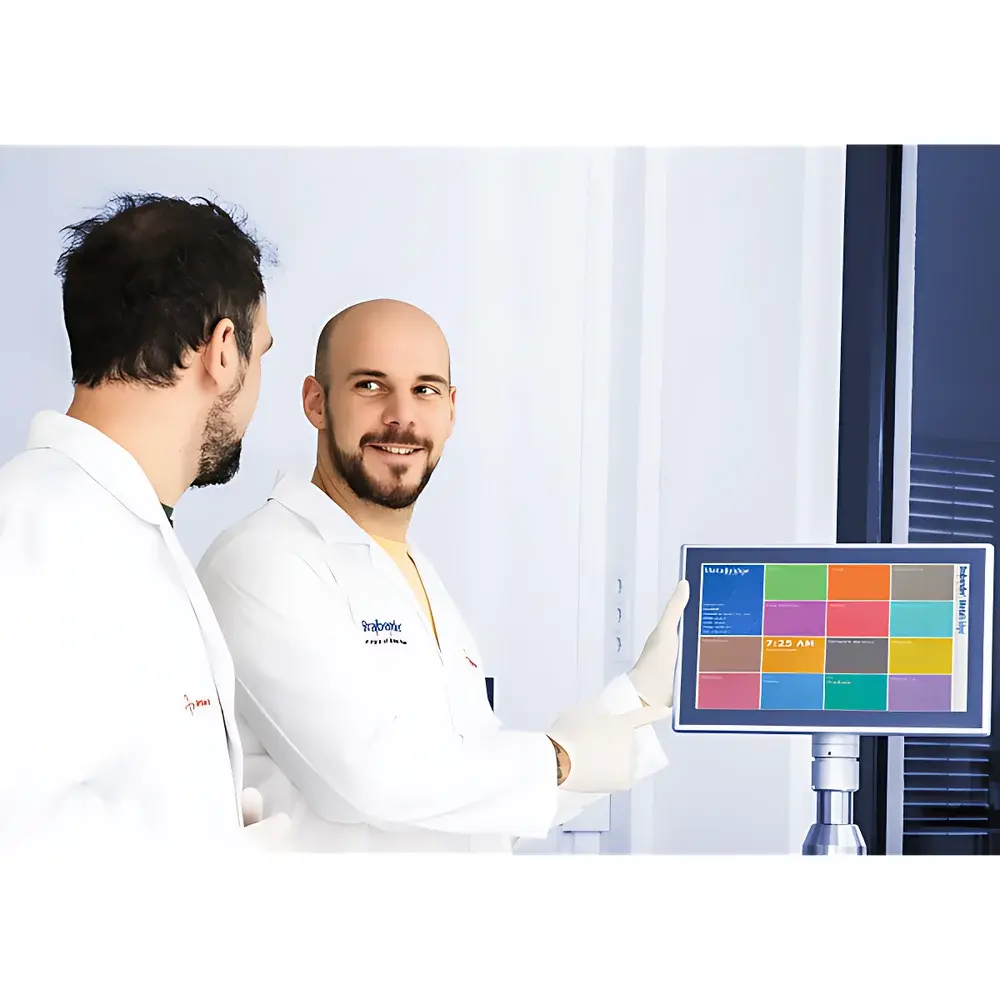
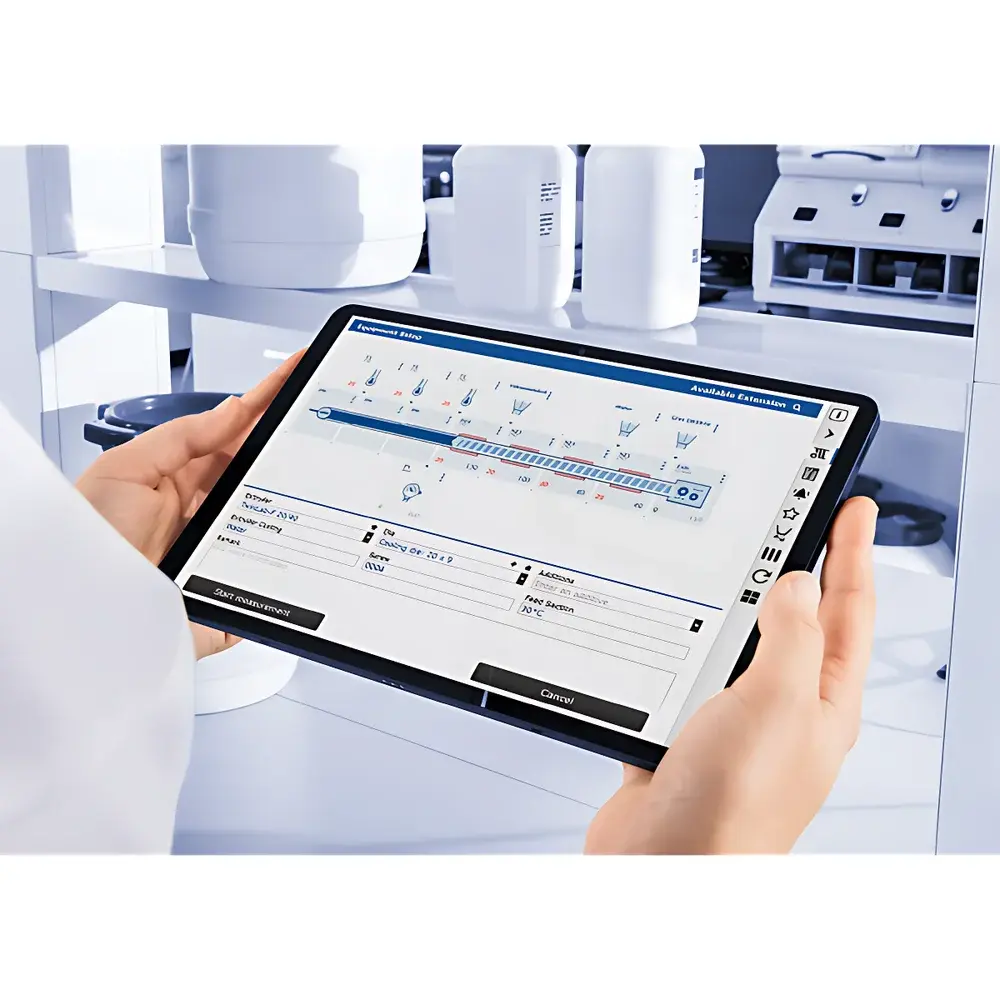
MetaBridge is a browser-based, cross-platform control and analysis environment built on modern web standards (HTML5, WebSockets, RESTful APIs). It provides real-time visualization of all process parameters, synchronized overlay of torque/pressure/temperature profiles, and automated generation of comparative reports (e.g., “recipe A vs. recipe B” heat maps). Raw data exports are natively compatible with MATLAB, Python (via .csv/.hdf5), and LIMS systems using ASTM E1384-compliant metadata tagging. Users can remotely monitor active experiments, trigger emergency stops, and download encrypted datasets directly from smartphones or tablets—eliminating transcription errors and enabling distributed team collaboration. All measurement sessions are timestamped, user-attributed, and version-controlled, satisfying ALCOA+ (Attributable, Legible, Contemporaneous, Original, Accurate, Complete, Consistent, Enduring, Available) data integrity principles.
Applications
- Rheological profiling of virgin and recycled polyolefins under shear-thinning and extensional deformation regimes
- Optimization of masterbatch dispersion protocols for conductive carbon nanotube or graphene-loaded TPEs
- Thermal stability assessment of flame-retardant formulations via real-time torque decay analysis
- Reactive extrusion of polycondensates (e.g., PBT, PC) with in-line moisture removal and catalyst injection
- Development of biodegradable blends (PLA/PBS) requiring narrow residence time distribution to limit hydrolysis
- Validation of predictive melt-flow models using experimentally derived specific mechanical energy (SME) and viscous dissipation data
FAQ
Can TwinLab be used for both research and pilot production?
Yes—its throughput range (0.05–100 kg/h) and modular scalability support early-stage formulation screening as well as pre-commercial validation under GMP-aligned conditions.
Is MetaBridge compatible with existing LIMS or MES systems?
Yes—MetaBridge exposes RESTful APIs and supports ASTM E1384-compliant data exchange, enabling direct integration with major laboratory informatics platforms.
How does TwinLab ensure measurement traceability?
All torque transducers are factory-calibrated per ISO 376, pressure sensors per ISO 13256, and temperature modules per IEC 60751 Class A; calibration certificates are digitally linked to each device serial number in MetaBridge.
Can I retrofit my existing Brabender extruder with TwinLab software and sensors?
Legacy Brabender units manufactured after 2015 may be upgraded via Anton Paar TorqueTec’s certified retrofit program—subject to mechanical compatibility assessment and firmware revision requirements.
What maintenance intervals are recommended for high-wear applications?
With standard wear-resistant liners, routine inspection is advised every 200 operational hours; for highly abrasive formulations, liner replacement is typically scheduled at 500–800 hours based on profilometric wear mapping.





