
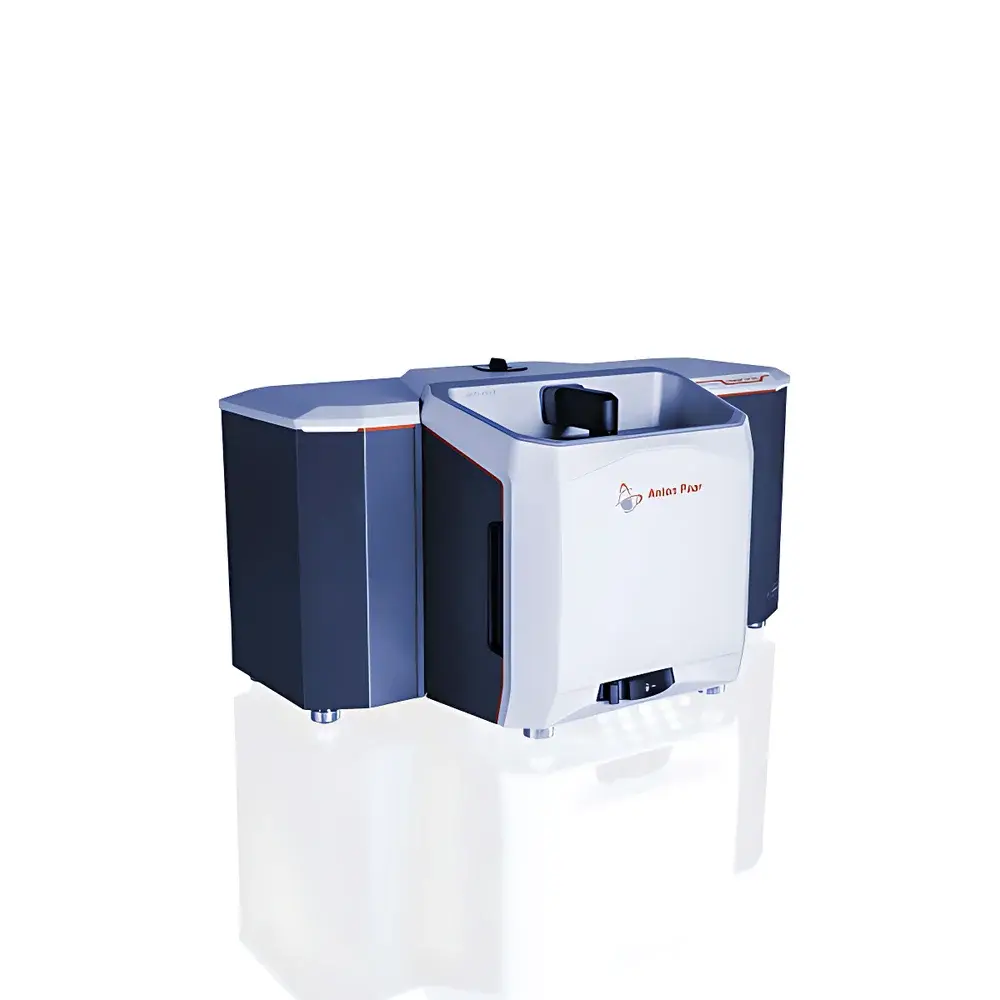
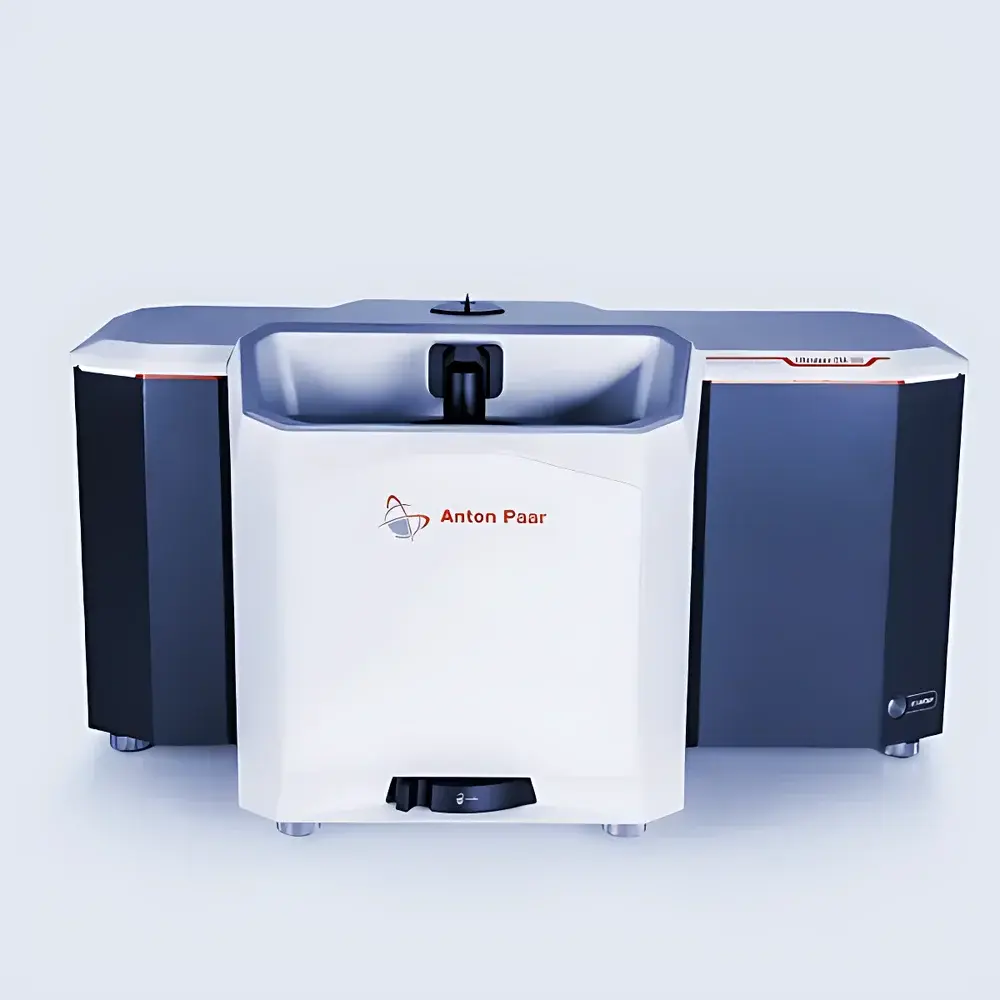
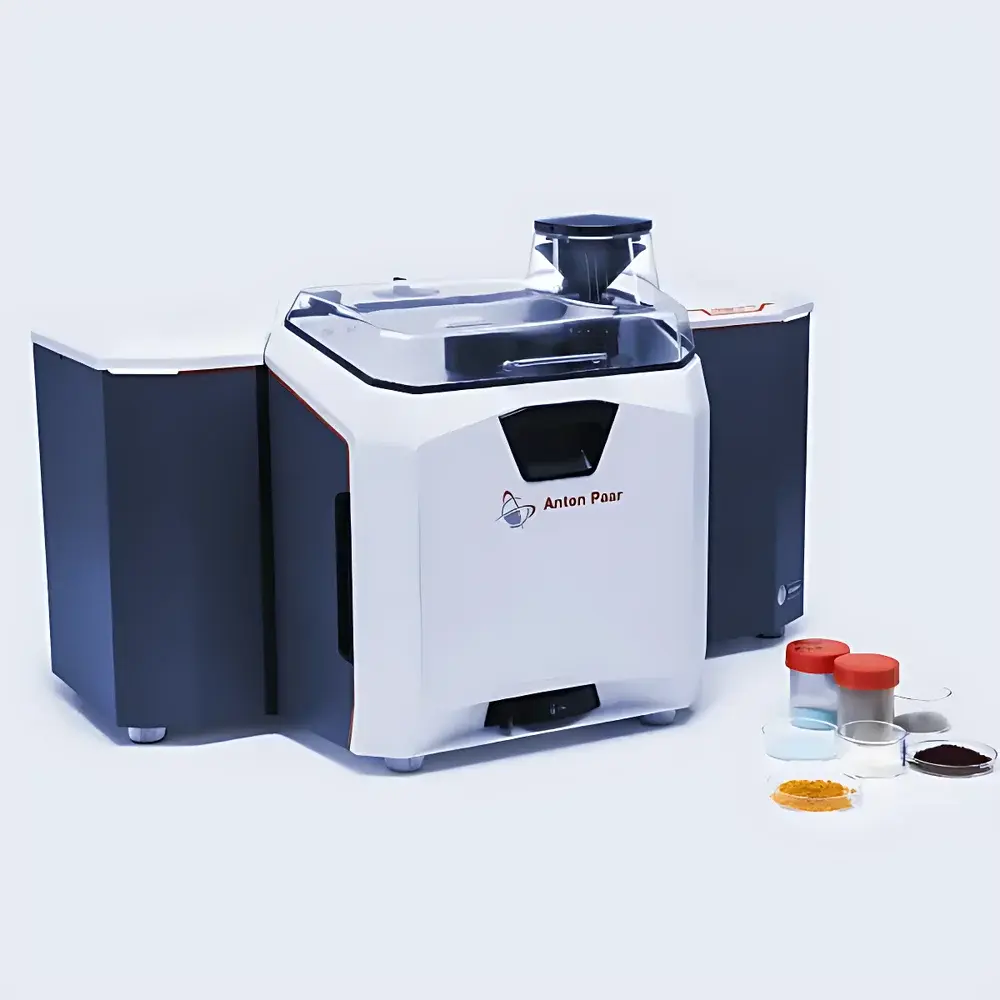
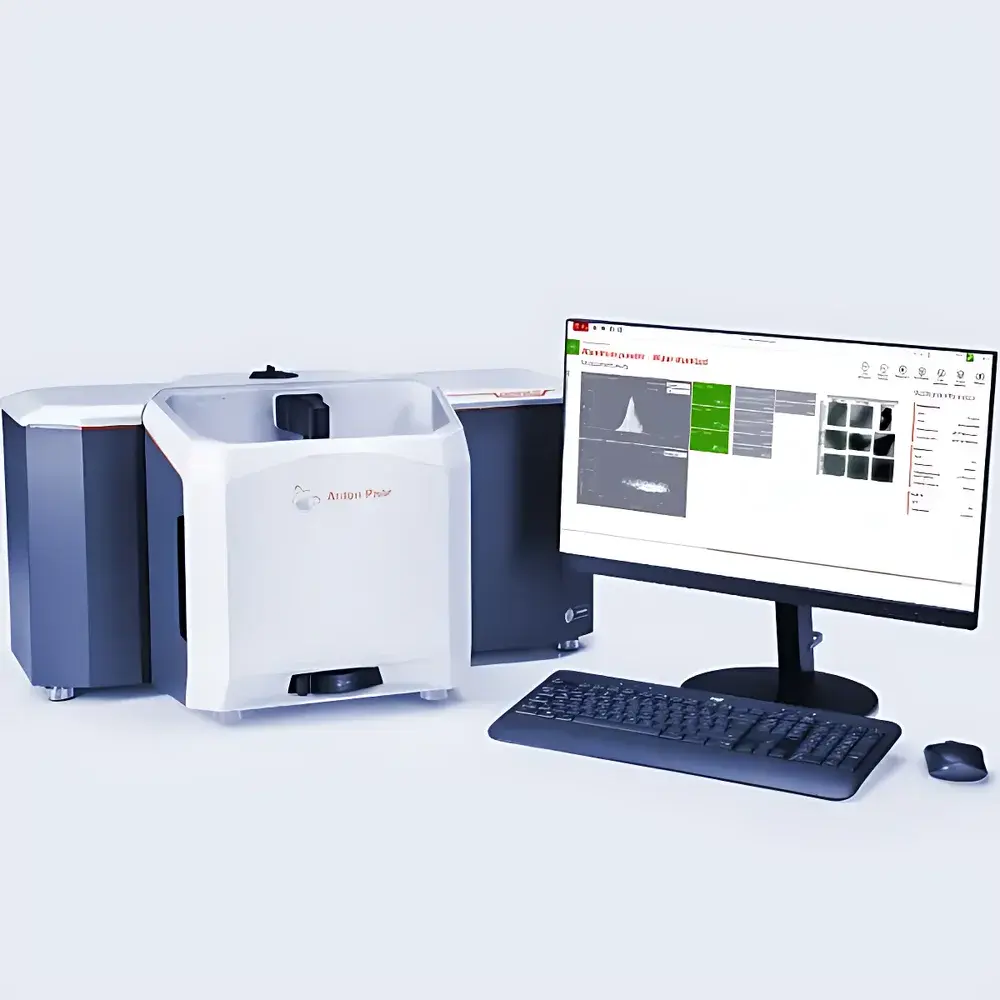
Anton Paar Litesizer DIA Series Dynamic Image Analysis System
| Brand | Anton Paar |
|---|---|
| Origin | Austria |
| Manufacturer Type | Original Equipment Manufacturer (OEM) |
| Import Category | Imported Instrument |
| Model | Litesizer DIA Series |
| Pricing | Upon Request |
| Dispersion Methods | Wet, Dry, and Free-Fall Dispersion |
| Instrument Type | Laboratory-Based Dynamic Image Analyzer |
| Measurement Range | 0.5 µm to 16,000 µm |
| Repeatability | <1% RSD |
| Measurement Time | 10–15 seconds per analysis |
Overview
The Anton Paar Litesizer DIA Series is a high-performance dynamic image analysis (DIA) system engineered for simultaneous, quantitative characterization of particle size distribution and morphological parameters—including circularity, aspect ratio, convexity, solidity, and elongation—in a single measurement cycle. Unlike laser diffraction or static imaging techniques, the Litesizer DIA employs high-speed, synchronized LED illumination and industrial-grade CMOS cameras to capture thousands of in-flight particle images under controlled dispersion conditions. This enables true 2D projection-based metrology compliant with ISO 13322-1:2020 (Particle size analysis — Image analysis methods — Part 1: Static image analysis methods) and ISO 13322-2:2020 (Dynamic image analysis methods). The system is designed for routine QC/QA laboratories, R&D environments, and regulated manufacturing settings where traceable, morphology-aware particle data directly informs formulation stability, flowability, dissolution behavior, and process robustness.
Key Features
- Triple dispersion modularity: Interchangeable wet dispersion (liquid recirculation loop), dry dispersion (pneumatic jet), and free-fall (gravity-driven chute) modules—switched via software-controlled mechanical actuation without manual reconfiguration or tubing disconnection.
- Real-time adaptive feed control: Integrated optical feed monitoring dynamically adjusts sample introduction rate to maintain optimal particle density in the field of view, minimizing coincidence errors and maximizing statistical representativeness.
- Automated fluid handling: Programmable liquid fill, drain, and rinse sequences reduce operator intervention and cross-contamination risk—critical for GMP-compliant operations.
- Integrated safety architecture: Full interlocked acrylic safety enclosure; ultrasonic bath level detection to prevent dry-run overheating; automatic suction leak verification prior to hazardous sample aspiration; certified compliance with EN 61010-1:2010 (Safety requirements for electrical equipment for measurement, control, and laboratory use) and ISO 12100:2011 (Safety of machinery — General principles for design — Risk assessment and risk reduction).
- High-throughput imaging engine: Captures >100,000 particles per minute at sub-millisecond exposure times, enabling statistically robust analysis of heterogeneous batches with low coefficient of variation (<1% RSD across repeated measurements on standardized reference materials).
Sample Compatibility & Compliance
The Litesizer DIA accommodates a broad spectrum of particulate materials—including pharmaceutical powders, catalysts, metal alloys, ceramics, polymers, agrochemicals, and food ingredients—across both fragile and abrasive classes. Wet dispersion supports aqueous and organic media (e.g., isopropanol, cyclohexane) with optional sonication integration. Dry dispersion is optimized for cohesive or moisture-sensitive samples, while free-fall mode delivers inert, non-contact analysis ideal for electrostatically charged or thermally labile particles. All operational protocols support audit-ready documentation per FDA 21 CFR Part 11 (electronic records and signatures), with full electronic lab notebook (ELN) integration via Kalliope software. System validation packages align with ASTM E2978-22 (Standard Guide for Dynamic Image Analysis of Particulate Materials) and USP (Light Diffraction and Imaging Methods).
Software & Data Management
Kalliope is Anton Paar’s unified particle characterization platform, offering intuitive, three-click measurement initiation, customizable reporting templates, and hierarchical data archiving. Its advanced filtering engine allows real-time Boolean logic-based particle selection (e.g., “circularity 500 µm²”) to isolate outliers or process-critical subpopulations. Batch comparison tools generate overlay histograms and statistical summaries (D10/D50/D90, shape index trends) with confidence intervals. Raw image datasets are stored with full metadata (timestamp, dispersion mode, camera gain, focus offset), ensuring full traceability. Role-based user access control, electronic signature workflows, and immutable audit trails meet GLP/GMP data integrity requirements.
Applications
- Pharmaceutical solid dosage development: Correlating granule shape anisotropy with tablet compaction behavior and dissolution profile consistency.
- Advanced battery material QC: Quantifying graphite spheroidization degree and detecting fractured secondary particles impacting electrode slurry rheology.
- Catalyst performance optimization: Linking pore structure proxies (e.g., convexity loss) to thermal degradation resistance and mass transfer efficiency.
- Food powder processing: Validating spray-drying parameter effects on particle surface roughness and hygroscopicity.
- Regulatory submissions: Generating ISO/USP-aligned particle morphology dossiers for ANDA, NDA, or MA dossier appendices.
FAQ
How does dynamic image analysis differ from static image analysis in terms of statistical validity?
Dynamic imaging captures particles in motion, eliminating sedimentation bias and enabling statistically representative sampling of >10⁵ particles per run—whereas static methods rely on fixed-field-of-view microscopy and are prone to sampling error unless extensive manual scanning is performed.
Can the Litesizer DIA replace sieve analysis for coarse particles?
Yes—particularly for particles >100 µm, where DIA provides not only equivalent size distribution data but also shape metrics critical for predicting bulk density, angle of repose, and segregation propensity—parameters inaccessible to sieving.
Is Kalliope compatible with Litesizer 500 or other Anton Paar particle instruments?
Yes—Kalliope serves as the central software hub for all Anton Paar particle analyzers, enabling cross-platform method portability, unified calibration management, and consolidated reporting across laser diffraction (Litesizer 500), DLS (Litesizer 500), and dynamic imaging platforms.
What safety certifications apply specifically to the dry dispersion module?
The pneumatic dispersion unit complies with ATEX Directive 2014/34/EU Category 2G for use in potentially explosive atmospheres when handling combustible dusts, supported by integrated spark detection and pressure-relief venting.
Does the system support automated calibration verification?
Yes—Kalliope includes built-in NIST-traceable stage micrometer and certified reference particle sets (e.g., NIST SRM 1963) for daily performance qualification, with automated pass/fail reporting against predefined acceptance criteria.



