
Anton Paar Monowave 450 Automated Microwave Extraction System
| Brand | Anton Paar |
|---|---|
| Origin | Austria |
| Manufacturer Type | Original Equipment Manufacturer (OEM) |
| Product Origin | Imported |
| Model | Monowave 450 |
| Microwave Power | 850 W |
| Microwave Frequency | 2450 MHz |
| Temperature Control Range | 0–300 °C |
| Temperature Control Accuracy | ±0.1 °C |
| Cavity Material | Corrosion-Resistant Stainless Steel |
Overview
The Anton Paar Monowave 450 Automated Microwave Extraction System is a high-performance, single-mode microwave reactor engineered for precision-controlled sample preparation, method development, and reaction optimization in analytical, pharmaceutical, environmental, and materials research laboratories. Unlike multimode systems, the Monowave 450 delivers focused microwave energy directly into the reaction vessel via a precisely tuned waveguide architecture—enabling uniform, reproducible, and solvent-independent heating kinetics across all sample volumes (from 2 mL to 20 mL). Its core operating principle relies on controlled dielectric heating under dynamically regulated pressure and temperature conditions, supporting both closed-vessel microwave-assisted extraction (MAE) and synthetic chemistry workflows. With maximum operational parameters of 300 °C and 30 bar (435 psi), the system extends the thermodynamic envelope far beyond conventional reflux or hotplate-based protocols—facilitating accelerated degradation studies, green solvent screening, and high-temperature/pressure stability assessments compliant with ASTM D5231, ISO 13877, and USP guidelines for microwave-assisted sample preparation.
Key Features
- Single-mode microwave cavity with 850 W magnetron output and 2450 MHz frequency—optimized for field homogeneity and energy coupling efficiency
- Real-time dual-sensor temperature monitoring: integrated ruby fluorescence optical fiber probe (±0.1 °C accuracy) plus IR surface sensor for cross-validated thermal control
- Corrosion-resistant stainless steel cavity with inert internal coating—resistant to aggressive reagents including HF, aqua regia, and concentrated mineral acids
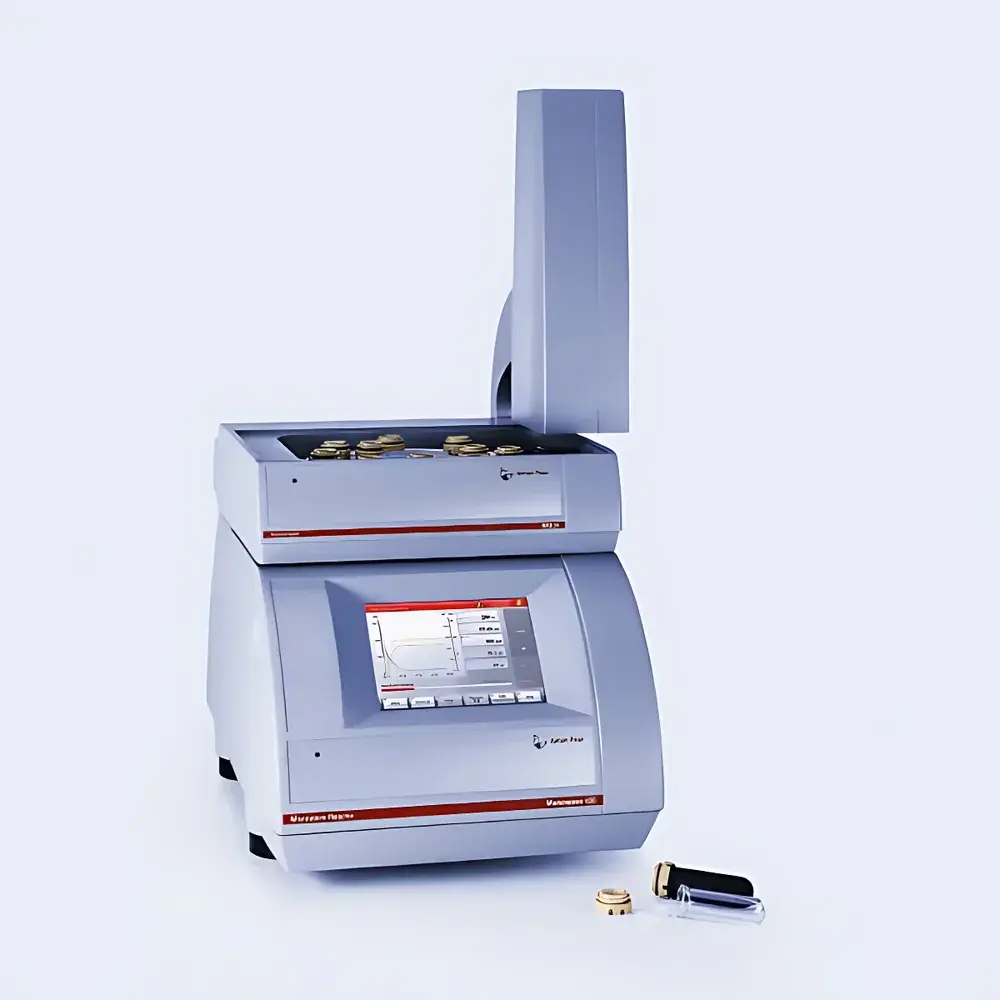
- 8.4-inch capacitive touchscreen interface running Monowave Control Software v5.x—supporting graphical method programming, gradient ramping, and hold-step sequencing
- Integrated digital camera module with 1080p resolution and real-time video streaming—enabling visual monitoring of color transitions, precipitation onset, dissolution kinetics, and magnetic stirring performance
- Optional MAS 24 robotic autosampler—enabling unattended sequential processing of up to 24 samples with programmable cooling delay and vessel recognition
- Full-pressure containment design certified to PED 2014/68/EU and ASME BPVC Section VIII Div. 1—with redundant mechanical and electronic overpressure release mechanisms
Sample Compatibility & Compliance
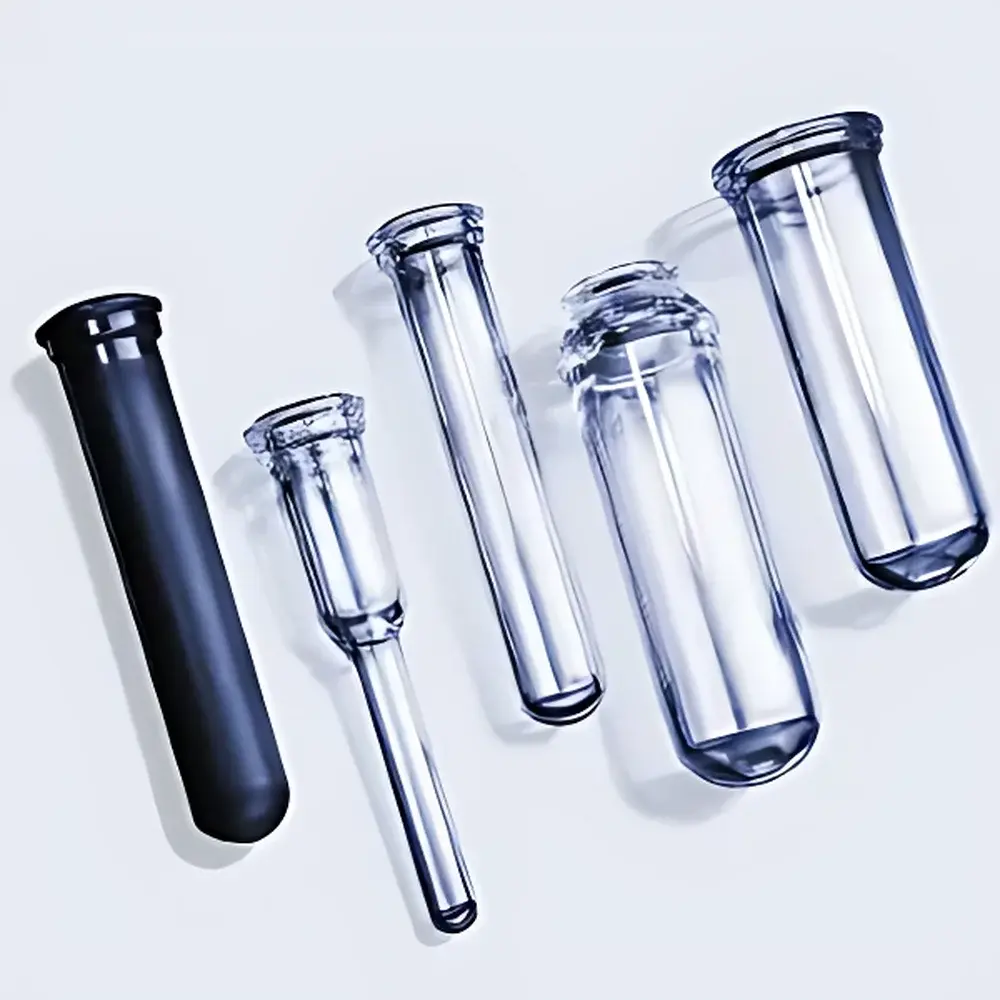
The Monowave 450 accommodates standard reaction vessels fabricated from borosilicate glass or silicon carbide (SiC), each sealed with PEEK caps featuring perfluoroelastomer (FFKM)-coated silicone gaskets. Vessel configurations include 4 mL, 10 mL, and 30 mL formats—supporting fill volumes of 2 mL, 6 mL, and 20 mL respectively. The system complies with international safety and data integrity standards including IEC 61000-6-3 (EMC), IEC 61010-1 (electrical safety), and FDA 21 CFR Part 11 when paired with optional audit-trail-enabled software licensing. All methods, raw sensor logs, and video metadata are timestamped and stored in encrypted SQLite databases—ensuring traceability for GLP/GMP audits and ISO/IEC 17025-accredited laboratories.
Software & Data Management
Monowave Control Software provides a unified environment for method creation, execution, and post-run analysis. Users define multi-stage temperature/pressure/time profiles with adjustable ramp rates, dynamic pressure compensation, and automatic end-point detection based on slope thresholds. Data export supports CSV, PDF, and XML formats—including full thermal histories, pressure curves, and annotated video snapshots. Method libraries support version-controlled archiving, user-specific access permissions, and integration with LIMS via RESTful API. Optional Electronic Lab Notebook (ELN) synchronization ensures alignment with enterprise-scale digital lab infrastructure.
Applications
- Routine extraction of organic pollutants (PAHs, PCBs, pesticides) from soil, sediment, and biota matrices per EPA Method 3546
- Accelerated digestion of biological tissues and plant material for elemental analysis (ICP-MS/OES)
- Development and validation of robust MAE protocols for pharmacopeial compliance (USP , Ph. Eur. 2.2.57)
- High-throughput screening of catalyst performance under extreme thermal conditions
- Stability testing of active pharmaceutical ingredients (APIs) and excipients under controlled oxidative stress
- Preparation of nanomaterial precursors requiring precise nucleation kinetics control
FAQ
What is the maximum allowable reaction volume for the Monowave 450?
The system supports up to 20 mL fill volume in 30 mL SiC or borosilicate vessels—subject to pressure and thermal load constraints defined in the validated method library.
Is the optical fiber temperature sensor recalibration required between runs?
No—ruby fluorescence calibration is factory-performed and drift-free over the instrument’s service life; periodic verification against NIST-traceable reference standards is recommended annually.
Can the Monowave 450 be integrated into an automated laboratory workflow?
Yes—via Ethernet-connected MAS 24 autosampler and OPC UA-compatible software interface, enabling orchestration with liquid handlers, balance systems, and downstream analyzers.
Does the system support method transfer from Monowave 400 or 200 platforms?
Yes—backward compatibility is maintained through shared file formats and parameter mapping logic; however, pressure/temperature ceiling differences require empirical re-optimization for legacy protocols.
How is data integrity ensured during long-duration extractions (e.g., >24 h)?
Continuous logging buffers data to non-volatile memory with cyclic overwrite protection; power-fail recovery preserves all timestamps, sensor readings, and video frame indices without loss.



