
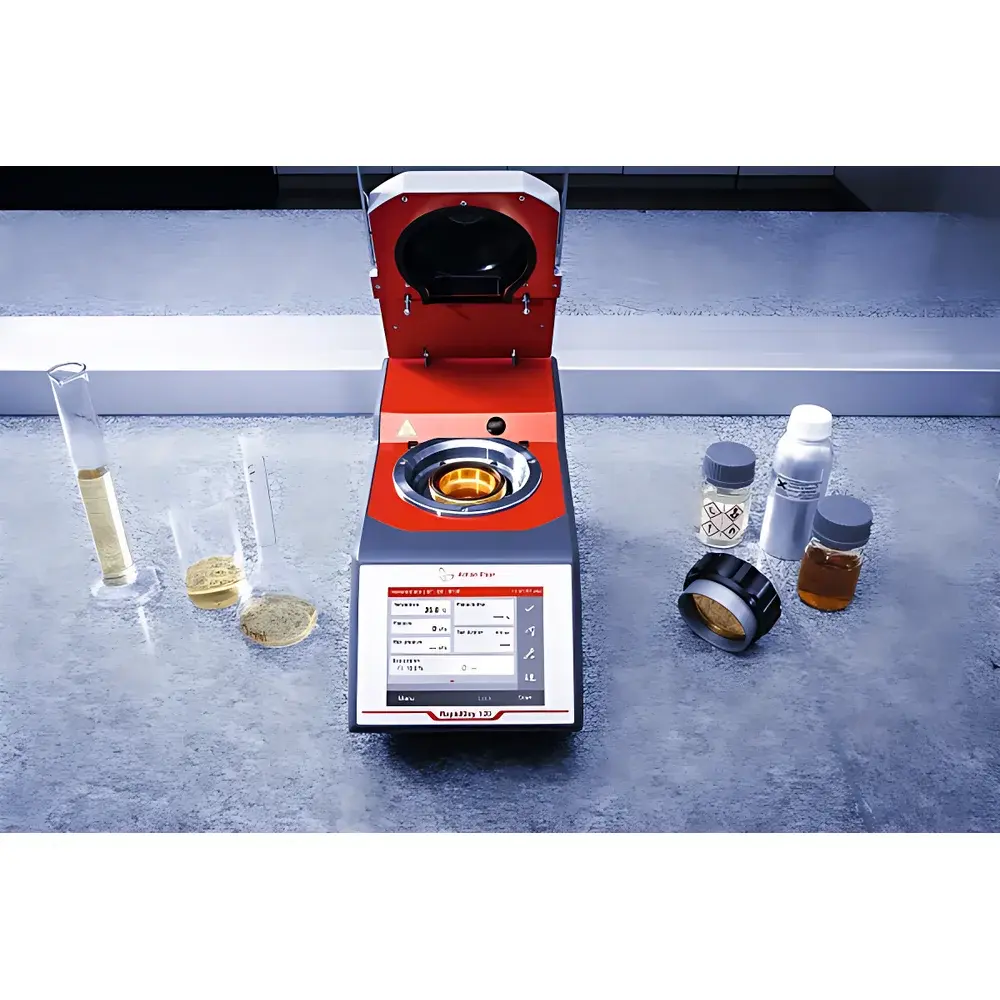
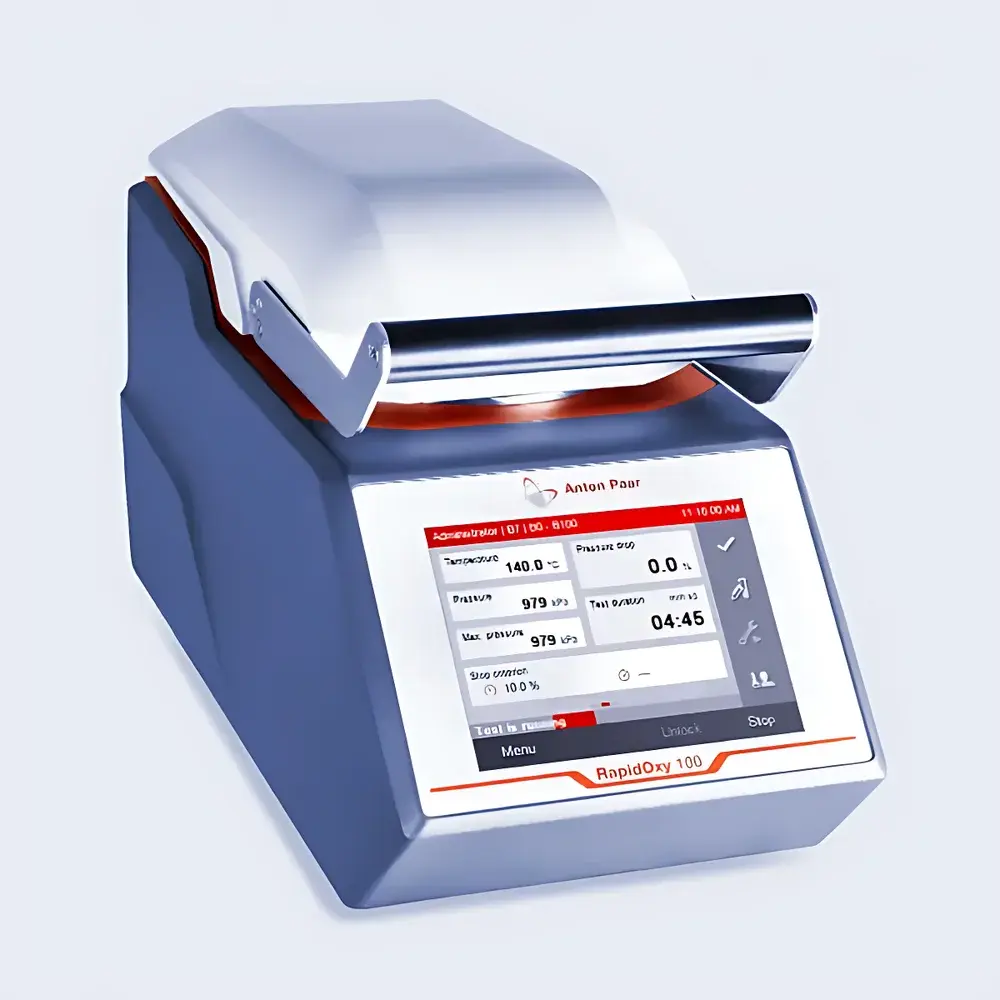
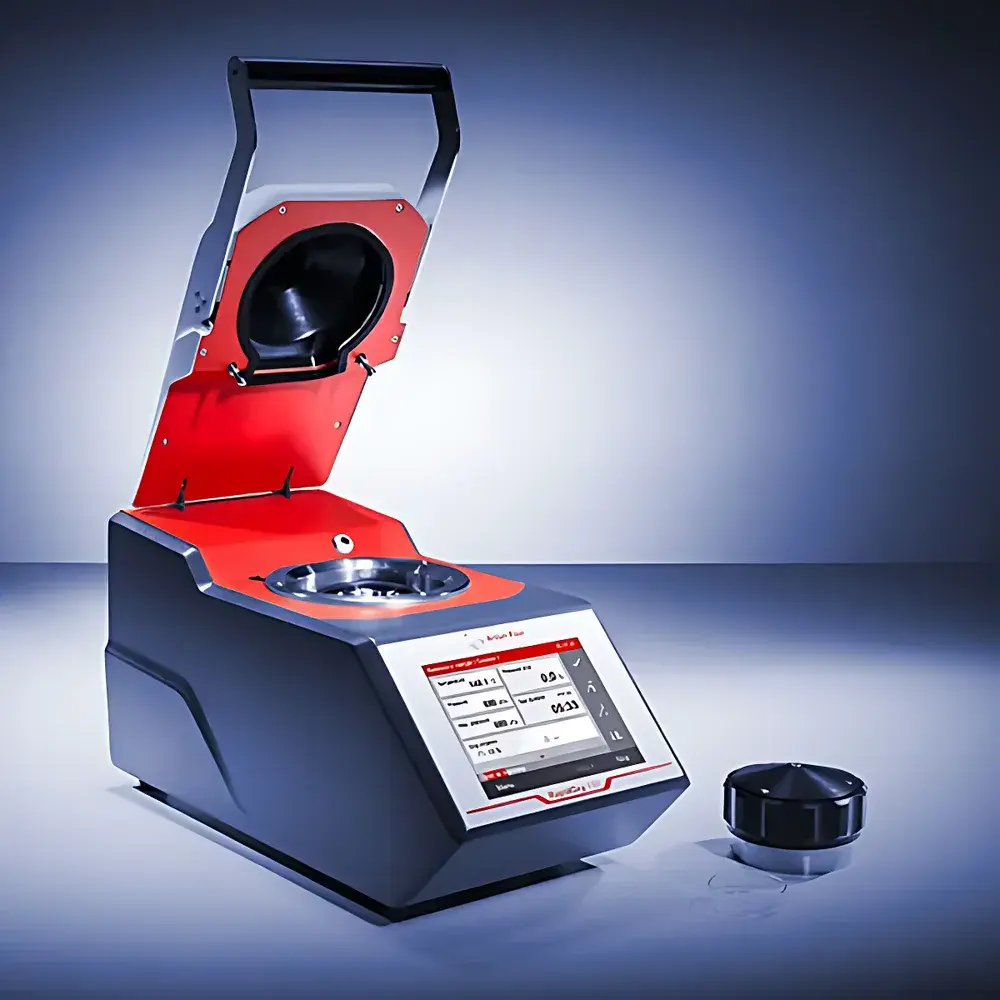
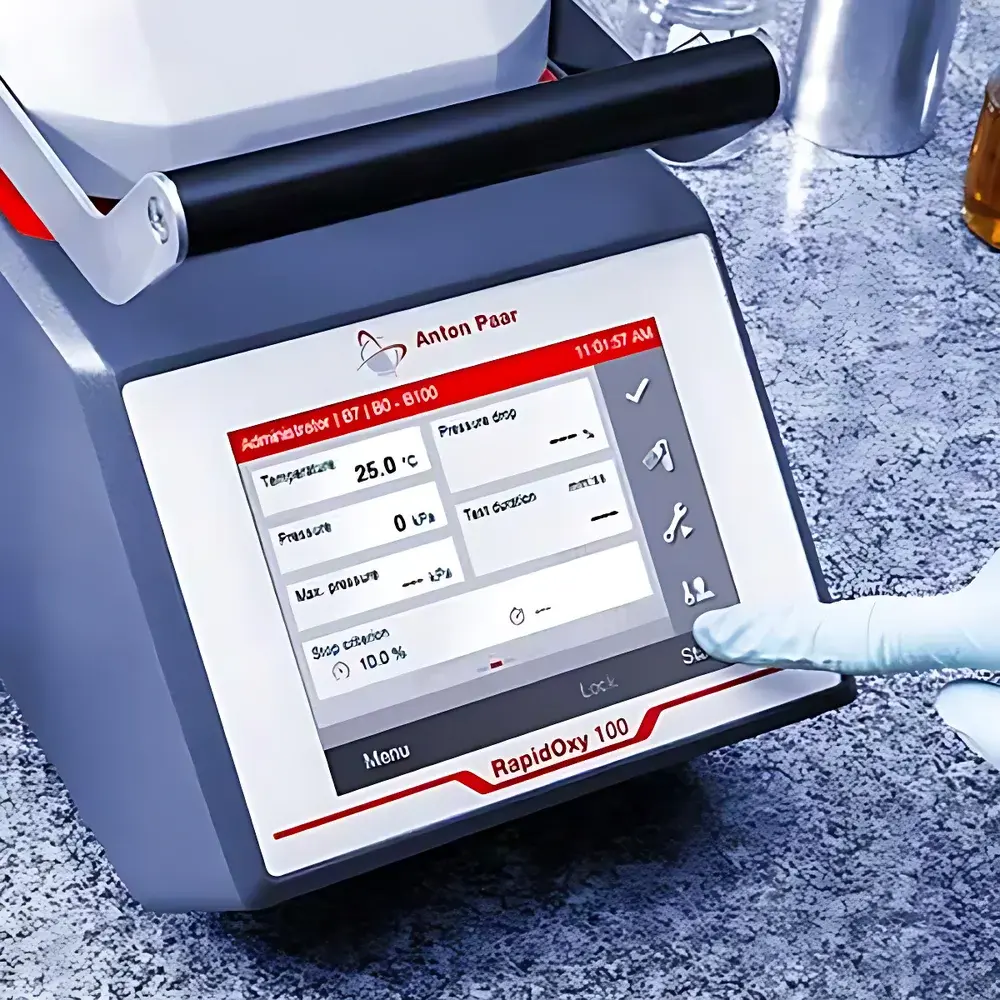
Anton Paar RapidOxy 100 Oxidation Stability Tester
| Brand | Anton Paar |
|---|---|
| Origin | Germany |
| Manufacturer Type | Original Equipment Manufacturer (OEM) |
| Origin Category | Imported |
| Model | RapidOxy 100 |
| Pricing | Available upon Request |
Overview
The Anton Paar RapidOxy 100 is a benchtop oxidation stability tester engineered for rapid, reproducible assessment of oxidative resistance in liquid and semi-solid samples—primarily fuels, lubricants, edible oils, biodiesels, and specialty fats. It operates on the principle of accelerated oxygen pressure differential measurement: a precisely controlled oxygen atmosphere is introduced into a sealed, heated sample chamber; oxidation onset is detected by monitoring real-time pressure drop caused by oxygen consumption during autoxidation. This method eliminates reliance on chemical indicators or off-line analytical techniques, delivering quantifiable induction periods (IP) in minutes rather than days. Designed to meet stringent international standard requirements—including ASTM D8206 (Standard Test Method for Oxidation Stability of Fuels by Oxygen Pressure Differential), ASTM D7525 (for biodiesel), ASTM D7545 (for diesel), and EN 16091—the RapidOxy 100 delivers traceable, auditable results suitable for R&D, quality control, and regulatory submission workflows.
Key Features
- Accelerated testing with induction period determination in as little as 10–30 minutes—up to 20× faster than conventional Rancimat or PetroOxy methods
- Minimal sample requirement: only 5 mL (liquid) or 4 g (semi-solid), reducing cost and waste—critical for high-value or limited-availability materials
- Temperature range up to 180 °C, programmable in 0.1 °C increments, with Peltier-assisted active cooling enabling <10-minute cooldown between runs
- Integrated safety architecture: motorized safety shield locks automatically at test initiation; dual redundant overpressure (max 1800 kPa) and overtemperature cutoffs; certified per BAM (German Federal Institute for Materials Research and Testing)
- Self-contained operation: full touchscreen interface displays real-time pressure/temperature/time curves, test status, and final IP values—no external PC required
- Robust sample chamber: gold-plated aluminum test cell with stainless steel housing ensures chemical inertness and long-term calibration stability
Sample Compatibility & Compliance
The RapidOxy 100 accommodates a broad spectrum of oxidizable matrices without derivatization or pre-treatment: petroleum-based fuels (gasoline, diesel B0–B100), biofuels (FAME, HVO), edible oils (soybean, palm, sunflower), frying oils, lubricant base stocks, and waxes. Its design conforms to Good Laboratory Practice (GLP) expectations: all tests are timestamped, user-logged, and stored with full parameter metadata (setpoint T, initial O₂ pressure, ramp rate, termination criteria). Data integrity is reinforced via optional audit trail configuration compliant with FDA 21 CFR Part 11 when integrated with Anton Paar’s LabX software (sold separately). The instrument satisfies mandatory testing protocols across global fuel specifications (e.g., EN 590, ASTM D975) and food-grade oil standards (e.g., Codex Alimentarius, AOCS Cd 12b-92).
Software & Data Management
While fully functional as a standalone unit, the RapidOxy 100 supports seamless data export via USB (front and rear ports) and Ethernet (LAN) for network integration. Internal memory retains up to 100 complete test records—including raw pressure/time datasets, annotated curves, and calculated induction periods—with configurable overwrite policy. For centralized lab management, optional LabX LIMS connectivity enables automated result transfer, electronic signature workflows, and cross-instrument trend analysis. All exported data comply with ASTM E2500-07 (Guide for Specification, Design, and Verification of Pharmaceutical and Biopharmaceutical Manufacturing Systems) data formatting conventions.
Applications
- Formulation screening of antioxidant packages in engine oils and transmission fluids
- Stability benchmarking of virgin and recycled cooking oils under thermal stress
- Batch release testing of biodiesel (B100) per EN 14214 oxidation limits
- Shelf-life prediction modeling for nutraceutical lipids and encapsulated omega-3 concentrates
- Correlation studies between RapidOxy IP and real-time storage trials (e.g., AOCS Cd 12b-92)
- Regulatory compliance verification for aviation turbine fuels (ASTM D3241)
FAQ
What standards does the RapidOxy 100 support?
It is validated for ASTM D8206, ASTM D7525, ASTM D7545, and EN 16091.
Can it test solid or viscous samples?
Yes—samples up to 4 g (including waxes, greases, and hydrogenated fats) are compatible with the standard test cell.
Is method development required for new sample types?
No. Predefined method templates cover common matrices; users may adjust temperature, initial pressure, and termination thresholds within validated operating ranges.
How is data security ensured during GLP audits?
With LabX software, full electronic audit trails—including user ID, timestamp, parameter changes, and result approvals—are generated and exportable in PDF/A format.
What maintenance is required?
Routine cleaning uses lint-free tissue and ethanol; no consumables or recalibration kits are needed within the first 12 months of operation.
Related Products





