
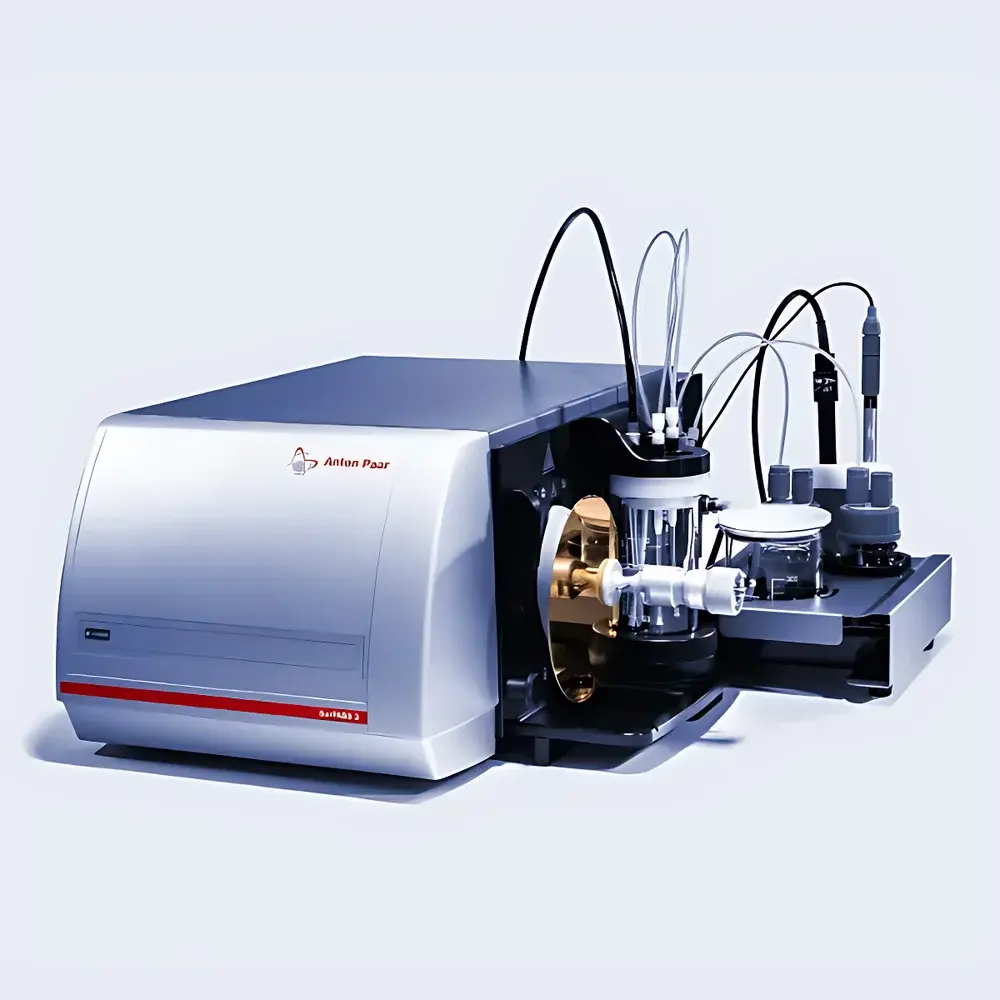
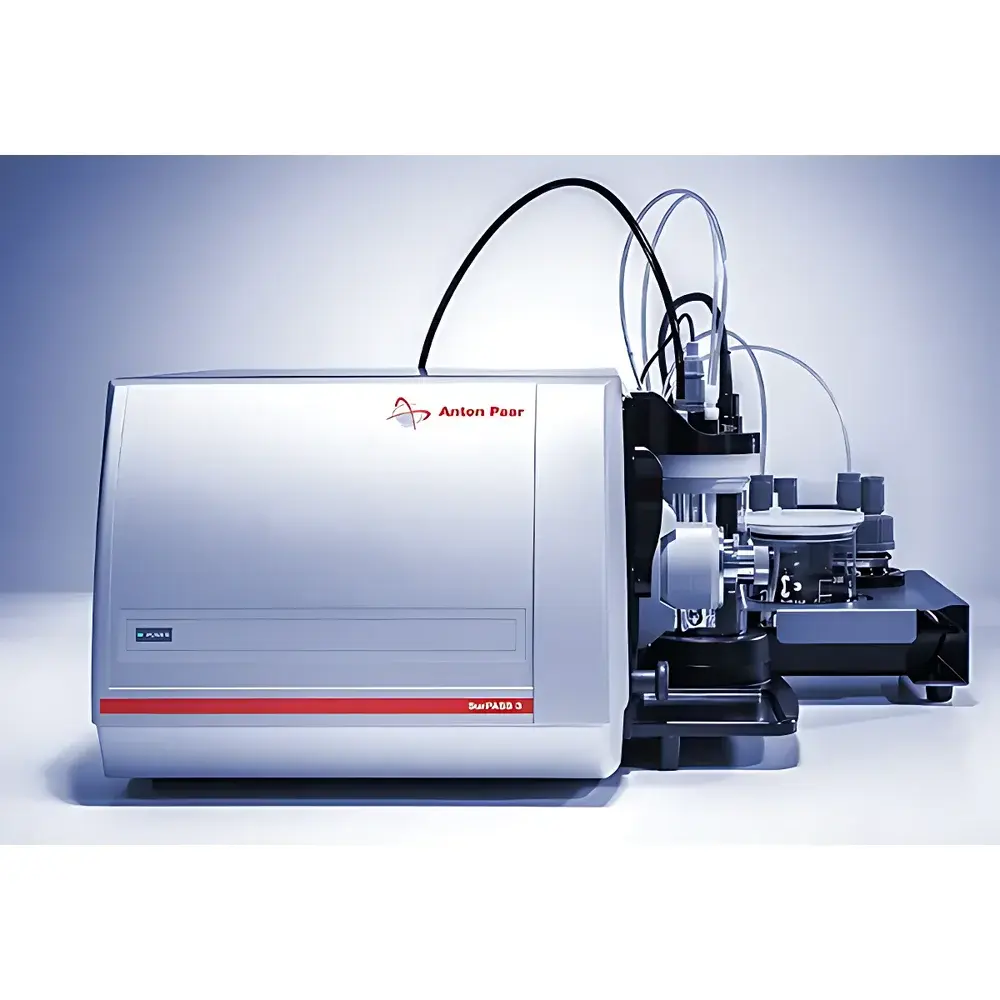
Anton Paar SurPASS 3 Solid Surface Zeta Potential Analyzer
| Brand | Anton Paar |
|---|---|
| Origin | Austria |
| Manufacturer Type | Original Equipment Manufacturer (OEM) |
| Origin Category | Imported Instrument |
| Model | SurPASS 3 |
| Measurement Principle | Streaming Potential Method |
| pH Range | pH 2 – pH 12 |
| Temperature Range | 20 °C to 40 °C |
| Temperature Control | Integrated Peltier-based thermostating |
| Sample Compatibility | Flat solids (min. 20 mm × 10 mm, ≤2 mm thick |
Overview
The Anton Paar SurPASS 3 Solid Surface Zeta Potential Analyzer is an advanced electrokinetic characterization instrument engineered for the quantitative determination of zeta potential at macroscopic solid–liquid interfaces. Unlike colloidal zeta potential analyzers that rely on electrophoretic mobility of dispersed particles, the SurPASS 3 employs the streaming potential method—a thermodynamically rigorous technique grounded in the Helmholtz–Smoluchowski equation—to directly assess surface charge behavior of intact, unmodified solid materials. This principle leverages controlled electrolyte flow across a sample surface under defined pressure gradients, inducing charge separation within the electrical double layer (EDL). The resulting streaming potential (voltage) or streaming current (current) is measured with high-fidelity analog-to-digital conversion, enabling precise calculation of zeta potential without tracer particles or suspension preparation. The instrument operates within a tightly regulated temperature window (20–40 °C) via integrated Peltier elements and supports real-time monitoring of solution pH (2–12), conductivity (0.1–1000 mS/m), and pressure (up to 3500 mbar), ensuring traceable, reproducible measurements compliant with fundamental interfacial electrochemistry theory.
Key Features
- Streaming potential and streaming current measurement modes—dual-output capability for cross-validated zeta potential derivation
- High-resolution pressure control (±0.2% + 0.5 mbar) with external N₂ supply support (>1200 mbar differential pressure)
- Simultaneous in-line acquisition of pH, conductivity, temperature, and pressure—no external sensors or manual logging required
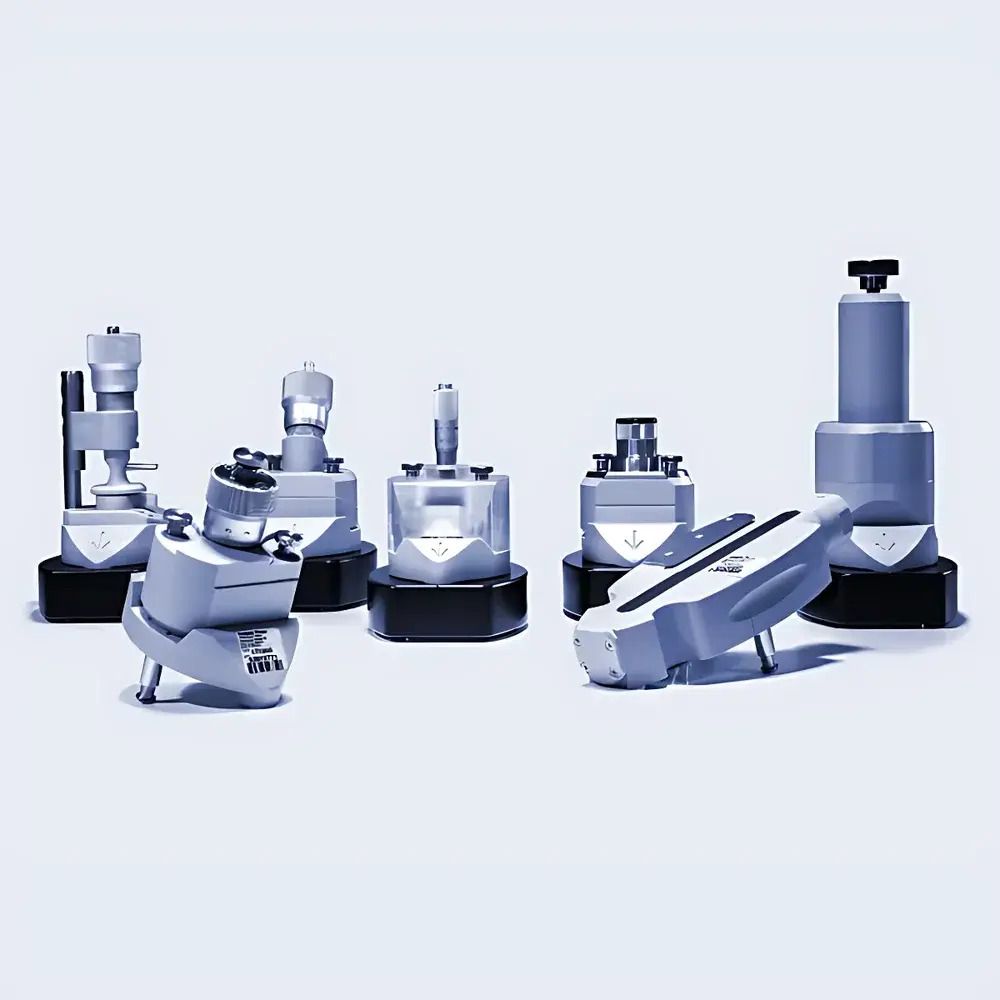
- Modular sample cell architecture accommodating flat solids, discs, fibers, powders, membranes, monoliths, and hollow-fiber geometries
- Zeta potential reproducibility: ±0.5 mV; isoelectric point (IEP) reproducibility: ±0.1 pH unit
- Comprehensive material compatibility—including hydrophobic polymers, ceramic filters, metal oxides, biomedical scaffolds, and functionalized textiles
- Self-calibrating electronics with built-in reference channels for long-term signal stability
Sample Compatibility & Compliance
The SurPASS 3 accepts diverse physical forms without requiring sample fragmentation or dispersion: rigid plates (minimum 20 × 10 mm, thickness ≤2 mm; or 35 × 15 mm, ≤40 mm), circular discs (Ø14–17 mm), fibrous assemblies (≥100 mg), granular media (dₚ ≥25 µm), asymmetric membranes, and porous monoliths (e.g., ceramic discs Ø14 mm, single/multi-channel tubular modules Ø10–30 mm). All measurements adhere to ISO 14422 (Determination of zeta potential of solid surfaces by streaming potential), ASTM D7829 (Standard Test Method for Streaming Potential of Solid Surfaces), and principles aligned with IUPAC recommendations on interfacial electrokinetics. Data integrity meets GLP and GMP requirements through audit-trail-enabled software, electronic signatures, and 21 CFR Part 11–compliant user access control.
Software & Data Management
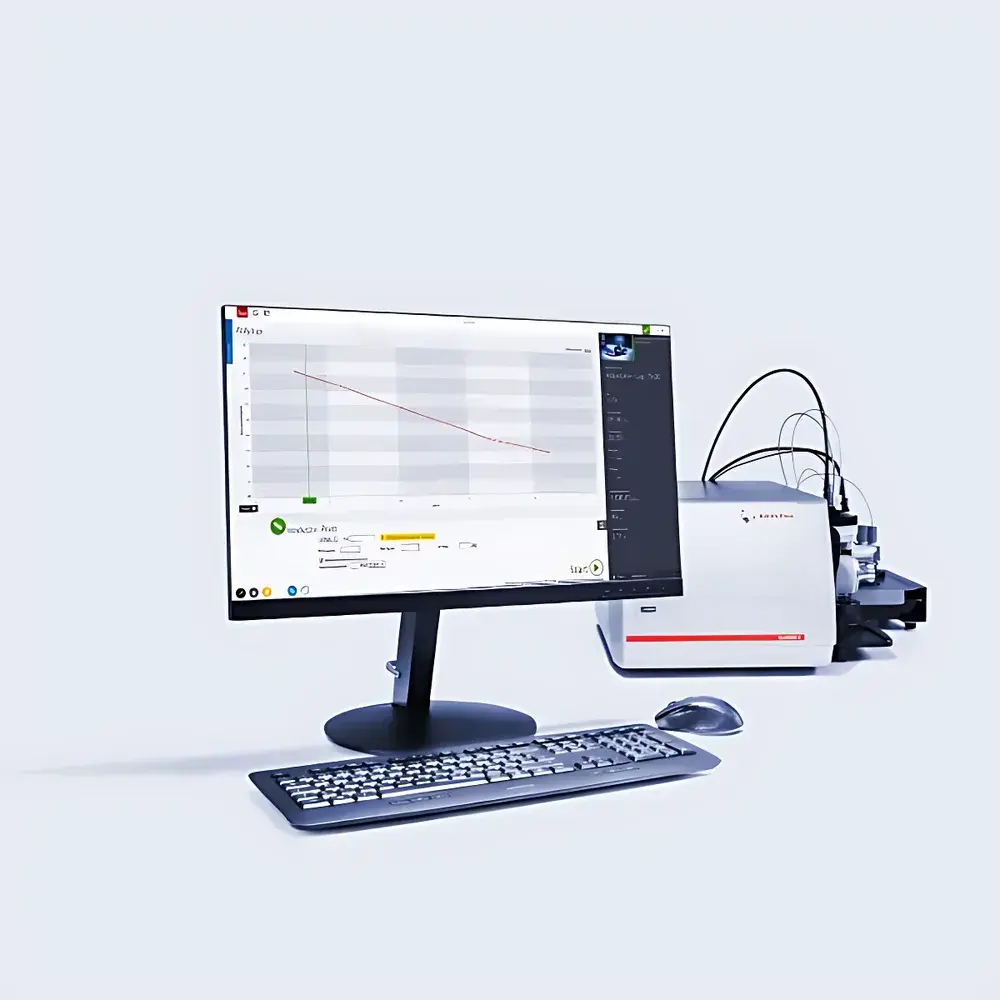
The proprietary SurPASS Software (v3.x) runs on Windows 10/8.1/7 (64-bit, ≥4 GB RAM, ≥20 GB free space) and provides full experimental workflow automation—from method definition and parameter validation to real-time curve fitting and statistical reporting. It implements automated baseline correction, EDL model selection (Helmholtz–Smoluchowski vs. Ohshima corrections), and multi-parameter regression for zeta potential extraction. Raw data (voltage, current, pressure, pH, conductivity, temperature) are stored in HDF5 format with embedded metadata, supporting FAIR (Findable, Accessible, Interoperable, Reusable) data principles. Export options include CSV, PDF reports, and MATLAB-compatible binaries. Software validation documentation (IQ/OQ/PQ protocols) is available for regulated environments.
Applications
- Surface modification optimization—quantifying charge reversal after plasma treatment, silanization, or polymer grafting
- Adsorption/desorption kinetics of surfactants, proteins, or polyelectrolytes onto filtration membranes or catalyst supports
- Hydrophilicity/hydrophobicity mapping via pH-dependent zeta potential curves and IEP determination
- Colloidal stability prediction of composite coatings and functionalized nanoparticles anchored on substrates
- Cleanliness assessment of semiconductor wafers and medical device surfaces through charge heterogeneity analysis
- Mineral processing—surface charge profiling of ores, clays, and flotation reagent interactions
- Textile science—evaluating cationic/anionic dye affinity and antimicrobial coating efficacy
FAQ
How does the SurPASS 3 differ from electrophoretic zeta potential analyzers?
The SurPASS 3 measures zeta potential at fixed solid–liquid interfaces using streaming potential/current, whereas electrophoretic instruments measure particle mobility in suspension—making the SurPASS 3 uniquely suited for native, macroscopic materials.
Can it measure zeta potential of rough or porous surfaces?
Yes—the instrument accommodates porous films, ceramic monoliths, and fibrous mats; flow path geometry and pressure calibration account for permeability effects per ISO 14422 Annex B.
Is pH adjustment performed automatically during titration experiments?
No—pH titration requires external burette integration via optional dosing module; the SurPASS 3 monitors pH in real time but does not dispense reagents autonomously.
What electrolyte concentrations are recommended for reliable zeta potential calculation?
Conductivity between 1–100 mS/m (e.g., 1 mM–10 mM KCl) is optimal; extremely low (500 mS/m) conductivities reduce signal-to-noise ratio and necessitate Ohshima correction.
Does the system support Good Manufacturing Practice (GMP) workflows?
Yes—software includes role-based access control, electronic signatures, audit trails, and configurable report templates compliant with FDA 21 CFR Part 11 and EU Annex 11 requirements.



