
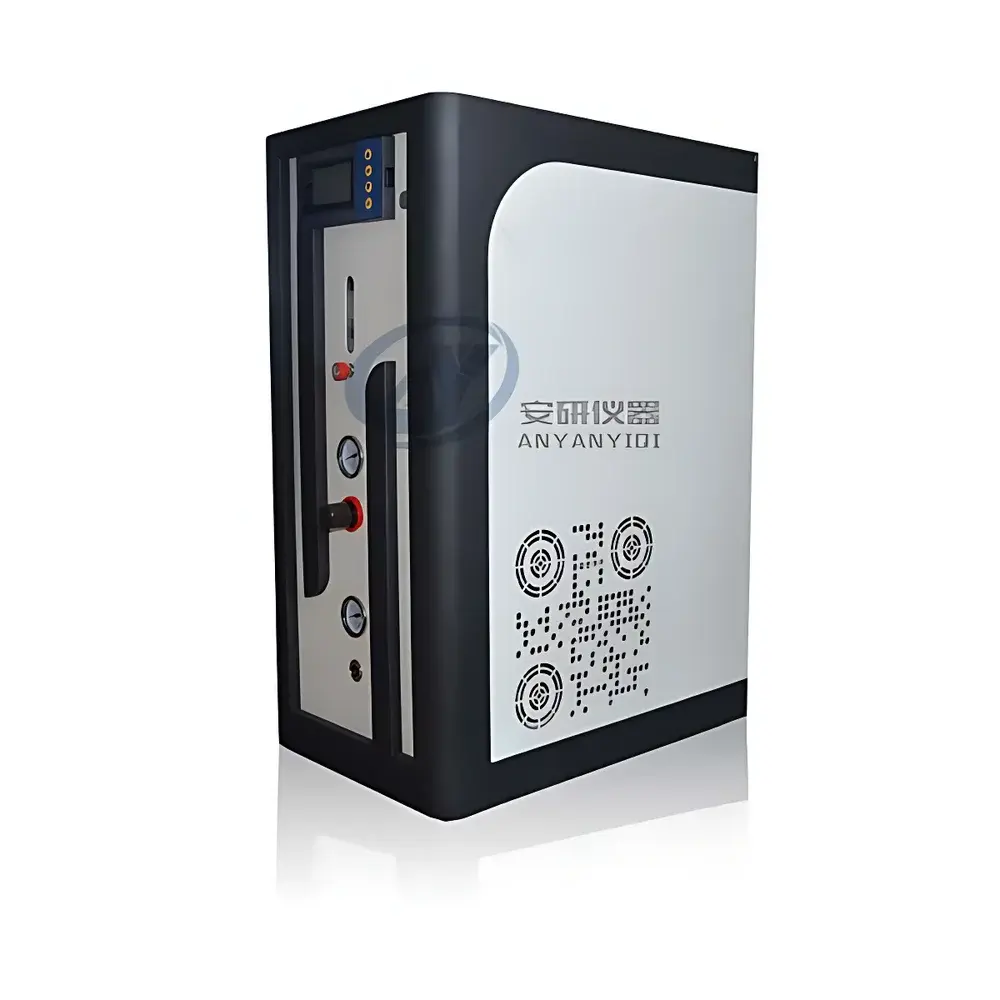
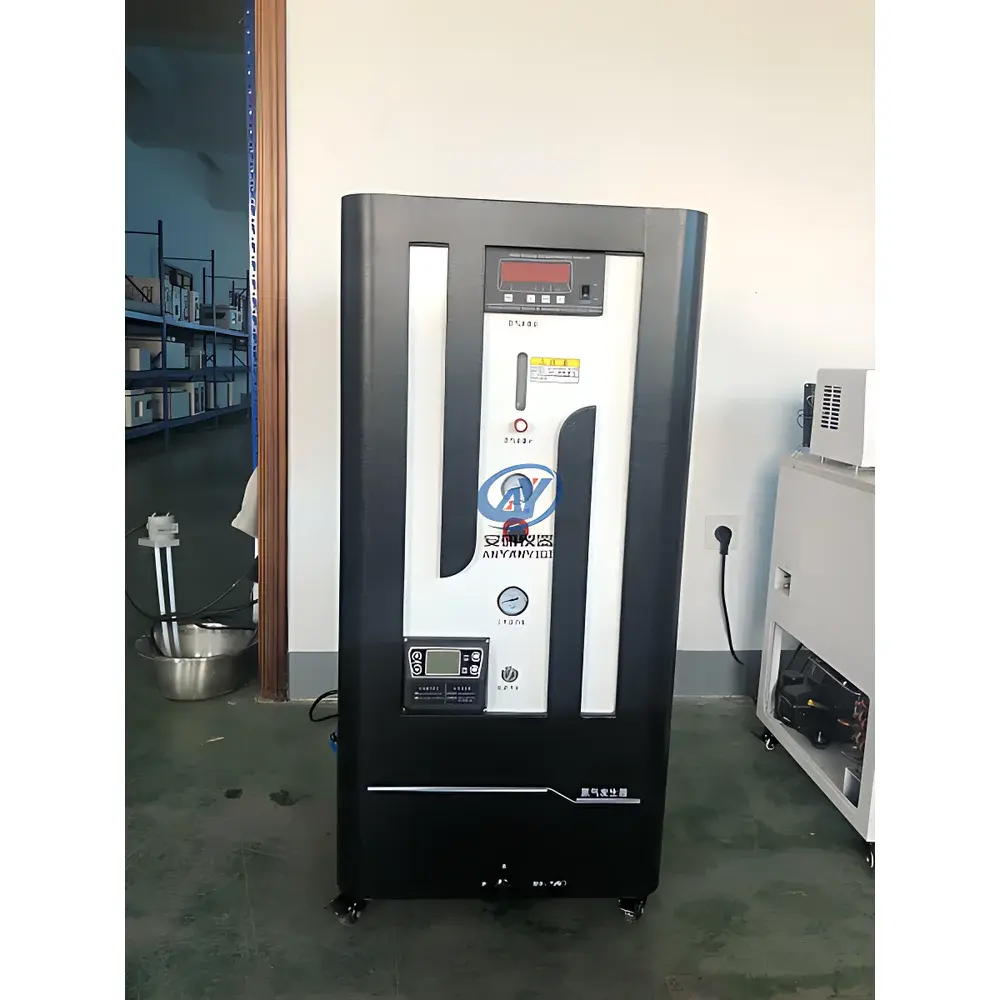
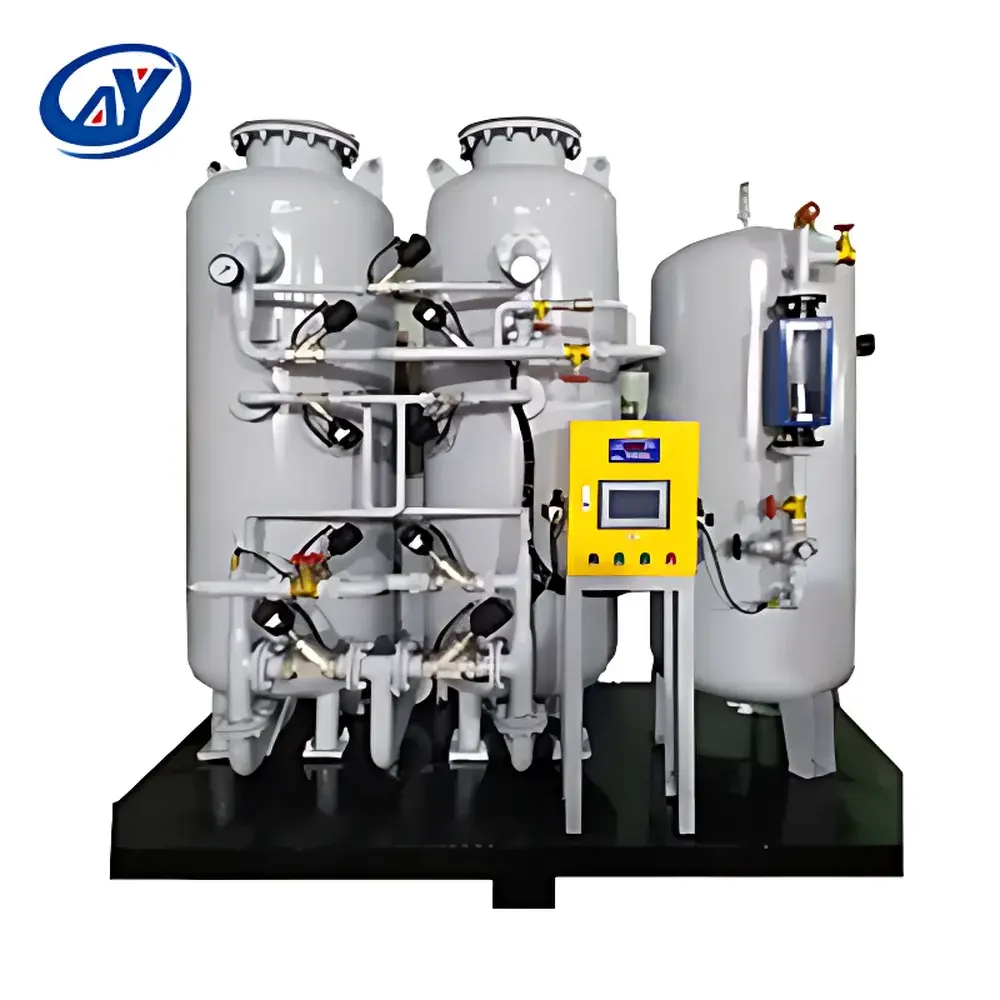
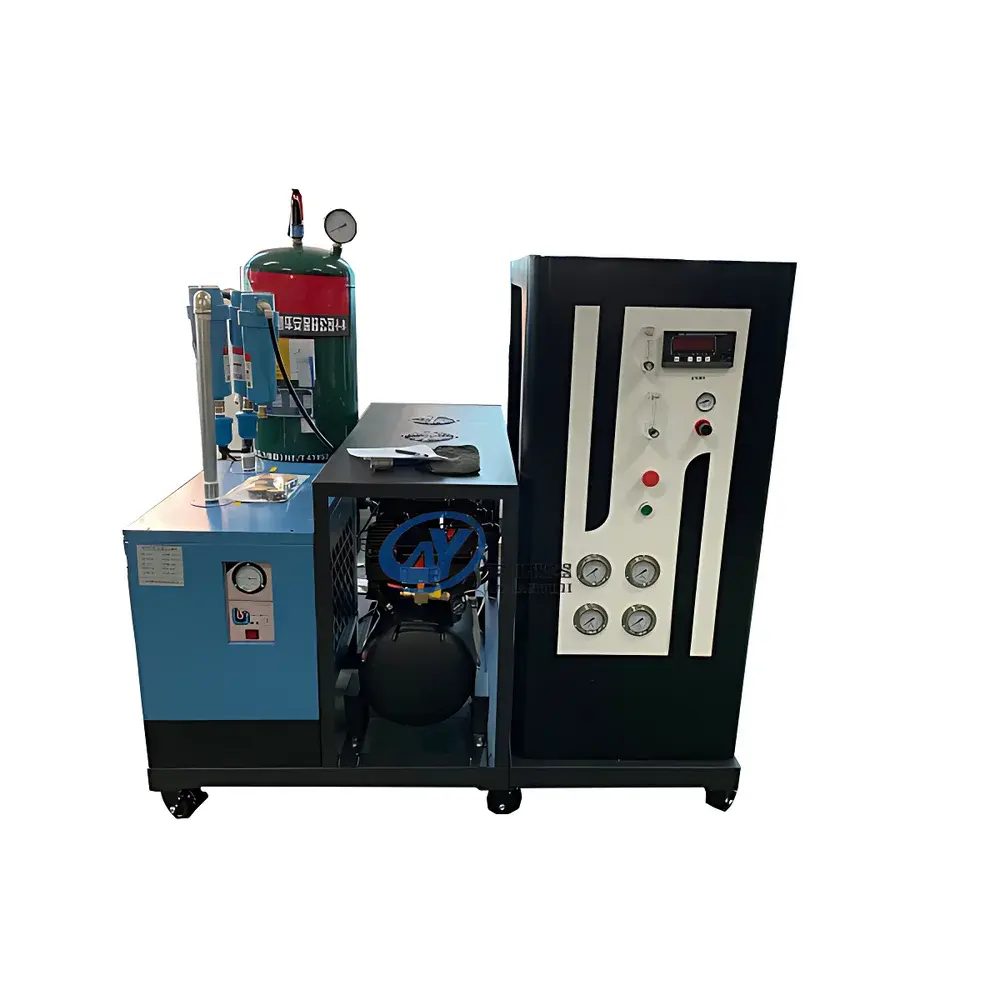
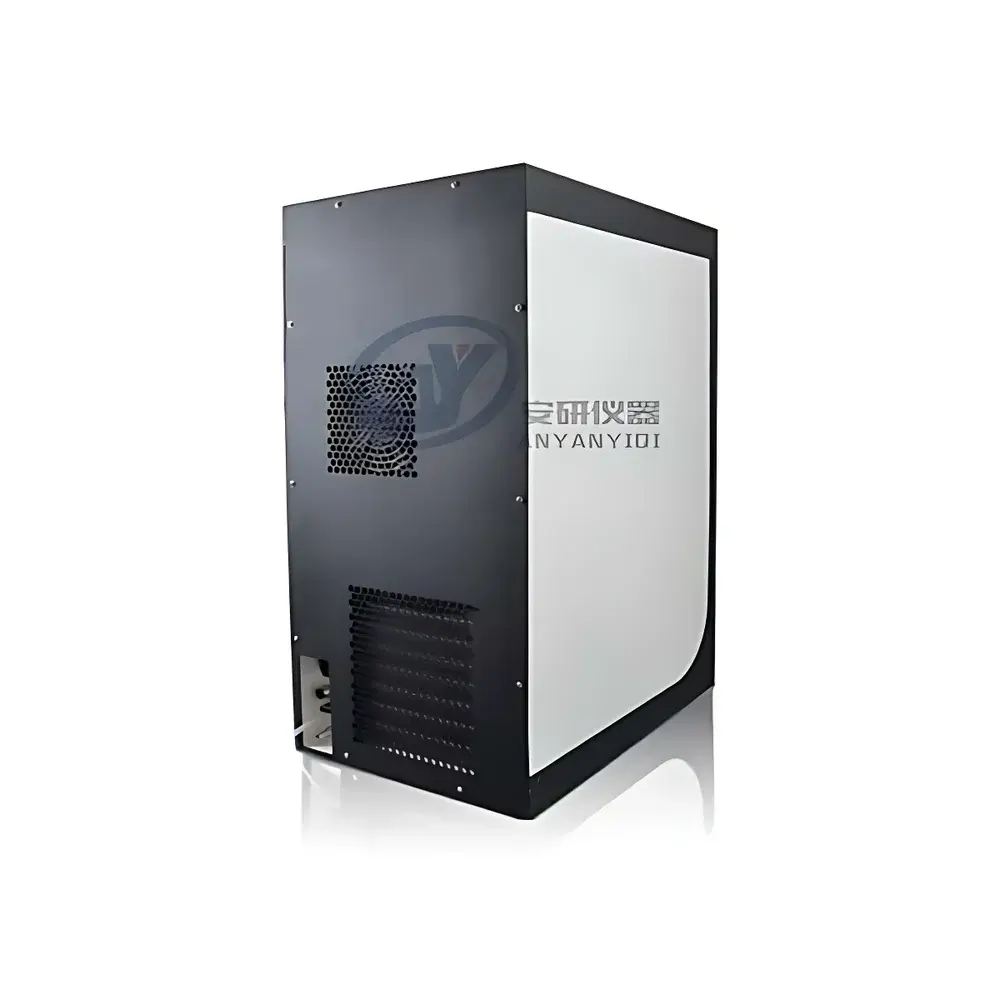
Anyan AYAN-100L PSA Nitrogen Generator with 99.999% Purity
| Brand | Anyan Instruments (Hangzhou) |
|---|---|
| Origin | Zhejiang, China |
| Manufacturer Type | Authorized Distributor |
| Product Origin | Domestic (China) |
| Model | AYAN-100L |
| Nitrogen Production Principle | Pressure Swing Adsorption (PSA) |
| Output Flow Rate | 100 m³/h |
| Output Pressure Range | 0–0.6 MPa |
| Nitrogen Purity | 99.999% |
| Dew Point | −40 °C |
| Air Inlet Connection | DN50 |
| Nitrogen Outlet Connection | DN25 |
| Construction Material | Food-Grade 304 Stainless Steel |
| Control System | PLC-Based Cabinet |
| Structural Design | Skid-Mounted with Load-Bearing Base |
| Monitoring Instruments | Integrated N₂ purity analyzer, flow meter, and pressure gauges |
| Compliance | Designed for GLP-compliant laboratory environments |
| supports audit-ready operation per ISO 8573-1 | 2010 Class 2 (oil-free, particle-free, dew point ≤ −40 °C) |
Overview
The Anyan AYAN-100L PSA Nitrogen Generator is an industrial-grade, skid-mounted nitrogen supply system engineered for continuous, on-site production of high-purity nitrogen gas (99.999%) from ambient compressed air. It operates on the well-established principle of Pressure Swing Adsorption (PSA), leveraging the kinetic selectivity of carbon molecular sieve (CMS) to separate nitrogen from oxygen and other atmospheric components under ambient temperature and low-pressure conditions. Unlike cryogenic or membrane-based systems, PSA technology achieves stable, high-purity output without requiring refrigeration or high-pressure differentials—making it especially suitable for laboratories, analytical instrument support (e.g., LC-MS, GC carrier gas), and pilot-scale process applications where reliability, low operational cost, and regulatory traceability are critical. The unit integrates a dual-tower adsorption architecture with automatic cyclic switching (typical cycle time: ~120 seconds), enabling uninterrupted nitrogen delivery while one tower adsorbs oxygen and the other undergoes depressurization and regeneration.
Key Features
- Stable 99.999% nitrogen purity certified via integrated electrochemical purity analyzer with real-time digital display and analog output (4–20 mA)
- Rated output capacity of 100 m³/h at 0–0.6 MPa, adjustable within operational range to match downstream demand fluctuations
- Multi-stage air pretreatment train: coalescing filter + refrigerated dryer + high-efficiency particulate/oil removal filter (0.01 µm, ≤0.003 mg/m³ oil carryover)
- Adsorption towers packed with premium-grade carbon molecular sieve, pre-conditioned and validated for ≥20,000 operating hours
- Full PLC control system with HMI interface supporting manual/automatic mode selection, alarm logging, and event history (retention: 30 days)
- Food-grade 304 stainless steel wetted parts throughout the nitrogen path—including adsorption vessels, piping, valves, and buffer tanks—to ensure corrosion resistance and compliance with ISO 8573-1:2010 Class 2 specifications
- Skid-mounted structural design with anti-vibration mounts and load-distributed base frame for rapid installation and facility integration
- Comprehensive instrumentation suite: digital flow meter (±1.5% FS accuracy), precision pressure transducers (0–1.0 MPa range), and dew point sensor (−40 °C verified)
Sample Compatibility & Compliance
The AYAN-100L is compatible with standard industrial compressed air sources meeting ISO 8573-1:2010 Class 4 (solid particles ≤15 µm, dew point ≤+3 °C, oil content ≤5 mg/m³). It delivers nitrogen conforming to ASTM D8975-23 (for analytical use) and USP Grade N2 specifications when paired with appropriate upstream air treatment. While not inherently FDA 21 CFR Part 11 compliant out-of-the-box, its PLC controller supports optional audit trail modules and electronic signature integration for GxP environments. All electrical components meet CE/IEC 61000-6-2/6-4 standards; pneumatic interfaces comply with ISO 6150 and DIN 2353. Documentation includes Factory Acceptance Test (FAT) reports, material certifications (EN 10204 3.1), and CMS performance validation data.
Software & Data Management
The embedded PLC controller provides local HMI access for parameter configuration, alarm acknowledgment, and runtime diagnostics. Optional Ethernet/IP or Modbus TCP communication enables integration into centralized facility monitoring systems (e.g., SCADA, LabVantage, or DeltaV). Data logging includes nitrogen purity (%N₂), volumetric flow (m³/h), outlet pressure (MPa), dew point (°C), and tower cycle status—stored in non-volatile memory with timestamping. Historical logs can be exported via USB or network transfer for QA review. For regulated laboratories, optional software add-ons provide electronic batch records, user access control (role-based permissions), and automated report generation aligned with ALCOA+ principles (Attributable, Legible, Contemporaneous, Original, Accurate, Complete, Consistent, Enduring, Available).
Applications
This generator serves as a primary nitrogen source for high-integrity applications including LC-MS and GC-MS carrier gas supply; blank purging in elemental analyzers (ICP-MS/OES); inert atmosphere maintenance in gloveboxes and synthesis reactors; packaging headspace flushing in pharmaceutical stability chambers; and calibration gas dilution in environmental monitoring labs. Its consistent dew point (−40 °C) and ultra-low hydrocarbon/oil carryover make it suitable for FTIR sample compartments and semiconductor metrology tools requiring Class 2 dry, clean nitrogen. It is widely deployed in R&D centers, QC/QA labs, and pilot plants across pharmaceuticals, biotechnology, petrochemicals, and advanced materials sectors.
FAQ
What compressed air quality is required for optimal operation?
Ambient air must be supplied at ≥7 bar(g) and meet ISO 8573-1:2010 Class 4 (particles ≤15 µm, dew point ≤+3 °C, oil ≤5 mg/m³). A refrigerated dryer and coalescing filter are included; additional desiccant drying may be needed in high-humidity regions.
Can output purity be adjusted below 99.999%?
Yes—purity is inversely related to flow rate. Reducing output to ≤80 m³/h typically sustains ≥99.9995%; at full 100 m³/h, guaranteed minimum is 99.999% (verified per ISO 8573-7 Annex B).
Is routine CMS replacement required?
Carbon molecular sieve degradation is minimal under proper pretreatment. Recommended replacement interval is 6–8 years based on cumulative operating hours and purity trend analysis—not calendar time.
Does the unit support remote monitoring?
Standard Modbus RTU is provided; optional Ethernet/IP or OPC UA gateways enable integration with enterprise-level lab informatics platforms.
What documentation is supplied for regulatory audits?
FAT report, CMS validation certificate, material test reports (MTRs), electrical safety certification, and IQ/OQ protocol templates are included. PQ support documentation is available upon request.



