
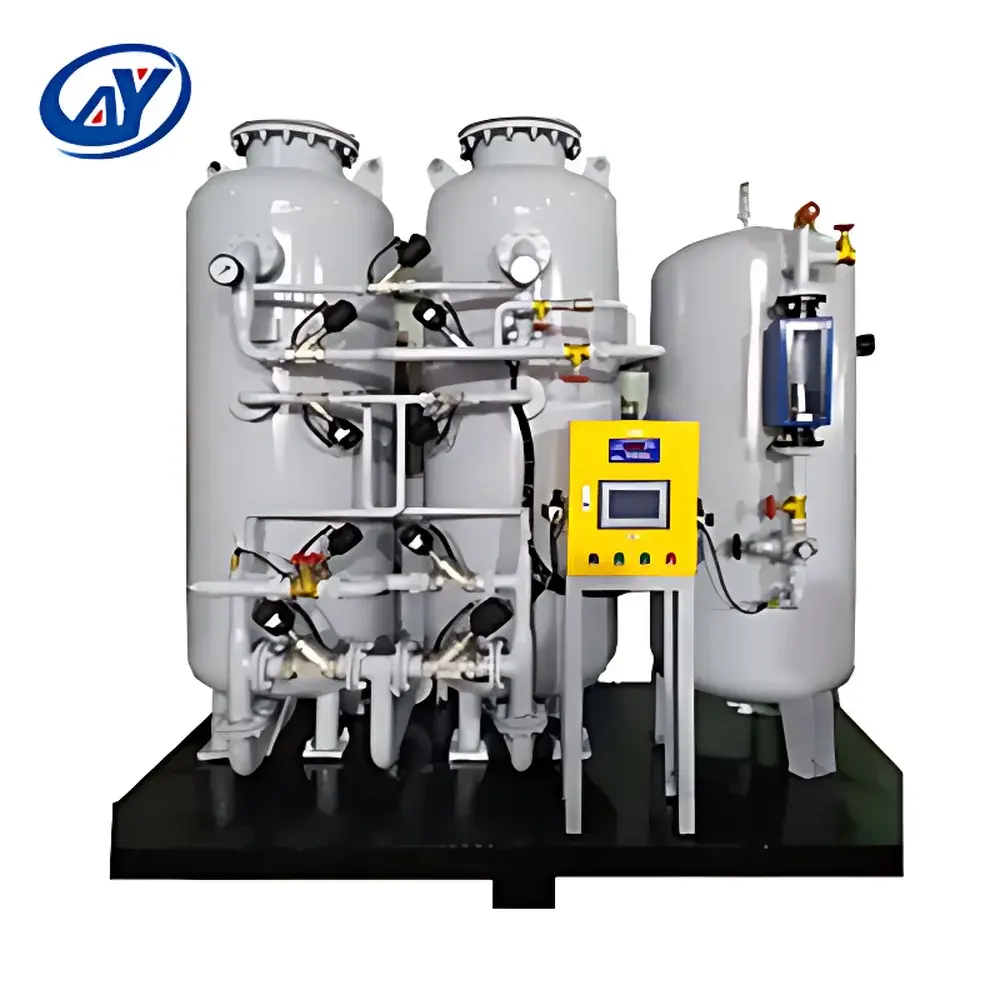
Anyan AYAN-40L PSA Nitrogen Generator
| Brand | Anyan Instruments (Hangzhou) |
|---|---|
| Origin | Zhejiang, China |
| Manufacturer Type | Authorized Distributor |
| Region Classification | Domestic (China) |
| Model | AYAN-40L1 |
| Price Range | USD 4,300 – 6,400 (FOB) |
| Nitrogen Generation Principle | Pressure Swing Adsorption (PSA) |
| Output Flow Rate | 40 L/min |
| Output Pressure | 0–0.6 MPa |
| Nitrogen Purity | 99.9% (v/v) |
| Dew Point | −40 °C |
Overview
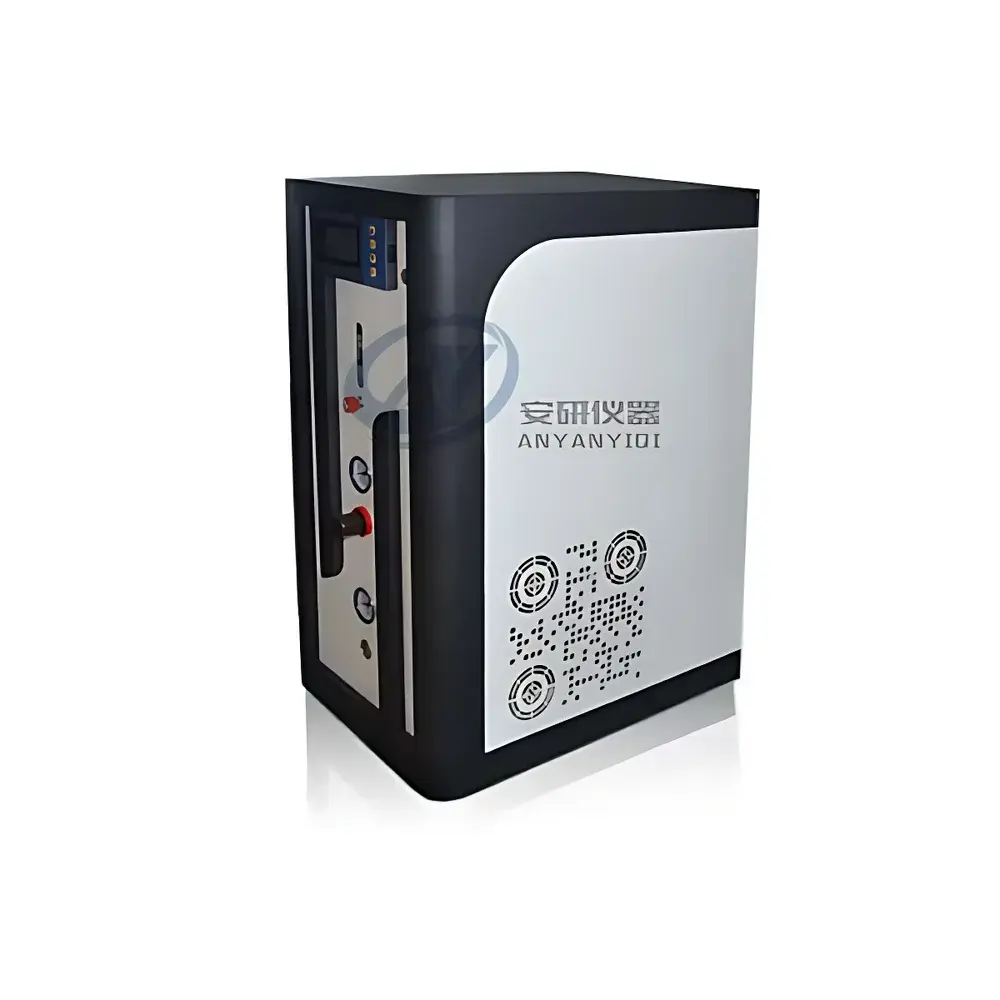
The Anyan AYAN-40L is a laboratory- and pilot-scale pressure swing adsorption (PSA) nitrogen generator engineered for continuous, on-demand production of high-purity nitrogen gas from ambient air. Utilizing carbon molecular sieve (CMS) as the selective adsorbent, the system separates nitrogen from oxygen, water vapor, CO₂, and trace hydrocarbons based on kinetic diameter differences and differential adsorption affinities under elevated pressure. During the high-pressure adsorption phase, oxygen, moisture, and smaller-molecule impurities are preferentially retained within the CMS micropores, while nitrogen—exhibiting slower diffusion kinetics—passes through the bed and is collected. Upon depressurization (desorption), the trapped gases are vented, regenerating the CMS for the next cycle. This cyclic, fully automated process delivers stable nitrogen at 99.9% purity with a dew point of −40 °C, meeting ISO 8573-1 Class 2.2.2 (compressed air quality) and supporting applications requiring inert, dry, oil-free nitrogen in analytical, synthesis, and packaging environments.
Key Features
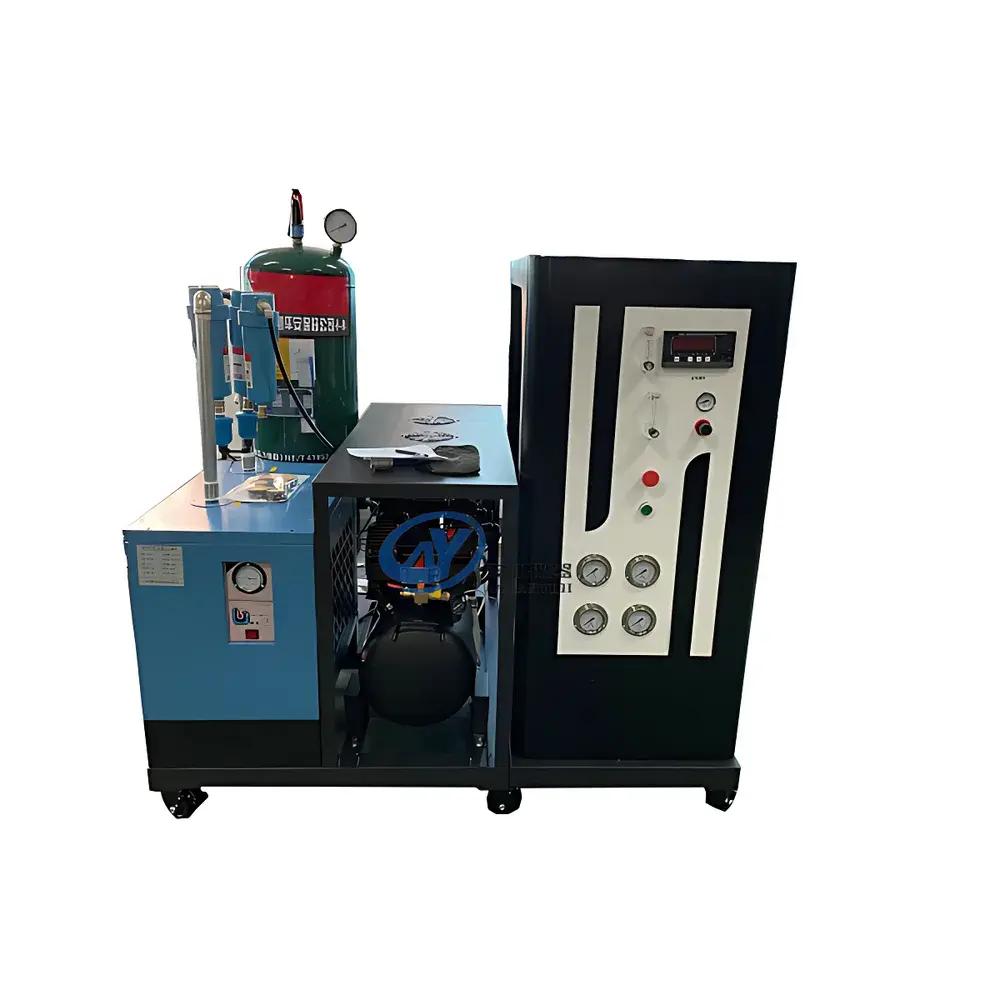
- Integrated air preparation train: Includes oil-lubricated or oil-free air compressor (user-specified), refrigerated dryer, coalescing and activated carbon filters, and precision particulate removal—ensuring CMS protection against oil carryover, moisture ingress, and particulate fouling.
- Dual-tower PSA architecture with automatic valve sequencing and real-time pressure monitoring to maintain consistent cycle timing, bed utilization, and long-term CMS integrity.
- Robust CMS containment system featuring spring-assisted tower compaction—designed to mitigate CMS fluidization, attrition, and powder generation during repeated pressurization/depressurization cycles.
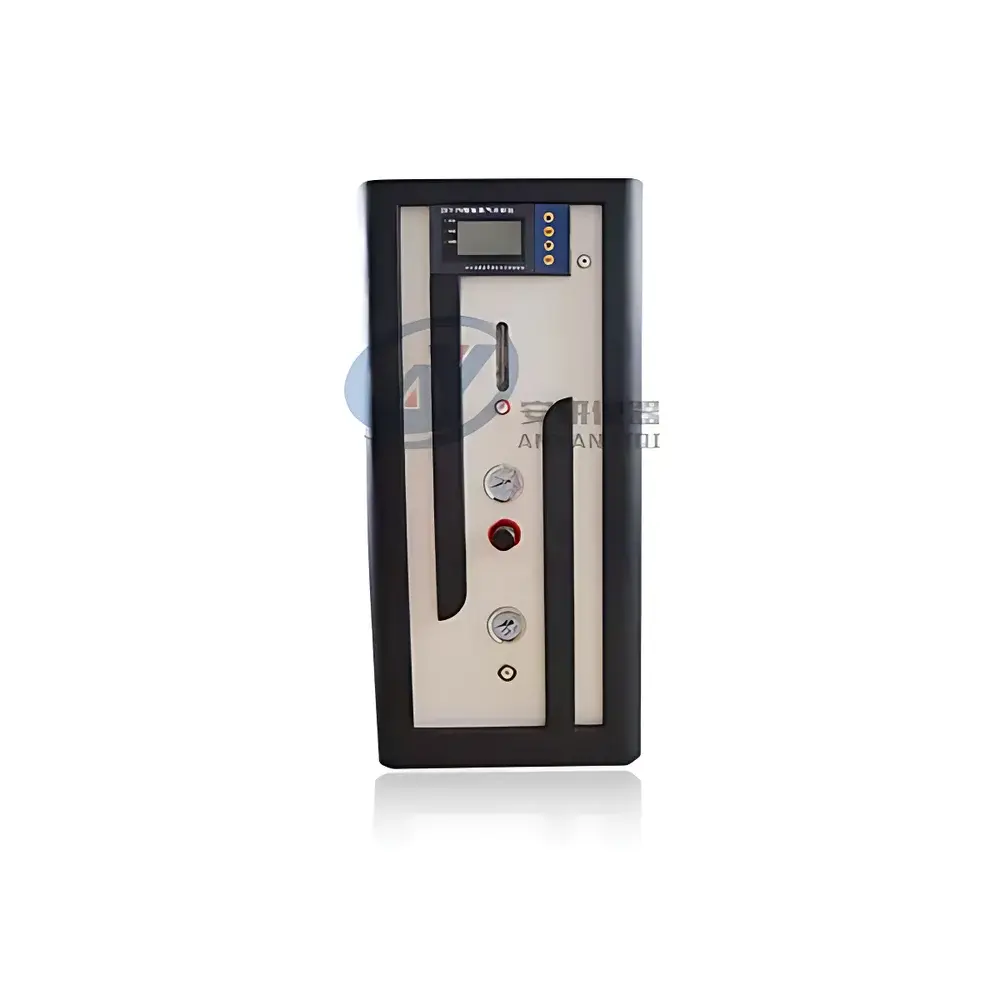
- Onboard nitrogen quality assurance: Built-in electrochemical oxygen sensor (0–1000 ppm O₂ range) and thermal mass flow meter provide continuous, calibrated readouts of purity (%) and volumetric flow (L/min) via front-panel LCD interface.
- Modular skid-mounted design with heavy-duty casters and locking brakes—enabling secure placement in fume hoods, gloveboxes, or shared lab spaces without permanent installation.
- Micro-oil adsorption stage upstream of CMS beds using specially formulated activated carbon media—reducing residual hydrocarbon content to <0.01 mg/m³, thereby extending CMS service life and reducing scheduled replacement frequency.
Sample Compatibility & Compliance
The AYAN-40L is compatible with ambient air intake and requires no external gas supply. It produces nitrogen suitable for GC carrier gas (per ASTM D6299 and ISO 10156), LC-MS blanking, solvent evaporation (e.g., rotary evaporation, nitrogen blow-down), inert atmosphere glovebox purging, and catalyst passivation. The system complies with CE marking requirements for electromagnetic compatibility (EMC Directive 2014/30/EU) and low-voltage safety (LVD Directive 2014/35/EU). All electrical components meet IP54 ingress protection standards. While not certified to FDA 21 CFR Part 11, the device supports GLP/GMP-aligned operation when paired with external audit-trail-capable data loggers and calibrated third-party analyzers.
Software & Data Management
The AYAN-40L operates via embedded microcontroller logic with no proprietary software dependency. Real-time nitrogen purity, flow rate, inlet pressure, and tower cycle status are displayed locally. Optional RS-485 Modbus RTU output enables integration into building management systems (BMS) or centralized lab monitoring platforms (e.g., LabVantage, Thermo Fisher SampleManager). Historical data export requires external logging; however, all sensor outputs are analog (4–20 mA) or digital (pulse output for flow), facilitating seamless connection to SCADA or PLC-based infrastructure. Firmware updates are performed via USB port using manufacturer-provided configuration utilities—no cloud connectivity or remote access capabilities are implemented.
Applications
- Gas chromatography (GC) carrier and detector purge gas, particularly for TCD, FID, and ECD detectors requiring stable, low-oxygen, low-moisture nitrogen.
- Sample concentration workflows: Nitrogen blow-down systems for pesticide residue analysis, environmental water testing (EPA Method 525.3), and pharmaceutical stability studies.
- Inerting of reaction vessels during air-sensitive organometallic synthesis, lithium battery electrode coating, and peroxide handling.
- Blanking and calibration of TOC analyzers, dissolved oxygen sensors, and FTIR gas cells.
- Continuous purging of optical enclosures, laser cavities, and semiconductor fabrication tooling where hydrocarbon-free, particle-free nitrogen is critical.
FAQ
What maintenance intervals are recommended for optimal CMS longevity?
CMS lifetime depends on inlet air quality and duty cycle. With properly maintained pre-filtration (coalescing filter elements replaced every 3,000 operating hours; desiccant dryer media every 6,000 hours), CMS typically lasts 3–5 years before purity degradation exceeds specification.
Can the AYAN-40L be integrated with an existing compressed air network?
Yes—provided the supplied air meets ISO 8573-1 Class 2.2.2 specifications (≤0.1 µm particles, ≤0.1 mg/m³ oil aerosol, ≤−40 °C pressure dew point) and is regulated to 0.7–1.0 MPa before entering the generator’s inlet manifold.
Is the nitrogen output suitable for use in medical or food-grade applications?
No—the AYAN-40L is designed for laboratory and industrial technical nitrogen. It does not comply with USP , EN 14687, or ISO 8573-7 for medicinal or food-contact nitrogen; dedicated pharmaceutical-grade generators with full validation packages are required for such uses.
How is CMS bed integrity verified during routine operation?
Integrity is assessed via trending of O₂ sensor output, pressure drop across towers, and consistency of cycle timing. A sustained rise in outlet O₂ >1,000 ppm or irregular tower equalization indicates CMS saturation, mechanical damage, or seal failure—and warrants CMS inspection or replacement.
Does the unit include validation documentation for IQ/OQ protocols?
Factory test reports (including flow calibration certificates, pressure decay test logs, and purity verification at 40 L/min) are provided. Full GxP-compliant IQ/OQ documentation must be generated by the end user or qualified third-party validation partner using the included hardware specifications and operational manuals.



