
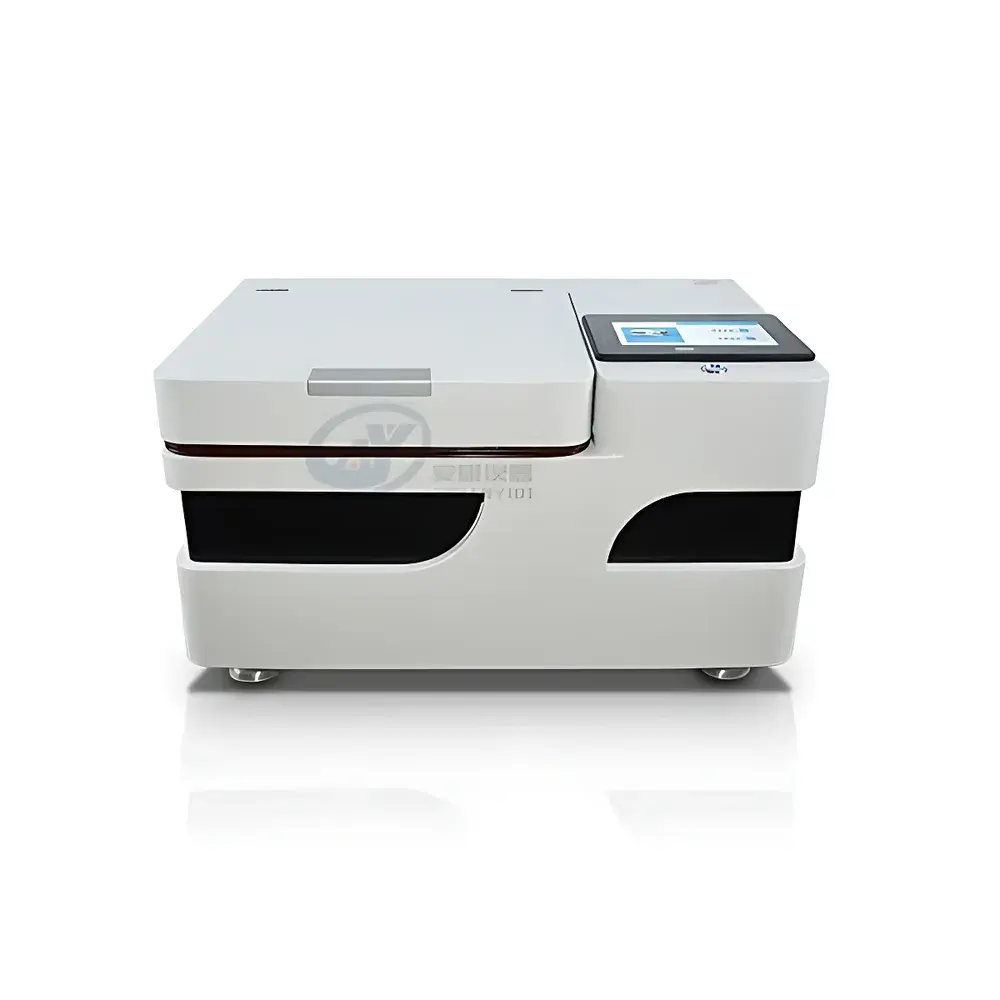
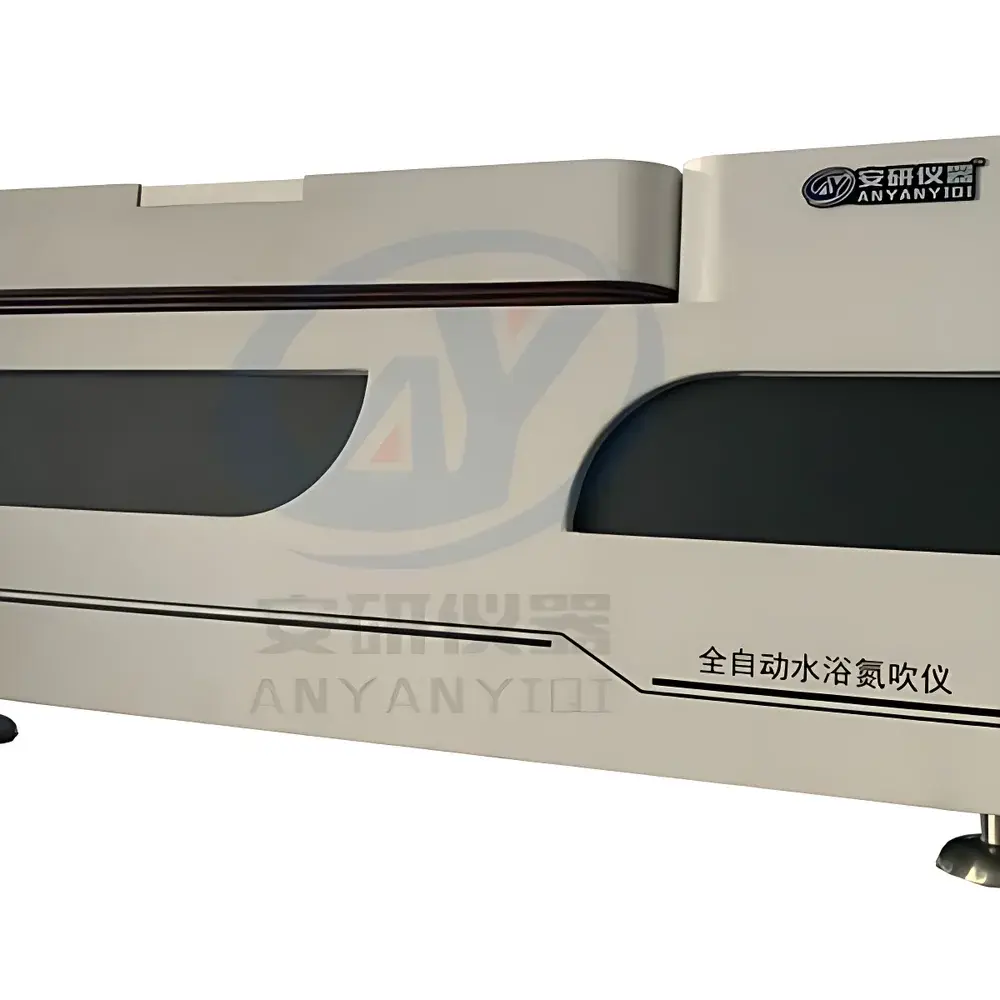
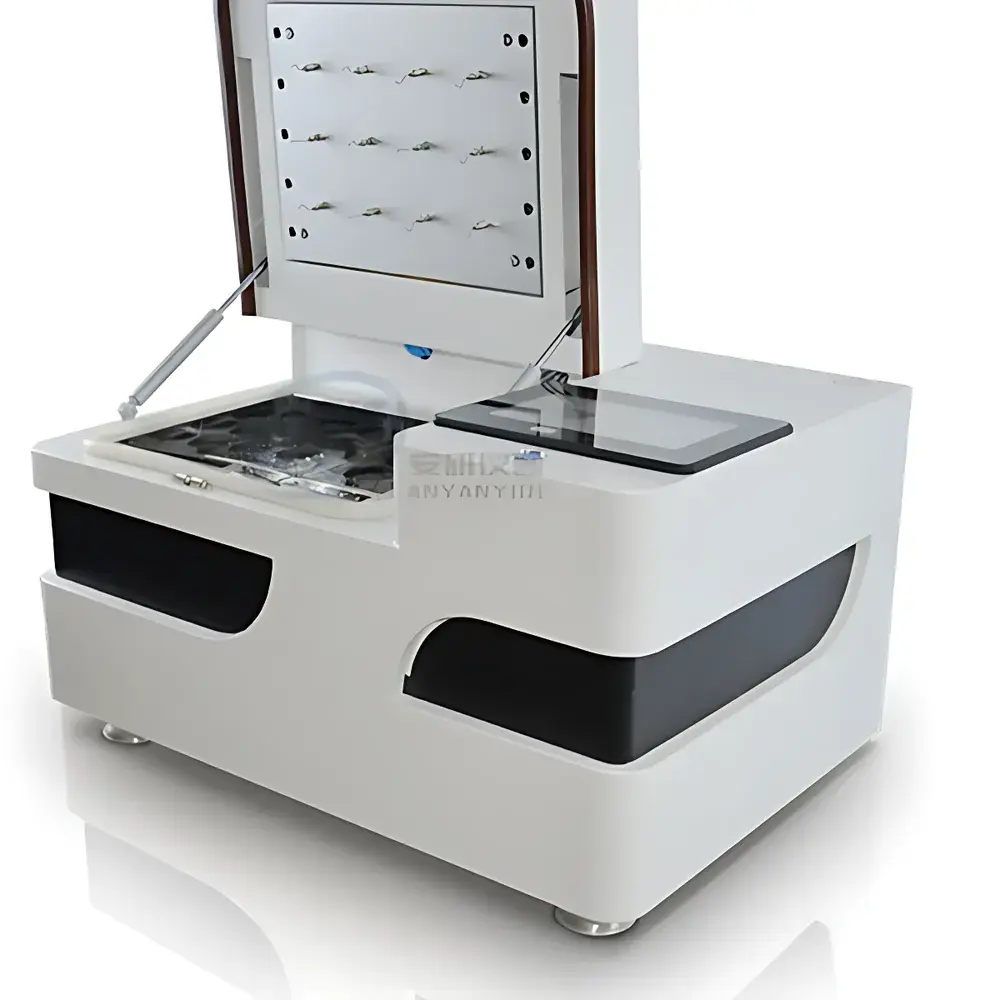
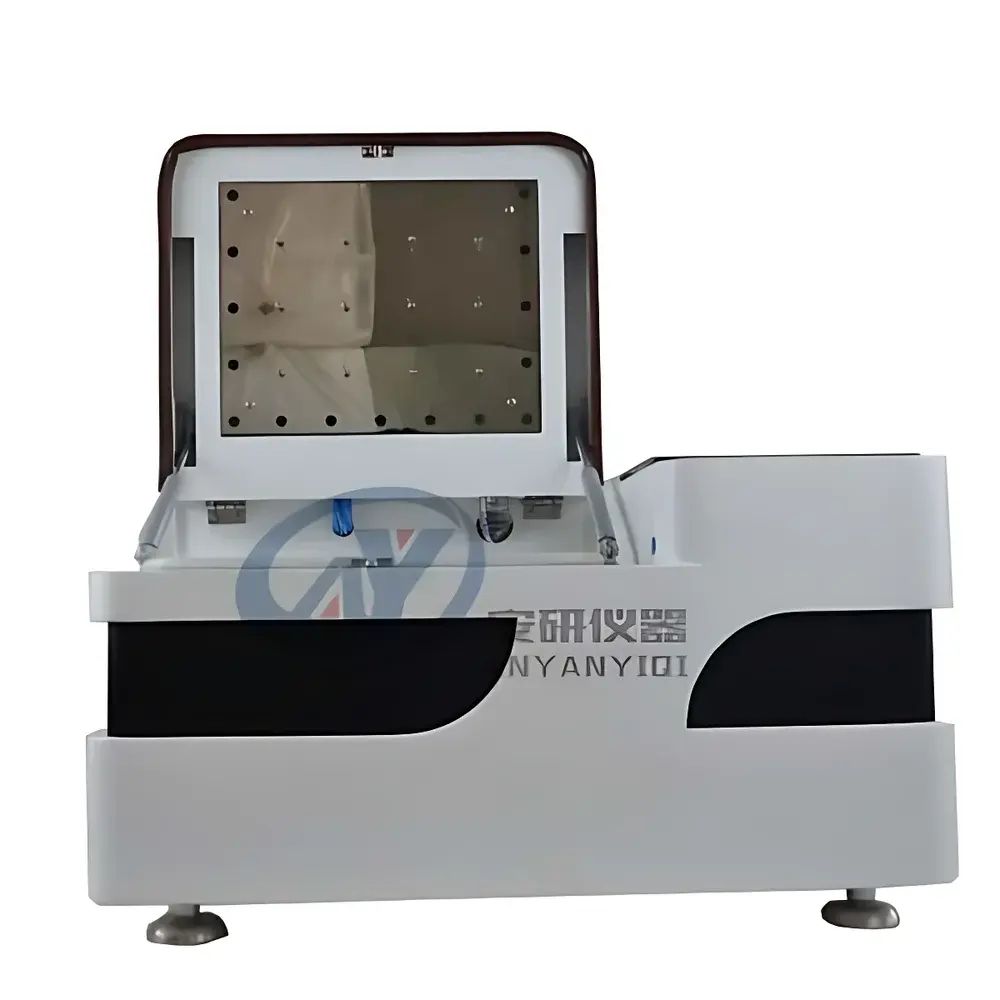
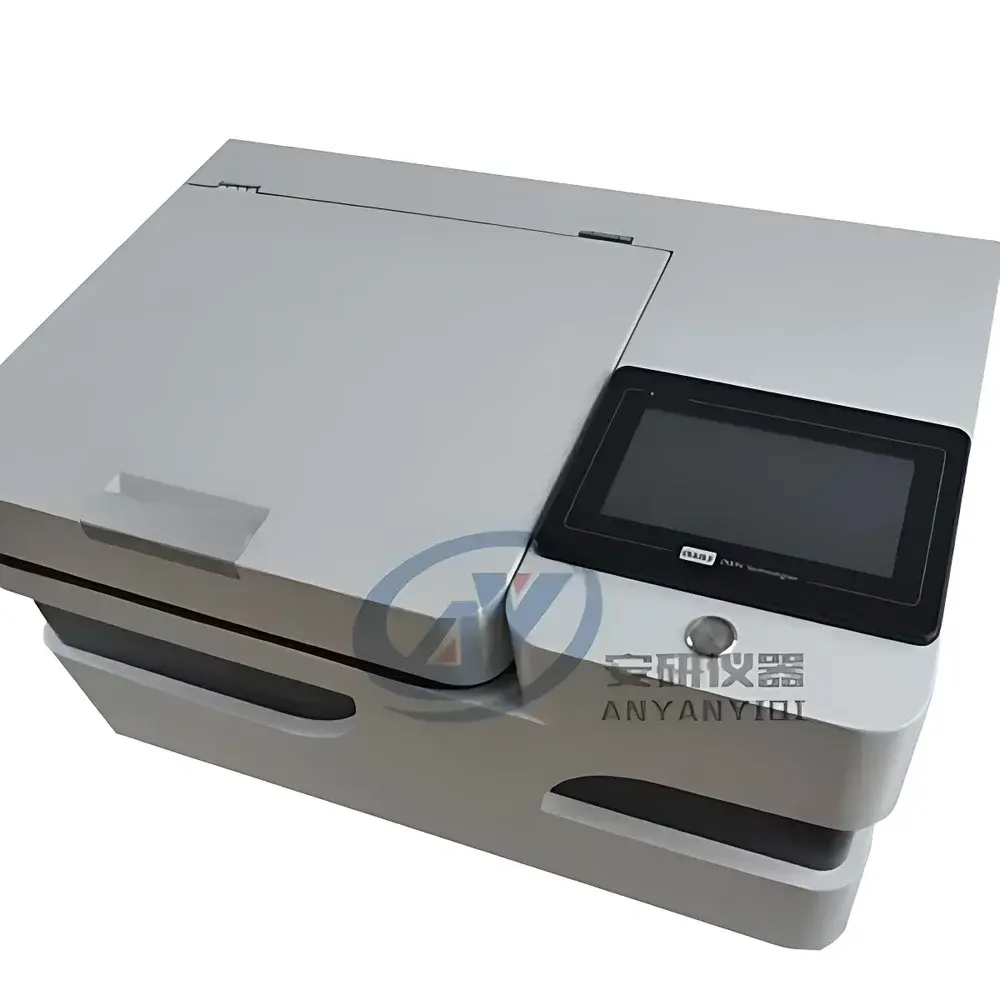
Anyan AYAN-AUTOM-12S Automated Nitrogen Evaporator with Water Bath
| Brand | Anyan Instruments |
|---|---|
| Origin | Zhejiang, China |
| Model | AYAN-AUTOM-12S |
| Heating Method | Water Bath |
| Temperature Range | 0–100 °C |
| Temperature Uniformity | ±1 °C |
| Sample Capacity | 12 positions |
| Vial Size Compatibility | 50–200 mL |
| Gas Flow Control Range | 0–999 mL/min (adjustable per channel) |
| Precise Endpoint Detection | Optical sensor-based volumetric termination (0.5 / 1 / 2 mL or near-dry) |
Overview
The Anyan AYAN-AUTOM-12S Automated Nitrogen Evaporator is an engineered solution for high-throughput, reproducible solvent removal in analytical laboratories. It operates on the principle of inert gas-assisted evaporation—introducing a controlled stream of preheated nitrogen across the surface of liquid samples immersed in a precisely regulated water bath. This method minimizes thermal degradation of thermolabile analytes while enabling parallel processing of up to twelve samples (50–200 mL capacity each). Unlike open-tube manual nitrogen blow-down systems, the AYAN-AUTOM-12S integrates closed-chamber architecture, optical endpoint detection, and per-channel gas flow modulation—significantly improving inter-run consistency, operator safety, and compliance readiness. Its design addresses critical workflow bottlenecks in regulated environments where sample integrity, traceability, and process control are mandatory—such as environmental residue analysis, clinical toxicology, food contaminant screening, and pharmaceutical impurity profiling.
Key Features
- 7-inch capacitive touchscreen interface with intuitive HMI navigation and real-time parameter visualization
- Optical endpoint detection system calibrated for accurate volumetric termination at 0.5 mL, 1 mL, 2 mL, or near-dry conditions—compensated for solvent chromaticity via independent light-intensity adjustment per channel
- 12-channel independent electromagnetic valve control enabling precise, staggered gas delivery and dynamic pressure ramping during concentration
- Dual-zone water bath heating with ±1 °C temperature stability across full 0–100 °C range; rapid thermal equilibration supported by high-efficiency immersion heaters
- Heated nitrogen supply (~45 °C) prevents condensation at the needle tip and reduces cold-trapping of volatile analytes
- Hydraulic dual-seal door mechanism combined with internal recirculating fume extraction ensures containment of volatile organic compounds (VOCs) and eliminates ambient lab exposure
- Auto-refill reservoir with level sensors, audible/visual low-water alarm, and overtemperature cut-off for unattended overnight operation
- Built-in data logger stores timestamped operational records—including setpoints, actual temperatures, gas flow values, and endpoint events—for audit trail generation
Sample Compatibility & Compliance
The AYAN-AUTOM-12S accommodates standard borosilicate glass tubes (50–200 mL), including culture tubes, centrifuge vials, and EPA-approved amber collection vials. Its sealed chamber and integrated fume management support safe handling of halogenated solvents (e.g., dichloromethane, chloroform), esters, and alcohols commonly used in QuEChERS, SPE, and LLE workflows. The instrument conforms to IEC 61010-1:2010 safety standards for laboratory electrical equipment and incorporates design elements aligned with GLP and ISO/IEC 17025 requirements—including user-accessible calibration logs, parameter lockout options, and tamper-evident event timestamps. While not FDA 21 CFR Part 11–certified out-of-the-box, its data export capability (USB) enables integration into validated LIMS or ELN platforms supporting electronic signature workflows.
Software & Data Management
Operation is fully managed through the onboard embedded OS—no external PC required. All settings (temperature, gas flow per channel, timer, endpoint volume, alarm thresholds) are stored in non-volatile memory. Each run generates a structured metadata record including start/stop time, average bath temperature, total nitrogen consumption estimate, and individual channel termination status. Export is supported via USB flash drive in CSV format for downstream statistical review or regulatory submission. Optional firmware updates—distributed via secure download portal—maintain alignment with evolving method requirements (e.g., EPA Method 525.3, AOAC 2007.01).
Applications
- Environmental Testing: Concentration of pesticide residues, PAHs, PCBs, and endocrine disruptors from aqueous extracts prior to GC-MS or LC-MS/MS analysis
- Clinical & Forensic Toxicology: Prep of blood, urine, and oral fluid samples for quantitation of drugs of abuse, metabolites, and biomarkers
- Food & Beverage Safety: Cleanup of acrylamide, mycotoxins, veterinary drug residues, and packaging migrants from complex matrices
- Pharmaceutical R&D: Solvent exchange and final concentration steps in impurity isolation, forced degradation studies, and stability-indicating assays
- Academic Research: High-reproducibility sample prep for metabolomics, lipidomics, and natural product isolation protocols
FAQ
Is the AYAN-AUTOM-12S compatible with corrosive solvents such as hydrochloric acid or nitric acid solutions?
No. The system is designed for organic solvents and aqueous buffers only. Exposure to strong mineral acids may damage the stainless-steel chamber interior, silicone seals, and optical sensors.
Can the instrument be integrated into a robotic liquid handling workstation?
Not natively. It lacks Ethernet or RS-232 ports for external command triggering. However, its timer-based autonomous operation allows synchronization with upstream automation via scheduled start times.
What maintenance intervals are recommended for long-term reliability?
Quarterly inspection of water bath pH and conductivity; biannual cleaning of optical sensors and gas nozzles with IPA; annual verification of temperature uniformity using NIST-traceable probe arrays.
Does the device support method validation documentation packages?
Yes. Factory-provided IQ/OQ documentation templates (in English) are available upon request, covering installation verification, temperature mapping, gas flow linearity, and endpoint repeatability testing.
How is nitrogen consumption minimized during extended runs?
Through three mechanisms: heated gas delivery (reducing required flow rate), per-channel valve closure upon endpoint detection, and programmable ramping profiles that lower initial flow and increase it only when solvent volume decreases below threshold levels.



