
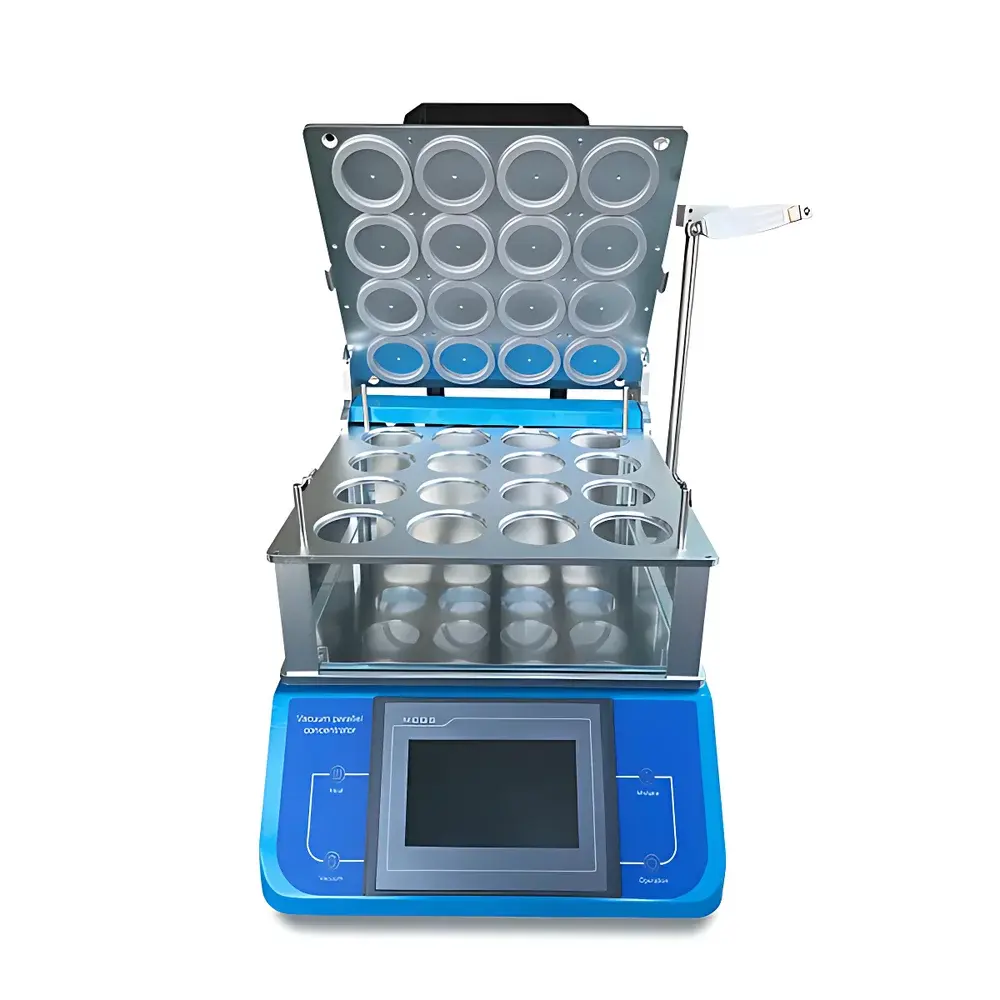
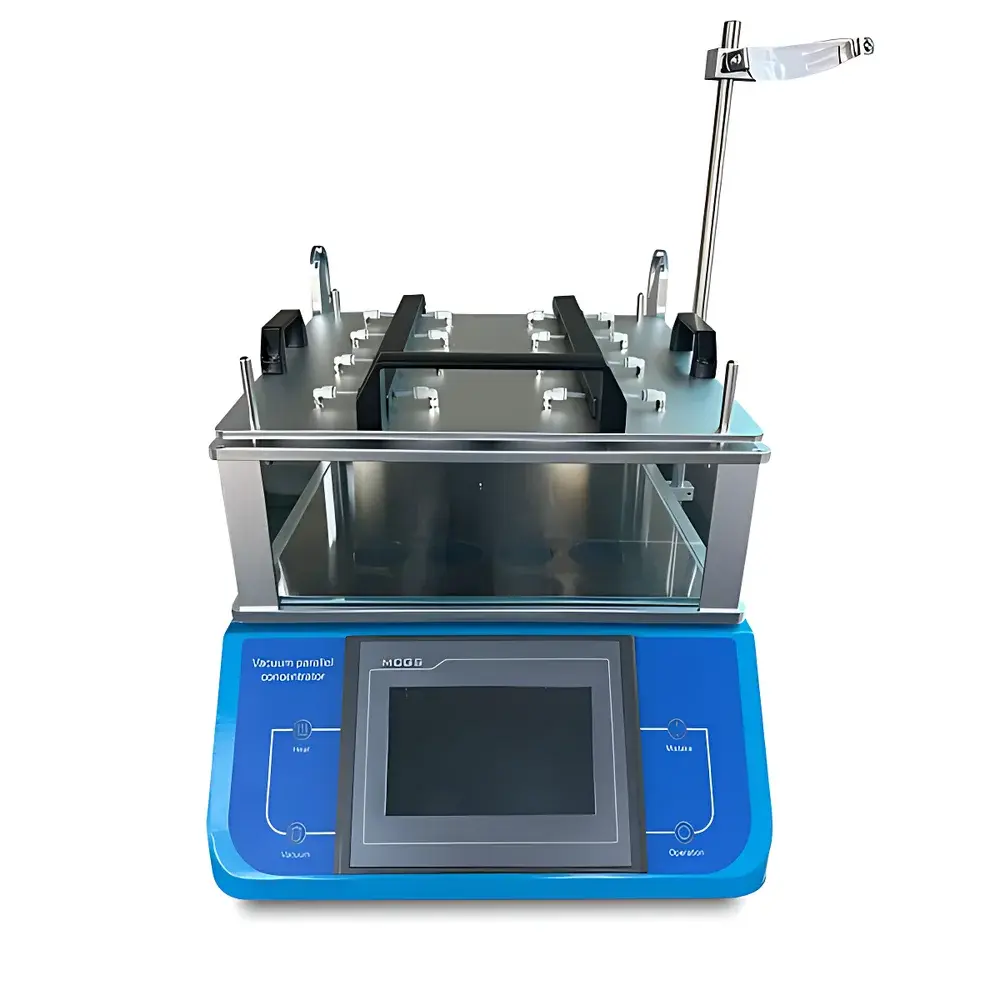
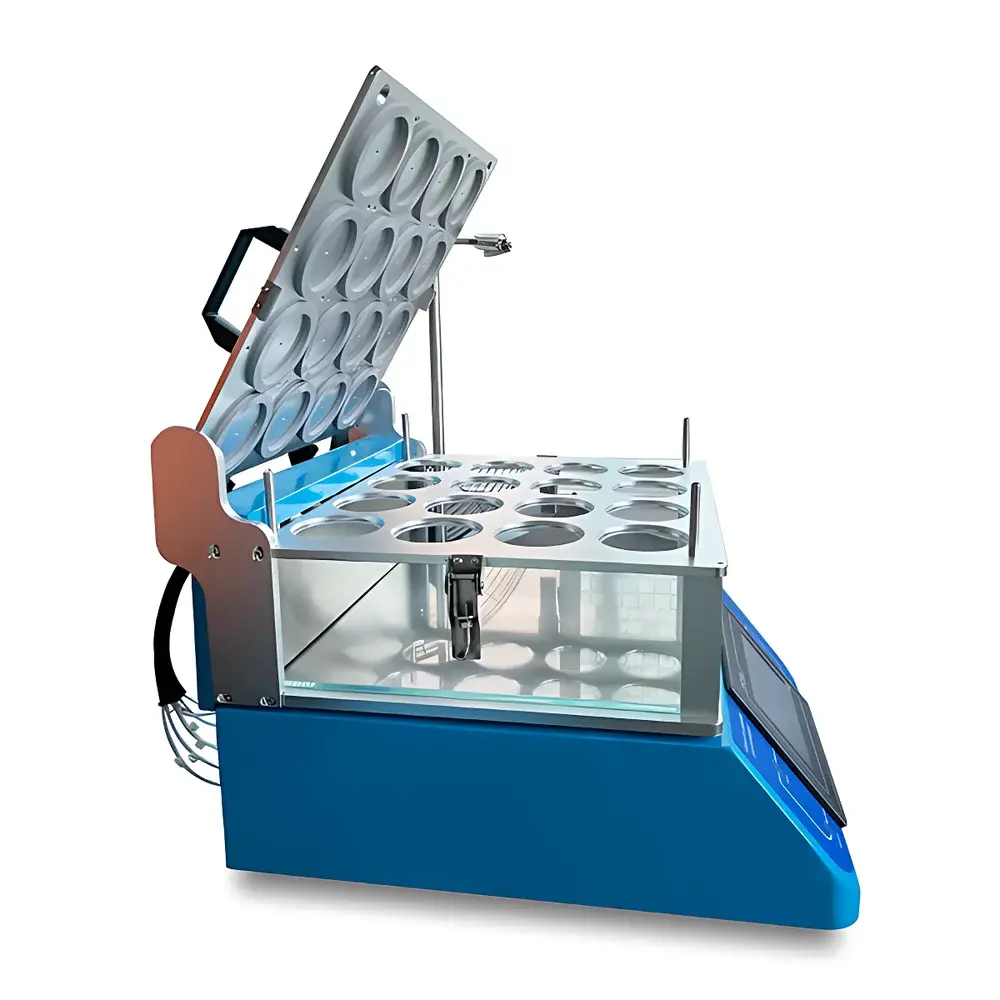
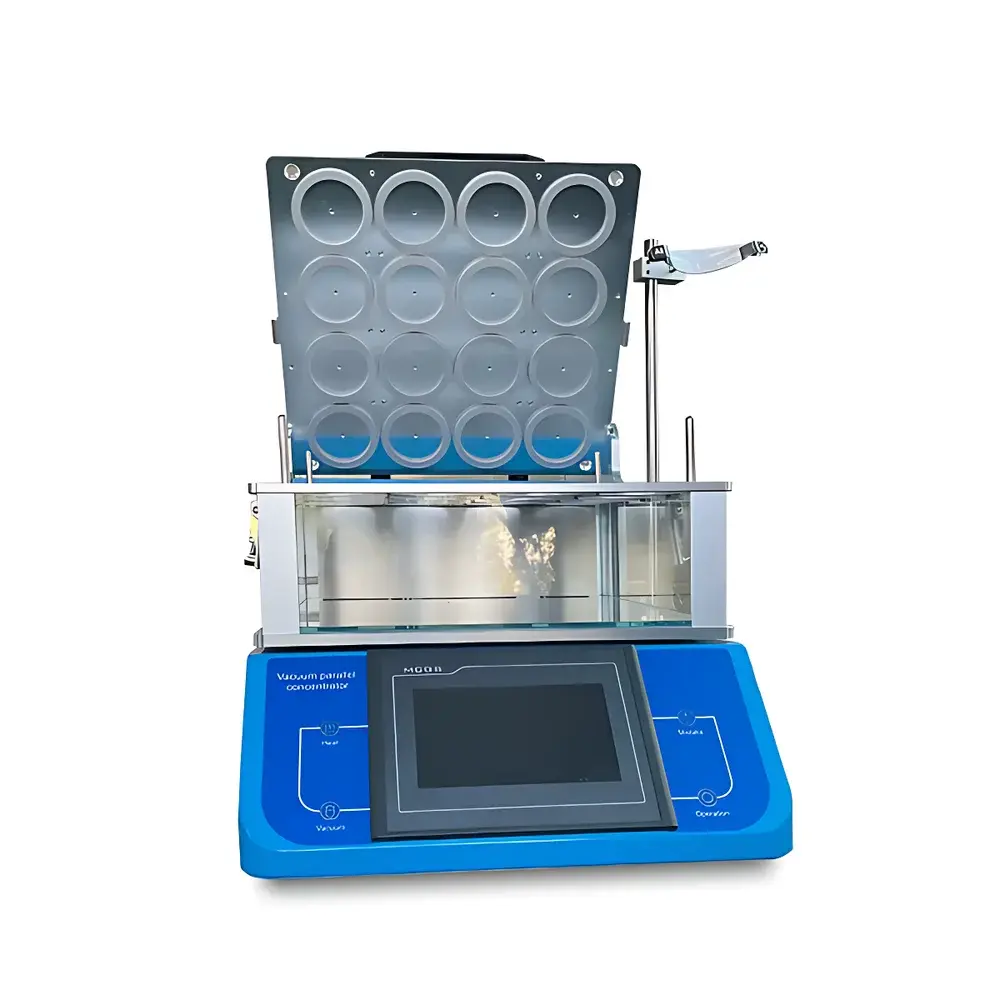
Anyan Instrument CHNS-25K High-Throughput Vacuum Parallel Concentrator with Heated Water Bath
| Brand | Anyan Instrument |
|---|---|
| Origin | Zhejiang, China |
| Model | CHNS-25K |
| Instrument Type | Vacuum Parallel Concentrator |
| Temperature Range | Ambient to 100 °C |
| Temperature Control Accuracy | ±0.5 °C |
| Sample Capacity | 25 × 150–200 mL |
| Timing Range | 0–999 min |
| Heating Method | Circulating Water Bath |
| Condensation System | Dual-Tower Cold Trap with External Recirculating Chiller Support |
| Sealing Architecture | Individual Sample-Specific Vacuum Seals |
| Compliance | Designed for GLP-aligned workflows |
Overview
The Anyan Instrument CHNS-25K High-Throughput Vacuum Parallel Concentrator is an engineered solution for rapid, reproducible solvent removal from multiple liquid samples under controlled reduced-pressure and heated water bath conditions. Based on the fundamental principles of vacuum-assisted evaporation—where lowering ambient pressure reduces the boiling point of solvents while precise thermal regulation ensures consistent kinetic energy input—the CHNS-25K enables parallel processing of up to 25 samples simultaneously. Its design emphasizes thermal uniformity across all 25 positions via a precisely calibrated circulating water bath system, minimizing inter-sample variability in evaporation rate and final concentration endpoint. Unlike single-vial rotary evaporators or nitrogen blow-down systems, this platform eliminates manual intervention per sample and mitigates risks associated with uneven heating, bumping, or cross-contamination—making it suitable for routine quantitative preparation in regulated environments such as food safety labs, environmental monitoring facilities, phytochemical analysis centers, and agricultural residue testing laboratories.
Key Features
- Independent vacuum-sealed channels per sample position—prevents cross-contamination, backflow, and bumping-induced carryover during volatile solvent removal.
- Dual-tower condensation module integrated with external recirculating chiller interface (standard 1/4″ compression fittings), achieving high-efficiency solvent vapor recovery and minimal atmospheric emissions.
- Precision water bath heating system maintaining ±0.5 °C temperature stability across full operating range (ambient to 100 °C), ensuring batch-to-batch reproducibility in evaporation kinetics.
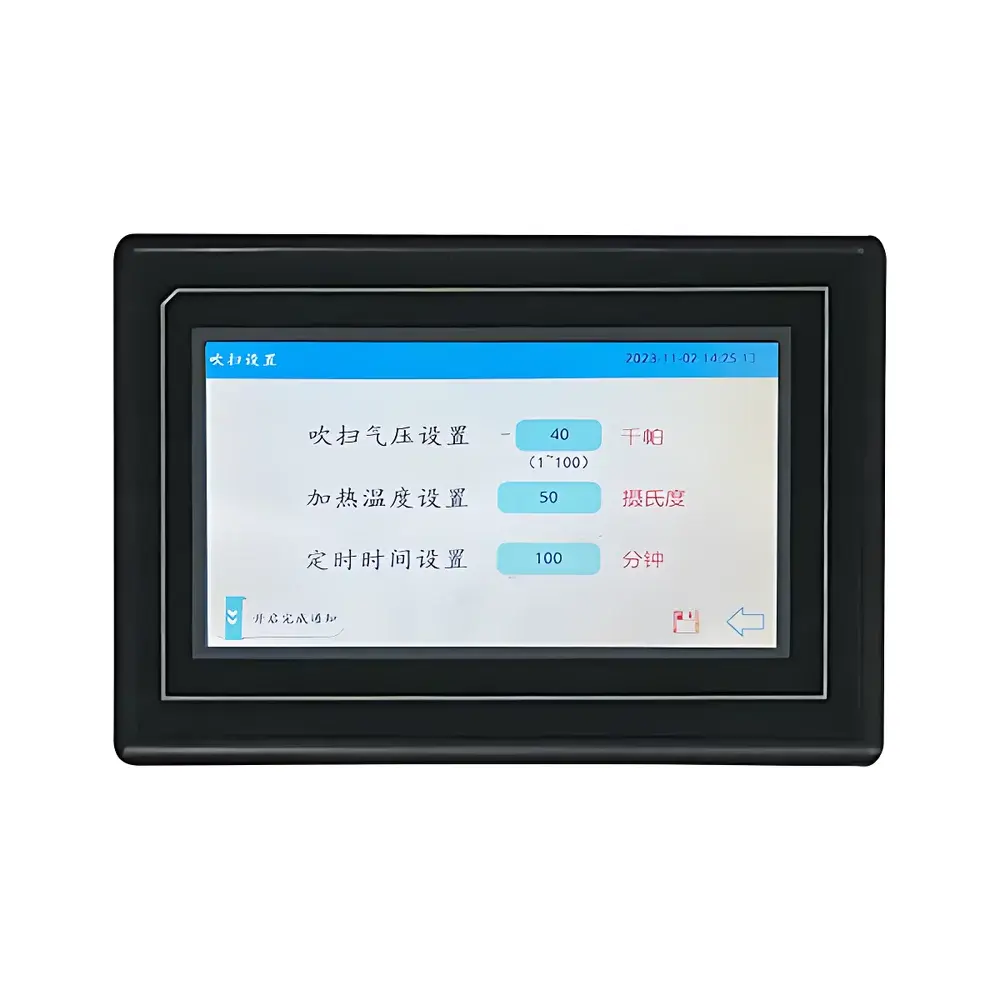
- 7-inch capacitive touchscreen HMI with intuitive parameter configuration—including individual setpoint assignment, ramp-hold profiles, and real-time vacuum level feedback (when paired with optional digital vacuum gauge).
- All-wetted gas-path components constructed from inert, non-leaching materials (e.g., PTFE-coated valves, borosilicate glass manifolds, food-grade silicone gaskets) compliant with USP Class VI biocompatibility requirements.
- Modular architecture supports optional add-ons: programmable orbital shaking (50–300 rpm), auto-volume endpoint detection via weight-based feedback (requires external analytical balance integration), and vacuum pump compatibility with oil-free diaphragm or hybrid scroll technologies.
Sample Compatibility & Compliance
The CHNS-25K accommodates standard 150 mL and 200 mL round-bottom or flat-bottom borosilicate glass tubes, with adaptable clamping fixtures supporting alternative vessel geometries (e.g., culture tubes, centrifuge vials). It handles a broad spectrum of organic solvents—including acetone, methanol, acetonitrile, ethyl acetate, dichloromethane, and hexane—as well as aqueous matrices containing surfactants or low-concentration salts. The instrument’s sealed vacuum manifold and cold trap configuration meet EPA Method 502.2 and 8081B prerequisites for halogenated solvent recovery. While not certified to IEC 61010-1 Annex BB for explosion-proof operation, its design adheres to general laboratory safety best practices for Class I, Division 2 environments when used with appropriate ventilation and solvent-rated vacuum pumps. Documentation support includes configurable audit trails (via optional USB data logging), calibration certificate templates aligned with ISO/IEC 17025 clause 6.4.10, and maintenance logs traceable to GLP Annex 13 requirements.
Software & Data Management
The embedded firmware supports export of time-stamped operational logs (start/stop timestamps, setpoints, actual bath temperature, elapsed time) in CSV format via USB-A port. No proprietary software installation is required; exported files are natively readable in Excel, LabArchives, or ELN platforms compliant with 21 CFR Part 11 when paired with institutional digital signature infrastructure. Optional Ethernet-enabled controllers (sold separately) provide Modbus TCP access for centralized lab automation integration—enabling synchronization with LIMS systems or robotic sample handlers. All user-modifiable parameters are protected by multi-level password access (operator, supervisor, administrator), satisfying basic ALCOA+ data integrity expectations for raw data generation.
Applications
- Pre-concentration of pesticide residues in fruit/vegetable extracts prior to GC-MS or LC-MS/MS analysis (aligned with EN 15662:2018 matrix-matched calibration workflows).
- Rapid desolvation of SPE-eluates in environmental water testing (e.g., PAHs, PCBs, phenols) without thermal degradation or analyte loss.
- Parallel concentration of herbal decoction fractions in traditional medicine QC labs, preserving thermolabile glycosides and flavonoids.
- High-throughput cleanup of fatty acid methyl ester (FAME) preparations before gas chromatographic profiling.
- Reduction of large-volume environmental digests (e.g., soil leachates, sludge supernatants) to sub-mL volumes for trace metal ICP-MS analysis.
FAQ
What vacuum level is recommended for optimal performance with methanol?
A stable base pressure of 10–50 mbar is typically sufficient; lower pressures (<5 mbar) may induce foaming in viscous or surfactant-containing samples.
Can the CHNS-25K be operated unattended overnight?
Yes—provided the external chiller maintains coolant temperature below 10 °C and vacuum pump duty cycle remains within manufacturer specifications; timer-based auto-shutdown is standard.
Is validation support available for GMP environments?
IQ/OQ protocol templates are provided upon request; PQ execution requires site-specific reference standards and third-party metrology verification.
Does the system support inert gas purging during concentration?
Not natively—but the vacuum manifold includes a dedicated purge port compatible with external nitrogen or argon supply lines for oxygen-sensitive applications.
How often should the silicone gaskets be replaced?
Under continuous daily use, replacement every 6 months is advised; visual inspection for cracking or compression set should precede each batch run.



