
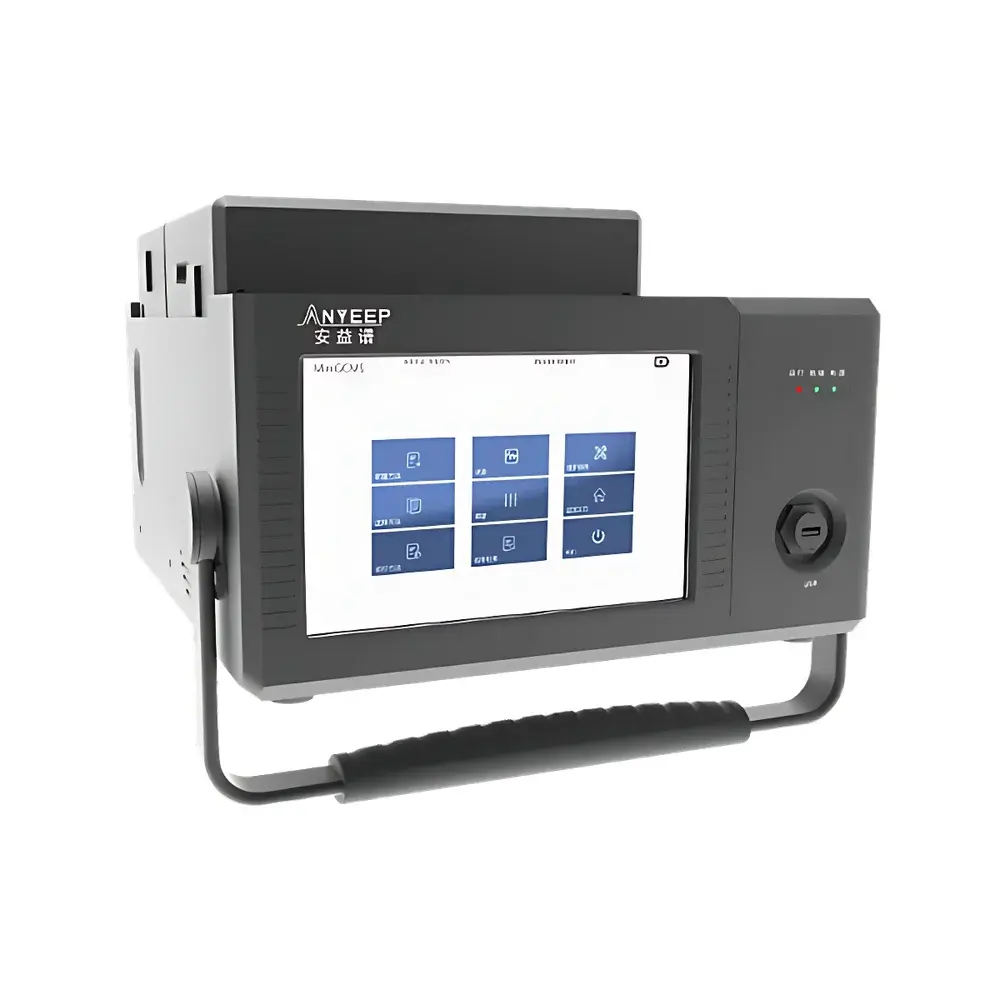
Anyeep Mate11 Portable Quadrupole Gas Chromatography-Mass Spectrometry System
| Brand | Anyeep |
|---|---|
| Origin | Jiangsu, China |
| Manufacturer Type | Direct Manufacturer |
| Product Origin | Domestic (China) |
| Model | Mate11 |
| Instrument Type | Portable GC-MS |
| Mass Range | 1.5–550 amu |
| Dynamic Range | 7 orders of magnitude |
| Mass Resolution | Unit mass resolution |
| Maximum Scan Rate | 10,000 amu/s |
| Sensitivity | 1 pg octafluoronaphthalene (OFN), S/N = 150:1 (RMS) |
| Weight | < 20 kg |
Overview
The Anyeep Mate11 Portable Quadrupole Gas Chromatography-Mass Spectrometry System is an engineered field-deployable analytical platform that integrates a low-thermal-mass (LTM) gas chromatograph with a compact, high-stability single quadrupole mass spectrometer. Designed for on-site chemical identification and semi-quantitative analysis, the Mate11 operates on the fundamental principles of gas-phase separation followed by electron ionization (EI) and mass-to-charge (m/z) discrimination via radiofrequency (RF) and direct current (DC) voltage-controlled quadrupole filtering. Its architecture prioritizes operational robustness under variable environmental conditions—enabling reliable performance in emergency response, environmental monitoring, customs inspection, and industrial hygiene applications without dependency on laboratory infrastructure.
Key Features
- Low-Thermal-Mass Gas Chromatograph: Utilizes micro-fabricated column heaters and rapid thermal ramping (up to 120 °C/min) to achieve sub-minute separations while minimizing power consumption and thermal inertia—critical for battery-operated field use.
- Compact Quadrupole Mass Analyzer: Engineered with precision-machined rod sets and optimized RF/DC electronics to deliver unit mass resolution across the full 1.5–550 amu range, supporting routine detection of volatile and semi-volatile organic compounds (VOCs/SVOCs).
- High-Speed Scanning Capability: Achieves up to 10,000 amu/s scan rate, enabling comprehensive full-scan acquisition at 100 ms dwell time per decade—preserving chromatographic peak fidelity even during fast elution events.
- Extended Dynamic Range: Delivers 7 orders of magnitude linear dynamic range, facilitating simultaneous detection of trace analytes and major components within complex matrices without manual range switching.
- Field-Optimized Form Factor: Total system mass 90 min runtime); ruggedized enclosure rated IP54 for dust and splash resistance; operable at ambient temperatures from 5–40 °C and relative humidity up to 80% non-condensing.
Sample Compatibility & Compliance
The Mate11 accepts standard 0.25 mm or 0.32 mm ID fused-silica capillary columns (up to 30 m length) and supports common GC stationary phases including DB-5ms, DB-VRX, and Stabilwax. Sample introduction is compatible with split/splitless injectors, thermal desorption tubes (with optional TD module), and direct probe insertion for solid sampling. The system complies with essential electromagnetic compatibility (EMC) standards (IEC 61326-1) and safety requirements (IEC 61010-1). While not pre-certified for regulated GxP environments, its data acquisition architecture supports audit-trail-ready operation when paired with validated software configurations aligned with FDA 21 CFR Part 11 and ISO/IEC 17025 documentation practices.
Software & Data Management
Bundled with Anyeep GC-MS Navigator™ v3.x, the Mate11 provides intuitive method setup, real-time spectral visualization, automated library searching (NIST 2017, Wiley 9th Ed.), and customizable report generation. Raw data are stored in open-format .D folders (compatible with third-party processing tools such as AMDIS and OpenChrom). All acquisition parameters—including instrument configuration, calibration history, and user login timestamps—are embedded in metadata headers. Software supports role-based access control, electronic signatures, and configurable audit trail logging—enabling laboratories to implement GLP/GMP-aligned workflows where required.
Applications
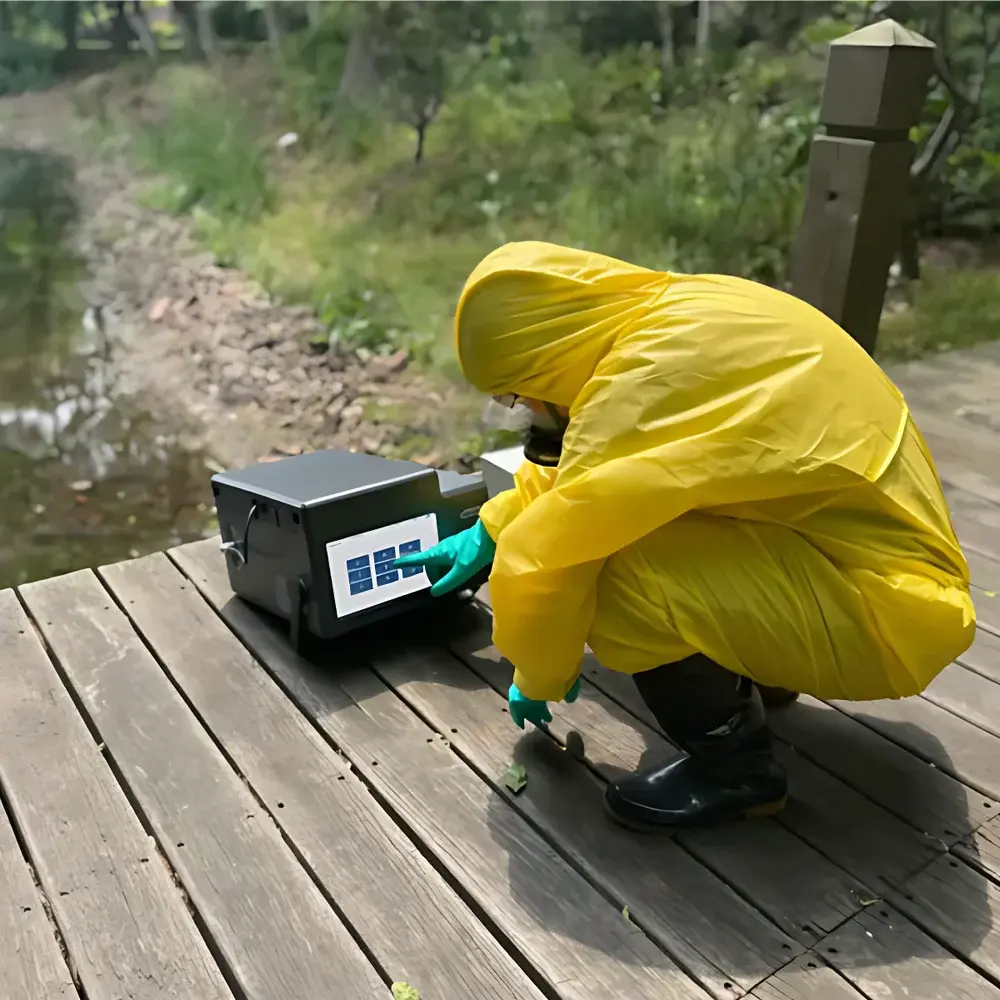
- Hazardous Material Identification: Rapid confirmation of chemical warfare agent simulants, toxic industrial chemicals (TICs), and explosives residues at incident scenes.
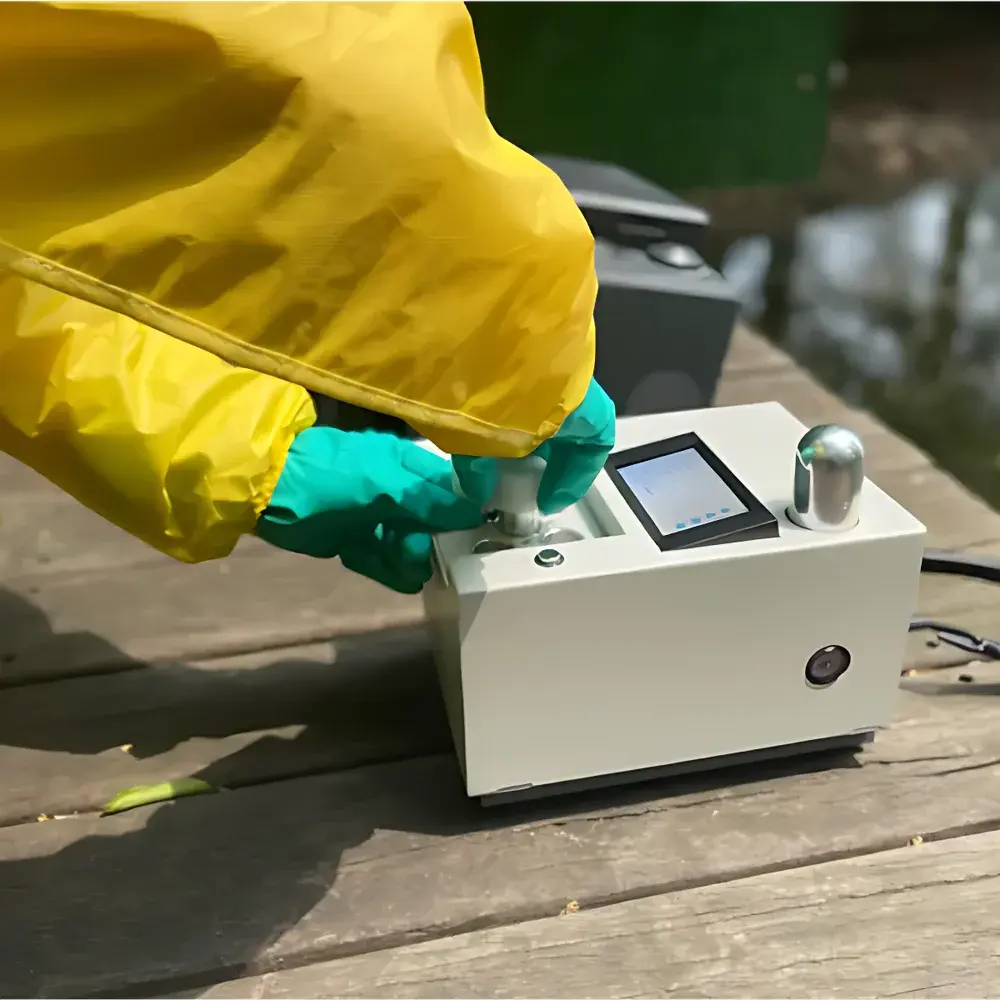
- Environmental Field Screening: On-site detection of petroleum hydrocarbons (TPH), polycyclic aromatic hydrocarbons (PAHs), chlorinated solvents, and pesticides in soil gas, water headspace, or air samples.
- Food Safety & Authenticity: Targeted screening for adulterants, pesticide residues, and flavor compound profiling in agricultural commodities during harvest or transport.
- Pharmaceutical Manufacturing Support: Verification of solvent residuals in active pharmaceutical ingredients (APIs) and cleaning validation swabs in multi-product facilities.
- Forensic Trace Evidence Analysis: Characterization of ignitable liquids, accelerants, and polymer additives directly from fire debris or questioned documents.
FAQ
Is the Mate11 compliant with EPA Method 8260 or 8270?
The Mate11 meets core instrumental performance criteria outlined in these methods—including sensitivity, mass accuracy, and retention time stability—when operated with appropriate column selection, calibration standards, and sample preparation protocols. Full method compliance requires site-specific validation per EPA guidance.
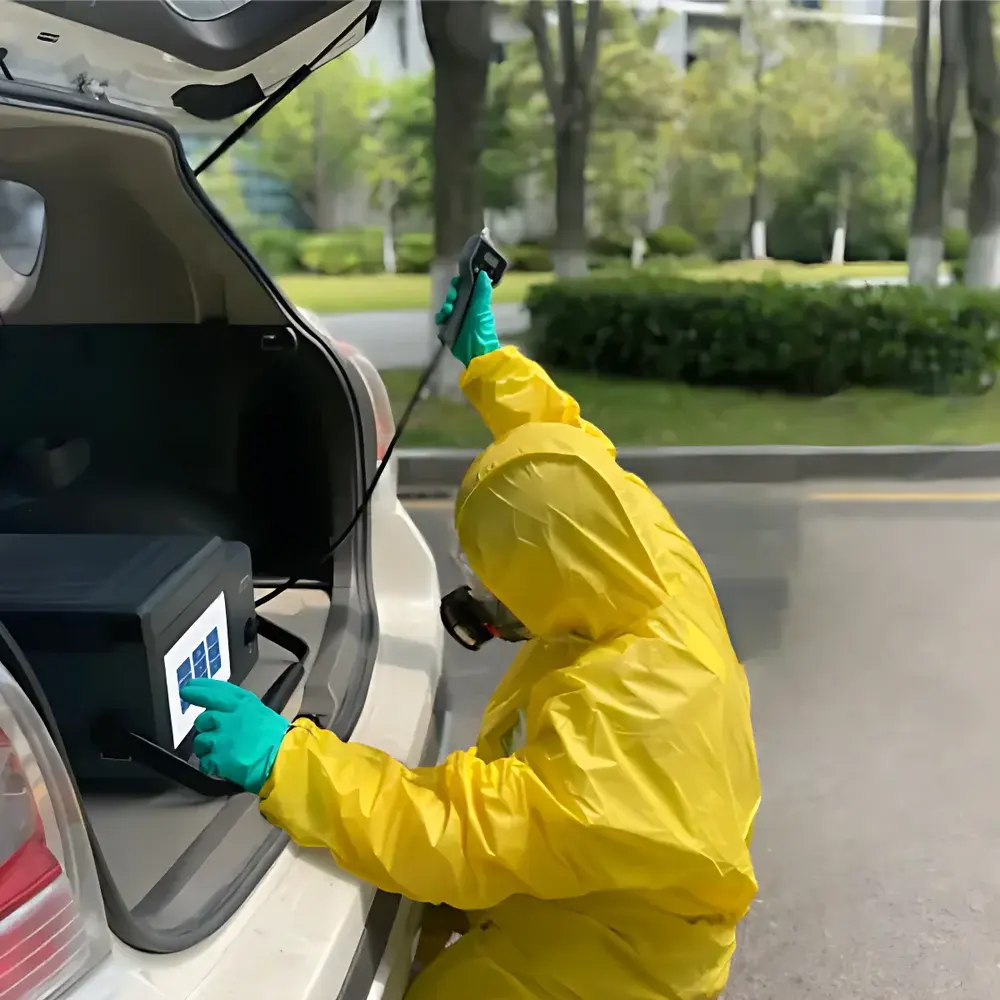
Can the system be operated from a vehicle power source?
Yes—the Mate11 accepts 12 V DC input via standard automotive cigarette lighter socket or direct battery connection, enabling continuous operation during mobile deployments.
Does the quadrupole support selected ion monitoring (SIM) mode?
Yes—SIM acquisition is fully supported with up to 100 user-defined ions per method, improving signal-to-noise ratio and extending detection limits for targeted analytes.
What maintenance intervals are recommended for field use?
Ion source cleaning is advised every 50–100 sample injections depending on matrix complexity; turbomolecular pump oil replacement is scheduled every 12 months or 8,000 operating hours; GC column trimming and inlet liner replacement follow standard GC best practices.
Is remote diagnostics supported?
Via optional secure VPN-enabled firmware, qualified service engineers can initiate remote session-based troubleshooting, parameter verification, and firmware updates—minimizing instrument downtime during critical missions.
Related Products




