
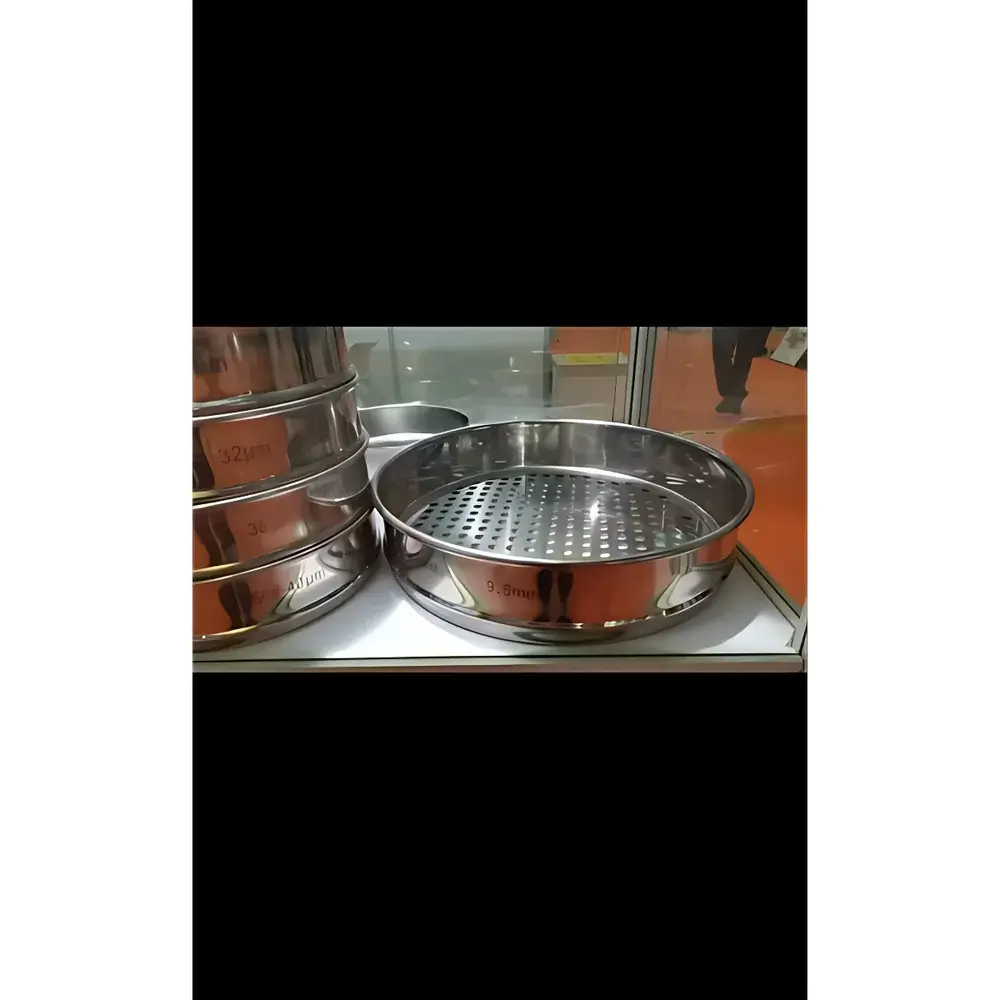
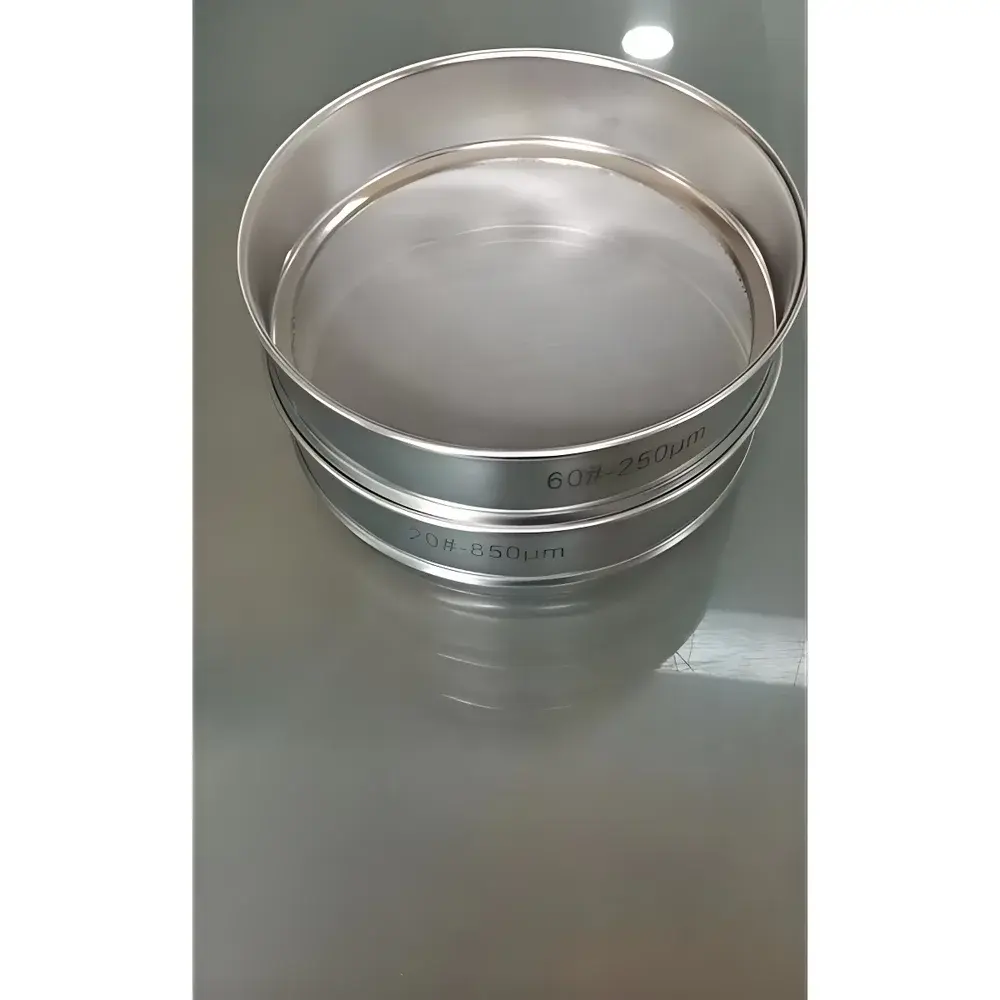
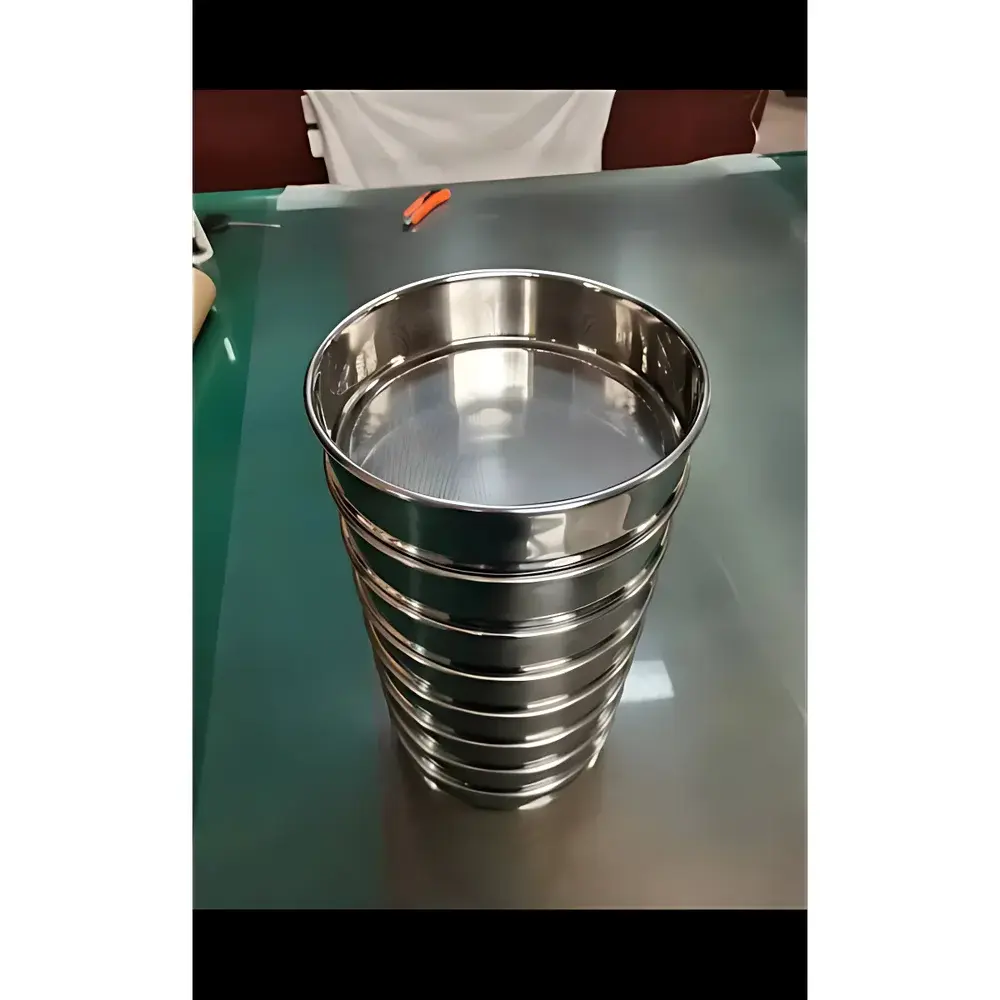
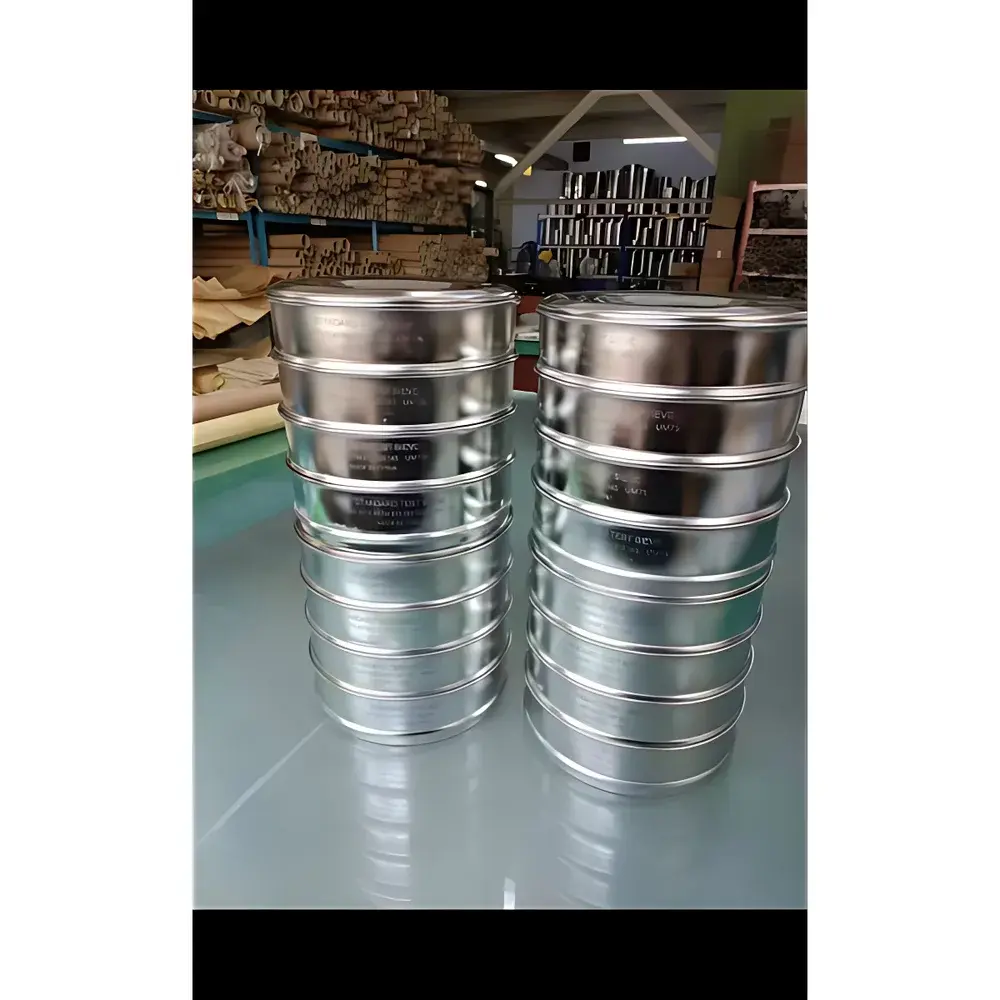
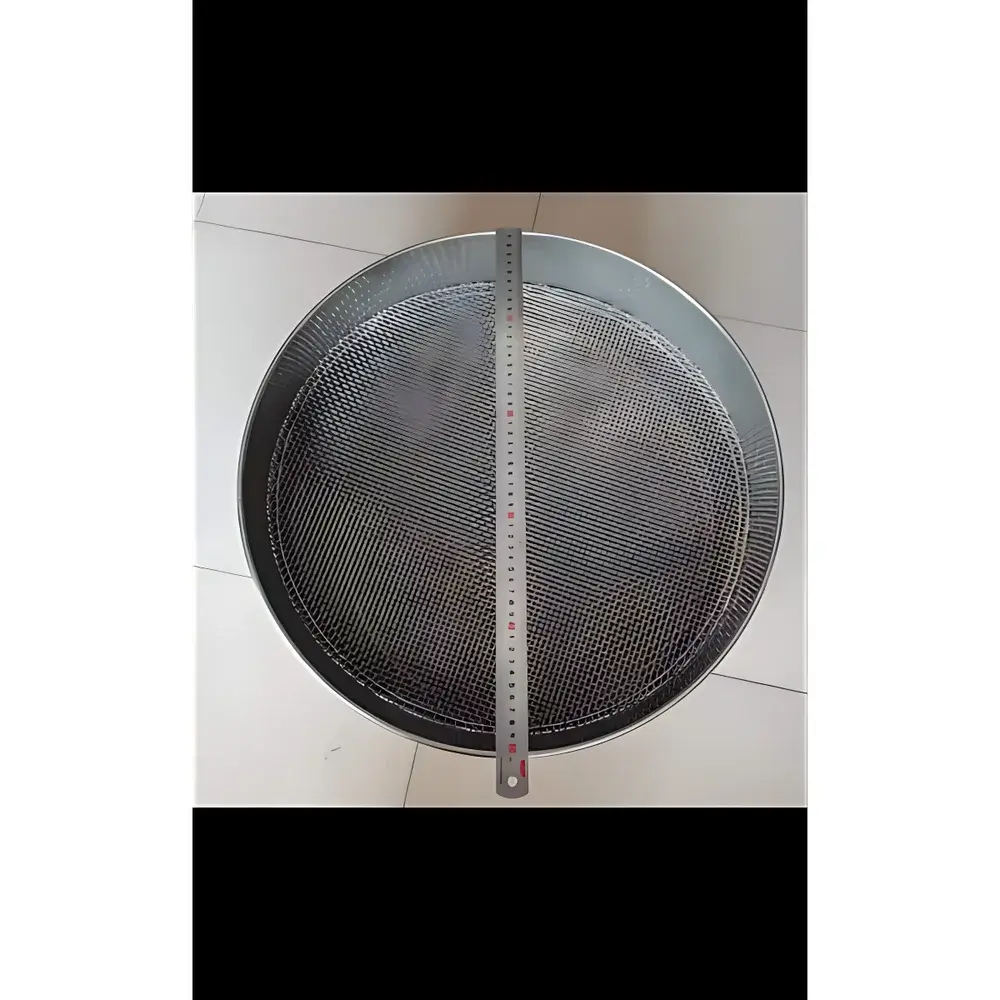
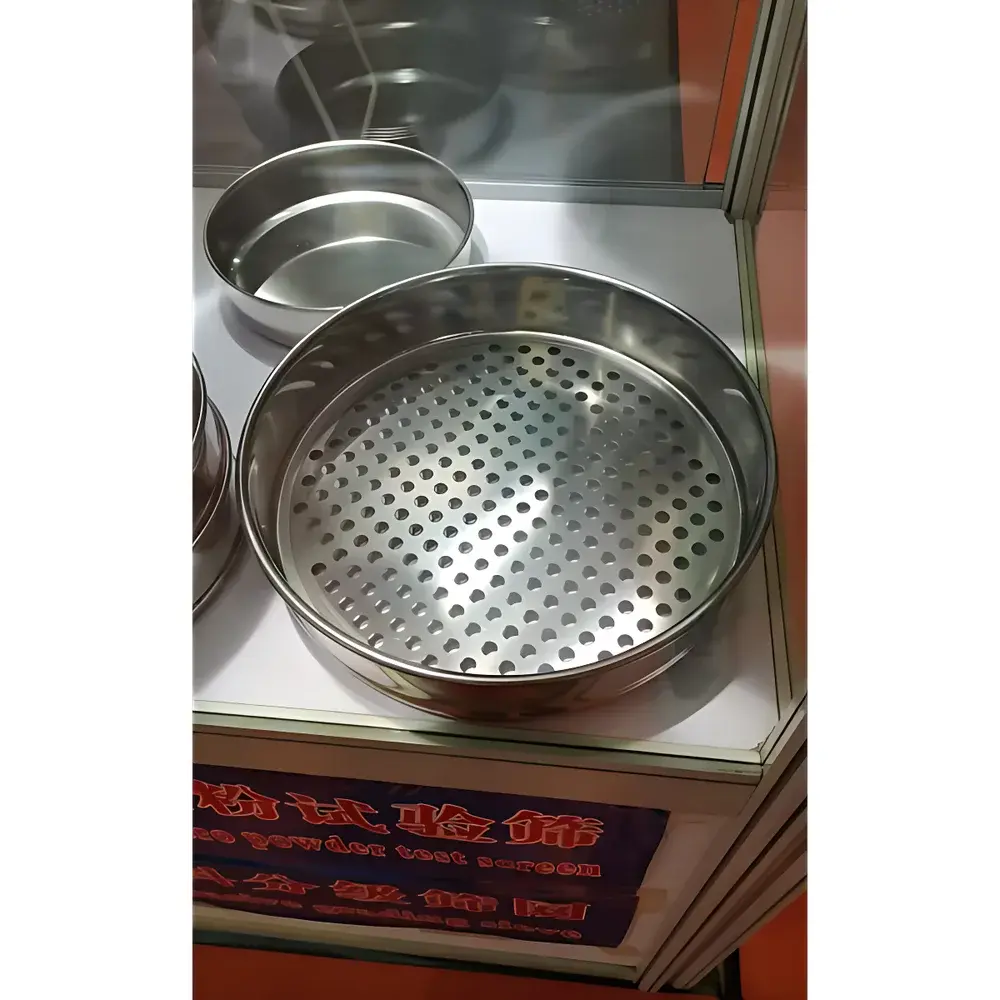
Aode Aode-200BZS Standard Vibration Sieve Analyzer
| Brand | Aode |
|---|---|
| Origin | Liaoning, China |
| Manufacturer Type | Direct Manufacturer |
| Product Category | Domestic |
| Model | Aode-200BZS |
| Price | USD 70 (FOB) |
| Operating Principle | Electromechanical Vibration Sieving |
| Particle Size Range | 5 µm – 80 mm |
| Maximum Sample Load | 3 kg |
| Stackable Sieve Levels | 10 |
Overview
The Aode Aode-200BZS Standard Vibration Sieve Analyzer is an electromechanically driven, stackable sieve shaker engineered for standardized dry-sieving analysis of granular and powdered materials. It operates on the principle of controlled horizontal circular vibration—generating consistent kinetic energy to promote particle stratification and vertical percolation through a nested series of precision-engineered test sieves. Designed in strict compliance with ISO 3310-1, ASTM E11, and GB/T 6003.1 standards, the instrument ensures metrological traceability in particle size distribution (PSD) determination. Its mechanical architecture delivers stable amplitude (2–3 mm) and frequency (220–280 rpm), enabling reproducible separation across ten-tier sieve stacks without sample fluidization or agglomeration bias. The system is not intended for wet sieving or cohesive, high-moisture, or electrostatically charged powders unless pre-conditioned.
Key Features
- Modular 10-level sieve stacking capability with standardized 200 mm diameter frames—compatible with ISO, ASTM, and GB-series test sieves (including woven wire, perforated plate, electroformed, nylon, and soil-specific configurations)
- Stainless steel (304) housing and drive mechanism with IP54-rated enclosure for dust resistance and long-term operational integrity
- Digital timer (0–99 min, 1-sec resolution) and adjustable vibration intensity control to accommodate varying material densities and flow characteristics
- Integrated safety interlock: automatic shutdown upon lid disengagement or abnormal load imbalance
- Low-noise motor (<65 dB(A)) and vibration-dampened base mount to minimize laboratory environmental interference
- Calibration-ready design: accommodates certified reference materials (e.g., NIST-traceable glass microspheres or quartz sand standards) for routine verification per ISO/IEC 17025 requirements
Sample Compatibility & Compliance
The Aode-200BZS supports dry, free-flowing, non-fibrous particulates ranging from fine pharmaceutical excipients (≥5 µm) to coarse mineral aggregates (≤80 mm). It is validated for use with ISO 3310-1 Class R (regular tolerance) and Class W (wide tolerance) sieves, as well as ASTM E11 Type E (woven wire) and Type F (perforated plate) configurations. For regulated environments—including pharmaceutical QC labs operating under GMP (21 CFR Part 211), food safety laboratories adhering to FDA Food Code or ISO 22000, and industrial QA departments following ISO 9001—the instrument enables full audit trails when paired with documented sieve calibration records and standard operating procedures (SOPs). All sieve frames meet dimensional tolerances specified in GB/T 6003.1–2012 (equivalent to ISO 3310-1:2016), including 25 mm nominal height, ±0.2 mm flatness, and ≤0.05 mm edge perpendicularity.
Software & Data Management
While the Aode-200BZS operates as a standalone hardware platform, its protocol-driven workflow integrates seamlessly into LIMS and ELN ecosystems via manual data entry or optional RS-232/USB interface (available upon request). Users may generate standardized PSD reports compliant with USP <786>, EP 2.9.31, and ISO 13320-1 by recording retained mass per sieve level, calculating cumulative undersize percentages, and applying statistical descriptors (D10, D50, D90). The device supports GLP-compliant documentation practices: each test requires operator ID, date/time stamp, sieve lot numbers, ambient temperature/humidity logs, and post-run visual inspection notes—all retained in laboratory notebooks or electronic records per 21 CFR Part 11 if using validated software extensions.
Applications
- Pharmaceutical solid dosage development: granule size distribution assessment prior to compression; excipient qualification per ICH Q5A
- Food ingredient quality control: flour fineness testing (e.g., ASTM D4299), spice particle homogeneity, and infant formula powder classification
- Mineral processing and metallurgy: crushed ore grading, coal sizing, and abrasive grit classification per ISO 6344
- Construction materials: cement fineness (Blaine equivalent correlation), sand gradation analysis (ASTM C136), and recycled aggregate screening
- Chemical catalyst and battery material R&D: active material particle cutoff verification and coating uniformity screening
- Environmental soil testing: USDA texture class determination (sand/silt/clay fractions) using ASTM D422-compliant sieve sets
FAQ
What sieve standards are compatible with the Aode-200BZS?
ISO 3310-1, ASTM E11, and GB/T 6003.1 test sieves with 200 mm nominal diameter and 25 mm frame height.
Can the instrument be used for wet sieving?
No—it is strictly designed for dry-sieving applications. Wet sieving requires separate equipment with liquid containment and drainage systems.
How often should sieve calibration be performed?
Annually or after every 50 operational cycles, using certified reference materials traceable to national metrology institutes.
Is the Aode-200BZS suitable for GMP-regulated environments?
Yes—when operated within a documented SOP framework, with calibrated sieves, maintenance logs, and personnel training records meeting Annex 11 and EU GMP Chapter 4 requirements.
What is the maximum allowable deviation in sieve mesh opening during calibration?
Per ISO 3310-1, tolerance is ±2% for openings ≥125 µm and ±5% for openings <125 µm; deviations beyond these require replacement or re-certification.



