
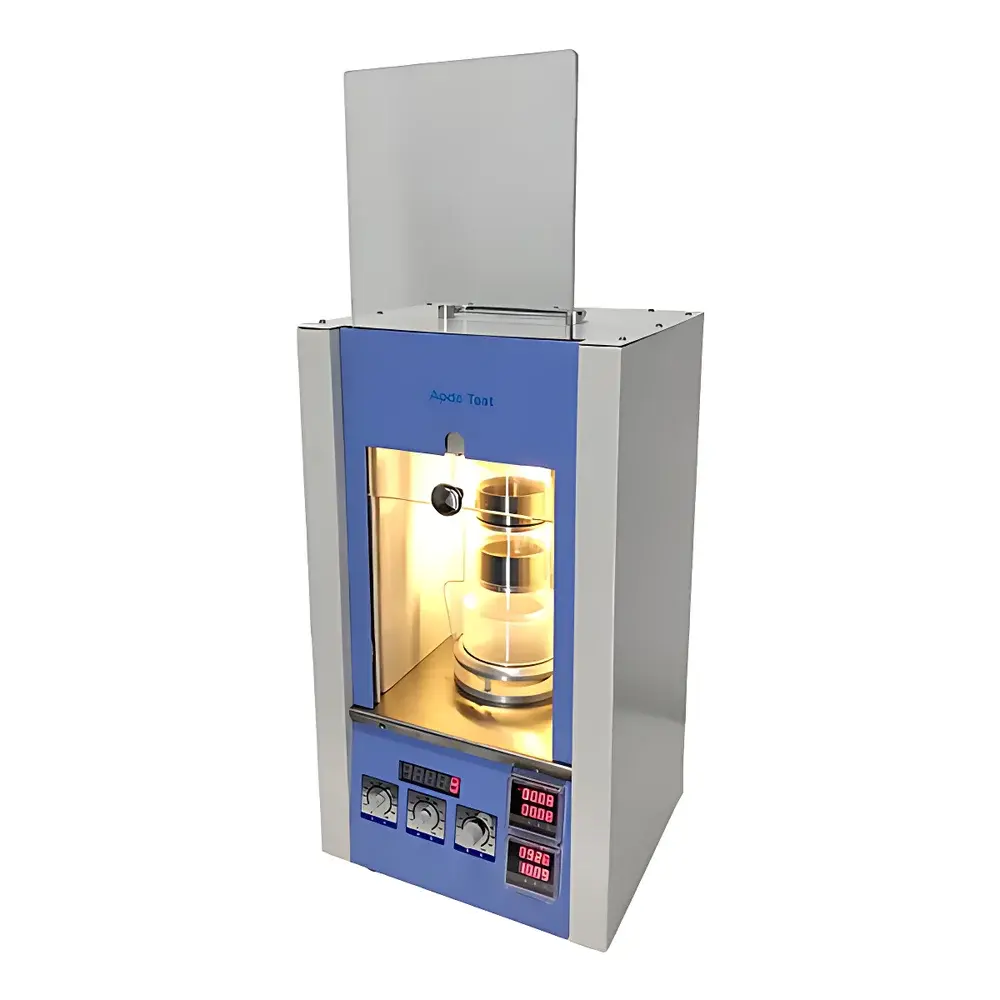
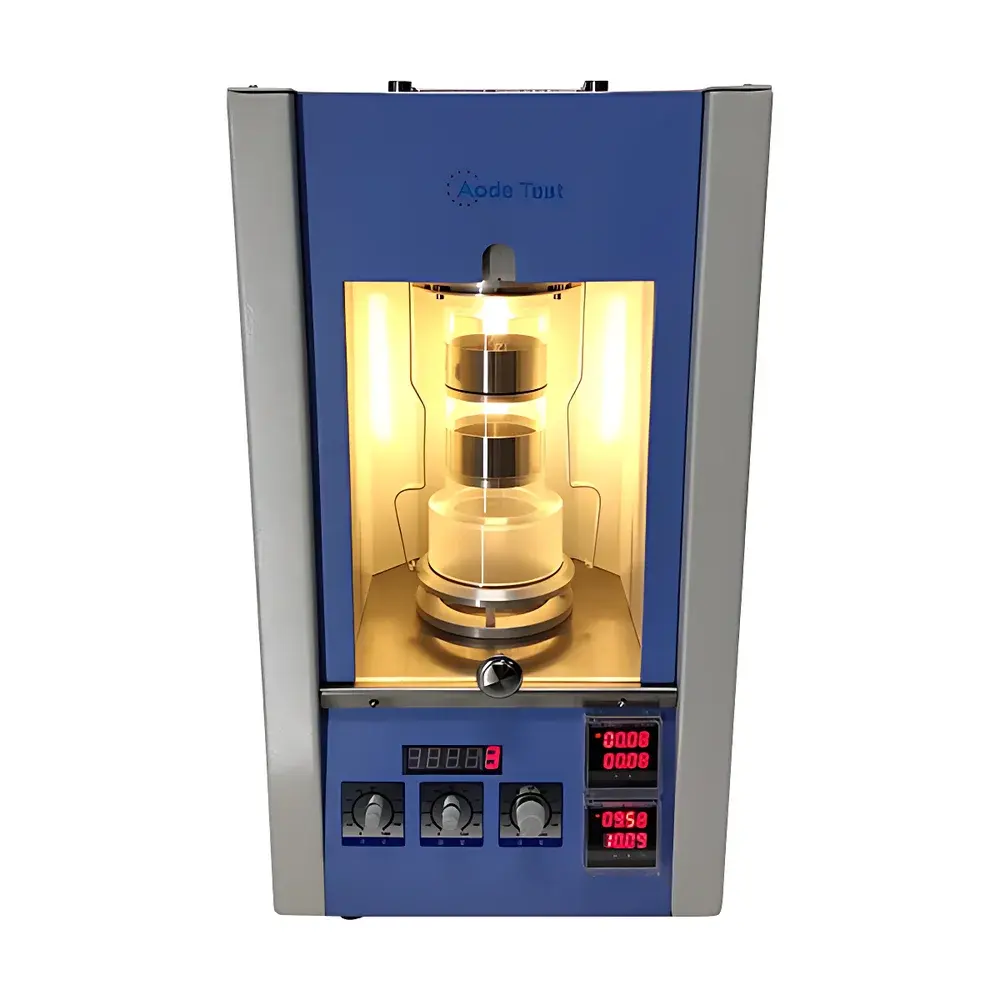
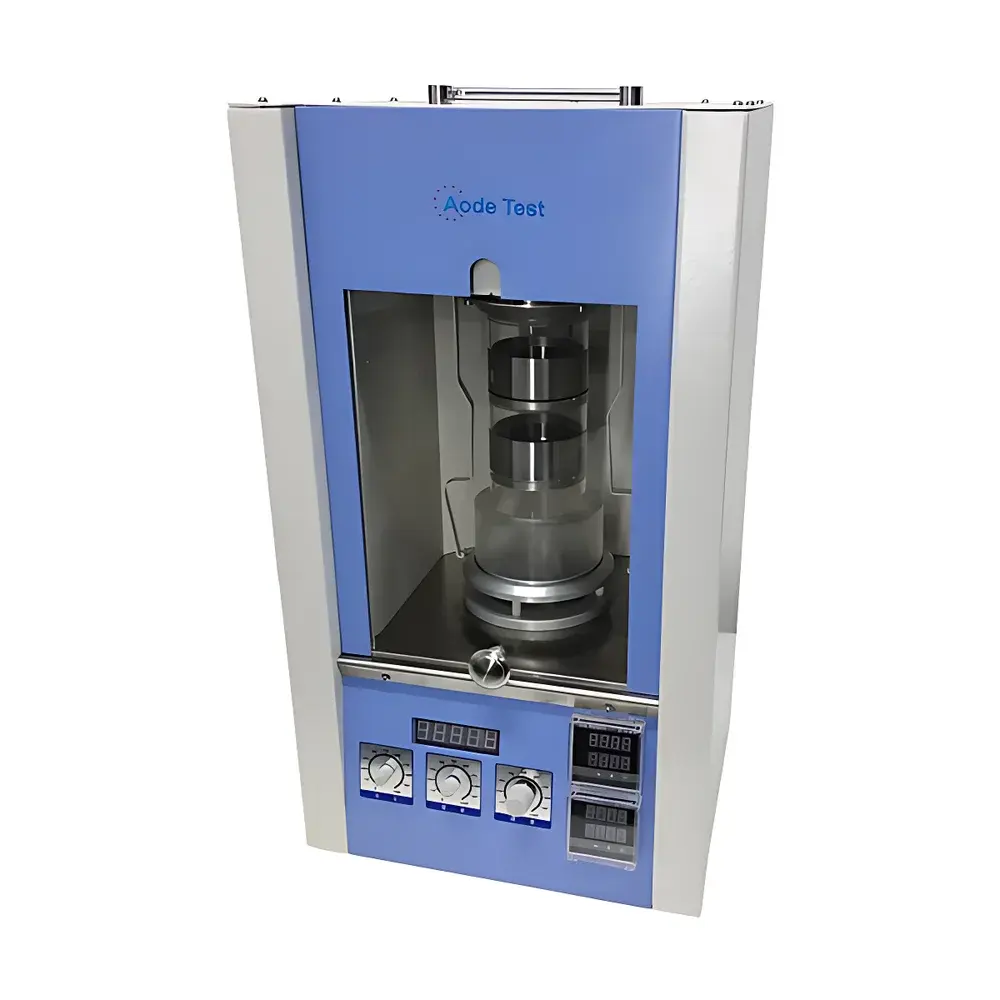
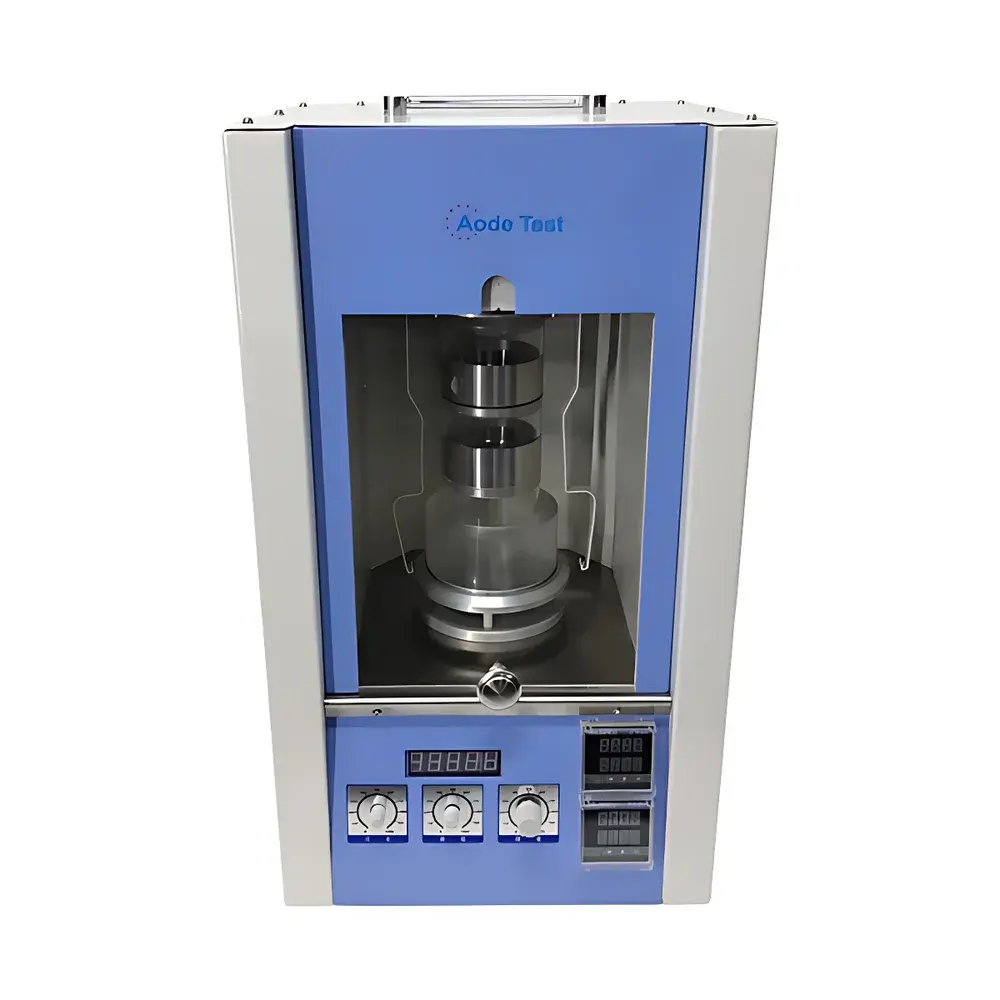
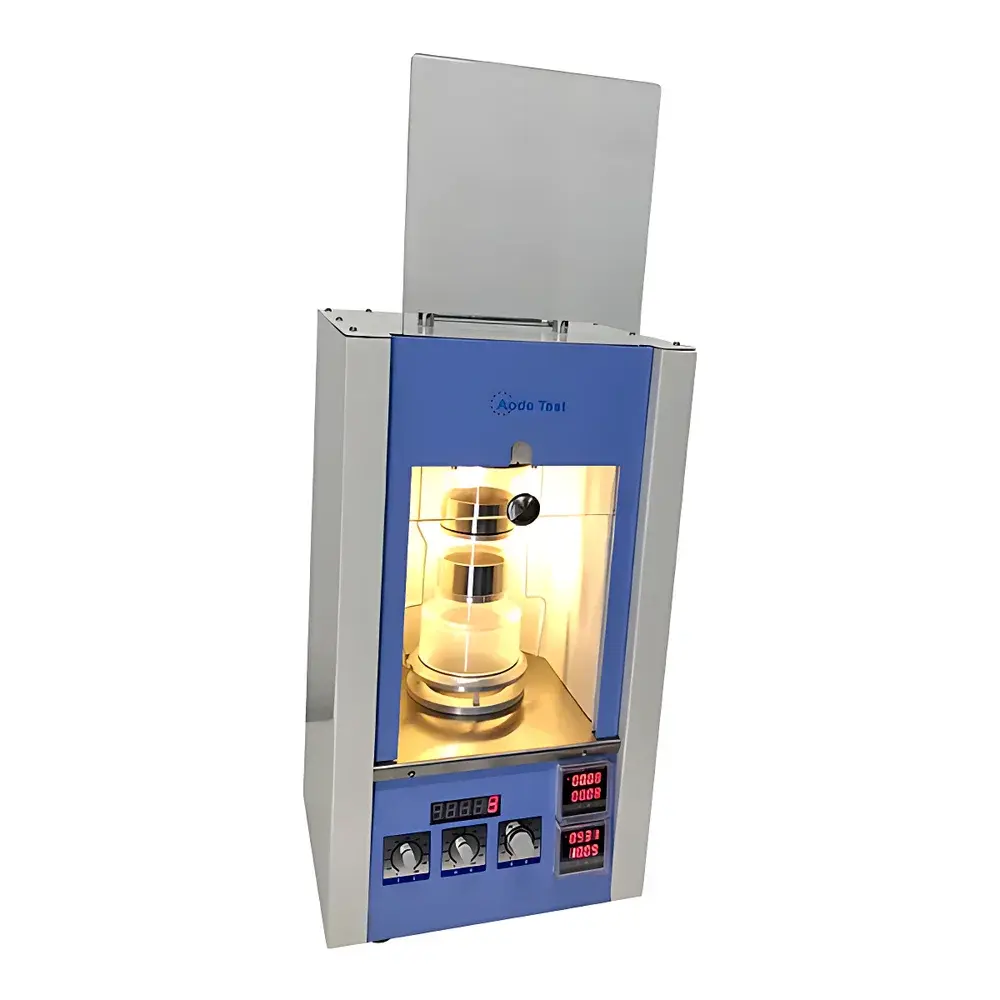
Aode Aode-75 Ultrasonic Sieve Shaker
| Brand | Aode |
|---|---|
| Origin | Liaoning, China |
| Manufacturer Type | Direct Manufacturer |
| Region Category | Domestic (China) |
| Model | Aode-75 Ultrasonic Sieve Shaker |
| Price Range | USD 7,000 – 14,000 |
| Power Supply | 220 V, 50 Hz |
| Weight | 18 kg |
| Dimensions (W×D×H) | 30 × 54 × 26 cm |
| Door Opening Height | 80 cm |
| Vibration Frequency | 3600 cycles/min (60 Hz fundamental air column resonance) |
| Adjustable Ultrasonic Frequency Range | 2–300 Hz |
| Sieving Time Range | 1.00–99.99 min |
| Max. Number of Sieves | 6 stacked |
| Max. Sample Mass | 10 g |
| Min. Sample Mass | 0.1 g |
| Particle Size Range | 5 µm – 4.75 mm |
| Vertical Tapping Mode | Programmable intermittent impact |
| Standard Sieve Compliance | GB/T 13220 (China), ASTM E323, ASTM E161 |
| Certifications | National Metrology Verification Certificate for each sieve set |
| Software Option | Optional PC-based sieving analysis software with automatic mass logging, particle size distribution calculation, and cumulative/differential curve generation |
Overview
The Aode Aode-75 Ultrasonic Sieve Shaker is a precision laboratory instrument engineered for high-fidelity dry sieving of fine and ultrafine powders. Unlike conventional mechanical shakers relying on orbital or gyratory motion, the Aode-75 employs an ultrasonically driven air-column vibration principle: a piezoelectric transducer generates controlled acoustic energy that excites a resonant vertical air column within a sealed sieve stack. This induces a highly uniform, 3600-cycle-per-minute (60 Hz fundamental) oscillatory pressure wave across all sieve layers simultaneously—effectively fluidizing powder beds without mechanical abrasion. The resulting particle agitation enables efficient separation of cohesive, low-density, electrostatically charged, or moisture-sensitive materials down to 5 µm, while preserving intrinsic particle morphology and surface integrity. Designed in full alignment with GB/T 13220 (“Determination of Particle Size Distribution of Fine Powders — Ultrasonic Sieving Method”), ASTM E323 (“Standard Test Method for Sieve Analysis of Fine and Coarse Aggregates”), and ASTM E161 (“Standard Specification for Woven Wire Test Sieve Cloth”), the system delivers metrologically traceable, reproducible results suitable for GLP-compliant laboratories, pharmaceutical QC, advanced materials R&D, and academic granulometry studies.
Key Features
- Ultrasonic air-column actuation at 3600 cycles/min ensures uniform energy transmission across all stacked sieves—eliminating differential wear and bias inherent in eccentric-drive shakers.
- Programmable intermittent tapping mechanism mitigates particle agglomeration in static zones without introducing mechanical shear or sample degradation.
- Transparent acrylic observation window and fully visible stack configuration enable real-time visual monitoring of sieving dynamics—critical for method development and troubleshooting.
- Microcontroller-based operation with digital time setting (1.00–99.99 min), frequency modulation (2–300 Hz), and tap interval programming reduces operator-induced variability.
- No vacuum or external aspiration required—simplified setup, reduced noise emission (<65 dB(A)), and compatibility with inert-atmosphere gloveboxes via optional purge ports.
- Each supplied standard sieve set includes a National Institute of Metrology (NIM)-issued verification certificate confirming aperture tolerance per ISO 3310-1 and GB/T 6003.1.
Sample Compatibility & Compliance
The Aode-75 is optimized for challenging particulate systems: low-bulk-density polymers, nanocellulose, metal oxides, pharmaceutical APIs, catalyst supports, and electrostatic-prone toners. Its non-contact, air-coupled excitation avoids attrition—making it ideal for fragile particles where mechanical impact would alter size distribution. The system supports wet-sieving emulation for hydrophilic samples by integrating controlled humidified air flow (optional accessory), replicating water-assisted dispersion without solvent contamination. All operational parameters—including time, frequency, and tap sequence—are logged with timestamped metadata, supporting audit trails required under FDA 21 CFR Part 11 (when used with validated software module) and ISO/IEC 17025 accreditation frameworks.
Software & Data Management
An optional Windows-compatible software package provides full instrument control, automated gravimetric data acquisition via RS232/USB-connected analytical balances, and ISO-standard particle size distribution reporting. The software calculates D10, D50, D90, span, and relative width indices; generates both cumulative undersize and differential frequency histograms; exports CSV, PDF, and image formats (PNG/JPEG); and maintains user-accessible audit logs compliant with ALCOA+ principles (Attributable, Legible, Contemporaneous, Original, Accurate, Complete, Consistent, Enduring, Available). Raw data files are digitally signed and tamper-evident, satisfying GMP documentation requirements for regulated environments.
Applications
- Pharmaceutical solid dosage form development: API and excipient granulometry per USP <786> and ICH Q5A.
- Advanced battery material characterization: cathode/anode powder classification prior to slurry formulation.
- Quality control of additive manufacturing feedstocks: Ti-6Al-4V, Inconel 718, and polymer powders per ASTM F3049.
- Geotechnical and ceramic raw material screening: clay, feldspar, and silica sand grading per ASTM C136.
- Nanomaterial dispersion validation: assessing deagglomeration efficacy of surface-modified nanoparticles.
- Academic research in powder rheology, electrostatic behavior, and fluidization thresholds.
FAQ
Does the Aode-75 require calibration certificates for regulatory submissions?
Yes—each standard sieve set is supplied with a NIM-issued metrological verification certificate confirming nominal aperture size, tolerance class (ISO 3310-1 Class A), and measurement uncertainty. Full system performance qualification (PQ) protocols are available upon request.
Can the Aode-75 be integrated into a LIMS environment?
When paired with the optional software module and compatible balance, exportable CSV reports and structured XML metadata support seamless ingestion into most LIMS platforms via configurable import templates.
Is the 5 µm lower detection limit achievable with all powder types?
The 5 µm specification assumes optimal conditions: mono-modal, spherical, non-fibrous, and low-cohesion materials. For highly cohesive or fibrillar samples, pre-treatment (e.g., dry blending with dispersant) or humidified-air assistance may be necessary to approach this limit.
What maintenance is required for long-term stability?
Annual verification of transducer output amplitude (using calibrated accelerometer) and air-column seal integrity is recommended. No lubrication or consumable parts are required—core components are rated for >10,000 operating hours.
How does the Aode-75 compare to vibratory or rotary sievers in terms of reproducibility?
Inter-laboratory studies per ISO 565 demonstrate ≤2.1% RSD for D50 values across five independent labs using the Aode-75—significantly lower than the 5–8% RSD typical of mechanical shakers for sub-20 µm fractions, due to elimination of mechanical hysteresis and contact wear.



