
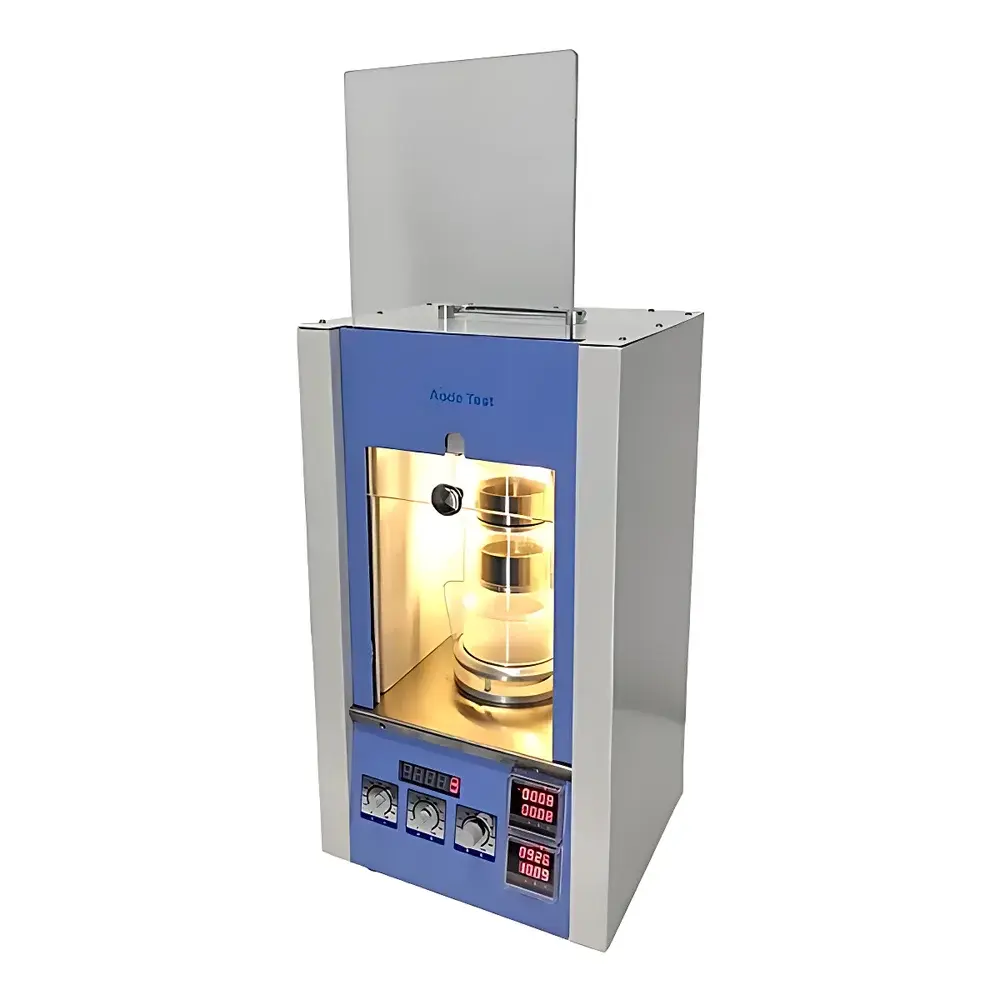
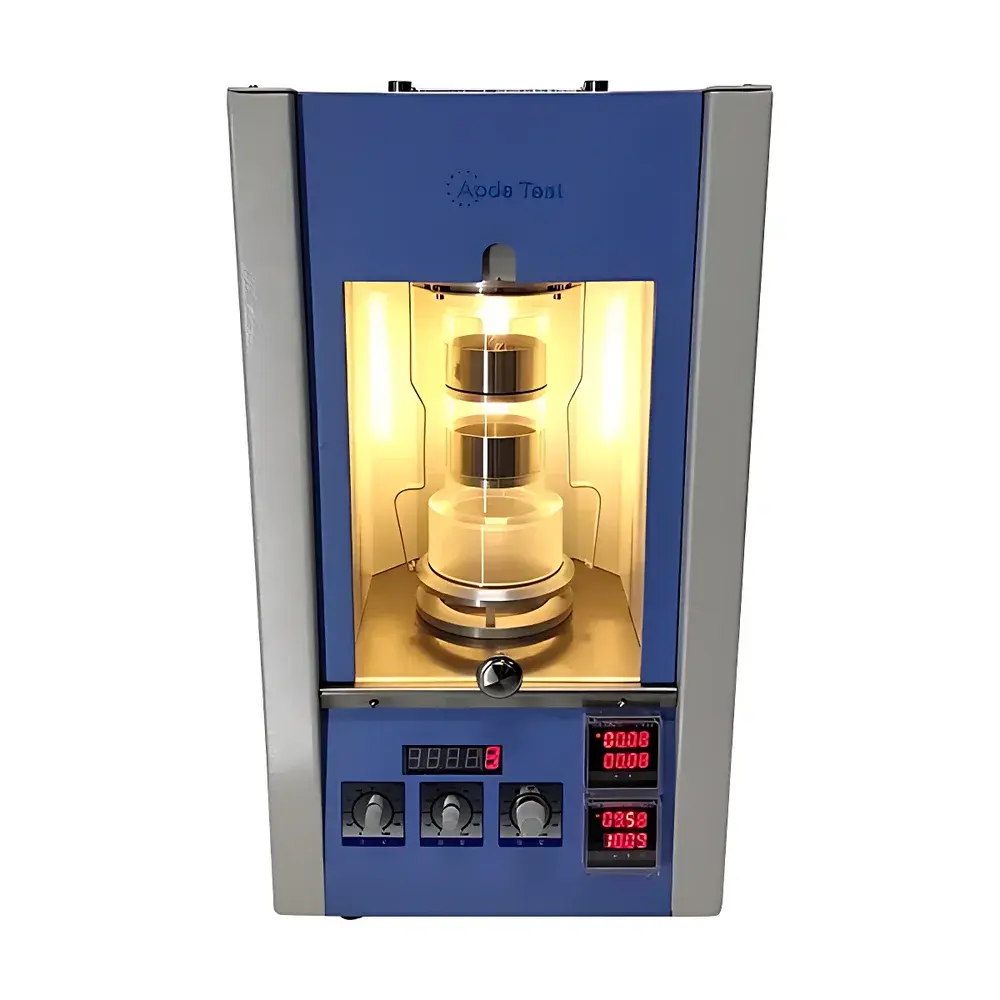
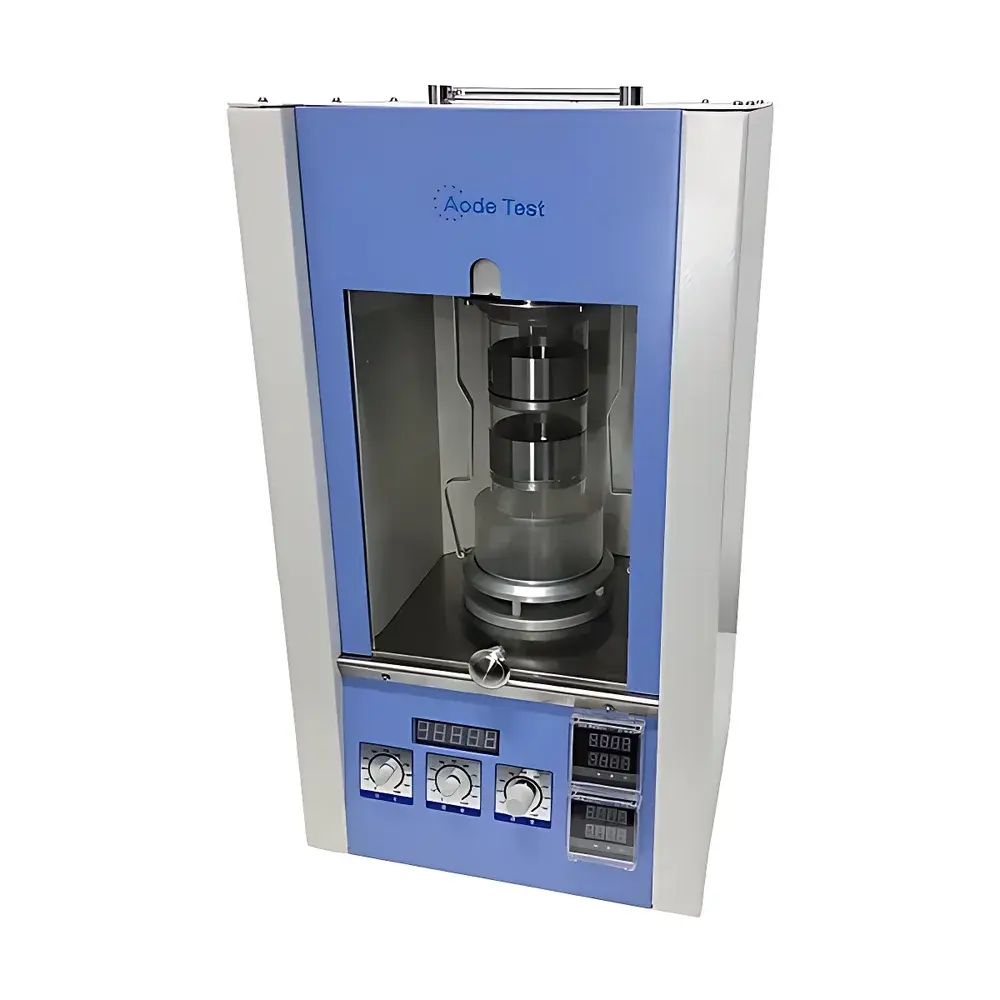
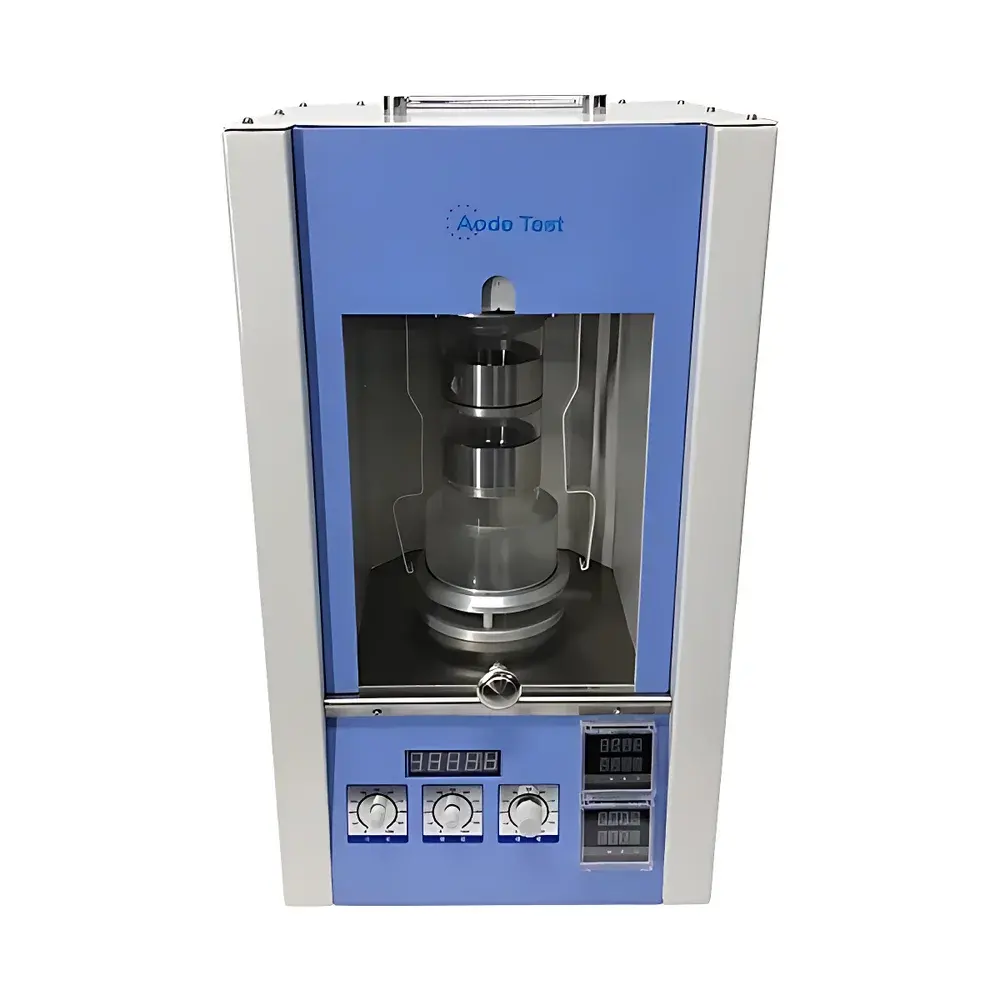
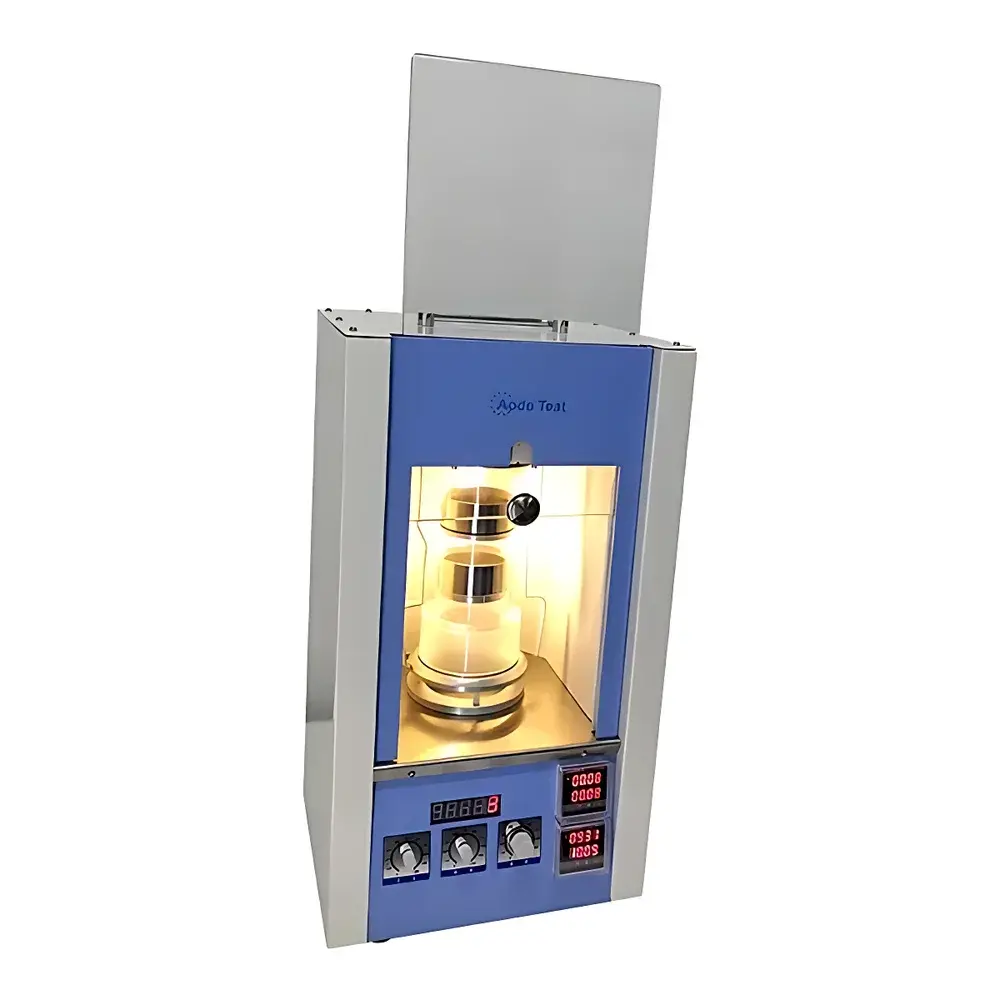
Aode Aode-75 Ultrasonic Vibration Sieve Analyzer
| Brand | Aode |
|---|---|
| Origin | Liaoning, China |
| Manufacturer Type | Manufacturer |
| Origin Category | Domestic |
| Model | Aode-75 |
| Price Range | USD 7,000 – 14,000 |
| Sieving Capacity | 10 g |
| Dimensions (W×H×D) | 30 × 54 × 26 cm |
| Door Height | 80 cm |
| Weight | 18 kg |
| Power Supply | 220 V, 50 Hz |
| Frequency Range | 2–300 Hz |
| Sieving Time Range | 1–99.99 min |
| Stacking Capacity | Up to 6 × 75-mm-diameter standard sieves |
| Sieve Specifications | Internal Diameter 75 mm, External Diameter 90 mm, Height 25 mm |
| Particle Size Range | 5 µm – 4.5 mm |
| Axial Tapping Direction | Vertical |
| Operating Environment | 0–40 °C, RH < 85 % |
| Compliance | GB/T 13220, ASTM E323, ASTM D161 |
Overview
The Aode Aode-75 Ultrasonic Vibration Sieve Analyzer is a precision particle size distribution instrument engineered for the reliable dry sieving of fine and ultrafine powders that are prone to agglomeration, electrostatic adhesion, or cohesive behavior. Unlike conventional mechanical or electromagnetic vibratory sieves, the Aode-75 employs an air-coupled ultrasonic vibration principle: a high-frequency acoustic generator drives an air displacement diaphragm, inducing controlled vertical oscillation of ambient air within a sealed sieve stack. This generates a uniform, omnidirectional columnar airflow at up to 3600 cycles per minute (60 Hz nominal), imparting dynamic lift-and-tumble motion to particles resting on sieve meshes. The resulting particle mobility significantly enhances passage through apertures—especially critical for materials with high surface energy or low bulk density. Designed in strict accordance with GB/T 13220 (“Determination of Particle Size Distribution of Fine Powders — Acoustic Sieving Method”) and ASTM E323 / ASTM D161, the instrument delivers traceable, repeatable dry-sieving performance without requiring vacuum assistance or solvent-based wet processing.
Key Features
- Ultrasonic air-coupled excitation system enabling 2–300 Hz frequency tuning for optimized dispersion of cohesive powders
- Integrated axial tapping mechanism delivering vertical mechanical impulses synchronized with acoustic vibration to disrupt particle bridging
- Modular 75-mm-diameter sieve stack configuration supporting up to six nested sieves simultaneously
- Programmable sieving duration (1–99.99 min) and independent tap timing control for method development and SOP compliance
- Transparent acoustic enclosure with sound-dampening viewport for real-time visual monitoring without operational interruption
- Compact footprint (30 × 54 × 26 cm) and lightweight design (18 kg) suitable for benchtop deployment in QA/QC labs and academic research spaces
- Microcontroller-based operation with embedded timer, frequency regulator, and safety interlock circuitry
Sample Compatibility & Compliance
The Aode-75 is validated for use with low-density, high-surface-area powders commonly encountered in pharmaceutical excipient characterization, electronic conductive pastes, catalyst precursors, nanocomposite fillers, and functional food additives. Its 5 µm lower detection limit addresses ISO 13320-complementary dry-sieving needs where laser diffraction may suffer from multiple scattering or poor dispersion stability. All test procedures align with GLP documentation requirements: raw mass input, retained mass per sieve tier, and cumulative undersize data are timestamped and stored with audit-trail metadata. The system supports traceability under FDA 21 CFR Part 11 when paired with validated Windows-based software (see Software & Data Management). Regulatory alignment includes adherence to USP <786> (Particle Size Distribution), ISO 9276-1 (Representation of Results), and ASTM C136/C78 (Sieve Analysis of Fine and Coarse Aggregates).
Software & Data Management
The included Windows-compatible software acquires mass values directly from calibrated balance inputs (via RS-232 or USB interface) before and after sieving. It automatically computes mass retention (%) per sieve layer, generates cumulative undersize distribution curves (differential and integral), and exports tabular results in CSV, XLSX, and PDF formats. All datasets retain full experimental context—including date/time stamp, operator ID, sieve stack configuration, frequency setting, tap count, and total duration—enabling retrospective review and regulatory submission readiness. Data encryption, user-level access controls, and electronic signature support are available under site-specific validation protocols. Raw files are stored in non-proprietary binary format to ensure long-term archival integrity.
Applications
The Aode-75 serves as a primary dry-sieving tool across regulated and research-intensive environments: QC release testing of inhalation-grade lactose carriers (USP <601>), granule sizing in solid oral dosage form development, metal powder qualification for additive manufacturing feedstock (ASTM F3049), pigment dispersion assessment in coatings R&D, and quality control of ceramic raw materials in advanced electronics manufacturing. Its ability to resolve sub-10 µm fractions without fluidization aids makes it particularly valuable for laboratories lacking nitrogen purge infrastructure or seeking rapid method transfer from wet-sieving platforms.
FAQ
Does the Aode-75 require vacuum or compressed air to operate?
No. It operates solely on electrical power (220 V, 50 Hz) and uses internally generated acoustic air vibration—no external gas supply or vacuum pump is needed.
Can the instrument be validated for GMP environments?
Yes. With documented IQ/OQ protocols, calibrated mass input, and software configured for 21 CFR Part 11 compliance, it meets core requirements for regulated pharmaceutical and medical device manufacturing labs.
What sieve standards are compatible with the 75-mm stack?
Standard ISO 3310-1 and ASTM E11 sieves with 75-mm internal diameter, 90-mm outer diameter, and 25-mm height are fully supported.
Is temperature or humidity control required during operation?
Ambient laboratory conditions (0–40 °C, RH < 85 %) are sufficient; no environmental chamber integration is necessary.
How is reproducibility ensured across operators?
By enforcing fixed parameters—stack geometry, acoustic frequency, tap amplitude, and duration—and using automated mass acquisition, inter-operator variability is reduced to ≤1.2 % RSD for certified reference powders (e.g., NIST SRM 1980).



