
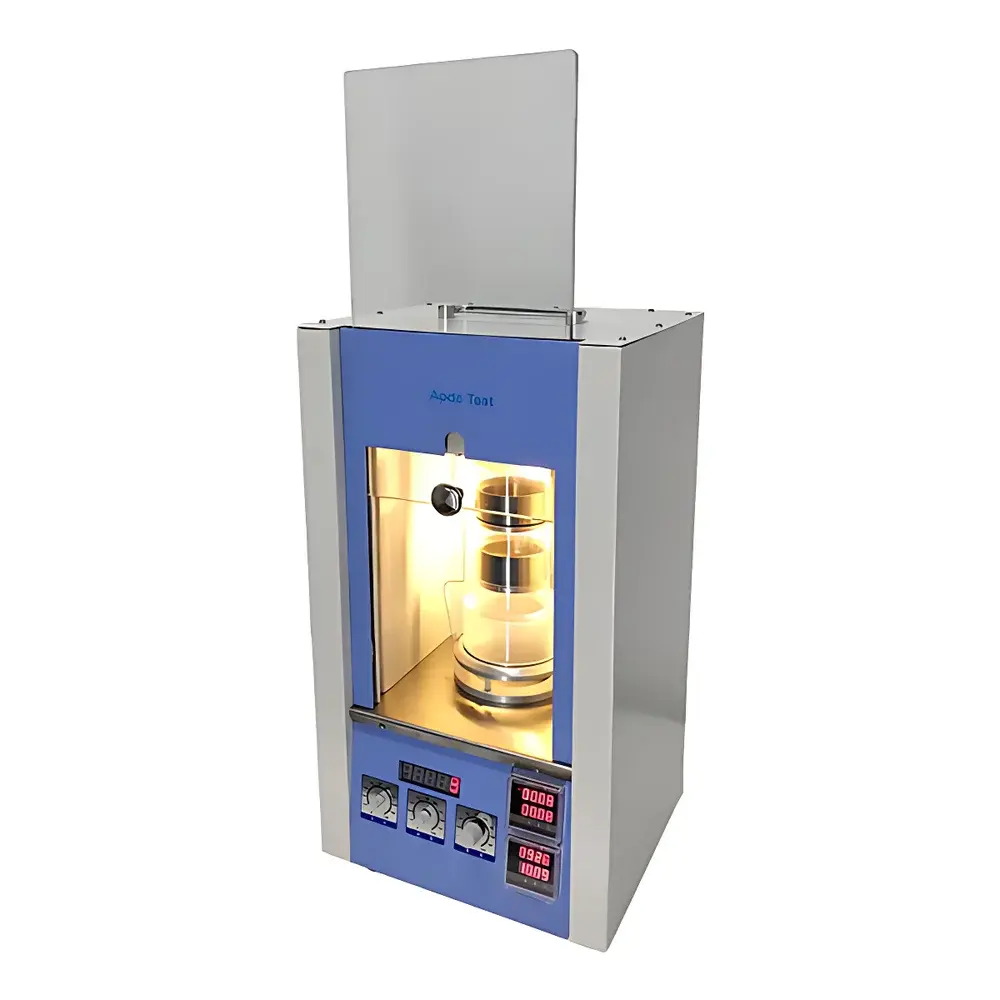
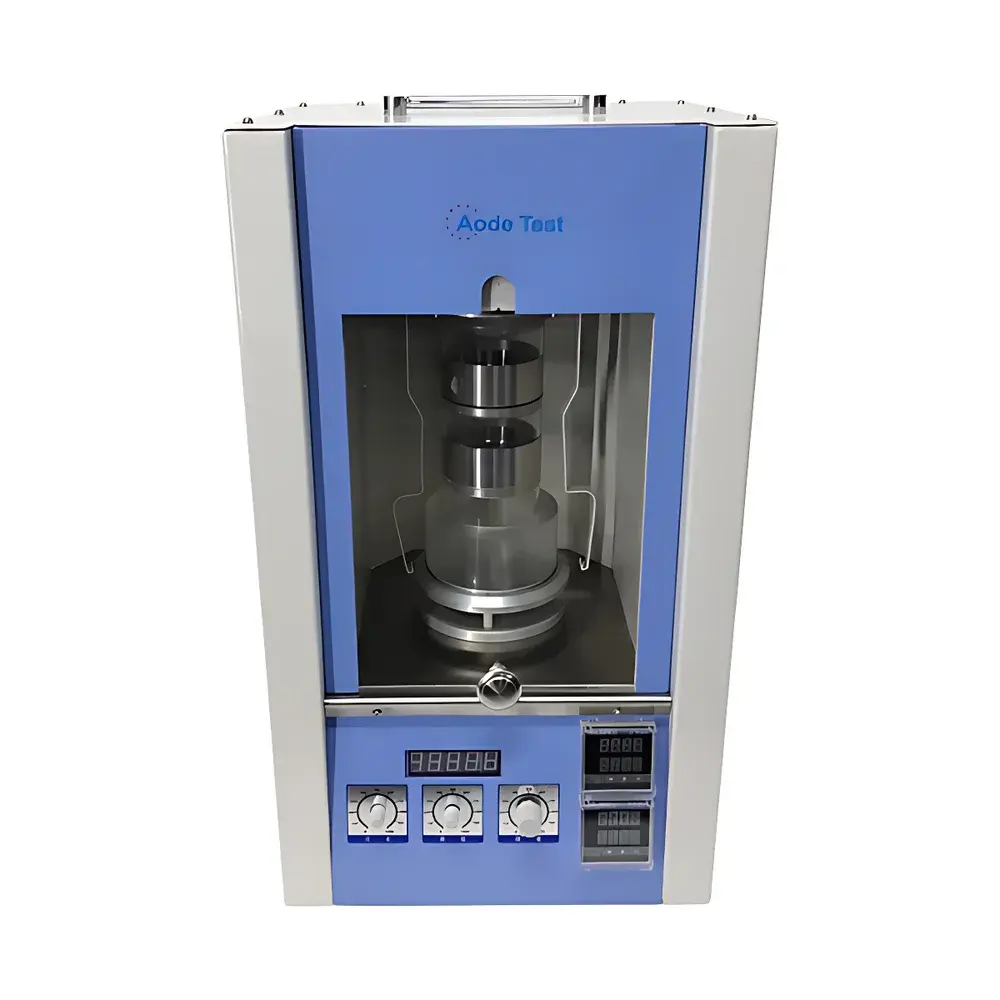
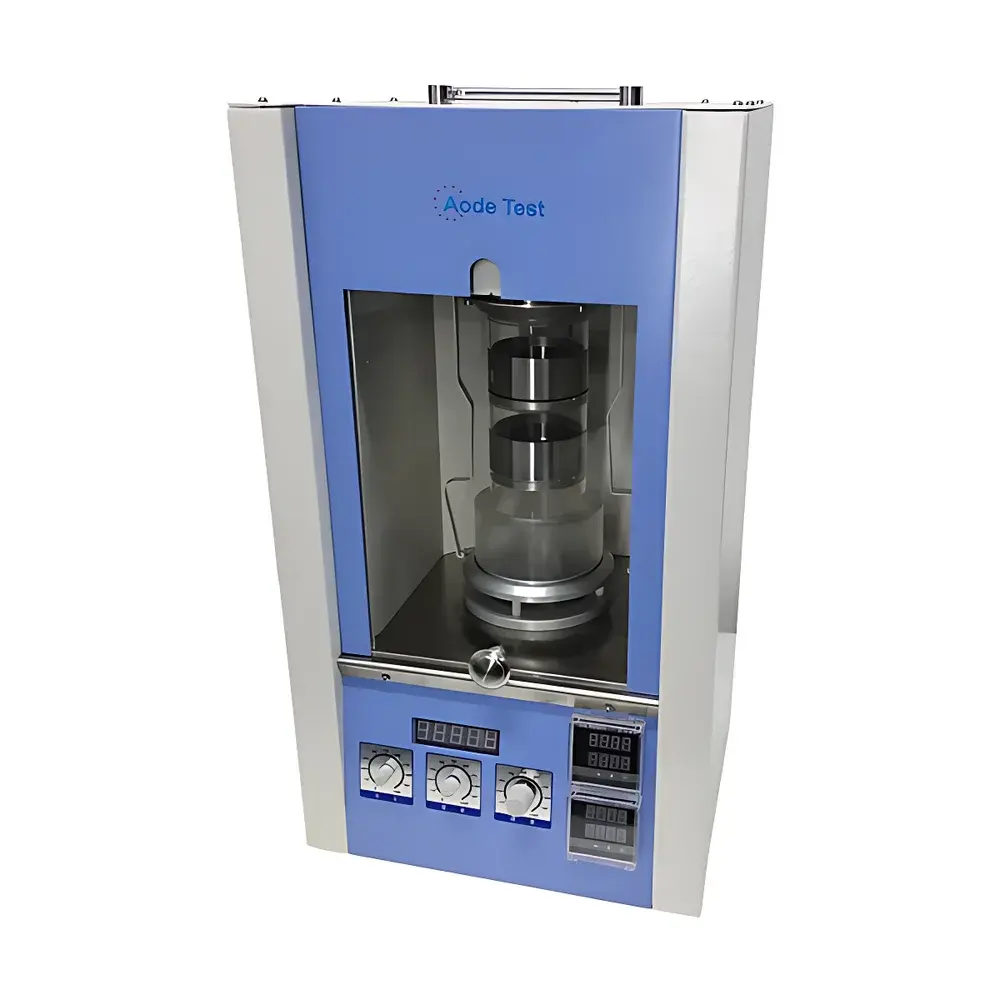
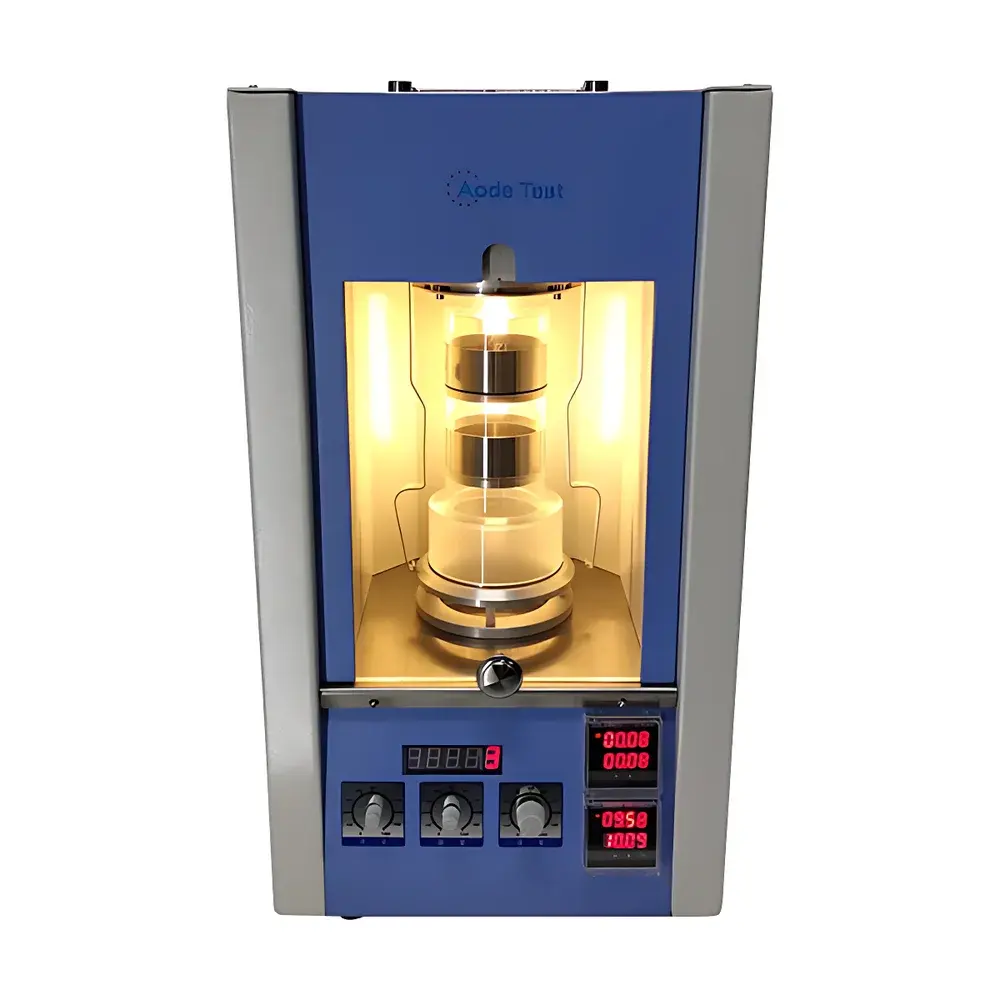
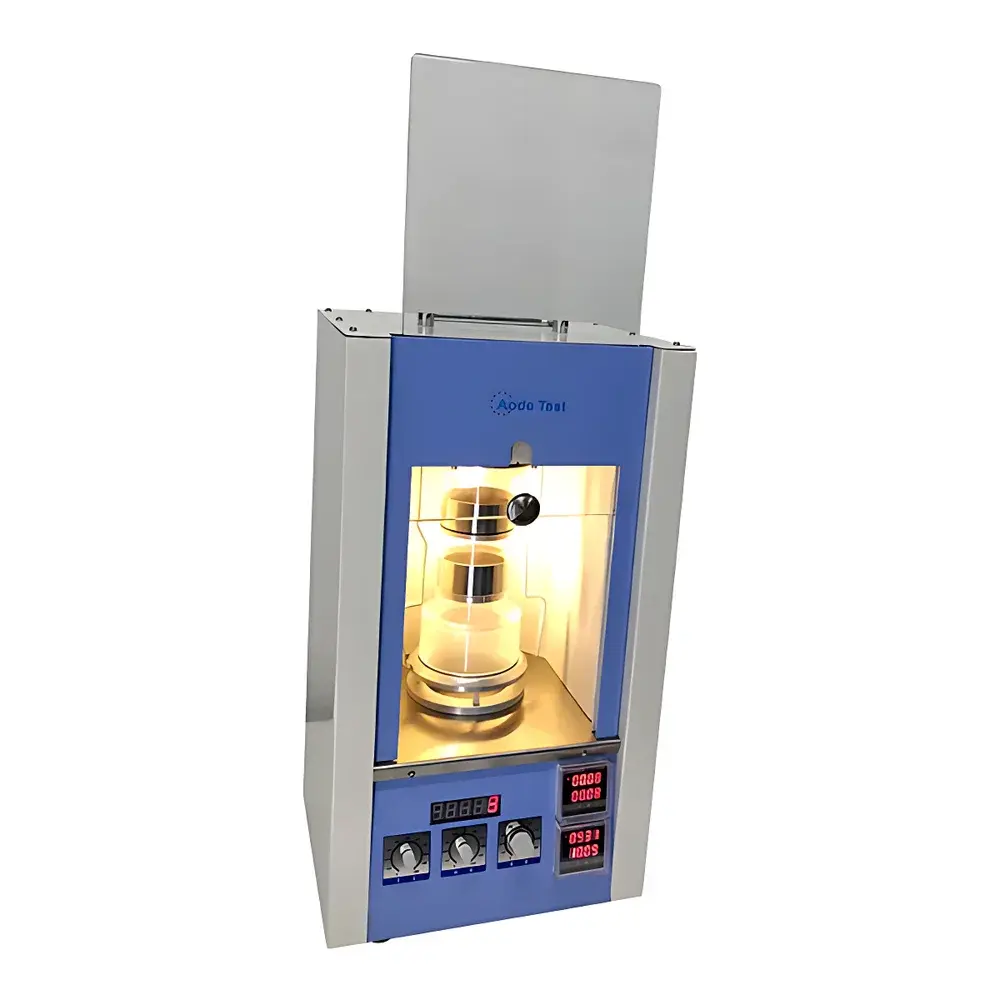
Aode Aode75 Ultrasonic Sieve Shaker
| Brand | Aode |
|---|---|
| Origin | Liaoning, China |
| Manufacturer | Yes |
| Model | Aode75 |
| Power Supply | 220 V, 50 Hz |
| Dimensions (W×D×H) | 30 × 54 × 26 cm |
| Door Opening Height | 80 cm |
| Weight | 18 kg |
| Vibration Frequency | 3600 cycles/min (60 Hz base air column resonance) |
| Adjustable Frequency Range | 2–300 Hz |
| Sieving Time Range | 1.00–99.99 min |
| Max. Sieving Capacity | 10 g |
| Min. Sieving Capacity | 0.1 g |
| Particle Size Range | 5 µm – 4.75 mm |
| Max. Stackable Sieves | 6 |
| Vertical Tapping | Integrated intermittent impact mechanism |
| Standard Compliance | GB/T 13220 (China), ASTM E323, ASTM D161 |
| Sieve Certification | NMI-traceable aperture verification with individual calibration certificate per sieve set |
| Noise Level | <65 dB(A) |
| Control System | Microprocessor-based digital timer and frequency controller |
| Optional Software | Automated mass-based fraction quantification, cumulative/differential particle size distribution calculation, real-time curve plotting (D10/D50/D90), CSV export, audit trail support |
Overview
The Aode Aode75 Ultrasonic Sieve Shaker is a precision laboratory instrument engineered for the reliable, high-reproducibility dry sieving of fine and ultrafine powders. Unlike conventional mechanical shakers relying on orbital or gyratory motion, the Aode75 employs an acoustically driven air-column vibration principle: a piezoelectric transducer generates controlled ultrasonic energy that excites a resonant vertical air column within a sealed sieve stack. This induces a highly uniform 3600-cycle-per-minute (60 Hz fundamental) oscillatory lift-and-release motion across all sieve surfaces simultaneously—effectively fluidizing cohesive particles without mechanical abrasion. The method eliminates electrostatic agglomeration, minimizes particle attrition, and preserves intrinsic morphological and surface characteristics—critical for pharmaceutical APIs, battery cathode materials, catalysts, and nanocomposites where post-sieving integrity directly impacts downstream performance.
Key Features
- Acoustic air-column excitation delivering consistent 3600 cpm vertical oscillation—no direct mechanical contact with sieve meshes ensures zero sample wear and long-term mesh integrity
- Integrated intermittent impact mechanism (tapper) programmable to disrupt static bridges and break up fragile agglomerates without over-grinding
- Transparent polycarbonate observation chamber with anti-acoustic damping seals enables real-time visual monitoring of particle mobility and stratification dynamics
- Digital microcontroller with 0.01-min time resolution, 1-Hz frequency stepping (2–300 Hz), and memory for ≥10 user-defined protocols
- Modular 6-tier sieve stack design compatible with ISO 3310-1, ASTM E11, and GB/T 6003.1 standard sieves (75 mm diameter); each supplied with national metrology institute (NMI)-issued aperture certification
- Low-noise operation (<65 dB[A]) suitable for shared lab environments; no vacuum pump, dust extraction, or compressed air required
Sample Compatibility & Compliance
The Aode75 is validated for use with low-density, high-surface-area, electrostatically sensitive powders—including lactose monohydrate, milled silica, spray-dried excipients, metal organic frameworks (MOFs), and lithium iron phosphate (LiFePO₄). Its non-contact vibrational mode prevents thermal degradation and avoids false fines generation common in rotary or tapping sievers. The instrument complies with GB/T 13220 “Determination of particle size distribution of fine powders — Acoustic sieving method”, ASTM E323 “Standard Test Method for Sieve Analysis of Fine and Coarse Aggregates”, and ASTM D161 “Standard Specification for Woven Wire Test Sieve Cloth”. All delivered sieve sets include traceable calibration certificates confirming aperture accuracy per ISO/IEC 17025 requirements—supporting GLP/GMP documentation workflows and regulatory submissions (e.g., FDA 21 CFR Part 11-compliant software optional).
Software & Data Management
An optional Windows-based sieve analysis software module provides full automation of post-sieving mass measurement (when integrated with certified analytical balances), automatic calculation of cumulative weight percentages per fraction, and generation of standardized distribution plots (differential and cumulative curves). Output includes D10, D50, D90, span, and relative width metrics conforming to ISO 9276-2. All session logs record operator ID, timestamp, sieve stack configuration, frequency/time settings, ambient temperature/humidity (if sensor-equipped), and raw mass data—enabling full auditability. Data exports are CSV- and Excel-compatible; metadata conforms to FAIR principles for laboratory information management system (LIMS) integration.
Applications
- Pharmaceutical R&D: Granule and API particle sizing prior to tableting or inhalation formulation development
- Materials Science: Quality control of additive manufacturing feedstocks (e.g., Ti-6Al-4V, Inconel 718 powders)
- Electrochemical Research: Cathode/anode active material grading for Li-ion and solid-state batteries
- Food & Agriculture: Starch, flour, and spice particle distribution profiling under HACCP-aligned protocols
- Environmental Testing: Soil and sediment fractionation per ASTM D422 and ISO 11277
- Academic Teaching Labs: Hands-on demonstration of powder rheology, cohesion mechanisms, and sieving theory fundamentals
FAQ
What is the fundamental operating principle of the Aode75?
It uses piezoelectrically generated acoustic energy to induce resonant vertical oscillation of an enclosed air column—transferring kinetic energy uniformly to all stacked sieves without mechanical coupling.
Can the Aode75 perform wet sieving?
No—it is designed exclusively for dry sieving. For water-sensitive or hydrophilic samples requiring dispersion, complementary techniques such as laser diffraction or sedimentation should be employed.
Is calibration traceable to international standards?
Yes. Each supplied standard sieve set includes a certificate from a nationally accredited metrology institute verifying aperture dimensions against ISO/IEC 17025 requirements.
How does the intermittent tapper function enhance reproducibility?
By applying programmable, low-energy vertical impulses at user-defined intervals, it disrupts transient agglomerates without altering particle morphology—reducing inter-operator variability in challenging cohesive samples.
Does the instrument meet regulatory requirements for QC laboratories?
With optional software and documented IQ/OQ protocols, it supports compliance with USP , EP 2.9.31, and FDA 21 CFR Part 11 when deployed in validated environments.
Related Products



