
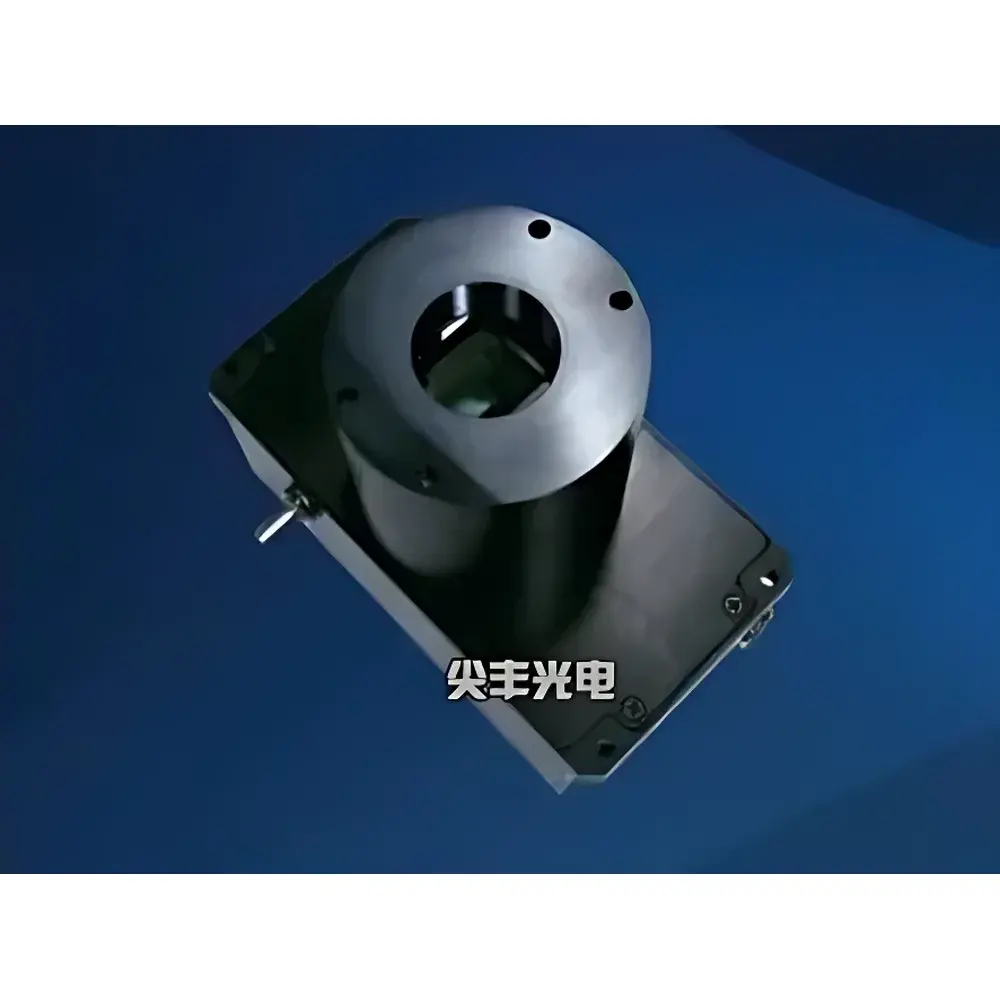
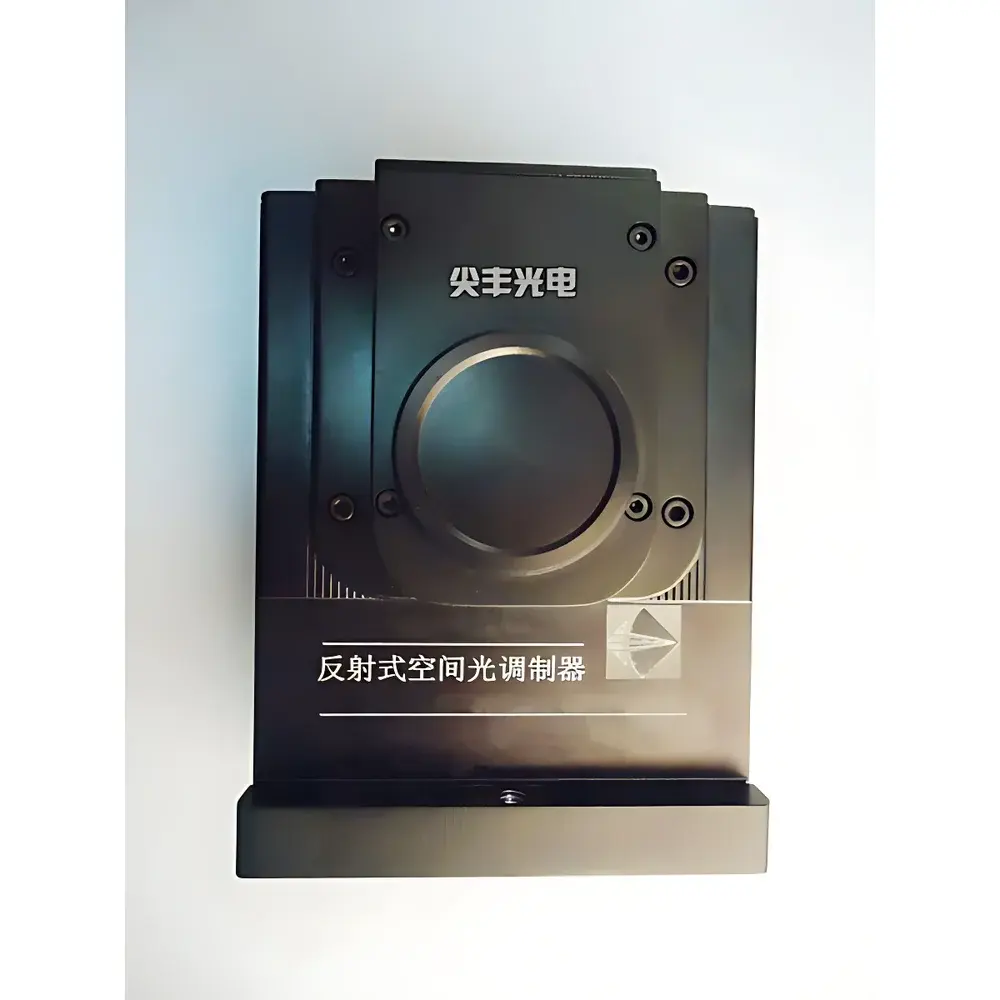
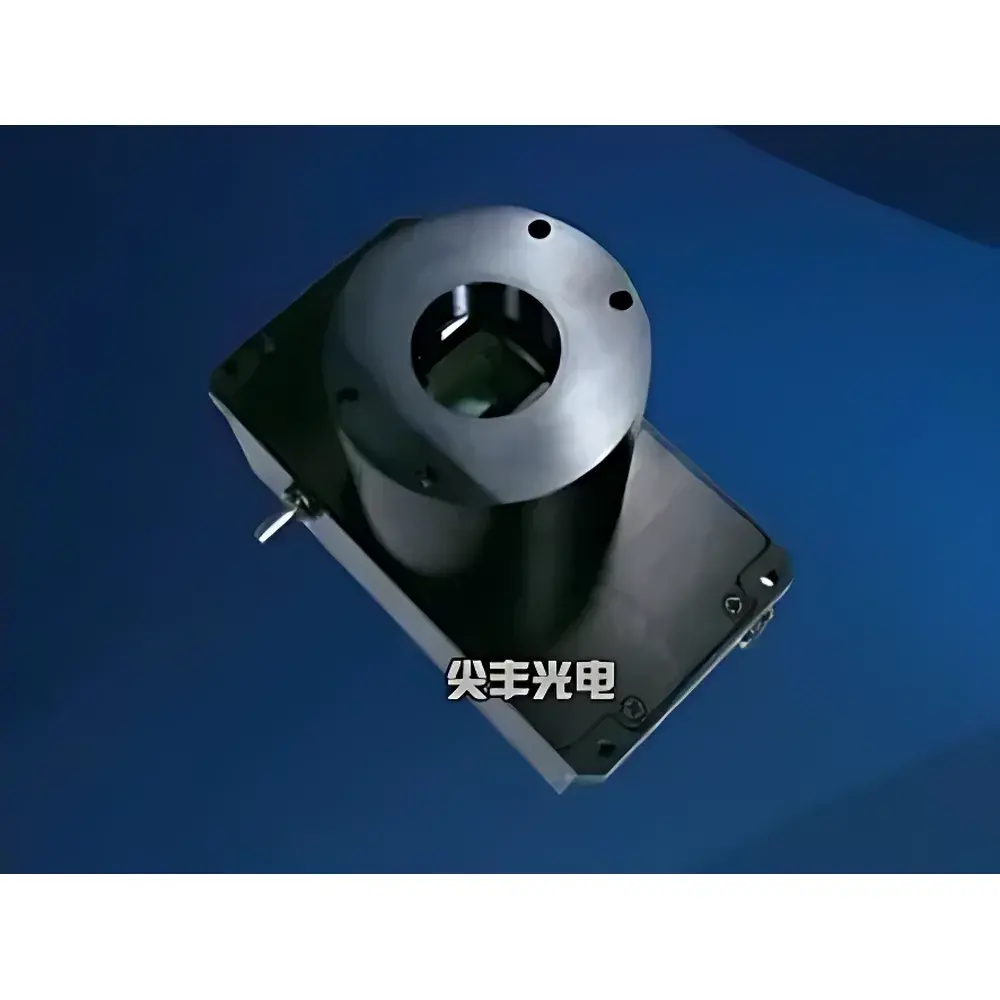
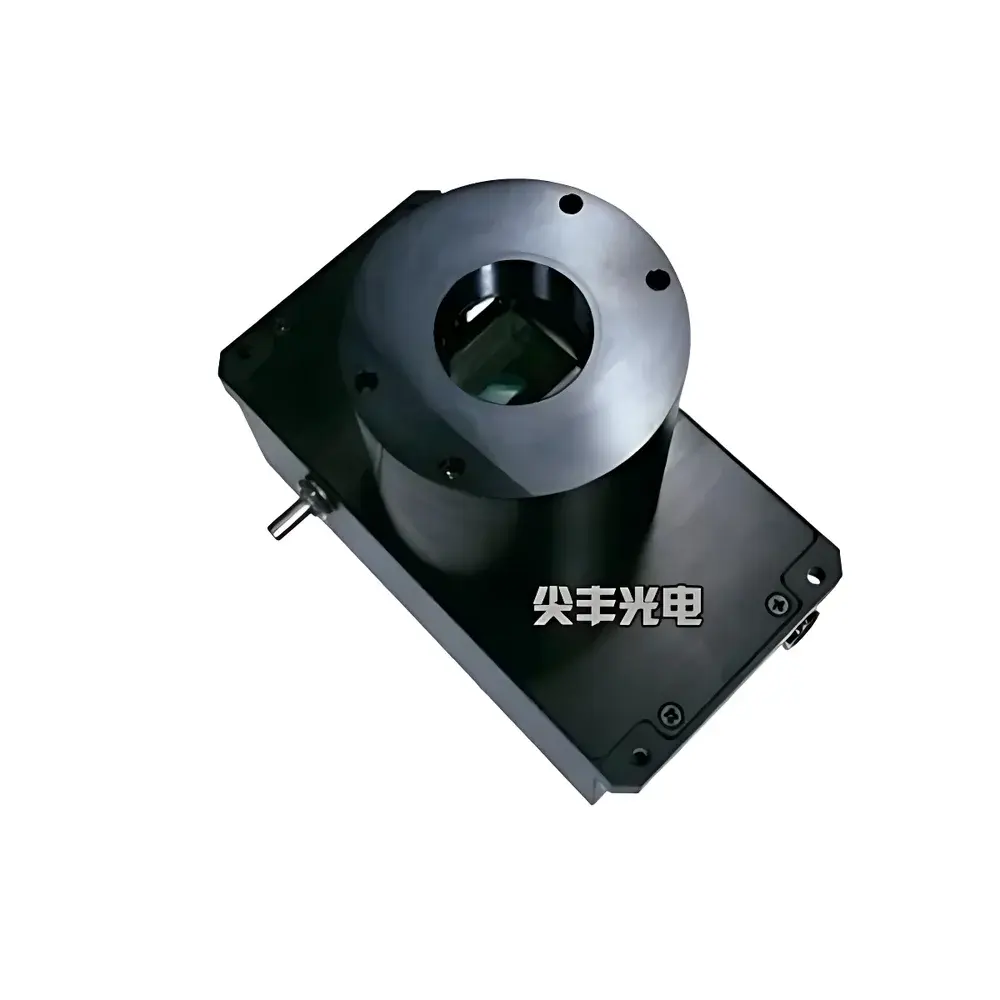
AOE Tech RSLM-HD70-A Low-Temperature Reflective LCOS Spatial Light Modulator
| Brand | AOE Tech |
|---|---|
| Origin | Shanghai, China |
| Model | RSLM-HD70-A |
| Modulation Type | Amplitude & Phase |
| LCD Type | Reflective LCOS |
| Gray Levels | 8-bit (256 levels) |
| Resolution | 1920 × 1080 pixels |
| Pixel Pitch | 8.0 µm |
| Active Area | 15.26 mm × 8.64 mm |
| Phase Range | 1.2π @ 532 nm |
| Contrast Ratio | >2000:1 |
| Fill Factor | >87% |
| Frame Rate | 60 Hz |
| Operating Temperature | −40 °C to +55 °C |
| Diffraction Efficiency | 75% @ 550 nm |
| Maximum Incident Power Density | 2 W/cm² |
| Spectral Range | 420–1100 nm |
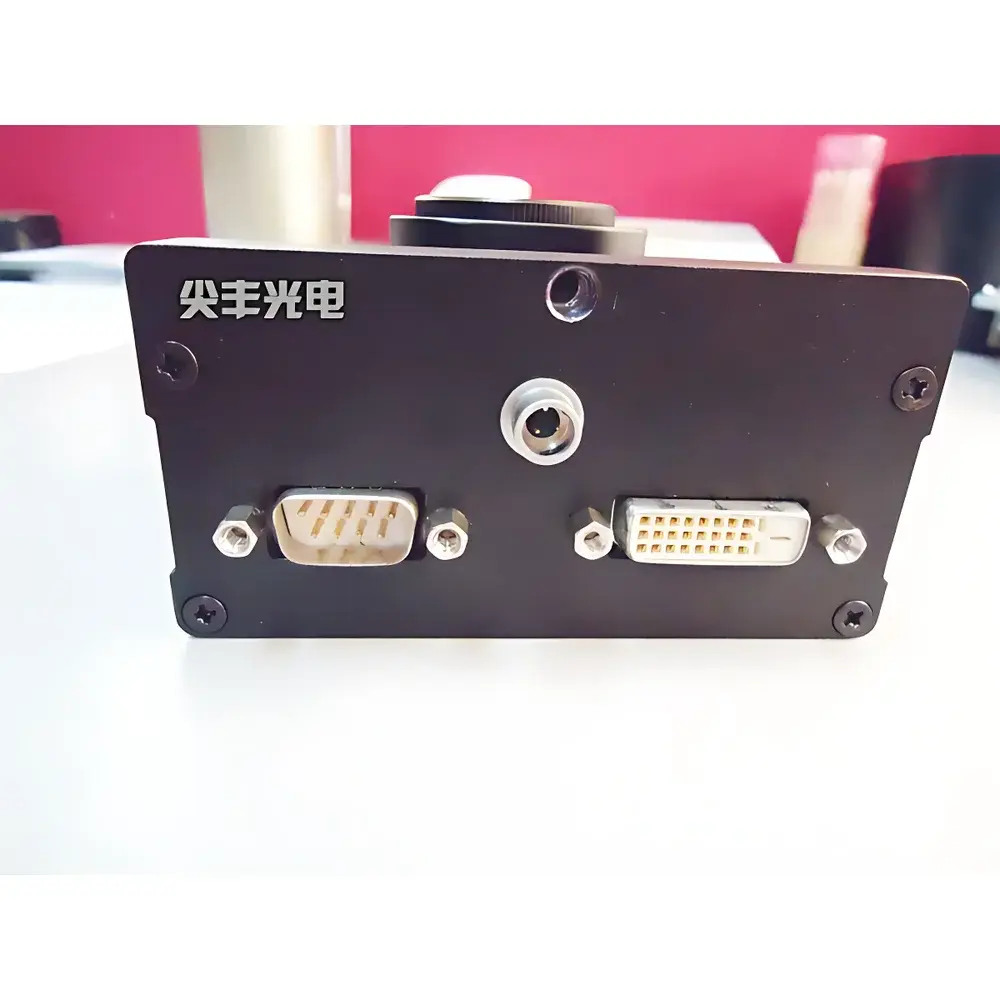
| Data Interface | DVI |
Overview
The AOE Tech RSLM-HD70-A is a low-temperature-rated reflective liquid crystal on silicon (LCOS) spatial light modulator engineered for precision wavefront control and dynamic optical pattern generation in demanding environmental conditions. Unlike conventional LCOS devices limited to ambient or narrowly regulated thermal ranges, the RSLM-HD70-A is specifically designed and validated for stable operation from −40 °C to +55 °C—making it suitable for aerospace simulation systems, high-altitude lidar calibration, cryogenic optical test benches, and field-deployable adaptive optics platforms. Its core architecture leverages ferroelectric or nematic LC alignment on single-crystal silicon backplanes with optimized dielectric mirror stacks, enabling simultaneous amplitude and phase modulation with high fidelity across the visible to near-infrared spectrum (420–1100 nm). The device operates on the principle of electrically induced birefringence in a reflective geometry, where incident light undergoes polarization-dependent phase retardation controlled pixel-wise via analog voltage addressing.
Key Features
- Extended thermal operational range: certified performance from −40 °C to +55 °C without thermal drift compensation hardware
- High-resolution reflective LCOS panel: 1920 × 1080 active pixels with 8.0 µm pitch and >87% fill factor for minimal diffraction artifacts
- Dual-modality capability: independent, real-time control of both amplitude and phase profiles within a single device
- High optical efficiency: 75% diffraction efficiency at 550 nm; maximum power handling up to 2 W/cm² (CW, uniform illumination)
- Low-latency DVI interface supporting full-frame 60 Hz update rates with sub-millisecond pixel response
- Robust mechanical design: hermetically sealed package with low-outgassing materials compliant with MIL-STD-810G for vibration and thermal shock resistance
Sample Compatibility & Compliance
The RSLM-HD70-A is compatible with collimated free-space beam paths and standard C-mount or SM1-threaded optical mounts. It supports integration into laser systems operating at wavelengths from 420 nm (violet diodes) through 1100 nm (InGaAs detection bands), including common DPSS lasers (532 nm, 1064 nm) and supercontinuum sources. The device meets ISO 10110-7 surface quality specifications for reflective optics and conforms to IEC 61000-4 electromagnetic immunity standards. For regulated environments, its firmware architecture supports audit-trail-ready configuration logging—a prerequisite for GLP-compliant optical calibration workflows. While not FDA-cleared (as it is a non-medical component), its material composition complies with RoHS 3 and REACH Annex XIV restrictions.
Software & Data Management
The modulator is supported by AOE Tech’s SLM Control Suite v3.x, a cross-platform application (Windows/Linux) providing pixel-level gamma correction, phase unwrapping, and kinoform synthesis tools. All configuration parameters—including lookup table (LUT) mapping, temperature-compensated voltage calibration curves, and frame synchronization settings—are stored in non-volatile memory with version-stamped metadata. Export formats include TIFF (16-bit), HDF5, and binary sequences compatible with MATLAB, Python (NumPy), and LabVIEW FPGA deployment targets. The DVI interface ensures deterministic timing with hardware-triggered frame capture, essential for closed-loop wavefront sensing applications using Shack–Hartmann sensors or interferometric feedback.
Applications
- Dynamic holography and computer-generated hologram (CGH) projection in cold-environment optical labs
- Real-time beam shaping for ultrafast laser amplification systems requiring thermal-stable phase masks
- Hardware-in-the-loop (HIL) target simulation for infrared seeker testing under thermal vacuum conditions
- Adaptive optics correction in ground-based astronomical observatories with unheated secondary mirror assemblies
- Structured illumination microscopy (SIM) systems operating in refrigerated sample chambers
- Optical neural network accelerators utilizing diffractive optical elements synthesized on-the-fly
FAQ
What is the guaranteed minimum contrast ratio at −40 °C?
The contrast ratio remains >2000:1 across the full temperature range, verified per ISO 13660 using a stabilized HeNe source and calibrated photodetector array.
Is phase calibration data provided for multiple wavelengths?
Yes—factory calibration includes wavelength-dependent phase response tables for 488 nm, 532 nm, 633 nm, 780 nm, and 1064 nm, delivered in CSV and JSON formats.
Can the device be operated in vacuum environments?
It is rated for operation at pressures down to 10⁻³ mbar; optional vacuum-compatible housing with CF-35 flange is available upon request.
Does the DVI interface support custom timing protocols?
The native controller accepts standard DVI-D signals but also allows programmable VSYNC/HSYNC edge triggering via GPIO pins for synchronization with pulsed laser systems.
How is temperature stabilization achieved without active cooling?
Thermal management relies on passive conduction paths, low-thermal-resistance LC alignment layers, and hysteresis-free drive electronics—no Peltier elements or external chillers are required.




